
- Description
- Features of cultivation
- Ripening time
- Site requirements
- Good neighbors
- Potatoes and other nightshades
- Cabbage
- Corn
- Carrot
- Beet
- Cucumbers
- Tomatoes
- Pumpkin
- Soil preparation
- Crop rotation rules
- Climate conditions
- When to plant in open ground
- Growing technology
- Seed preparation
- Soak
- Germination
- Growth stimulants
- Warming up
- Planting diagram
- Planting before winter
- Caring for peas
- Watering
- Fertilizer
- Installation of supports
- Loosening
- Garter
- Hilling
- Diseases and pests of peas
- Diseases and treatment
- Downy mildew
- Ascochytosis
- Root rot
- Rust
- Pests and treatment
- Pea moth
- Pea weevil
- Acacia moth
- Bird protection
- How to grow at home
- Preparation
- Choosing a location
- Landing
- Care
- Harvesting and storage of crops
- How to collect
- Storage Features
- Types and varieties
- Shelling
- Dakota
- Vegetable miracle
- Dinga
- Somerwood
- Geoff
- Bingo
- Sphere
- Era
- Sugar
- Ambrosia
- Zhegalova 112
- Sugar Oregon
- The Miracle of Kelvedon
- Ambrosia
- Brain varieties
- Alpha
- Telephone
- Adagumsky
- Faith
- How it grows on an industrial scale
- Planting diagram
- Harrowing
- Watering
- Herbicides
- Mechanized harvesting
- Technological map for cultivation of field peas
- Secrets of a Rich Harvest
- Answers to questions
To properly care for the plant, it's important to know how peas grow and reproduce. Following simple care guidelines will help you obtain a product that contains all the beneficial components for the human body. Regular consumption of peas also strengthens the immune system.
Description
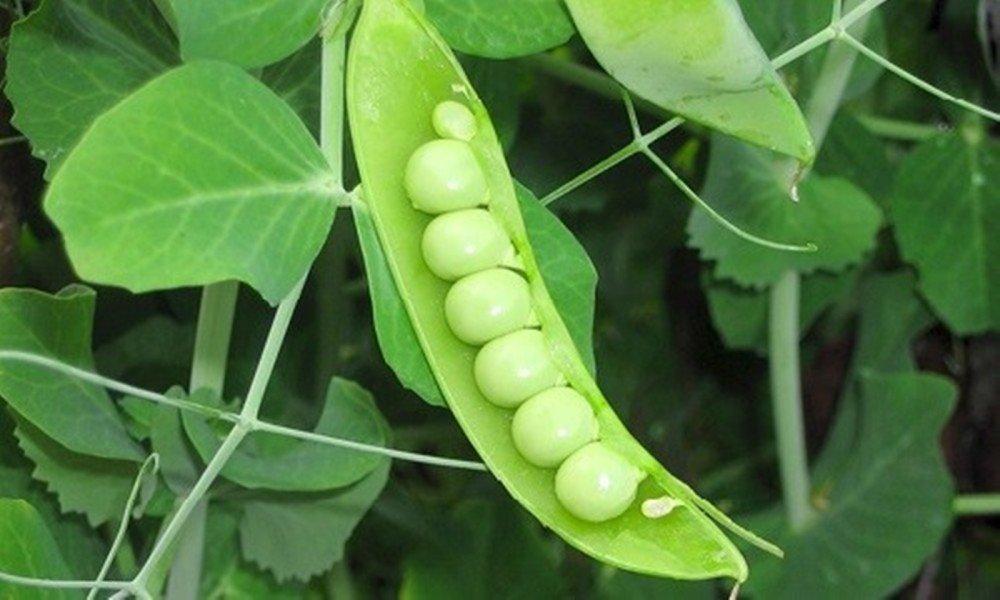
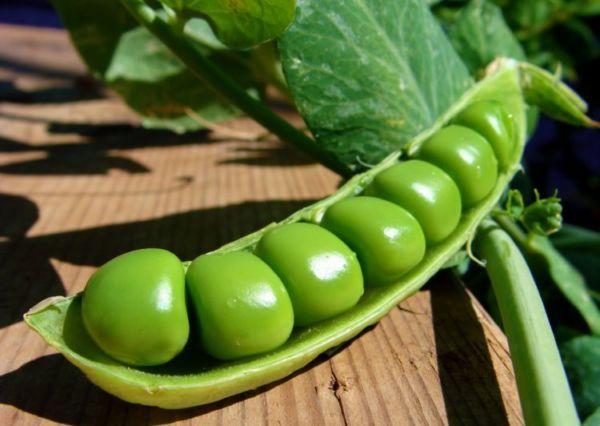
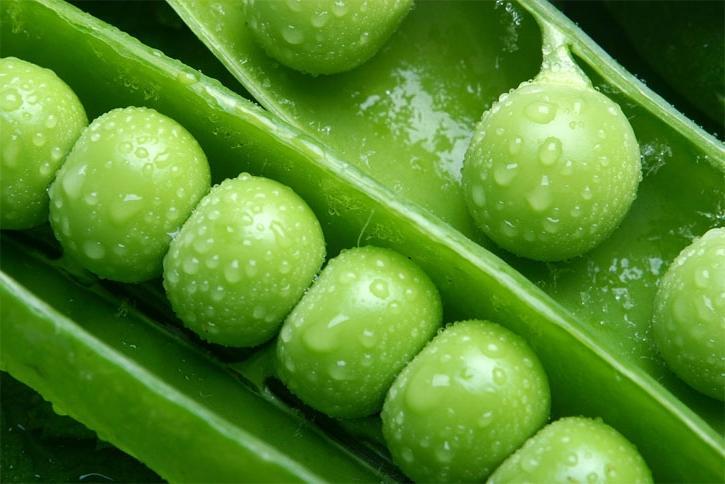
Peas are herbaceous plants belonging to the legume family. They grow as bushes, reaching heights ranging from 40 cm to 2 meters, depending on the variety. Some varieties can trail along the ground, while others require support. Peas produce pods consisting of two pods containing peas. Peas reproduce by seeds, which are the ripened peas. They bloom with white flowers.
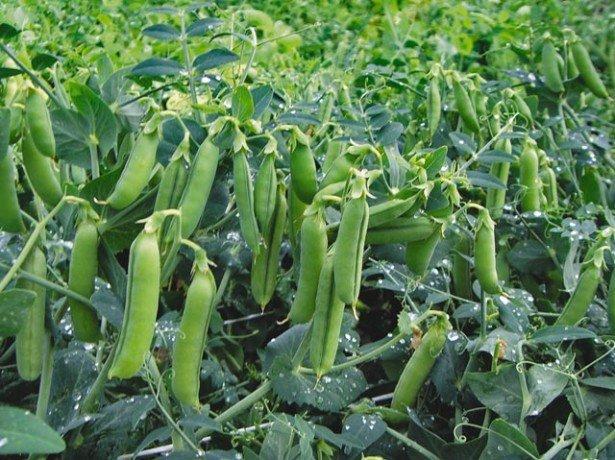
Fruiting begins in mid-July and can last until September, depending on the variety and the time of planting. Flowering usually occurs in mid-June, but can be uneven, with inflorescences appearing up to two days apart.
Peas have a good germination rate; if the seeds are properly treated before planting in the ground, the seedlings emerge evenly.
The plant's roots penetrate deep into the soil, making peas resistant to disease and requiring little or no complex care.
Features of cultivation
Peas have growing characteristics that every gardener must take into account.
Ripening time
Peas come in different varieties, so their ripening periods vary. Early varieties ripen in 45 days from planting. Mid-season varieties ripen in 55-60 days. Late varieties ripen in 65-70 days from planting.
Site requirements
The site must meet the following requirements:
- be placed in a sunny spot;
- have moderate acidity;
- be kept away from areas that accumulate moisture.
Before planting, it is necessary to add nutrients to ensure rapid development of peas.
Good neighbors
Choosing the right neighbors not only improves pea growth, but also deters pests.
Potatoes and other nightshades
The crops promote the absorption of nitrogen and other nutrients, which positively impacts the taste of the peas.
Cabbage
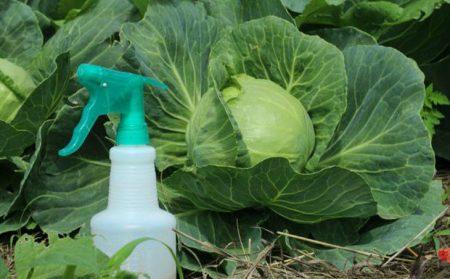
Growing cabbage and peas together is beneficial for the vegetable. The two crops have different pests and root systems, so they don't compete for nutrients.
Corn
Corn is considered a good companion for peas. This is primarily due to the fact that peas are climbing plants, so the corn acts as a support.
Carrot
The plant produces a distinctive odor. Carrot beds protect the peas from potential pests.
Beet
Growing beets requires a large amount of nutrients in the soil. Green manures release essential components and increase beet yield.
Cucumbers
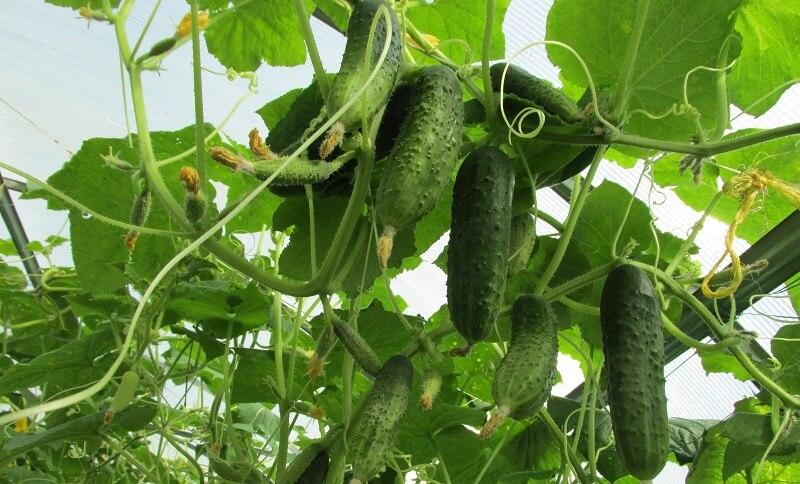
Peas thrive alongside cucumbers. Alternating beds can increase the yield of both crops.
Tomatoes
The distinctive odor of tomato tops repels flying pests that attack peas. The nitrogen released by peas is used by tomatoes, reducing the risk of many diseases.
Pumpkin
Growing pumpkins next to peas helps maintain the necessary level of moisture in the soil.
Soil preparation
To plant peas, the soil should be prepared in the fall. All old leaves and shoots are removed from the area. Humus and potassium fertilizer are added, and the soil is tilled to a depth of 20 cm. This is necessary to ensure that any harmful larvae that overwinter in the soil are killed by frost.
In spring, the area is loosened, fertilized with superphosphate if necessary, and the crop is planted.
Crop rotation rules
In order to obtain a high yield, it is necessary to follow certain rules:
- planting legumes in one place should be carried out only after 3 years;
- plants in the neighborhood must interact;
- Crops that have common pests and diseases are not planted in the same bed;
- The soil requires regular rest, so crops that consume the same nutrients must be rotated.
Peas act as green manure, so it can be used to fertilize depleted areas.
Climate conditions
Peas prefer moderate moisture, especially during flowering. The plant can tolerate temperatures as low as -6°C, but prolonged hot spells can reduce yield. The optimal temperature for pea fruit set is considered to be between 15°C and 17°C.
When to plant in open ground
Peas are planted depending on the region and weather conditions. On average, planting occurs after April 20th.
If planting is necessary earlier, it is necessary to additionally use polyethylene film to cover the beds.
Growing technology
Growing peas requires careful attention to detail. Then, the crop will delight you with a bountiful harvest and excellent taste.
Seed preparation
Before planting, the seeds should be carefully inspected for damage and mold. Place the peas in a salt solution (1 tablespoon of salt per liter of water) for an hour; discard any that float to the surface. After removing all damaged peas, treat the peas with an antiseptic. Manganese is most commonly used. Prepare a light solution (1 gram per 1 liter of water). Place the peas in the solution and let them sit for 15-20 minutes. Then dry.
Soak
Soaking softens the hard shell and accelerates pea germination. The seedlings are soaked in water for 24 hours, then drained and dried.
Germination
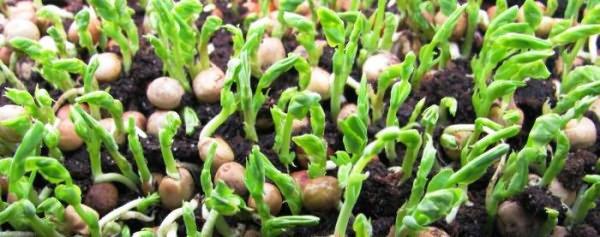
To germinate, take a flat plate and place a piece of cloth soaked in water on it. Place the peas on top and cover with another piece of cloth. To ensure germination, the cloth must be moistened regularly.
Growth stimulants
Using a growth stimulant increases germination. Soak the seeds in the supplement for an hour. These seeds germinate evenly and are more resistant to environmental influences.
Warming up
The warming method can be carried out in the following ways:
- Heating on a radiator. The seeds are spread out on paper and placed on a hot radiator for 24 hours.
- The seeds are laid out on a flat surface and warmed up under direct sunlight for 2 days.
- The seeds are placed in a container and filled with hot water (50 degrees), left for 15 minutes, and then dried.
Warming increases the germination rate and accelerates the emergence of seedlings.
Planting diagram
Planting peas is carried out using the following method:
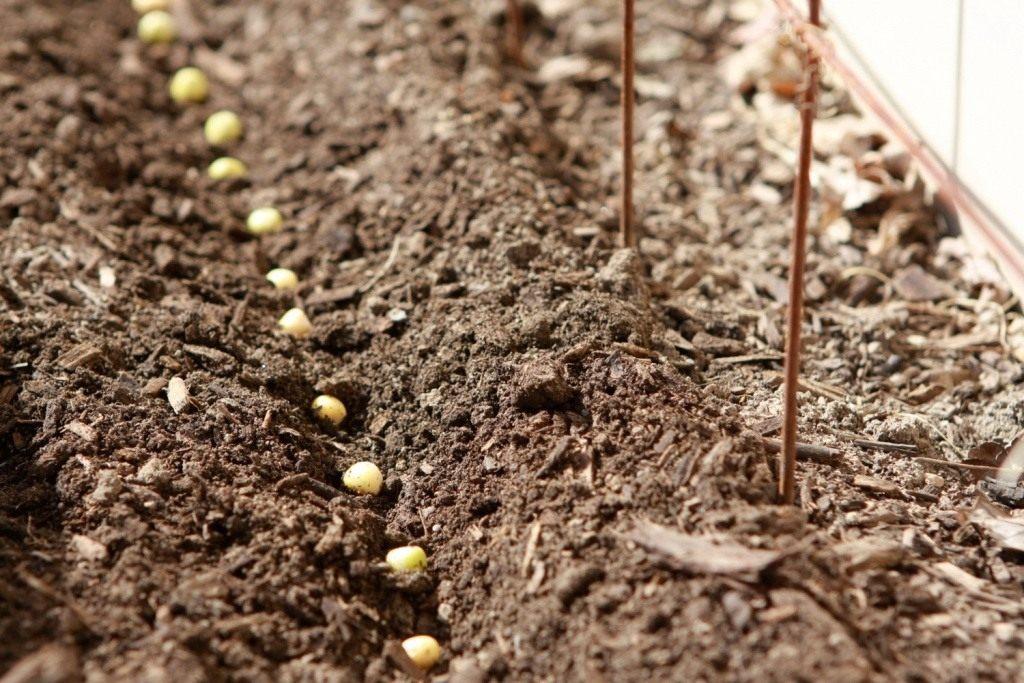
- on the prepared area it is necessary to make holes up to 10 cm deep;
- the seeds are placed in holes at a distance of 6-10 cm from each other;
- The holes are filled with soil and lightly compacted.
The distance between the beds should be at least 30-40 cm.
Important: If the soil is not moist enough, water the holes with warm water before planting the seeds.
Planting before winter
This method of planting peas requires varieties that can withstand low temperatures, such as NS Moroz. For planting, the soil must be prepared, dug, and humus added. Small furrows are made in the prepared area. When the first frost appears, the seeds are placed in the soil and covered with soil. The furrows are not watered.
The seeds must be placed dry, as the germinated material may die. Seedlings emerge in early spring.
Caring for peas
Peas do not require complex care; to obtain good results, it is enough to remove weeds in a timely manner and water the plant.
Watering
Peas prefer moist soil. Water every three days until flowering. After the flowers fall, water every four to five days.
 Important: Peas have large roots that penetrate deep into the soil and can reach groundwater.
Fertilizer
Plants are fed using the root method. After germination, nitrogen fertilizer is recommended (40 grams per 10 liters of water). During flowering, potassium fertilizer and superphosphate (30 grams per 10 liters of water) should be used.
During the ripening process of the crop, an infusion of mullein can be used in the proportion of 1 kilogram per 10 liters of water.
Installation of supports
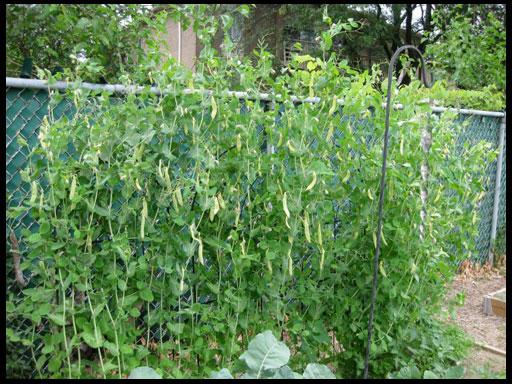
It's recommended to install supports when the first shoots emerge to reduce the risk of root damage. Wooden supports and large-mesh netting stretched between them can be used.
Loosening
Regular loosening of the soil promotes oxygenation. The soil should be loosened before each watering. This will not only strengthen the plant but also prevent problems such as root rot.
Garter
Once the shoots reach a height of 20-30 cm, they need to be tied up. This can be done using fabric scraps or by guiding the shoots into the mesh. The shoots have tendrils that help the plant cling to the support.
Hilling
To prevent the plant from becoming leggy and to strengthen it, hilling is necessary. To do this, rake the soil around the bush on both sides. Hilling is carried out when the seedlings reach 15-20 cm in height.
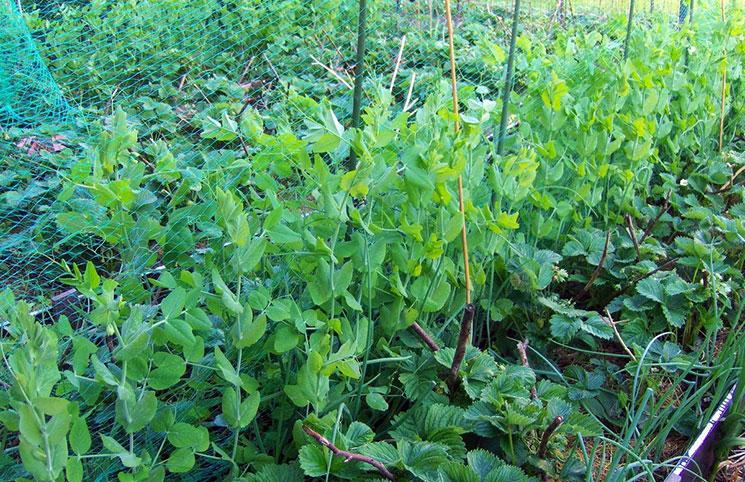
Diseases and pests of peas
The crop is resistant to diseases and is rarely attacked by pests.
Diseases and treatment
When diseases occur, it is necessary to take timely measures and prevent further development of the infection.
Downy mildew
The disease manifests itself with the following symptoms:
- the leaves are turning yellow;
- a grey coating appears on the shoots and leaves;
- the plant reduces its growth.
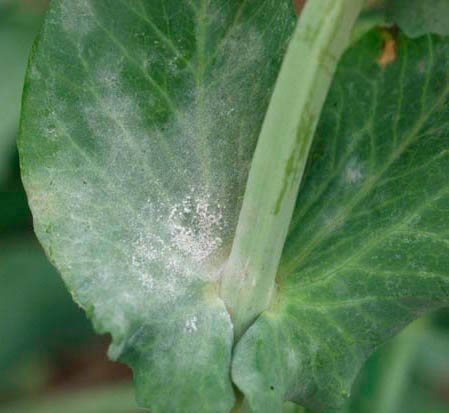
The most commonly used treatments are:
- Dusting shoots with lime.
- Wood ash dusting. A spray solution can also be used. To prepare the solution, mix one kilogram of ash with 10 liters of water.
- Fitosporin. To prepare a solution, mix 30 grams in 10 liters of water. Spray every 10 days until the problem disappears.
Affected leaves should be removed. Loosening the soil is also used as a preventative measure.
Ascochytosis
It manifests as white and dark spots on the leaves. Thickened areas form on the stems. The plant's growth slows and it becomes covered in brown lesions.
The following medications are used for treatment:
- Bordeaux mixture 1%;
- Mix 50 grams of copper sulfate and 100 grams of lime in 10 liters of water and spray every 10 days.
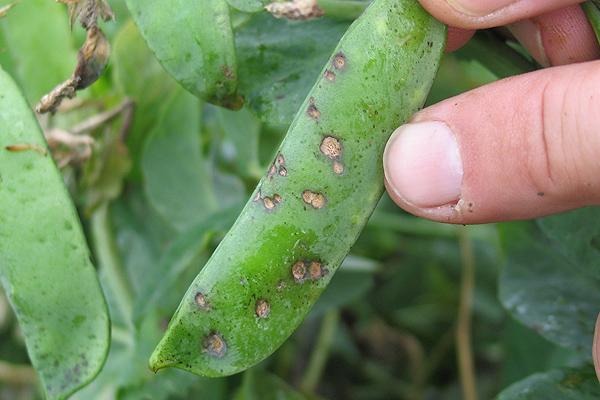
To reduce the occurrence of the disease, it is recommended to treat the planting material with an antiseptic before planting.
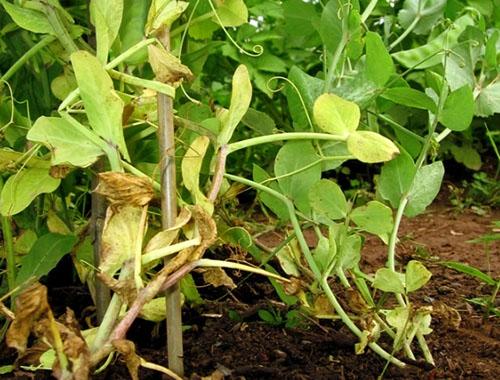
Root rot
It manifests itself as spots and growths on the roots and stems of the plant. The shoots lose their shape, and the plant dies. Treatment includes:
- solution of the drug "Ideal";
- the drug "Agricola".
An infected plant is virtually impossible to save, so the bushes are removed and burned. To prevent the disease, it is recommended to treat the seeds with the above-mentioned preparations or soak them in a manganese solution.
Rust
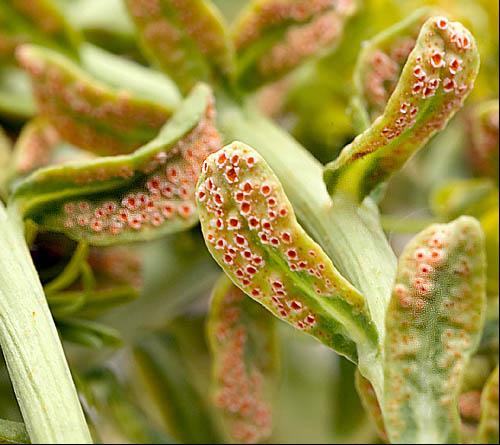
Most often, it appears during hot weather. Small brown spots appear on the plant's leaves, leading to complete damage and eventual death.
For treatment they use:
- the drug "Zaslon" (2 caps mixed with a liter of water);
- timely removal of weeds, which are carriers of infection.
It is recommended to treat the crop with a chemical preparation every 10 days.
Pests and treatment
Pest infestations can quickly lead to crop death. Special treatment methods are required to treat plants.
Pea moth
The pest appears during pea flowering. It resembles a small butterfly that lays eggs on the peas. The larvae damage the stems and peas.
To eliminate the pest, wood ash or tobacco dust is used, which is scattered between the beds.
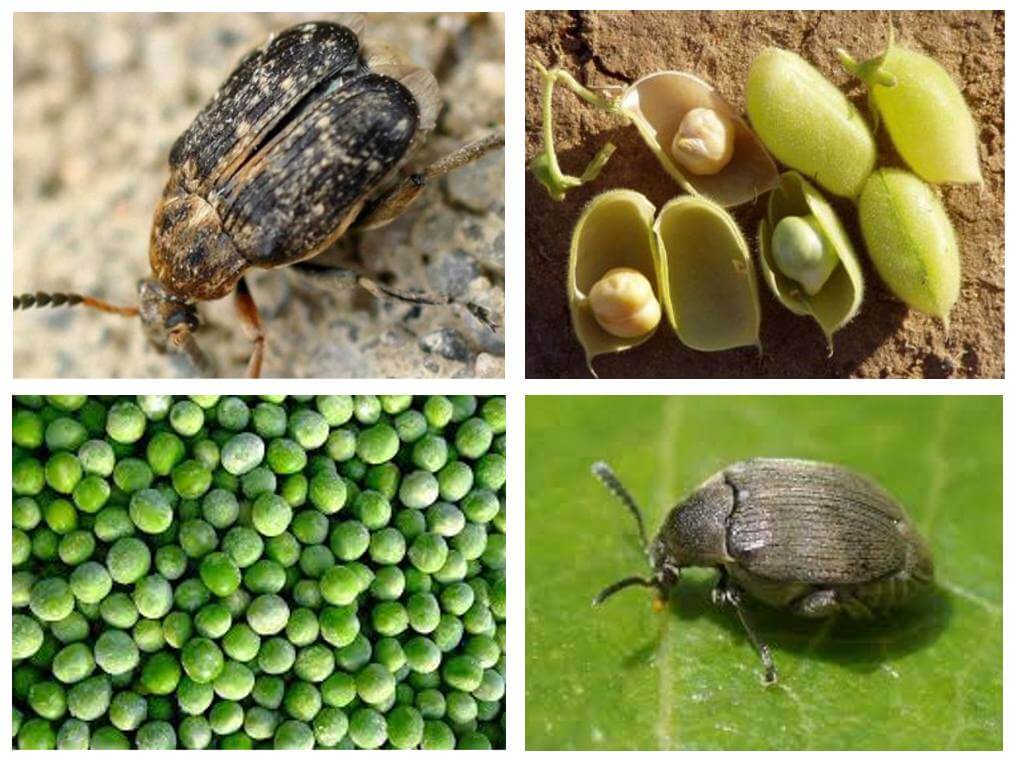
Pea weevil
The pest appears as a small beetle that lives in peas. To eliminate the insects, soak the seeds in salt water before sowing. Also, to prevent the pest, plant the plant as early as possible.
Acacia moth
A small butterfly that settles on plants and feeds on peas can reproduce quickly and move from one plant to another. To control them, carefully dig up the area and use insecticides against pests, such as Fufanon or Kamikaze.
Bird protection
This problem most often occurs immediately after planting peas and during bean ripening. To combat this, you can use a piece of tulle to cover the beds.
How to grow at home
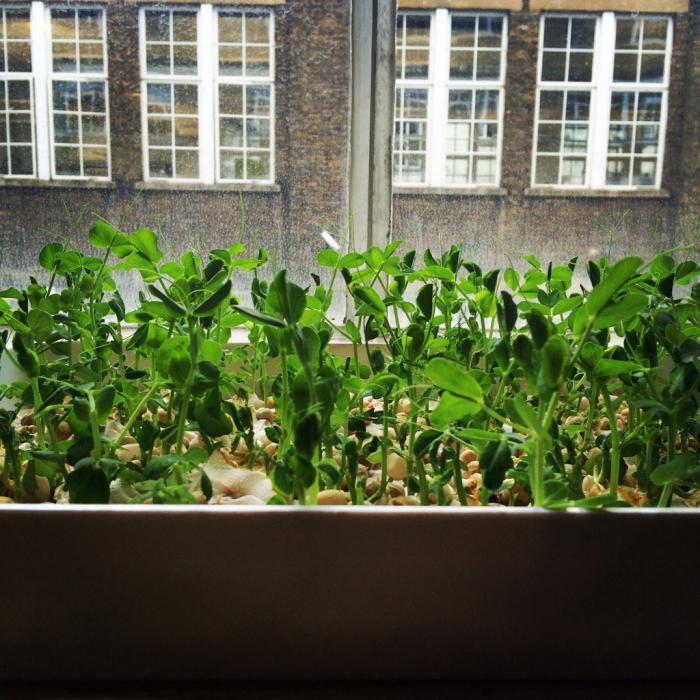
The growing method allows for harvesting at any time of year. Windowsills and glassed-in balconies are used for this purpose.
Preparation
Pea seeds are sorted and soaked in a salt solution. After removing any spoiled ones, the peas should be soaked in a growth activator for 24 hours. To speed up the sprouting process, the seeds should be germinated.
During the period when the seeds are germinating, it is necessary to prepare special containers for growing.
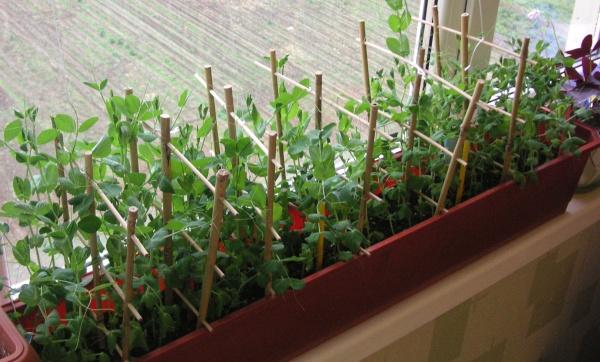
The best solution is to use an oblong box with holes in the bottom. Line the bottom with pebbles or coarse sand. In the fall, prepare the soil, mix it with turf, and spray it with a potassium permanganate solution to prevent any potential diseases.
Choosing a location
The container is most often placed on a windowsill. Therefore, a sunny location is chosen. If necessary, additional lighting can be provided using a special lamp.
Landing
After the seeds have sprouted, small holes are made in the planting tray and the seeds are placed in them, with a distance of at least 10 cm between the holes. The holes are then covered with soil and watered with warm water.
Care
Once seedlings emerge, apply superphosphate at a ratio of 20 grams per 5 liters of water. After inflorescences have formed, apply potassium fertilizer at a rate of 30 grams per 10 liters.
Watering is carried out every 4-5 days or as needed when the soil dries out.
Harvesting and storage of crops
Harvesting takes place in early or mid-June, depending on the variety.
How to collect
The pods are plucked from the bush and stored in wooden crates. In many cases, ripening of the fruit is uneven, so the harvest is carried out in several stages.
Storage Features
Peas should be stored in a cool place for no more than 5-7 days. To preserve their flavor, they should be processed immediately after harvesting.
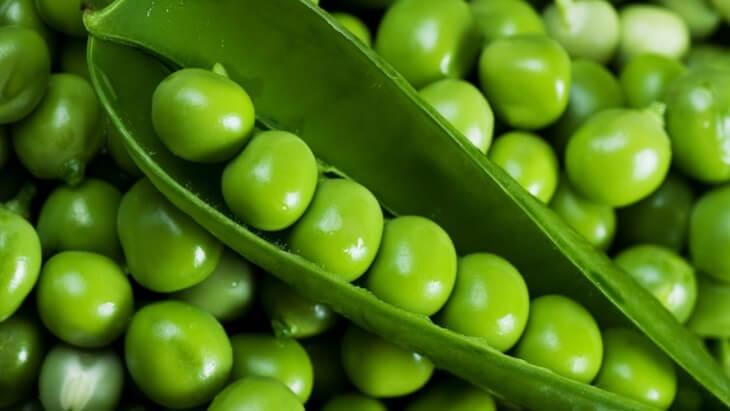 Important: To ensure the peas retain their flavor longer, it is recommended not to remove the pods.
Types and varieties
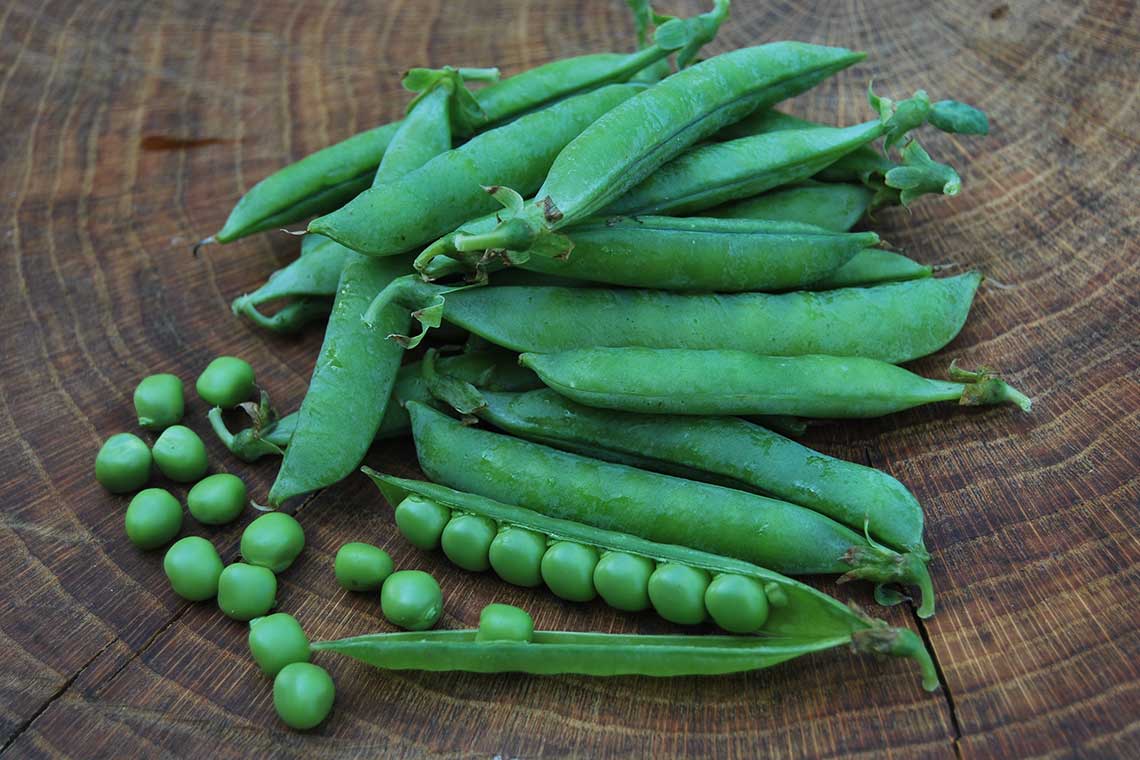
Like any crop, peas come in different varieties, which are divided into groups: brain peas, shelling peas, and sugar peas. Each variety has distinctive characteristics during ripening and unique flavors.
Shelling
They have a tough layer on the inside of their shells. Peas are large and grown for canning and fresh consumption.
Dakota
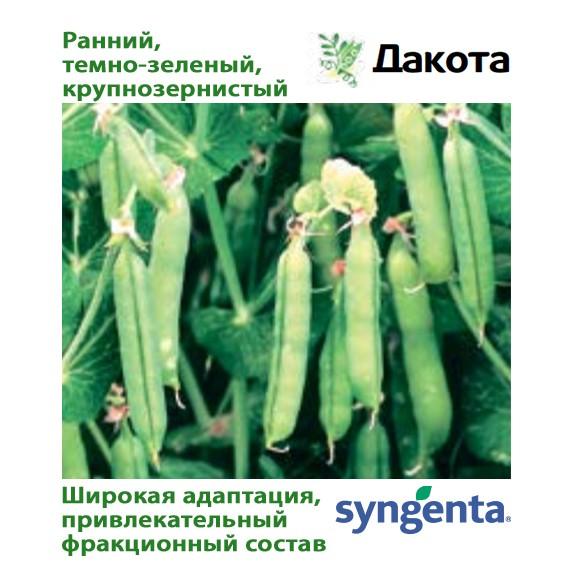
This is a high-yielding variety, ripening in 40-50 days after planting. The bush is 70-80 cm tall, so staking is necessary. The pods are large, containing 8-9 peas.
Vegetable miracle
The plant produces a stable harvest regardless of weather conditions. It can be eaten fresh or preserved. Each pod is 10 cm long, containing nine peas. The ripening period is 65 days.
Dinga
The crop has an average maturity period of 60 days after planting. The pods are large, containing up to 12 large peas.
Somerwood
This mid-late variety ripens in 65 days. The bush grows to 70 cm tall and requires no staking. Each pod contains 7-8 peas.
Geoff
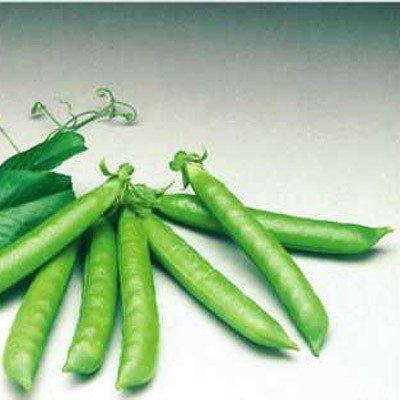
A late variety that ripens 90 days after planting. It has strong disease resistance. The pods are large, containing nine large peas each.
Bingo
Each pod contains 8 peas and has a delicate flavor. The plant grows to 65 cm tall, so no staking is required.
Sphere
This is an early variety, reaching a height of 80 cm. Therefore, staking is recommended. Each pod contains 8-9 peas. The plant has a strong immune system.
Era
This mid-late variety has sparsely branched peas. The peas can be used for canning. Each pod contains 6-7 small peas.
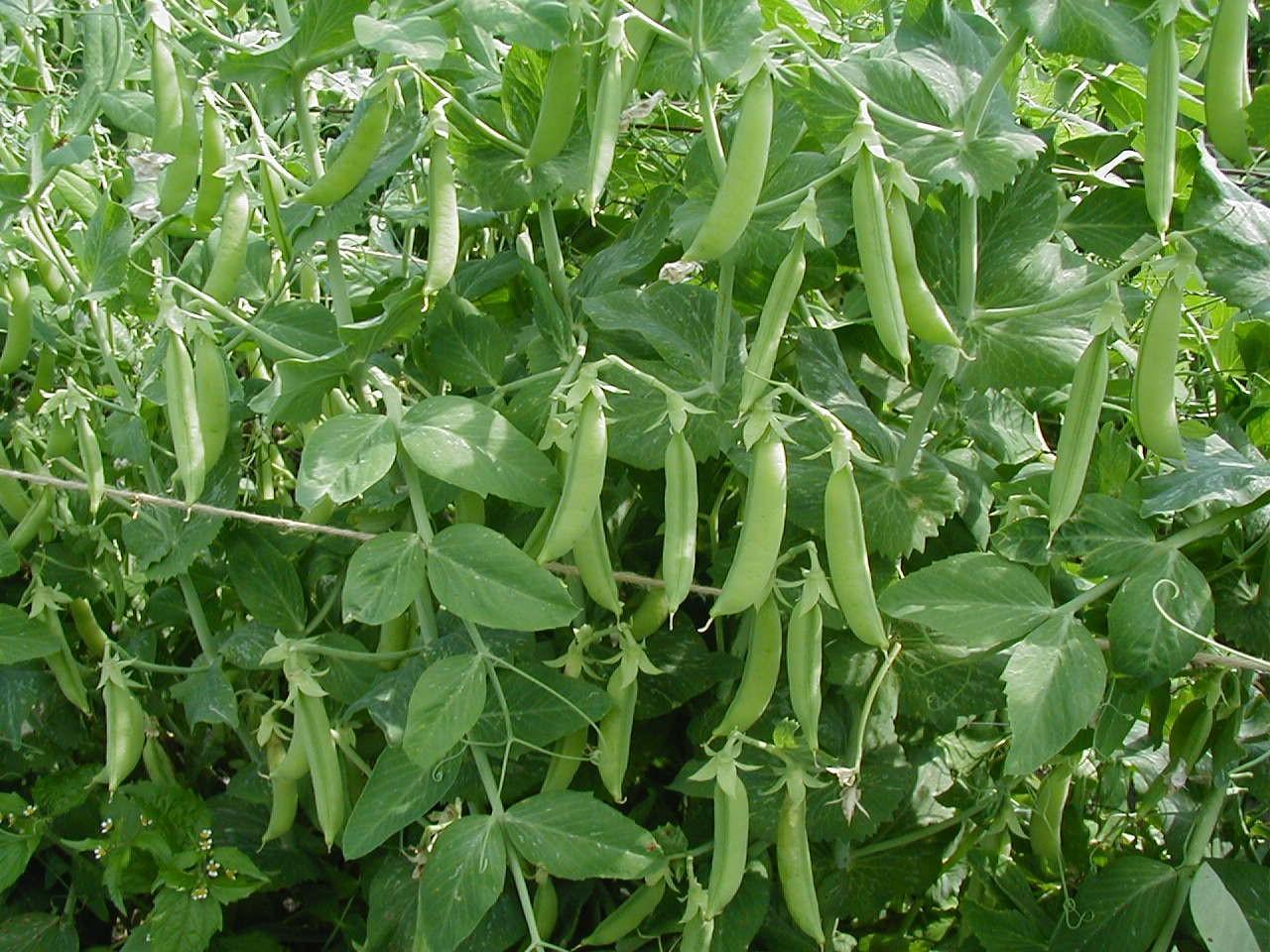
Sugar
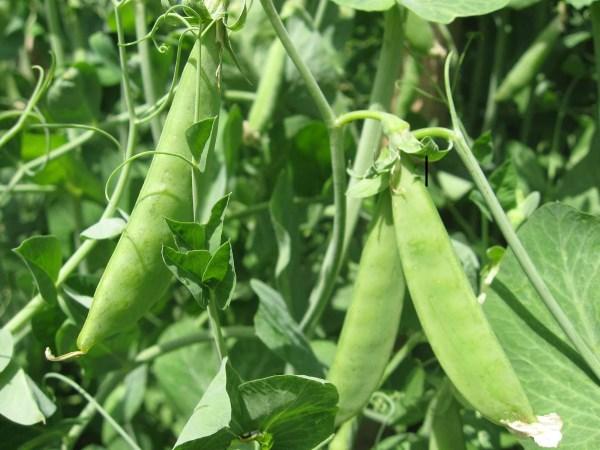
There is no hard layer on the valves, so the pod can be eaten whole.
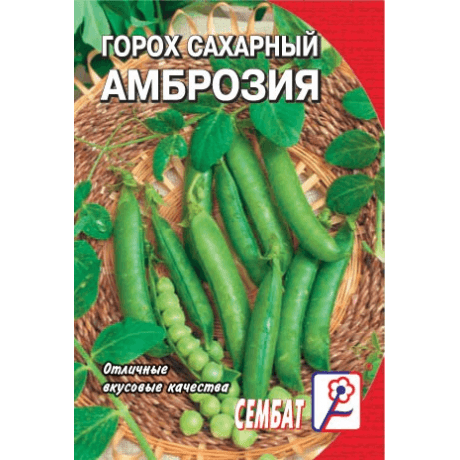
Ambrosia
The bush grows up to 70 cm tall, with curved pods containing eight peas each. The fleshy, sweet-tasting pods are used for canning and freezing.
Zhegalova 112
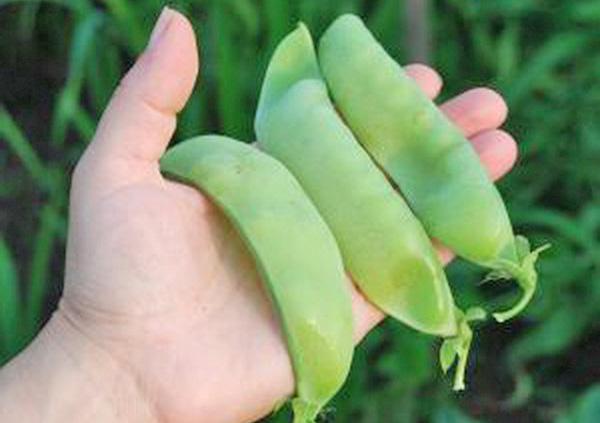
Peas are highly disease-resistant and are often used by gardeners. Each plant can contain up to 55 pods. Each pod contains eight peas, and the fleshy shells are edible.
Sugar Oregon
The ripening period is 55 days. The bush can reach a height of 1 meter, so staking is essential. The pods are large, containing 8 peas each.
The Miracle of Kelvedon
An early variety, the harvest can be done 45-47 days after planting. The plants are small, only 50 cm tall. The pods are juicy, containing nine large pods each.
Ambrosia
The bush grows to 75 cm tall and requires staking to prevent damage to the fruit. Each pod contains 8 peas.
Brain varieties
The distinctive feature of the variety is the shape of the peas, which acquire a wrinkled surface after ripening.
Alpha
Peas ripen 45-50 days after germination. They are highly productive with timely watering. The plants are small and require no support. Each pod contains 9 peas.
Telephone
A late-ripening variety, the ripening period is 100 days after planting. The pods are oblong and contain 9-10 peas. Staking is recommended.
Adagumsky
This mid-season variety has a growing season of 65 days. The bush grows up to 80 cm tall, so support is necessary when planting.
Faith
Allows harvesting within 45 days of planting. The pods are small, straight, and contain six peas. It is noted for its high yield and resistance to disease.
How it grows on an industrial scale
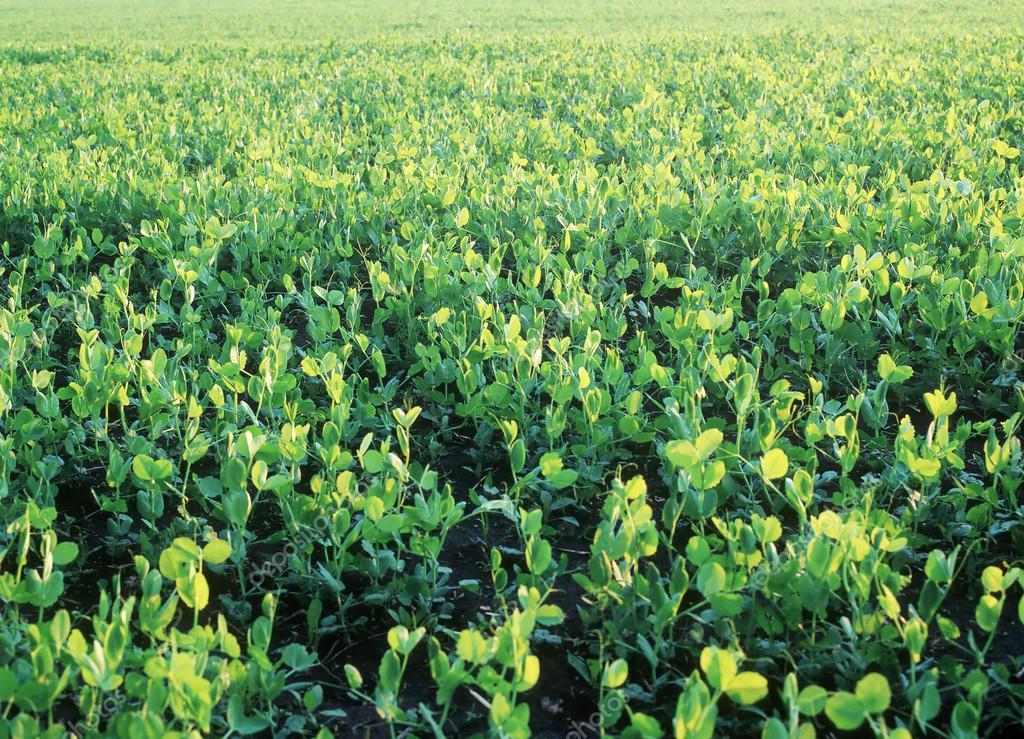
Modern technology makes it possible to quickly plant large areas of peas. Almost all regions grow peas in large quantities. The product is used for canning and as livestock feed in the form of grain pellets.
Planting diagram
Fully mature peas are used for planting. Varieties are planted based on their ripening period. Before planting, the field is plowed and cultivated. Then, the seed is planted into the soil using top-seeding drills.
Harrowing
Once the plant sprouts, reaching 10-15 cm, harrowing is performed. A special mechanized device is used to cultivate the soil between the beds. Harrowing is performed twice during the entire growing season.
Watering
During the entire ripening period, the crop is watered 3-4 times, using special installations that spray water in the required quantity.
Herbicides
Herbicides are applied before the plants flower. Herbicides against pests or weeds can be used. After flowering, the plants are not treated with chemicals.
Mechanized harvesting
Several types of harvesting can be used:
- use of combines that perform one-time harvesting;
- If the variety ripens unevenly, the peas are initially mown and stacked in windrows, after which, after a few days, the plants are processed using a combine.
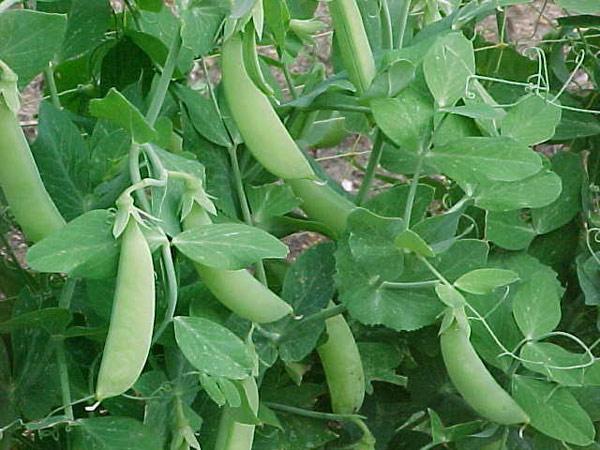
More often harvesting peas is held in mid-July.
Technological map for cultivation of field peas
| Procedure | Period | Values | Unit | Parameters |
| Autumn procedure | September | Soil cultivation depth: 25-27 cm | WHOLESALE - 3-5 | K-701 |
| Harrowing | A week before landing | Reduces weed growth. This is done transversely. | BMSh-15 | K-701 |
| Chemical exposure | 5 days before planting seeds | It is used to remove weeds if there is heavy contamination. | OPSH-15 | MTZ-80 |
| Fertilization and cultivation | It is carried out 3 days before sowing. | Soil impact depth 30 cm | PNB-75 | MTZ-80 |
| Processing substances for growth |
The day before landing | Gibberellin | MTZ-80 | |
| Harrowing | After emergence | 15 cm | KON-2.8PM | MTZ-80 |
| Harvesting | Within 3 days | After the crop has matured | ZhRB-4.2 |
Secrets of a Rich Harvest
To obtain a harvest, it is recommended to follow these tips:
- Divide the garden into 4 zones and regularly change the pea plantings;
- pinching is carried out after the plant reaches 20 cm, the top must be removed;
- Before planting the planting material into the soil, it is necessary to water the area with a urea solution;
- Before planting, peas are soaked in hydrogen peroxide, which is mixed with water in a ratio of 1:10.
To obtain a harvest, it is enough to regularly water and care for the crop, as well as select varieties with high yields.
Answers to questions
What are Austrian peas?
The Austrian variety is a winter-planted cultivar. The plant is used for farming purposes, but can also be used for food and preserves. It is characterized by its small size and delicate flavor.
A popular variety for growing in the garden?
A dacha is the ideal place to grow peas; absolutely any variety can be used. However, gardeners note that shelling varieties are the most suitable for dachas.
How many days does it take for unsprouted peas to sprout?
Pea seedlings typically emerge within 6 to 15 days, depending on weather conditions and plant variety. Peas are a popular plant that requires little care and boasts excellent flavor. With regular watering and cultivation, the crop produces a harvest that can be used for canning and cooking.
Related posts:
 How to properly plant peas in a greenhouse and open ground
 Description of varieties of sowing peas and cultivation, to which family they belong
 Description and characteristics of the best seeds of pea varieties and types
 Recipes for canning green peas for the winter at home and storage
 How to plant and grow peas indoors and in a greenhouse
 How to quickly sprout peas at home: benefits and harms, recipes
 How to plant, grow, and care for peas at home on a windowsill or balcony
 Description of pea pests and diseases, treatment and control measures