
Peas are a legume crop whose yield depends on soil fertility. Fertilizing can be done in various ways. The soil should be cultivated in the fall after harvesting, and planting should begin in the spring. If spring is late, consider using nitrogen-rich fertilizers. These additives promote root development.
Fertilizing the soil before planting
Peas can be planted after growing tomatoes, melons, potatoes and cucumbers.
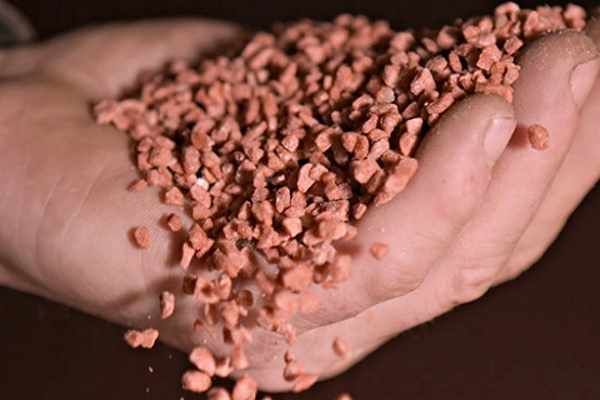
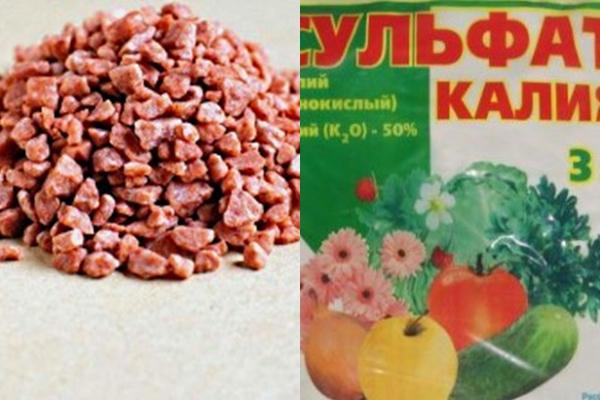
Peas grow well in deeply tilled soil containing humus and lime. Before planting, you can apply pesticides at a rate of one teaspoon of potassium sulfate, superphosphate, and a nitrogen-containing additive per square meter.
After this, you can proceed to digging the soil or plowing.
As for organic amendments, opinions are divided. Experienced gardeners recommend sowing peas as a second crop after applying organic matter.
Seed treatment
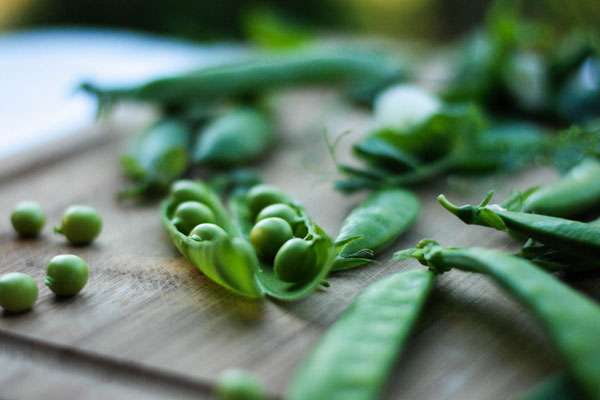
Seeds for planting must be of high quality. Any affected, diseased, or undersized seeds should be removed.
It's important to decide on a planting method. Both pre-soaking and sowing dry seeds are common. Gardeners say the latter option is more suitable. The seeds retain moisture in the soil for a long time and subsequently produce a good harvest.
Immediately before planting, the seeds are treated with a bacterial fertilizer: Nitragin or Rhizotorfin, which promote better development of the root system.
Features of fertilization on different soils
Peas are an undemanding crop and grow almost anywhere. They are not recommended for planting in acidic or sandy soils. High acidity prevents the plant from growing and gaining strength. The soil can promote infection.
If the soil is unfavorable, it must be treated with lime. The recommended dosage is 400 grams of lime per square meter.
The ideal option for sowing is soil that retains moisture and contains a lot of humus.
Peas have a developed root system, so groundwater should be avoided in the planting area. If the roots reach the water and accumulate too much moisture, this will trigger shoot rot.
Top dressing
Experienced gardeners recommend feeding peas twice a year with organic additives.
In open ground
When growing peas outdoors, the first feeding is done when the plant begins to flower. The recommended dosage is 1 tablespoon per 10 liters of water. One square meter requires approximately three liters of liquid.
Fertilize by watering the peas directly at the roots. If using a watering can, remove the strainer.
Sometimes this procedure is combined with the application of organic fertilizers to stimulate growth. The fertilizer is sprayed using a spray bottle, distributing it over the green portion of the shoots. A key feature of growth stimulants is that they should not be used in sunny weather. It is best to apply the fertilizer early in the morning or late in the evening. Repeat the application when the first fruit appears.
In the greenhouse
The first feeding is done with mineral supplements when the sprouts reach 5 centimeters. The approximate application rate is 25 grams per square meter. Sprinkle pesticides over the planting, then thoroughly moisten the surface.
Repeat treatment is carried out with the same mixture, only in liquid form. The proportions are: 1 tablespoon per 10 liters of water.
On the windowsill
At growing peas at home It also requires constant fertilization. Potassium-phosphorus fertilizers are most often used.
Types of fertilizers
Today, the choice of nutritional supplements is wide.
Organic
It is applied in the autumn, during the main tillage of the soil.
Phosphorus-potassium
It is applied in the autumn during plantation treatment. Phosphate rock flour is used most often.
Microelements
Seeds are most often treated. They are sprayed immediately before planting. Either ammonium molybdate or boric acid is used. This procedure is mandatory; if the soil is acidic, lime treatment is necessary.
Bacterial
To achieve good results, bacterial fertilizers are used. Nitragin, Azotobacterin, and Phosphobacterin are most commonly used.
Methods of processing and dosage
The pea fertilization system involves the use of different processing methods:
- soil cultivation by pouring liquid fertilizers;
- distribution of fertilizer over the soil followed by watering;
- inter-row cultivation;
- root feeding;
- spraying shoots.
To determine the correct dosage, please refer to the instructions. The approximate dosage for liquid organic fertilizers is 1 tablespoon per 10 liters of water.
If phosphate rock is used, then up to 500 grams of flour is required per 10 square meters.
Safety during processing
If special rules are not followed during processing, fertilizers can be harmful to humans.
You can avoid negative consequences by following these rules:
- Weeding and loosening the soil after treatment with pesticides is prohibited.
- It is better to wear special protective clothing during processing.
- When diluting and fertilizing, wear rubber gloves only.
- Observe the proportions and dosage, information is contained in the instructions.
- After treatment, wash your hands and face with soap and rinse your mouth.
- To protect your respiratory system when spraying, you will need to wear a respirator.
Peas as fertilizer
Peas enrich the soil with nitrogen compounds. The tubers that emerge from the plant's root system are rich in microorganisms, which improve soil fertility.
After harvesting, the plant is removed, leaving the soil enriched with nitrogen. The soil no longer requires additional fertilizer. The following year, this bed can be planted with another crop. Peas are a good precursor for many crops.
It is not recommended to grow peas in the same area twice.
Some gardeners grow peas specifically as fertilizer. They're an excellent substitute for manure. Peas are planted as usual and watered well. As soon as the first shoots appear, the soil should be dug or plowed. During this period, the crop contains a large amount of nutrients.
Related posts:
 Description of varieties of sowing peas and cultivation, to which family they belong
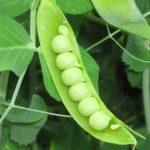 How to propagate and grow peas, cultivation technology, and care in open ground
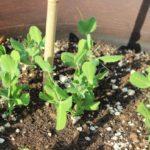 How to properly plant peas in a greenhouse and open ground
 Description and characteristics of the best seeds of pea varieties and types
 Recipes for canning green peas for the winter at home and storage
 How to quickly sprout peas at home: benefits and harms, recipes
 How to plant peas in winter and is it possible?
 How to choose and use mung peas, their beneficial properties in folk medicine, cooking, and cosmetology

The article is certainly excellent, and many will find it useful. But I believe that using only potassium fertilizers, which are already used for fertilizing absolutely everything, would be wrong. There are products such as BioGrowIt's a wonderful activator, nourishing the soil with everything it needs for growth. And don't get hung up on potassium salt.