
Legume green manure is the best organic fertilizer for restoring soil composition. Legumes accumulate nitrogen and nutrients, then replenish them into the soil. A strong root system makes the soil breathable. Peas, an annual plant with vigorous growth, are ideal for use as green manure. They minimize weed growth and inhibit pathogenic bacteria.
Benefits of peas as green manure
The main advantage is the effectiveness of its use in restoring the composition of the soil, thanks to the intensive growth of the plant.
Benefits of peas for improving soil quality:
- quickly improves soil quality;
- improves soil structure;
- Peas attract beneficial insects that help control garden pests;
- frost resistance;
- easy to grow;
- rapid growth;
- shades the surface of the earth, which helps protect it from overheating;
- low cost of planting material;
- gives excellent results in increasing soil fertility;
- ease of harvesting, which does not require special equipment;
- increases the activity of beneficial microflora;
- produces a rich, tasty harvest.
By enriching the soil, green manure reduces weeds and acts as a good preventative against pathogenic bacteria. Besides these benefits, it rewards gardeners with a bountiful, delicious harvest.
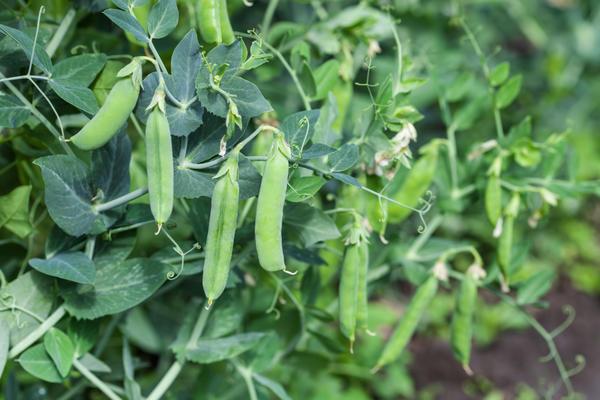
How do they affect the soil?
As peas grow, natural drainage and soil loosening occur, allowing water and air to penetrate more easily. Subsequently, plants planted in the green manure area will grow better and take root through the air passages created by the peas.
The root system prevents:
- soil erosion;
- weed growth;
- soil cracking.
The legume plant helps to replenish the nutritional value of the soil and saturates it:
- potassium;
- nitrogen;
- starch;
- microelements;
- phosphorus.
Take a look Also
Green manure is a wonderful alternative to chemical fertilizers, ideal for gardeners who practice natural farming.
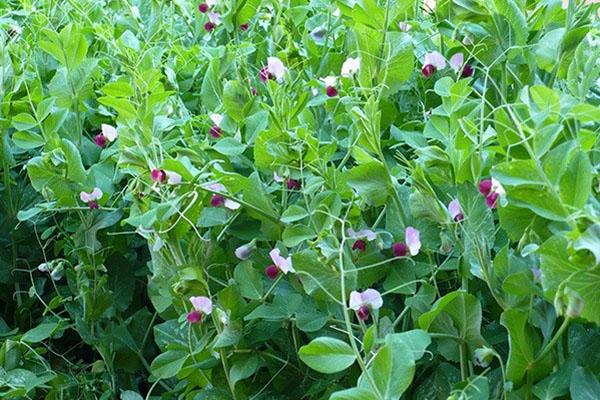 The decomposition of crop residues can only occur in moist soil. Therefore, to achieve the desired effect, regular additional irrigation is necessary.
Gardeners cover the soil under perennials with dried stems. This makes a good mulch, helping protect the soil from freezing in winter and making it easier for perennials to withstand seasonal frosts.
When and where to plant peas for green manure
As a green manure, it's recommended to plant peas in an unused area this season. This will allow the soil to rest and become enriched with organic matter, which will help ensure a bountiful harvest next year.
Green manure is sown:
- before planting the main crop;
- after harvesting the main crop.
The best time is spring. Peas are sown when the danger of frost has passed. In most regions, this is the second half of May. To extend the peas' growth period, replant the seeds two weeks after the initial planting.
You can also plant the crop in July, after the winter or early vegetable harvest. The plant is not cold-tolerant, so there's no point in planting it in the fall. Planting peas in the second half of summer increases the risk of pest and disease damage. Spring sowing is less susceptible to disease.
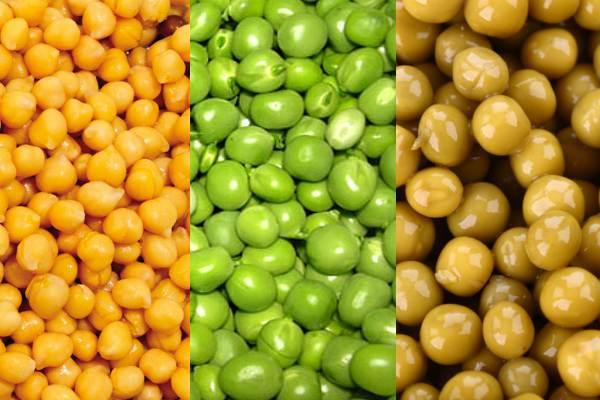
Legumes can be sown in any soil:
- heavy;
- light;
- dense;
- sandy.
It is not recommended to sow green manure twice in the same place.
The crop prefers soil that has been planted after tomatoes and potatoes. Seeds are planted dry. To increase germination, it is recommended to soak the seeds in water for 4 hours.
Recommendations for planting seeds:
- planted to a depth of 5 centimeters;
- the distance between rows is 25 centimeters;
- 100 peas are distributed per square meter;
- the distance between seeds is 3 centimeters.
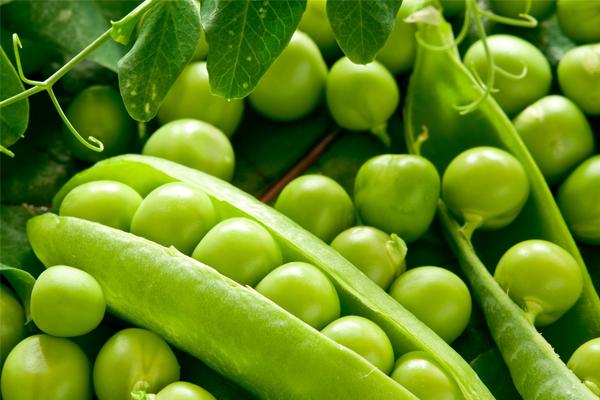
Care instructions:
- additional support is provided for the shoots to grow;
- water the plant only during periods of drought;
- Because birds love to eat seeds, it is recommended to put up a cover over the bed before the seedlings appear;
- Weeds around the plant are periodically removed.
Because of its climbing stems, it is often planted alongside supporting plants, such as:
- oats;
- corn;
- Sudan grass.
To prevent pea disease, it is recommended to plant basil or mustard nearby, which repel the main pests of legumes.
What crops is it suitable for?
The following crops grow well in the beds after green manure:
- cereals;
- nightshade.
Most often, after peas, they plant:
- potato;
- pepper;
- strawberries;
- tomatoes;
- strawberries;
- cauliflower;
- cucumbers;
- white cabbage.
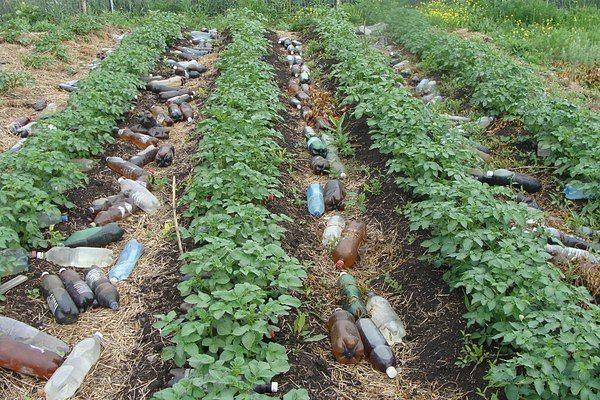
The plant quickly goes dormant, so it's cut back while green. Its extensive root system and decayed shoots help enrich the soil with nutrients needed for the growth of other crops. It also makes the soil airy and light.
When and how to harvest green manure peas
Mow the grown greens three weeks before planting winter crops. To create a natural fertilizer, chop the stems and steep them in boiling water for a week and a half. The resulting mass is a valuable source of potassium and nitrogen.
Green manure is grown in beds until the main garden crops are ready to be planted. Peas fully mature 12 weeks after sowing.
Options pea harvesting:
- The simplest method is to simply dig the beds. The plant is buried in the soil, and the main crop is planted on top.
- Using a flat-cutter, cut the plant stems two centimeters below ground level. Vegetables are then planted. The tops are used to mulch the soil.
- Dig holes next to the main crop and plant peas in them. After the green manure sprouts 5 centimeters, cut the shoots and lay them out in the garden bed. This method is the most labor-intensive, but the most effective.
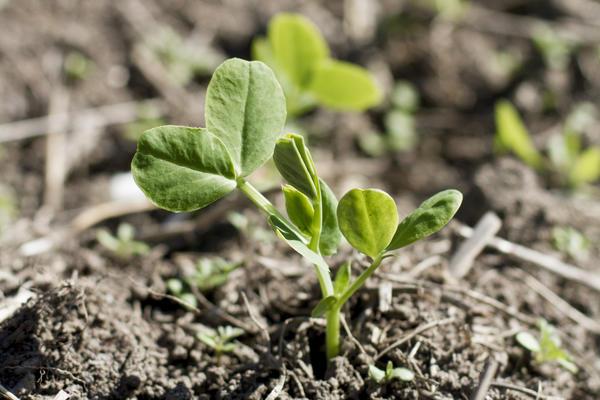
What diseases and pests does it help against?
Legumes help in the fight against insects:
- Wireworm larvae thrive in acidic soil and pose a significant threat to potatoes. The insect doesn't tolerate proximity to legumes, so peas are considered an effective pest control.
- The green manure area attracts a variety of beneficial insects that feed on onion mites. This is due to the pea's honey-producing properties.
- The plant loosens the soil and clears the beds of nematodes.
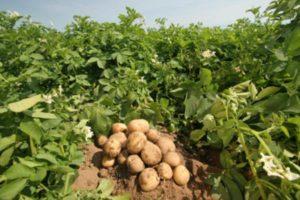
Green manure prevents the development of fungal and bacterial diseases. If you plant a plant from the same family next, there's a higher risk of viral diseases.
Related posts:
 Description of varieties of sowing peas and cultivation, to which family they belong
 How to propagate and grow peas, cultivation technology, and care in open ground
 How to properly plant peas in a greenhouse and open ground
 Description and characteristics of the best seeds of pea varieties and types
 Recipes for canning green peas for the winter at home and storage
 What are green manure crops and which ones are best for the garden, when to sow and bury
 How to quickly sprout peas at home: benefits and harms, recipes
 Useful properties of phacelia and its use as green manure, planting and care