
- Description of green manure and what it is used for
- Varieties
- How do they affect different types of soil?
- Their main properties and when to plant
- Mustard and rapeseed
- Oats
- Crimson amaranth
- Rye
- Sunflower
- Multi-flowered ryegrass
- Buckwheat
- Radish
- Bob is Russian
- Sweet clover
- Vetch
- Marigold
- Tansy phacelia
- Lupine
- Clover
- Serradella
- Peas
- How and where to plant
- Selection of green manure for different crops
- For potatoes
- For tomatoes
- For cabbage
- For cucumbers
- What diseases and pests does it help against?
- When and how to remove them correctly
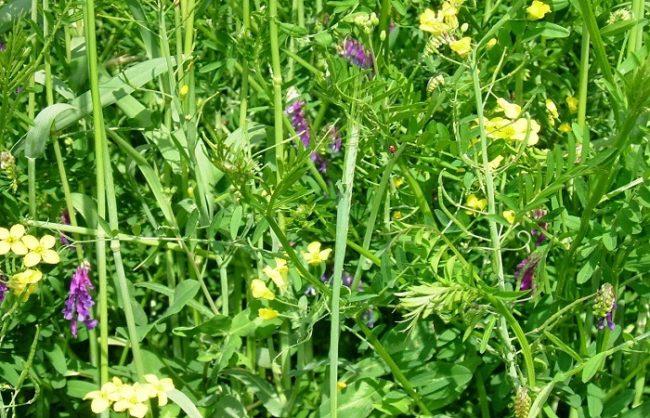
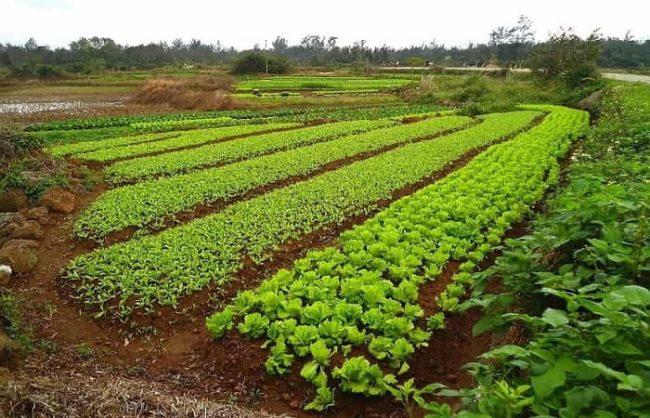
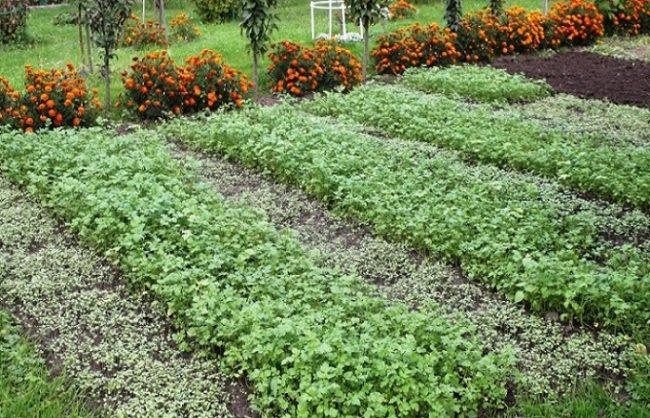
Using green manure in the garden is considered an effective way to improve soil fertility. These plants can be planted in open spaces or in beds with cultivated plants. The lush greenery is then cut and incorporated into the soil. This technique helps enrich the soil with valuable nitrogen, suppress weed growth, and prevent the development of bacterial and fungal diseases.
Description of green manure and what it is used for
Green manure is a group of plants used as a natural fertilizer. They're quite easy to use. The greens need to be allowed to grow, then cut, spread evenly over the area, and then dug in.
As it decomposes, the mass will saturate the soil with useful substances, which are subsequently used by cultivated plants.
This natural fertilizer is completely safe for plants. Many green manures can be planted from spring to fall—for example, in beds from which the harvest has been collected. They can also be placed in the garden—under trees and between bushes.
Green manure has many beneficial properties. These include the following:
- Improving soil fertility. These plants rapidly grow greenery. Once incorporated into the soil, the grass gradually decomposes, leading to the formation of humus. This stimulates the active reproduction of beneficial microorganisms and earthworms.
- Improving soil structure. The root systems of many green manure crops penetrate deep into the soil, improving its structure. As a result, the soil becomes looser and more permeable to moisture and air.
- Weed suppression. Green manures rapidly grow greenery. Since these plants are recommended to be planted fairly densely, they create good shade. Weeds cannot grow without light. Furthermore, certain varieties secrete special substances into the soil that suppress the germination of harmful crops.
- Reducing the risk of disease and pest attacks. Some green manure crops produce substances that repel pests. For example, radishes help get rid of nematodes, and mustard protects beds from scab.
- Increased plant yield. Many green manure crops are considered excellent honey plants. They attract bees, which pollinate vegetable plants, trees, and shrubs. This promotes increased fruit set. Furthermore, yields increase due to the enrichment of the soil with organic matter.
Varieties
The following plant species are acceptable to use as green manure:
- legumes – these include chickpeas, beans, peas, soybeans, and lentils;
- cereals - these include wheat, rye, barley, oats;
- hydrophilic - this group includes phacelia;
- cruciferous vegetables - these include mustard, rapeseed, and rapeseed;
- Asteraceae – this category includes calendula and sunflower;
- buckwheat - this includes buckwheat;
- Amaranthaceae - this group includes amaranth and amaranth.
How do they affect different types of soil?
Green manure crops enrich the soil with nutrients and improve its structure. Furthermore, these plants have a selective effect on different soil types, altering their composition and acidity.
Legumes are suitable for all types of soil, from light sandy soil to fairly heavy and dense soil. They help loosen the soil and enrich it with nitrogen. Legume green manures also prevent weed growth and help clear the area of nematodes.
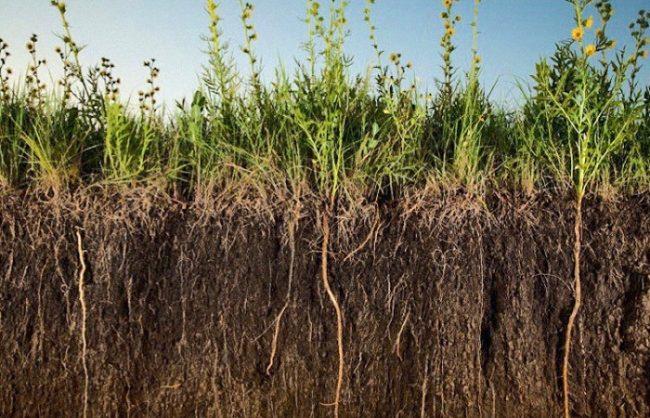
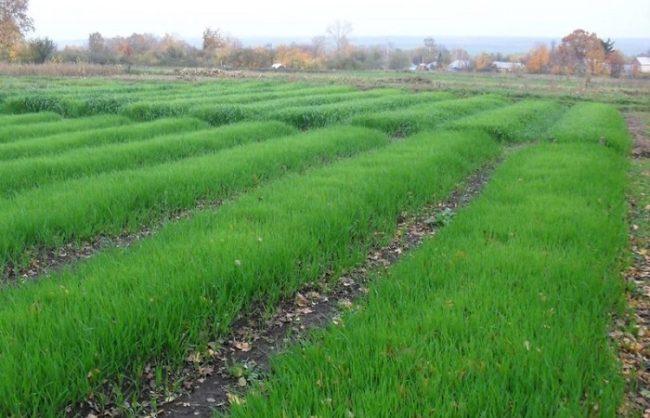
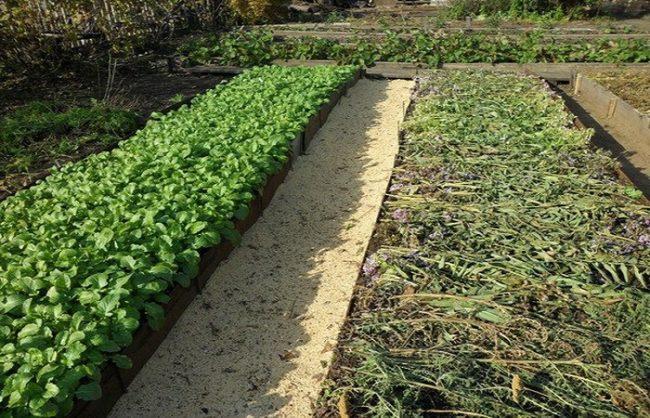
Cereals are suitable for all soil types, including sandy and loamy soils. These plants improve soil permeability, replenish nitrogen and potassium reserves, and prevent soil leaching. Cereals are best grown in acidic soils.
Cruciferous green manures help improve the quality of all types of soil, with the exception of highly acidic soil. These products promote foliar growth, while their root system acts as a natural loosening agent.
Rapeseed is considered the most demanding green manure crop. It cannot grow in poor or waterlogged soil with high acidity.
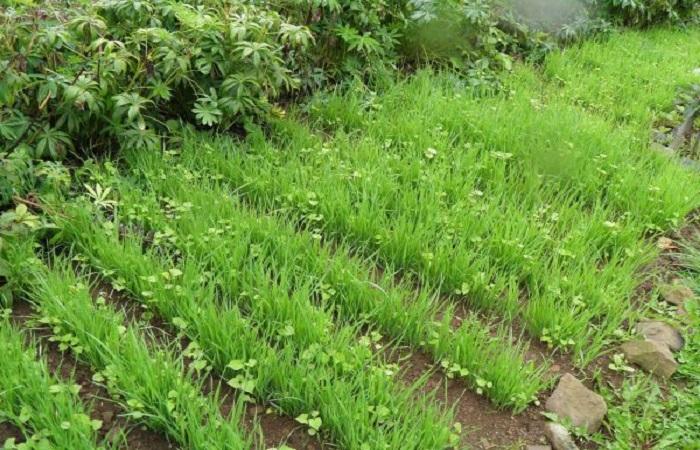
Buckwheat green manure helps make the soil lighter. It helps enrich poor soil with phosphorus, potassium, and organic compounds.
The root system of amaranth plants has a loosening effect. They increase soil fertility and supply crops with nitrogen.
Their main properties and when to plant
Green manure crops include a wide variety of plants, each with unique properties. This allows every gardener to choose the most suitable option.
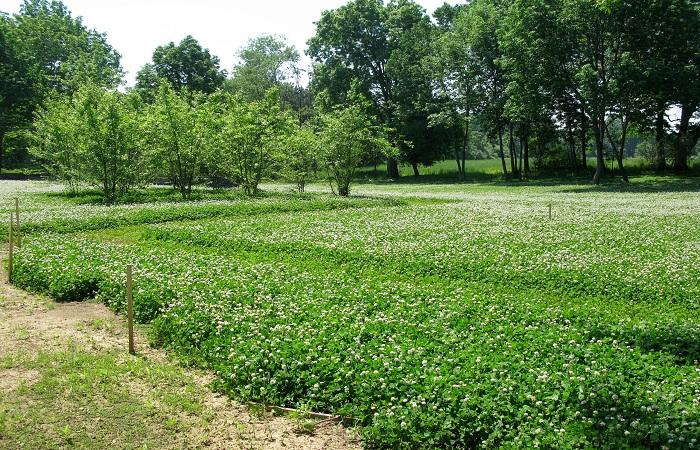
Mustard and rapeseed
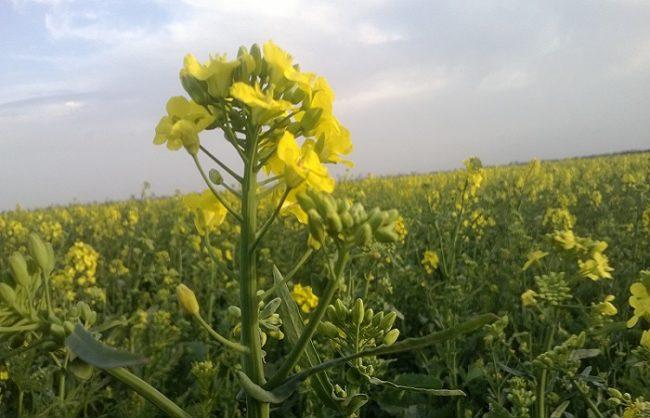
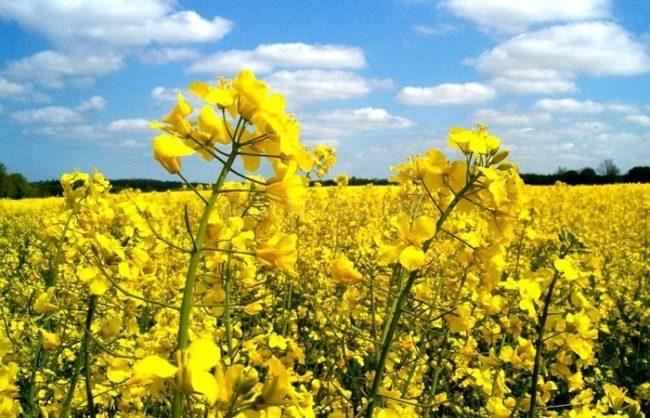
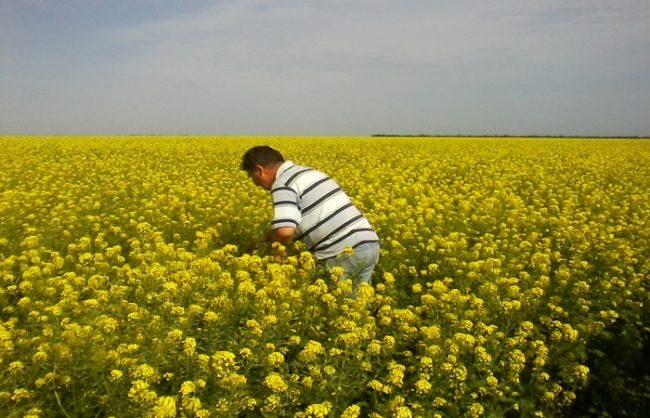
Mustard is considered a very popular crop. It can be planted from spring to fall. In spring, planting should begin immediately after the snow melts. It takes 1.5-2 months from sowing to technical maturity. Main crops can be planted just two weeks after mowing and plowing the greens into the soil. Mustard is known for its rapid growth of green mass and effectively suppresses weed growth.
Rapeseed can also be used as a green manure crop. It can be grown in winter or spring. Planting times vary depending on the variety. However, both types work similarly. They help enrich the soil with sulfur, phosphorus, and organic matter. Furthermore, rapeseed attracts bees and other pollinators. It helps kill wireworms and suppress the development of scab and rhizoctonia.
Spring rape is recommended for planting in mid-April. Winter varieties should be sown in late August. This green manure is considered an excellent precursor to potatoes. However, it should not be planted before or after cruciferous crops.
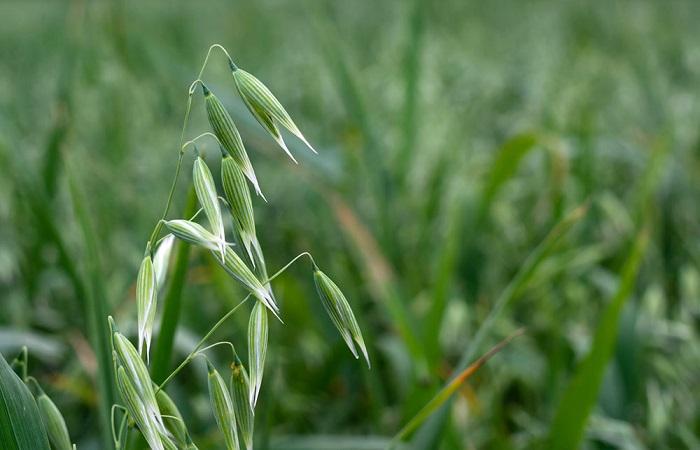
Oats
This green manure enriches the soil with valuable organic matter. It also serves as a source of phosphorus and potassium. To supply the soil with nitrogen, oats are recommended to be combined with vetch or peas. This plant thrives in all types of soil—sandy, clay, peat, and black soil.
The crop's root system helps loosen even the most compacted soil, providing it with air and moisture. Thanks to the strengthening properties of its roots, oats help protect light soils from erosion and improve water absorption by plants. Furthermore, the roots of this cereal contain a substance that can suppress pathogens that cause root rot, fungal, and bacterial diseases.
Oats should be planted in mid-spring, most often in April. It's recommended to plant the crop before winter in the first half of September. When planting in rows, the seeding rate is 10 grams per square meter.
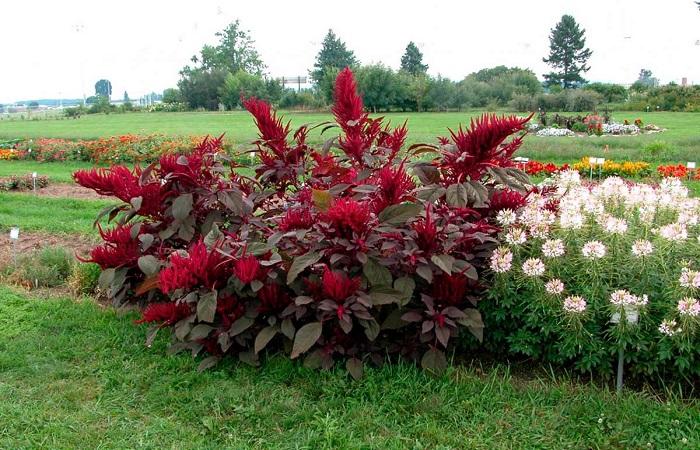
Crimson amaranth
This flowering plant enriches the soil with humus and promotes the growth of beneficial microorganisms. Its decorative properties are an added benefit. Furthermore, this green manure requires no watering. It is recommended to plant it in mid-July.
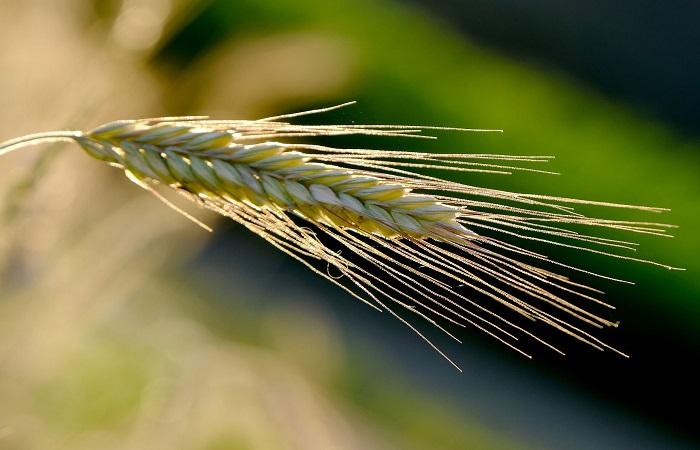
Rye
This green manure enriches the soil with organic matter. It also serves as a source of nitrogen and potassium. Another benefit of this plant is its ability to protect the garden from the dangerous weed creeping wheatgrass. Winter rye is recommended to be planted in late August or September. Use 20 grams of seeds per square meter. Mow the plant in the spring or summer of the following year.
Sunflower
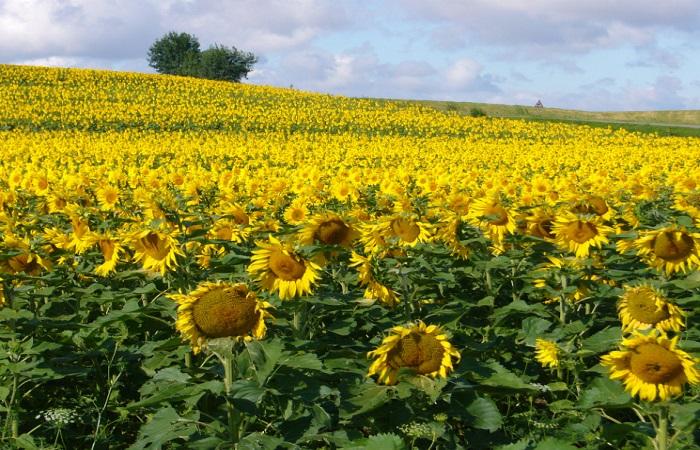
Dwarf sunflowers are commonly used as green manure. They are easier to dig. Using this crop significantly increases the humus content of the soil. Sunflowers can be planted in average soil. They are considered an excellent honey plant and have excellent ornamental qualities. It is recommended to plant this green manure in July.
Multi-flowered ryegrass
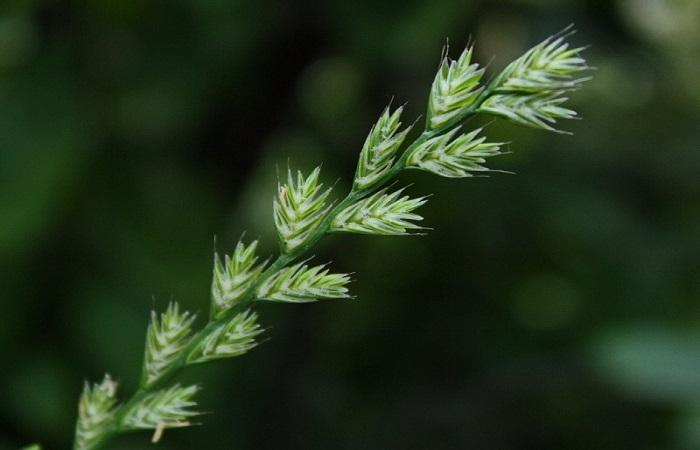
This forage grain is considered an excellent source of nitrogen and humus. It can significantly improve soil structure. After this green manure, any vegetable crops can be grown. Planting is recommended in August.
Buckwheat
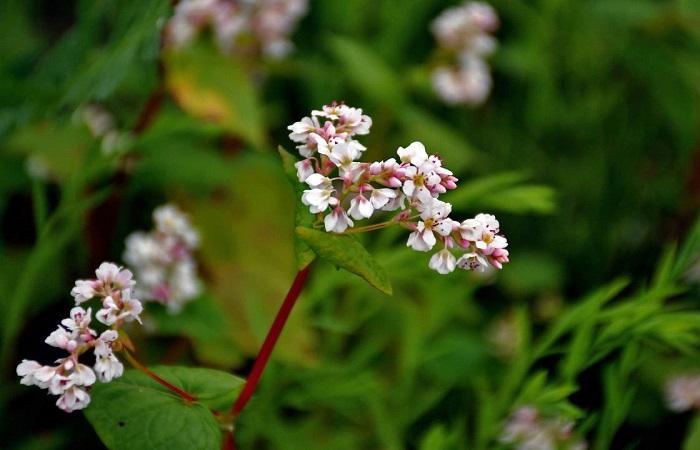
This plant is extremely beneficial to the soil. It prevents erosion, reduces weed infestation, and helps control soil-dwelling pests. Buckwheat is also an excellent honey plant.
It's important to note that this green manure only thrives in fertile soil. Dry or overly wet soil is unsuitable for it. Planting is recommended in April and May.
Radish
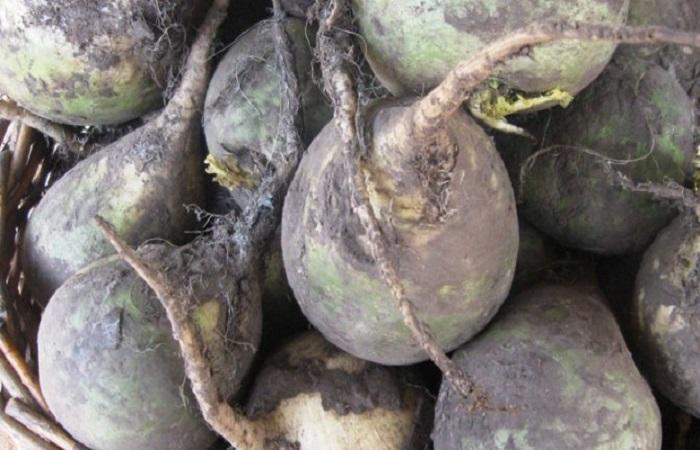
This plant enriches the soil with nitrogen and loosens its structure. Radish helps form a large amount of humus. It also helps limit the occurrence of nematodes.
It's important to note that this crop doesn't grow well in dry soil. It also doesn't tolerate overly wet or overly acidic soil. Plants from the Brassicaceae family should not be planted after radishes. It's recommended to sow this green manure crop between August 10 and 30.
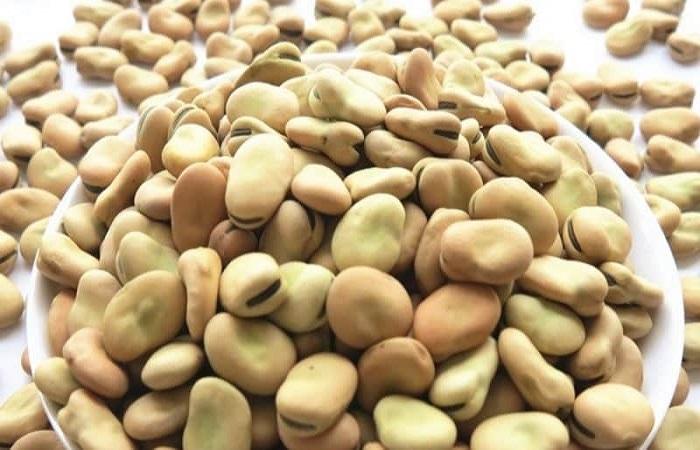
Bob is Russian
This is one of the most effective green manures. Russian bean has long roots that ensure proper soil drainage. The plant is tolerant of high soil moisture. It can be planted in heavy soil with a neutral pH. However, beans, peas, and other legumes should not be planted after the plant. It is recommended to plant green manure in early spring.
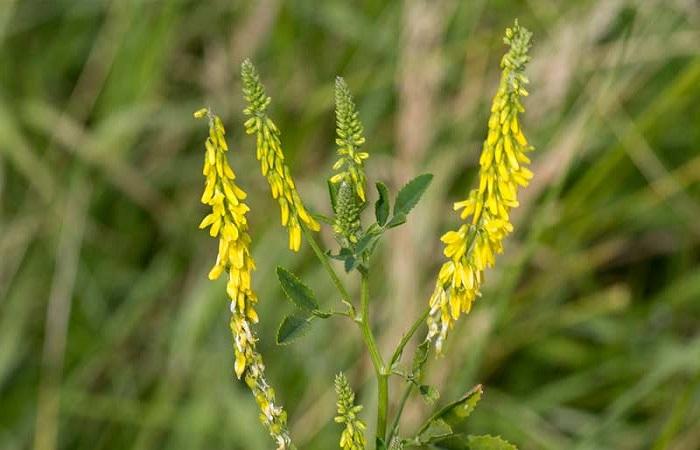
Sweet clover
This herbaceous plant is ideal for repelling rodents. It produces special substances called coumarins, which repel mice and voles. Sweet clover is usually planted as a green manure after the main crop has been harvested. Its pronounced honey-producing properties are considered an additional benefit.
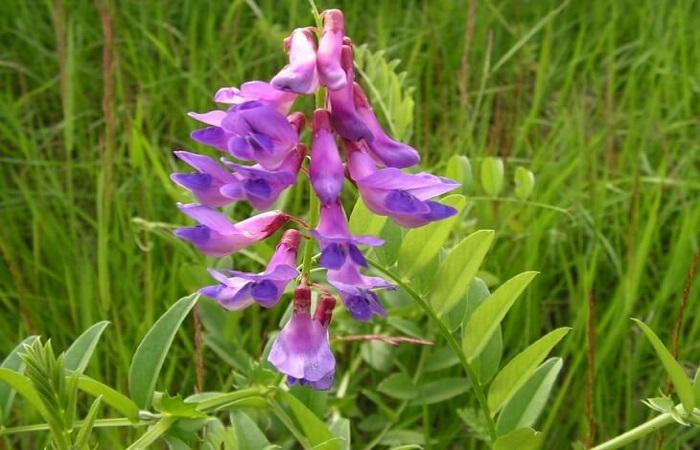
Vetch
This legume enriches the soil with nitrogen. It also provides reliable protection against soil erosion. Spring vetch varieties are recommended to be planted in June. Winter vetch should be sown in late October. Plant 15 grams of seeds per square meter. Since vetch is a climbing crop, it should be combined with other green manure crops such as oats, mustard, and barley.
Marigold
Marigolds are often grown in gardens. However, not everyone knows that these flowers help cleanse the soil of nematodes. The plant's root system produces compounds that are toxic to these pests. It is recommended to plant marigolds in April and May.

Tansy phacelia
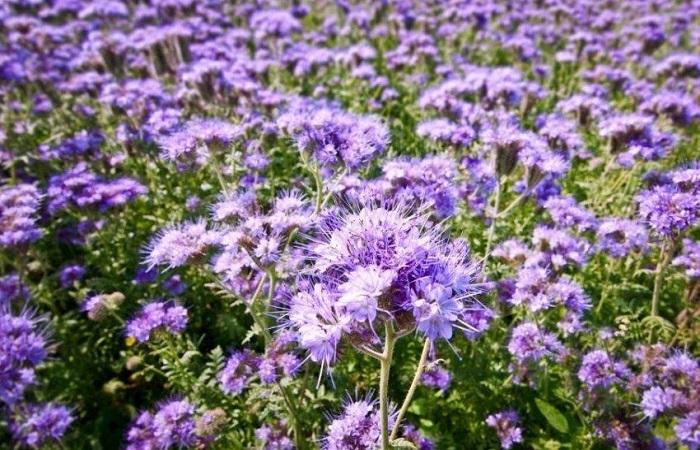
This versatile green manure can be planted before any crop. Phacelia is considered low-maintenance and is tolerant of low temperatures and drought.
It is recommended to plant the plant's seeds in the spring, immediately after the snow melts. Use 1.5-2 grams of seeds per square meter. The plant thrives in clay, peat, sand, and even rocky soils. Phacelia easily loosens compacted soils and strengthens light soils. An additional benefit of the plant is its ability to reduce acidity.
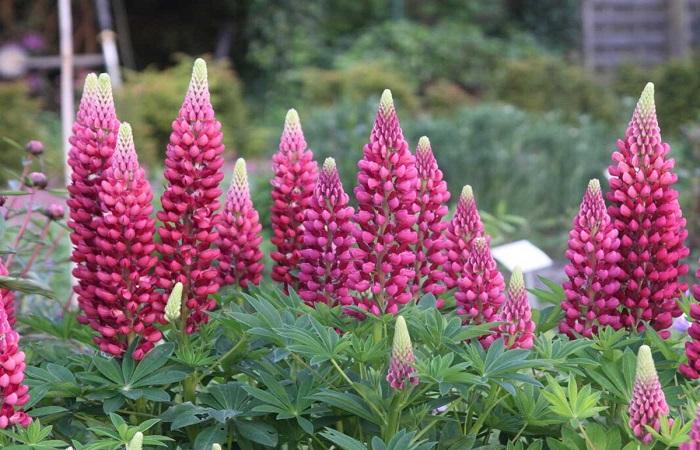
Lupine
The plant's long roots harbor specialized nitrogen-fixing bacteria. They absorb nitrogen from the deep soil layers and transfer it to the upper layers. Furthermore, lupine facilitates the absorption of phosphate compounds. Planting this green manure reduces soil compaction, reduces its acidity, and increases its capacity to store and permeate water.
Lupine is recommended to be planted in the first half of May. It can be harvested 6-8 weeks after the sprouts emerge. It is recommended to plant 20-30 grams of seeds per square meter.
Clover
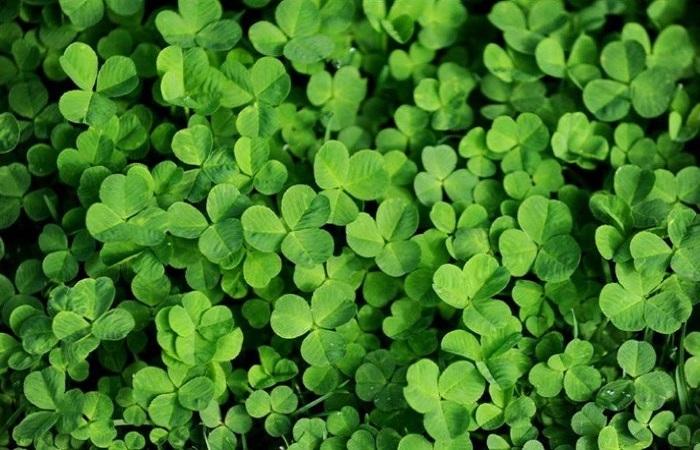
This crop requires moist, slightly acidic soil. Clover helps enrich the soil with organic matter, nitrogen, and other valuable nutrients. Its root system reliably protects the soil from erosion and weathering, while also loosening it.
Clover should be incorporated into the soil before flowering, when buds are forming en masse. Green manure sowing is recommended in early spring. Use 2 grams of seeds per square meter.
Serradella
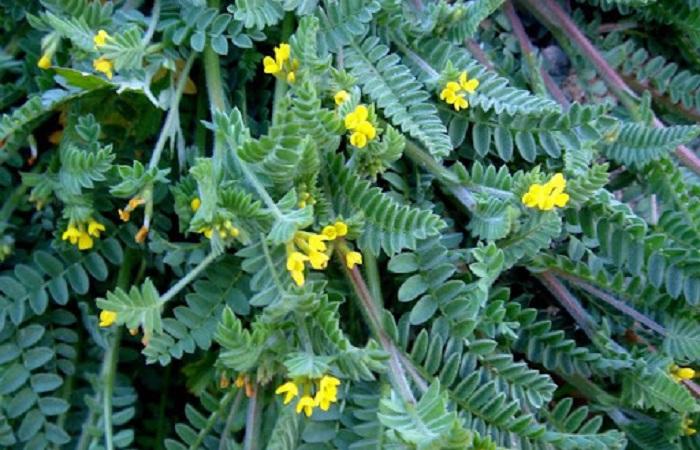
This plant enriches the soil with nitrogen and has a pronounced loosening effect. Serradella helps improve the phytosanitary condition of the soil. This green manure can be planted in medium to poor soil. It is drought-resistant and has excellent honey-producing properties. It can be planted from April to August. For every 10 square meters, 40 grams of seeds are required.
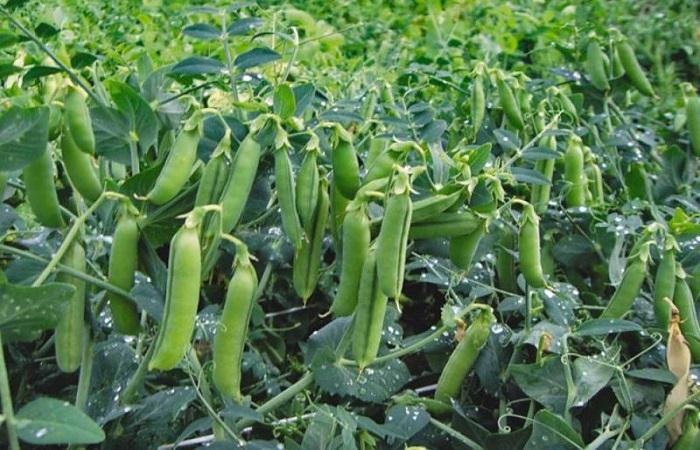
Peas
This popular plant makes an excellent green manure. Peas thrive in medium-heavy, well-drained soil. In addition to nitrogen, the plant provides the soil with a large amount of phosphorus. It is resistant to low temperatures but does not thrive in acidic soil.
It is recommended to sow peas in early spring – in March and April. 140-180 grams of seed are required per 10 square meters.
How and where to plant
Sowing green manure can be done throughout the year:
- In spring, greenery grows rapidly. This helps protect the beds from weeds. The most popular early green manure crops that can be grown in a garden include peas, vetch, alfalfa, and oats.
- In summer or early fall, green manure helps restore soil fertility and other important properties. This is the best time to plant plants from the Cruciferae family.
- Late autumn is the recommended time to sow winter varieties of oats, rye, and other grains. Radishes, rapeseed, and mustard are also acceptable. However, there's no need to mow or bury these green manures. They protect the soil from freezing.
The landing site should be chosen based on your goals. The following placement options are possible:
- In a free area - in this case, green manure will enrich the soil composition.
- In the garden bed, green manure is planted in the spring before seedlings, and in the summer after the main crops have been harvested.
- Between rows is considered the optimal option. This will help prevent uncontrolled weed growth.
Selection of green manure for different crops
To ensure that green manures produce the desired effect, it is important to consider which crops they are being planted for.
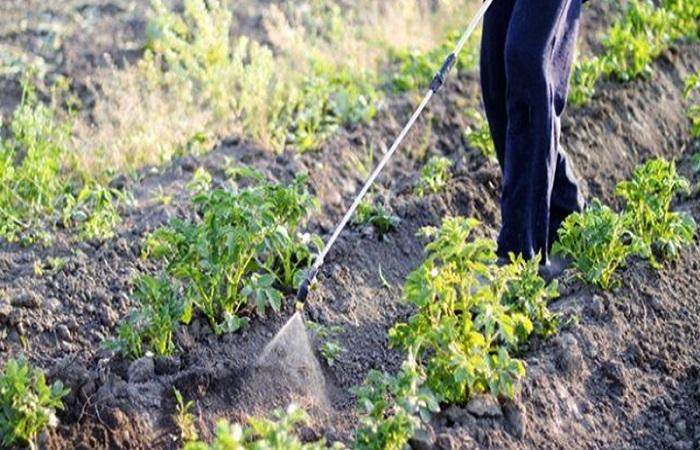
For potatoes
When growing potatoes, it's important to prevent disease and pest attacks. Therefore, the following green manures can be used:
- legumes - these include clover, beans, peas;
- cruciferous - you can sow radishes, rapeseed, mustard;
- flax - linen works well;
- Borage - phacelia is one of these herbs.
For tomatoes
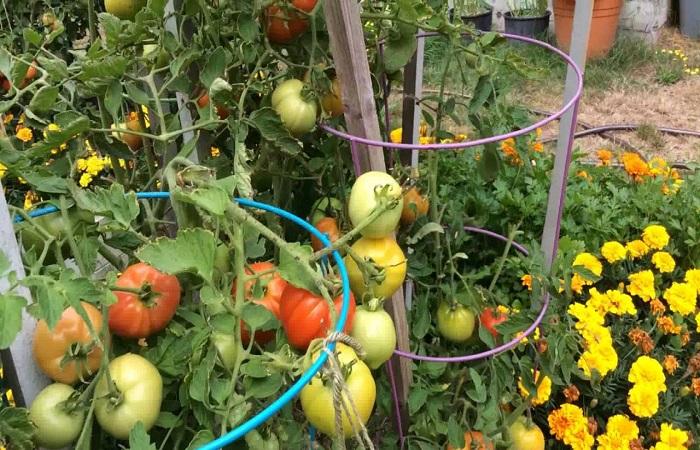
Green manures used for growing tomatoes loosen the soil, enrich it with nitrogen and minerals, and reduce weeds. Phacelia works best in combination with tomatoes.
The following plants are also acceptable to use:
- legumes;
- cruciferous;
- cereals.
For cabbage
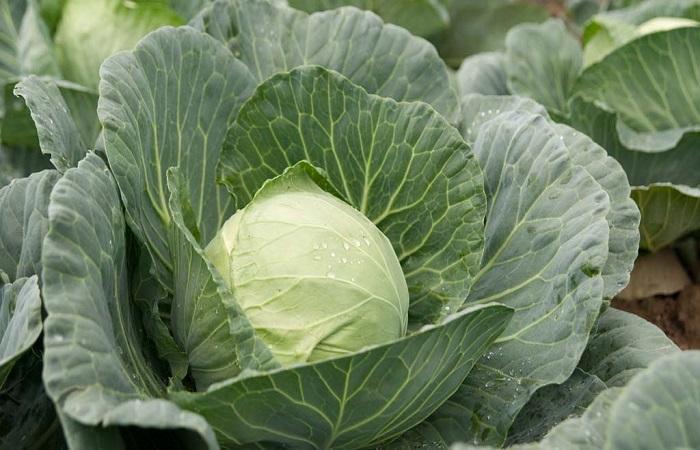
Green manure for cabbage beds is aimed at enriching the soil with nitrogen. Therefore, it's best to use sweet clover, alfalfa, and clover in this case. For a healthier plot, you can use a combination of lupine, clover, and phacelia. This combination will protect the plants from nematodes, wireworms, and other pests.
For cucumbers
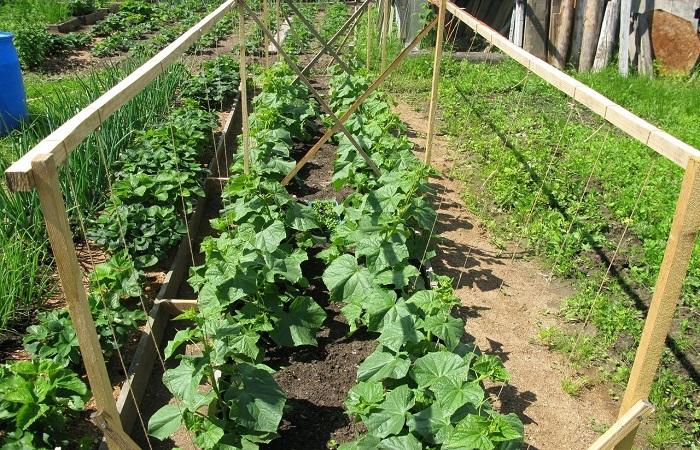
Cucumber roots don't develop deep, so plants can suffer from a lack of nutrients. To ensure the crops are supplied with valuable nutrients, consider using the following green manures:
- legumes;
- cereals;
- cruciferous.
What diseases and pests does it help against?
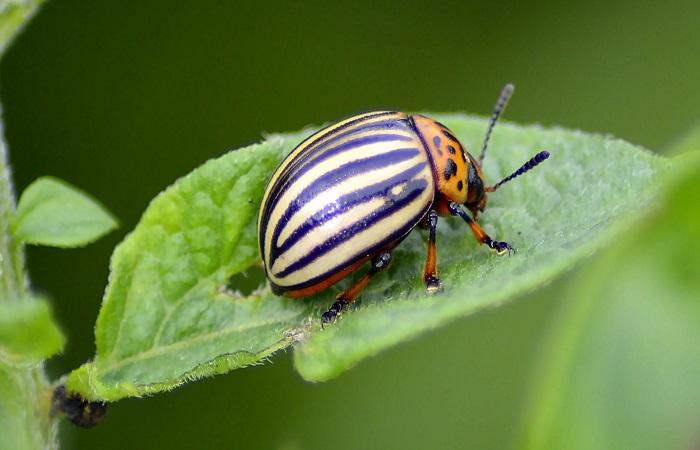
Many green manure crops have medicinal properties. For example, flax leaves contain tannin, which protects crops from Colorado potato beetles. These pests are also repelled by the scent of calendula.
Radish and mustard have beneficial properties. They inhibit weed growth and neutralize pathogens in the soil. Phacelia helps prevent fungal diseases and repel wireworms.
When and how to remove them correctly
Green manure crops can be cut before flowering – two weeks before planting the main plants. Crops with beautiful and fragrant flowers can be kept in the garden beds longer. They attract pollinators to the plot. These green manure crops should be harvested before they set seed. Cereals are recommended to be mown after they are fully ripe. Their stems can be used as mulch, and the seeds can be planted the following season.