To increase crop yields and normalize soil acidity, it's easiest to use mineral fertilizers. However, for environmental protection, it's preferable to use natural remedies—plants. It's important to consider which types of green manure deacidify the soil, while which ones structure it and protect against pests and diseases. To achieve the desired results, it's important to follow proper sowing and plant care guidelines.
Methods for determining soil acidity
The pH value is used to characterize soil acidity (the amount of hydrogen ions in the soil). A pH of 7 indicates neutral soil. A pH value above 7 indicates alkaline soil, while a pH value below 7 indicates acidic soil.
Soil parameters must be taken into account when choosing cultivated plants, as their full development requires soil with a certain acidity. Various methods are used to determine these parameters:
- Special tools. Litmus strip tests provide highly accurate results. A household pH meter is also effective;
- For quick results, use folk remedies. Mix a small amount of soil in a container with water and add baking soda (if it starts to fizz and bubble, the soil is acidic). Alternatively, water some of the soil with vinegar (if it starts to fizz or bubble, the soil is alkaline).
To increase your garden's yield, it's important to analyze your soil's acidity. This data will help you choose crops that will thrive and thrive.
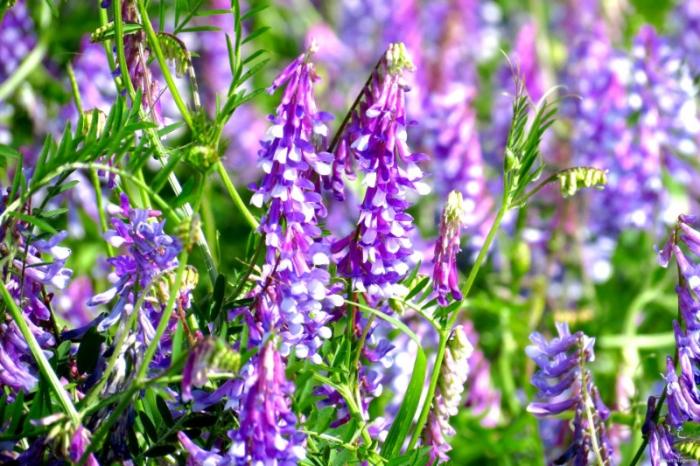
Green manure plants for acidic soils
Since acidic soil slows the growth of most crops, it's advisable to deacidify the soil. The optimal method is to plant specific plants that help alter the soil's acidity.
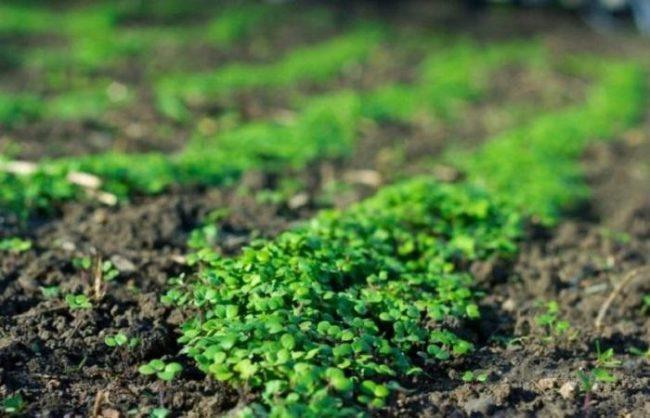
Green manure crops, which belong to the legume family, promote the removal of hydrogen ions from the soil, which helps reduce soil acidity. These plants are easy to grow and overwinter well. They can be planted in both early spring and late fall. The benefits of green manure crops also include increased fertility of the topsoil and the natural replenishment of humus.
There is no need to dig up the soil before sowing the plants – as the root system of the seedlings grows, it actively loosens the soil.
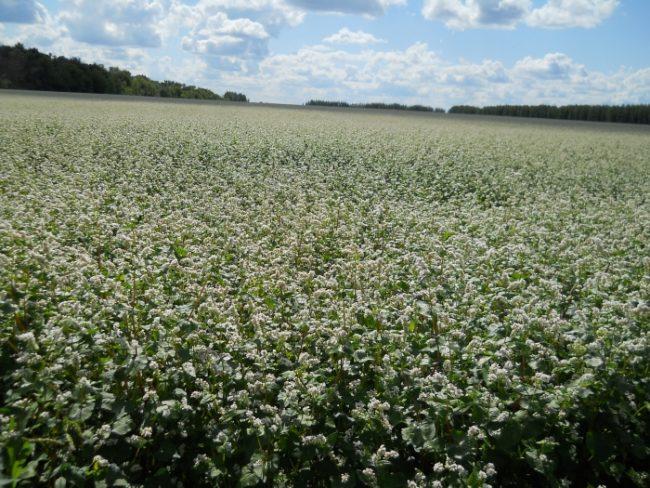
Some plants are not subsequently cut but rather dug up along with the soil, which quickly rots both the roots and the green mass. Popular green manure crops include mustard, oats, lupine, phacelia, and mouse peas.
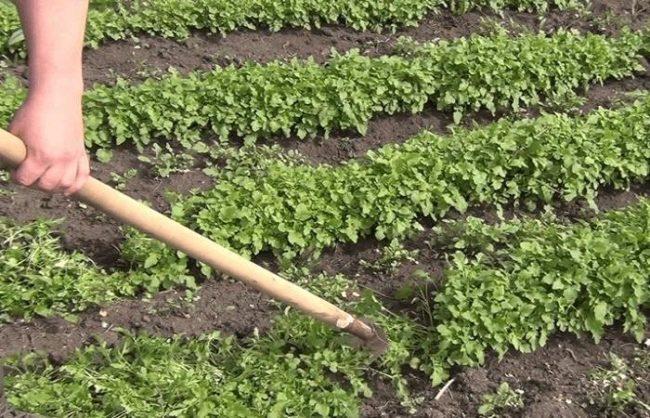
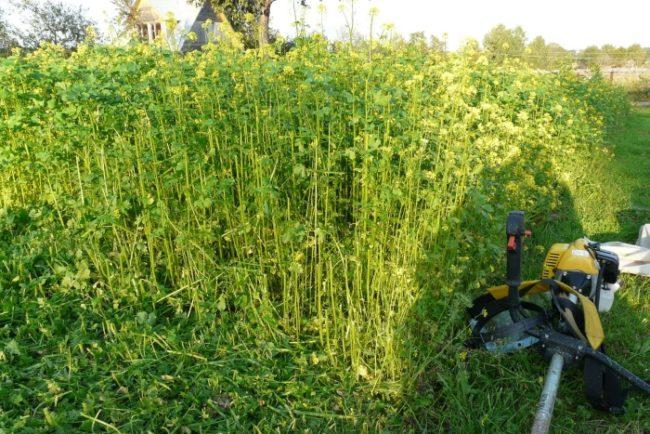
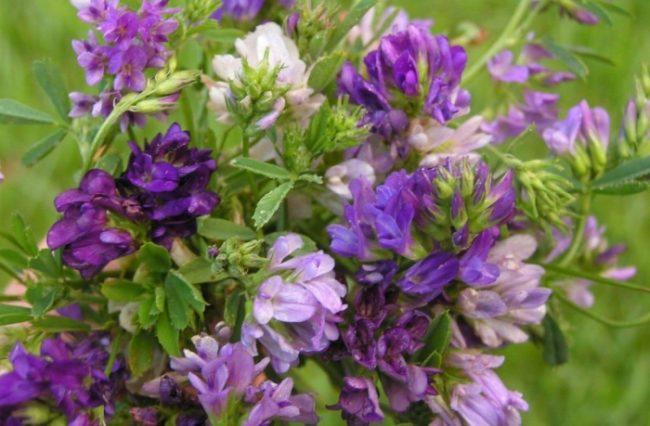
Which one is better to choose?
When choosing plants, you need to consider the planting time, the characteristics of the crop and its impact on the soil.
| Plant species | Sowing period | Features of cultivation | Impact on soil |
| Lupine | after harvesting early cabbage and potatoes. Or in early spring after the snow melts. | The growing season is 120-130 days, and is planted in the ground during the gray bean stage. | deacidifies and loosens dense soils |
| Phacelia | Sow after the snow melts, the crops are not afraid of frost and drought | the green mass is mown 1.5 months after sowing | protects the soil from fungal infections and wireworms |
| Clover | planted after cereals, in moist areas | The soil is dug up before sowing. The first time it is mown is when the buds are forming (July-August), and again in the fall – before the winter cold sets in. | a good honey plant, provides crops with phosphorus and potassium |
To structure and deoxidize the soil, it is recommended to plant green manure crops for several seasons. Regular planting will significantly reduce the use of mineral fertilizers. When choosing green manure crops, consider crop rotation rules.

Timing of sowing and burying green manure
The effectiveness of using green manure depends on the rules for sowing seeds and incorporating mown green mass:
- It is recommended to sow the green manure at the beginning of the season, 2.5-3 weeks before planting the main crops. This allows the green manure to emerge and develop a strong root system. It is permissible to plant the seedlings in the beds without first mowing the green manure. The fertilizer plants are subsequently used as mulch.
- Green manure crops are also sown in the fall, after harvest. It is recommended to sow winter rye and oats (the plants tolerate cold well and grow vigorously in the spring).
To fully restore the soil, greenery is removed as it actively grows, without digging the soil. To preserve the root system, the greenery is carefully mowed or cut with a flat-top cutter.
To comprehensively improve soil quality, it's advisable to plant green manure mixtures. Legume-cereal mixtures are popular, as they not only prevent soil acidification but also promote loosening.