
- Description of the plant
- Varieties and varietal diversity
- Phacelia hastata
- Phacelia sericea
- Phacelia congesta
- Bell-shaped phacelia (Phacelia campanularia)
- Phacelia purshii
- Silver phacelia (Phacelia argentea)
- Phacelia bolanderi
- Advantages and disadvantages of the plant
- Predecessor cultures
- Sowing dates
- How to sow correctly
- Further care
- When to mow
- Reasons why a plant does not germinate
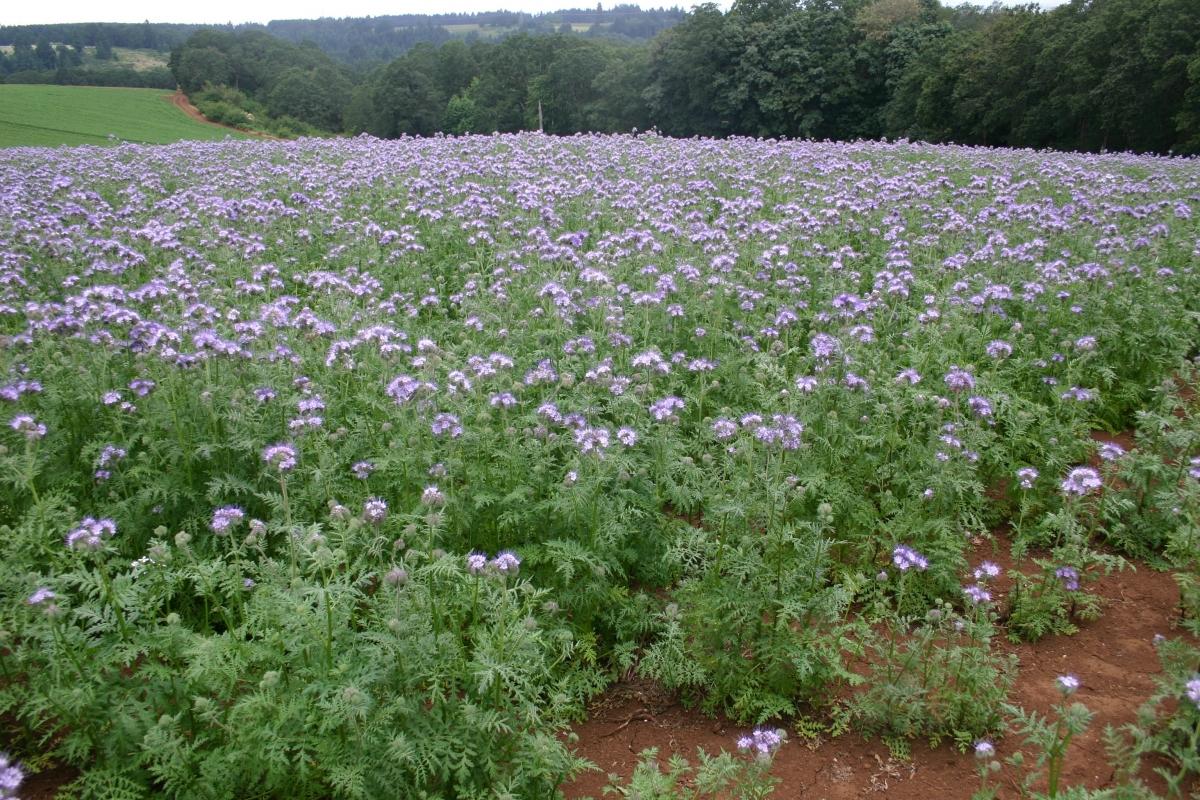
Phacelia is often used as a green manure. This plant combines well with any crop. It improves soil structure and enriches it with nutrients. This significantly increases yields and prevents the development of many diseases. To ensure phacelia thrives, it's important to plant it correctly and provide proper care.
Description of the plant
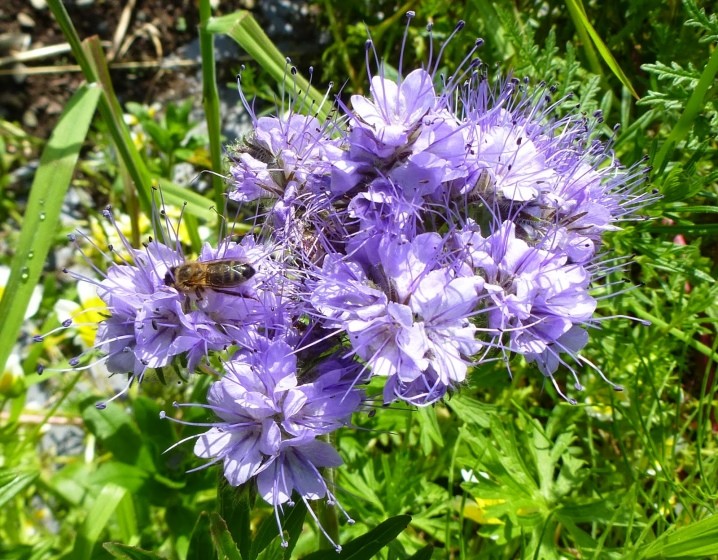
Phacelia tanacetifolia, or Phacelia ryazenica, is a common plant growing over 1 meter tall and covered in bristly hairs. Many people wonder whether it is a perennial or annual crop. As a green manure, it is grown as an annual.
What family does this plant belong to? This plant is considered a member of the Aquilegiaceae family. It has an erect stem with glands. Each bush produces up to 20 lateral shoots. The plant is quite attractive. It has elongated, pinnately dissected leaves that reach 6-20 centimeters in length.
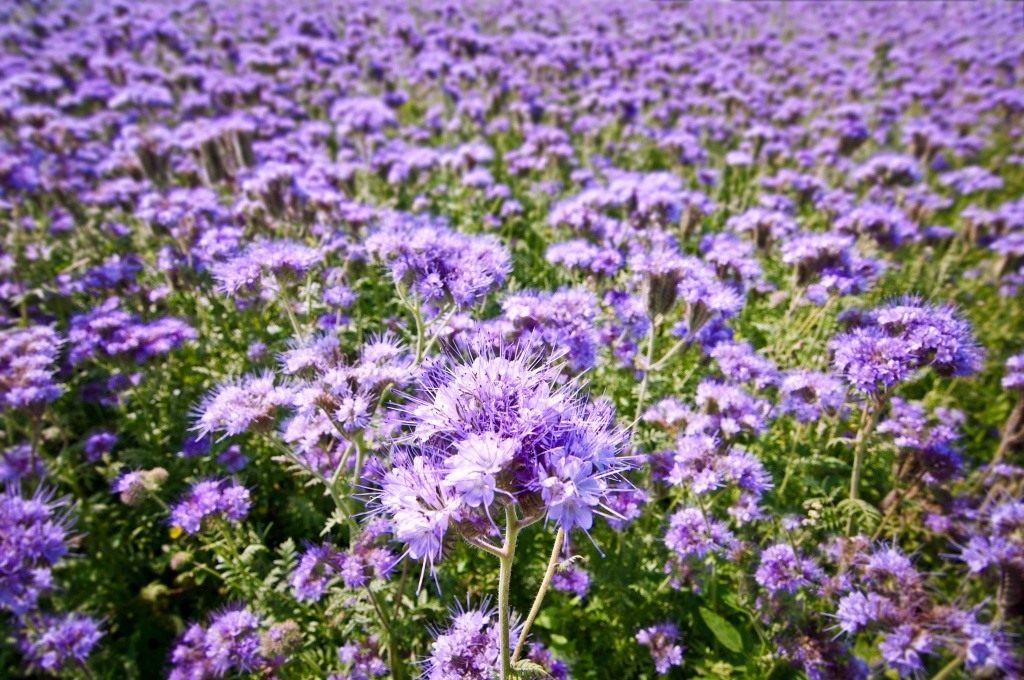
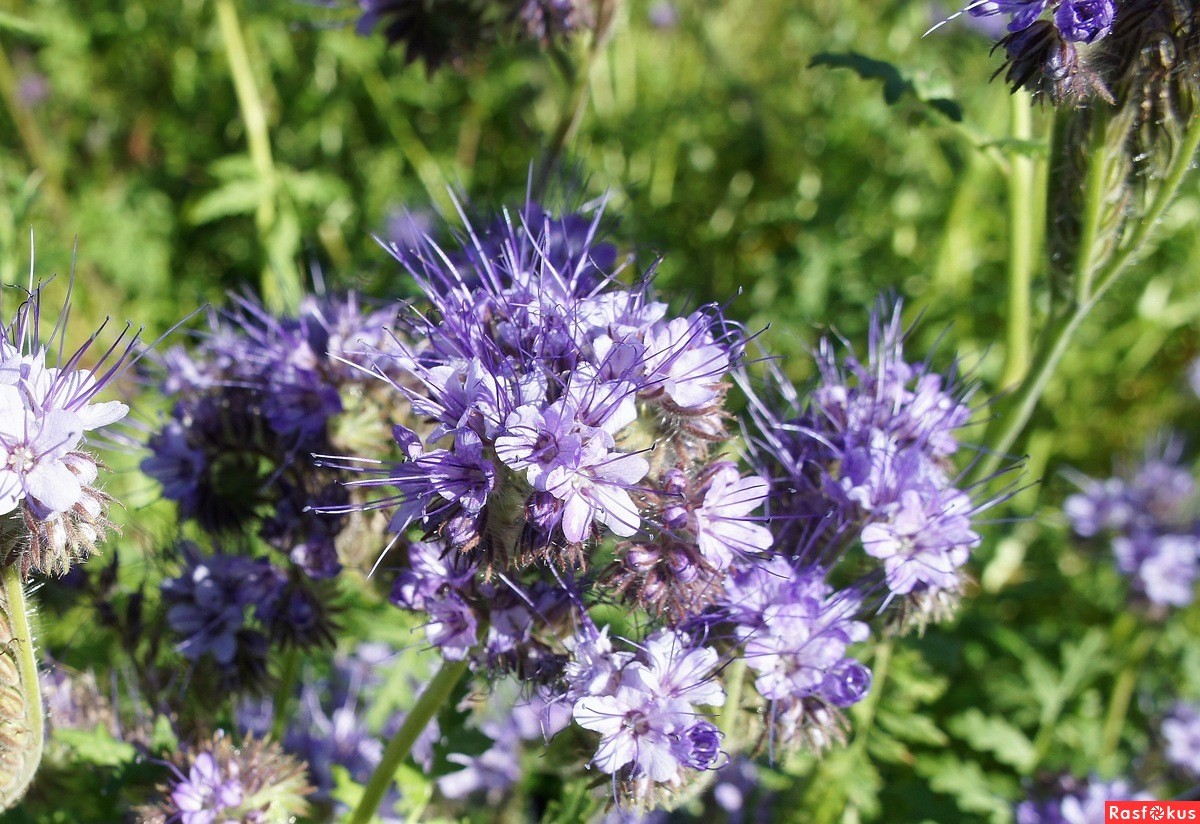
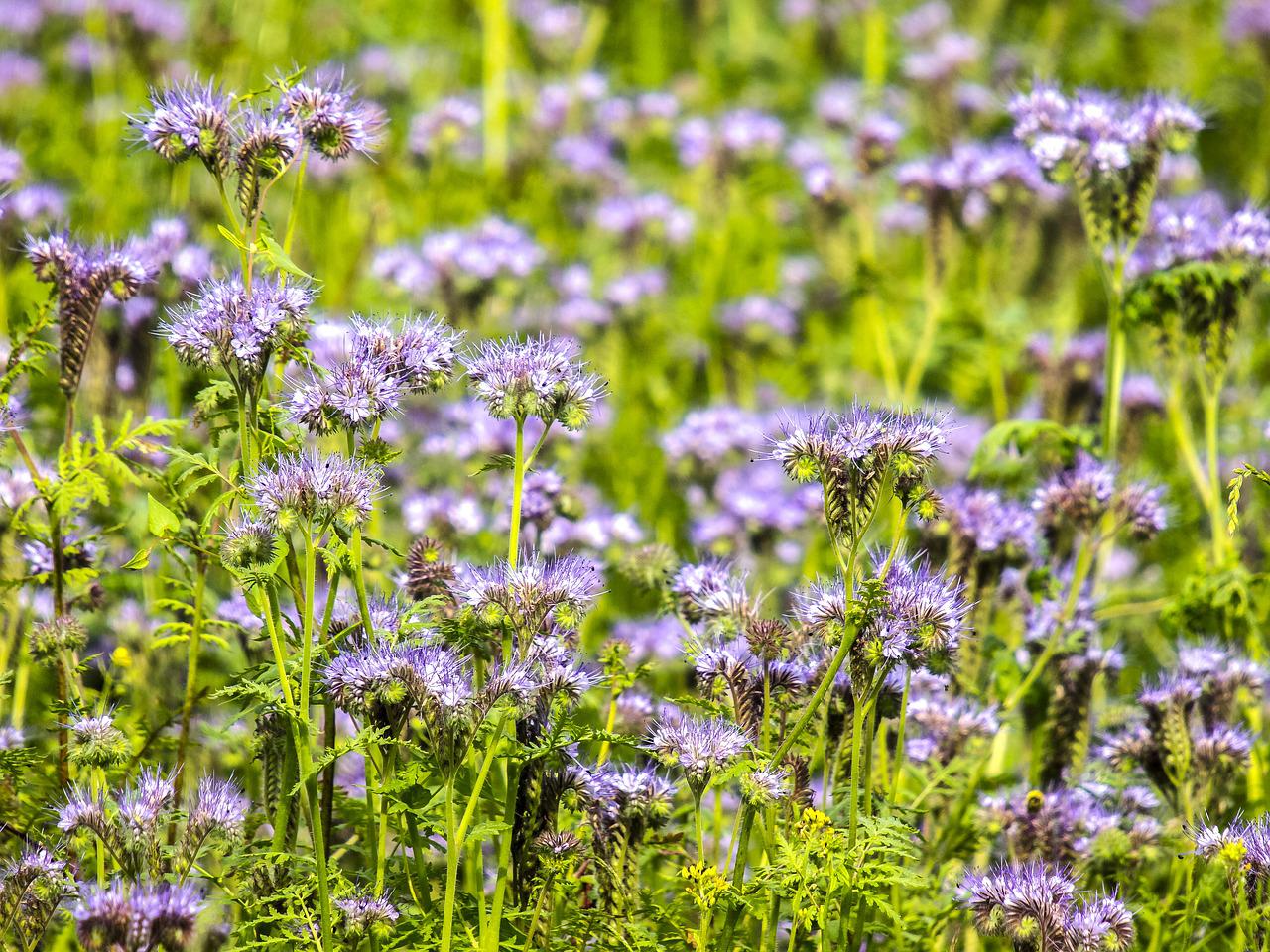
During flowering, the grass is adorned with a multitude of blue-lilac, broadly bell-shaped flowers up to 10 millimeters long. They form complex corymbose umbels. The stamens of the flowers, up to 14 millimeters in size, extend well beyond the corolla and include naked filaments and elongated elliptical anthers. After flowering, a fruit forms, resembling a broadly ovoid capsule.
Phacelia is a honey plant and is considered a versatile green manure. It can be sown before or after any crop. It is also very beneficial for the soil. It enriches the soil with potassium and nitrogen and reduces its acidity.
Varieties and varietal diversity
This culture has many varieties and cultivars, each of which has certain characteristics.
Phacelia hastata
This plant is widely grown in the United States. It grows up to 50 centimeters tall and produces small white or light lilac flowers. This variety is distinguished by its dense silvery hairs and nearly parallel veins running along the surface of the foliage.
Phacelia sericea
This plant is widespread in North America. It grows up to 45 centimeters tall and has deeply cut leaves. The grass is covered with delicate silvery hairs. During flowering, it is adorned with purple or lavender flowers with long stamens.

Phacelia congesta
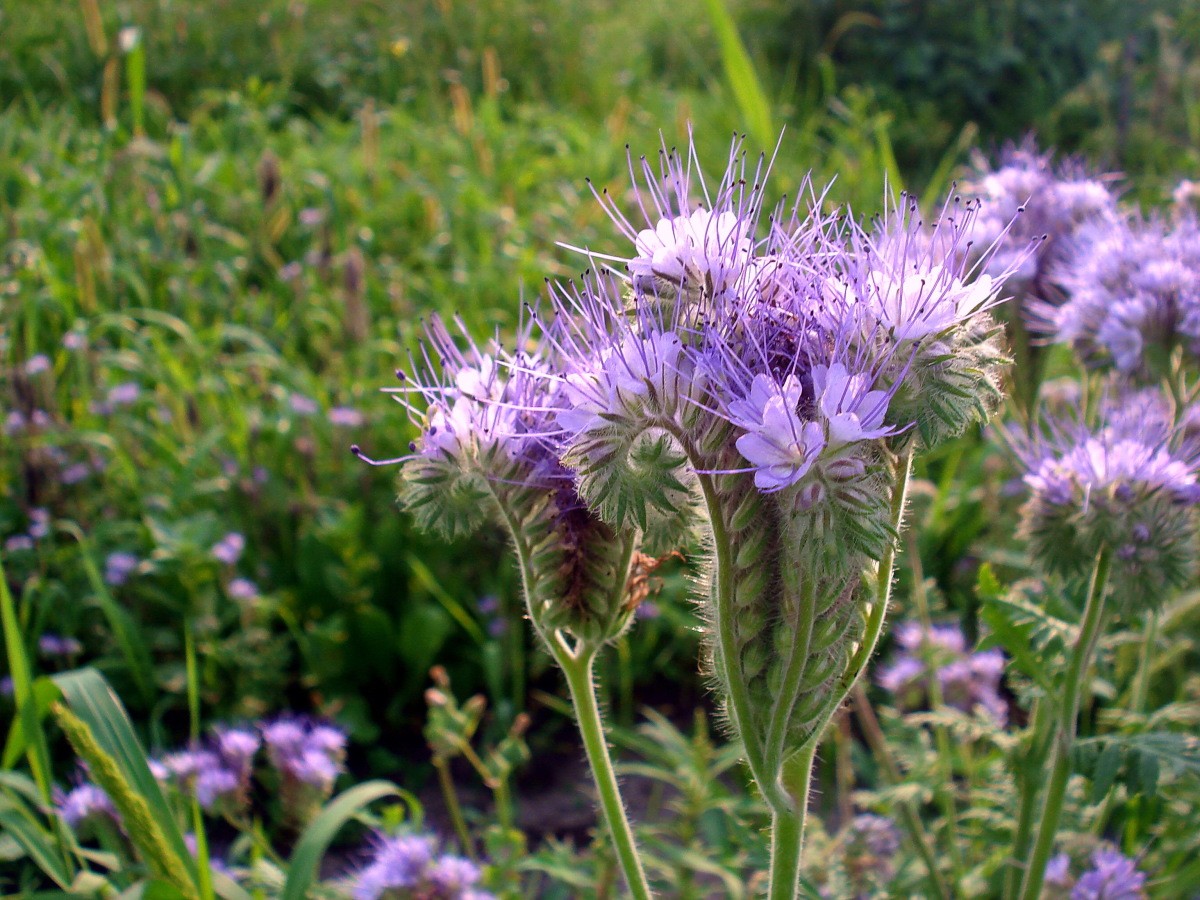
This variety features small blue flowers no more than 5 millimeters in diameter. They form twisted clusters at the tops of the stems. The shoots reach 50 centimeters in length and are covered with light green, densely fuzzed leaves.
Bell-shaped phacelia (Phacelia campanularia)
This plant is an annual, growing to no more than 25 centimeters tall. It is characterized by reddish, erect stems and slightly lobed blue-green leaves up to 6 centimeters in size. Their edges are adorned with a reddish-brown border. During flowering, the bushes are crowned with dark blue bell-shaped flowers up to 3 centimeters in size.
Phacelia purshii
This plant grows up to 50 centimeters tall. It is covered in dense fluff and bears small flowers up to 3 centimeters in size. Phacelia purschii is considered the latest achievement of selective breeding.
Silver phacelia (Phacelia argentea)
This is a relatively rare variety of phacelia, with ascending or drooping stems up to 50 centimeters long. It boasts glossy leaves and white, spherical flowers. Growing it as a green manure significantly improves soil structure. The plant enriches the soil with nutrients and controls pests.
Phacelia bolanderi
In the wild, this plant is found in Californian forests. It forms small mounds of spreading stems. This species of phacelia produces large lilac flowers that form terminal inflorescences.
Advantages and disadvantages of the plant
This plant is considered a versatile soil enricher. Due to its beneficial properties, many gardeners call it an ideal green manure. The following are among the benefits of this crop:
- Phytosanitary properties. The herb promotes soil health and helps control pests. This sanitizing effect also occurs by preventing rot and drying out of fruits and the plant itself. Therefore, phacelia is often used as a fertilizer for potatoes.
- Enriching the soil with beneficial elements. This crop is completely undemanding. It can grow even in rocky, waterlogged, and over-dried soil. By planting this green manure, you can harvest even the poorest and most unsuitable soil.
- Weed control. By combating soil acidity, phacelia makes the soil inhospitable to certain weeds, particularly chickweed.
- Attractive appearance. This green manure has an attractive appearance.
- The plant emerges and matures quickly. It reaches full growth in just a month.
- Frost resistance. Phacelia also tolerates drought, heat, wind, and lack of sun.
- Self-seeding ability. This is important if the grass is not cut before the seeds ripen.

Phacelia has virtually no drawbacks. However, some agronomists consider the following disadvantages:
- An annual plant, it needs to be planted annually or even several times during the season to enrich the soil.
- The need to trim the green manure before planting the main plants.
Predecessor cultures
Phacelia combines beautifully with any plant. It can be planted after any crop. It can also serve as a precursor to other plants. For legumes, it is used to attract bees. For potatoes, beets, and carrots, phacelia is used as a pest control. For other crops, green manure enriches the soil and increases their yield.
Sowing dates
The timing of planting phacelia outdoors depends on your goals. It's important to consider the following:
- If you sow the plant immediately after the snow melts, the seedlings will quickly develop greenery. This will produce excellent humus if the grass remains on the surface.
- When using phacelia as a honey plant, it is planted between rows of other crops throughout the season. In this case, the withered grass should be mowed and used as mulch or fertilizer. Replanting is carried out in the remaining open areas.
- Planting phacelia after harvesting, from late summer to mid-autumn, will restore and rejuvenate the soil, improving its composition and enriching it with nutrients. Leaving it on the surface of the plot as mulch after mowing will protect the roots of perennials from freezing and the soil from erosion and washout.
- If sown before winter, the green manure will emerge in early spring. It's recommended to cut off the sprouts before planting early-ripening varieties of the main crops. In this case, it's best to plant the plants a little more densely, as not all seeds may germinate after winter.
How to sow correctly
Phacelia seeds have excellent germination rates, so they don't require pre-stratification. To use the plant as a green manure, simply scatter the seeds over the area in loosened soil. The dark seeds are invisible on the soil surface. To avoid empty spots during planting, it's recommended to mix them with sand.
To plant phacelia between rows, it's recommended to make a furrow 2-3 centimeters deep, water it, and evenly distribute the seeds. They can then be incorporated into the soil structure. In mild or dry weather, the furrow doesn't require watering.
Further care
To ensure phacelia produces the desired results, it must be grown correctly, adhering to the following recommendations:
- Spring plantings require soil preparation in the fall. It needs to be dug and cultivated. Fertilizing with potassium and phosphorus may also be necessary.
- Plants planted in rows require loosening of the spaces between the rows. The beds also require periodic weeding.
- During the initial growing season, the beds should be watered. This is especially important when planting in summer. Green manure does not tolerate excessive moisture, especially if it is flowering. However, over-dried soil will significantly reduce biomass production.
When to mow
To use phacelia as a garden fertilizer, it should be mown when the buds are forming. If the plant is mown too late, the leaves and stems will become coarse and decompose more slowly. The mown grass should be manually dug in along with the topsoil. The plant should be pre-treated with a product that accelerates decomposition.
Phacelia decomposes and subsequently humifies the soil only in the presence of moisture. Therefore, in dry conditions, the area should be irrigated. After incorporating the green manure into the soil, the surface should be leveled and reseeded with phacelia. A total of 3-4 green manure harvests can be obtained during the season. The following spring, the area with the renewed, nutritious soil should be used for growing vegetables.
Reasons why a plant does not germinate
When planted correctly and with optimal humidity and temperature conditions, phacelia seeds germinate within a week. In extremely dry conditions, the process can take up to two weeks. Therefore, moderate watering is recommended during dry weather.
A lack of sprouts may occur if old seeds that have been stored for more than two years are used. Improper storage conditions can negatively impact germination. Storing seeds in plastic bags can cause them to rot.
Phacelia is a popular green manure crop with numerous beneficial properties. It significantly improves soil structure and enriches it with essential nutrients. It also helps control weeds, diseases, and pests. This significantly increases the yield of all crops planted after phacelia.