
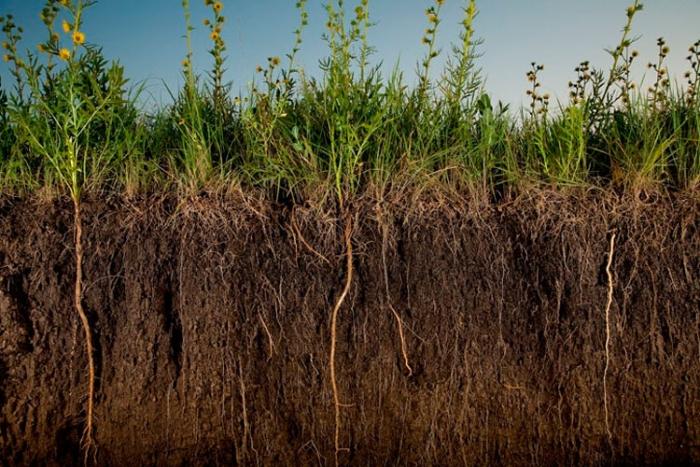
Constant soil exploitation causes a decrease in soil fertility. Planting winter green manure crops is considered a good method for enriching the soil with nutrients. These are then mowed and the green mass is incorporated into the upper soil layers. Growing green manure crops increases the humus content of the soil, creates optimal conditions for bacterial growth, and improves soil structure.
Purpose of winter green manure
Green manure is used to solve the following problems:
- loosening the soil - for this you can plant oats, rapeseed, rye;
- soil treatment against rot, scab, and wireworm - using a mixture of green manure with marigolds and calendula;
- increasing fertility and loosening the soil - sweet clover, vetch, and alfalfa will help cope with these tasks;
- obtaining mulch - optimal options include phacelia, vetch, alfalfa;
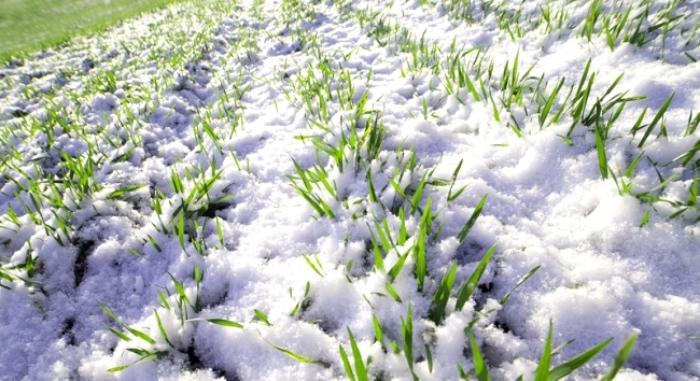
- protection from recurrent frosts in spring – any frost-resistant crops are suitable for this.
Planting green manure in winter has many advantages:
- frees up time when planting early plants in the spring – early cabbage, carrots, potatoes;
- increases the period of green manure's stay in the soil - this improves the loosening of the soil by the roots;
- protects from scorching sun rays and recurrent frosts;
- acts as mulch after mowing.
How to choose the best crop
The choice of green manure depends on the soil quality and the primary crop to be grown. However, using members of the same family is prohibited. For example, rapeseed cannot be used as a green manure for cabbage, as both plants belong to the Brassicaceae family.
Mustard, sweet clover, oats, and lupine are excellent precursors for potatoes, tomatoes, zucchini, cucumbers, and eggplant. Rye and serradella are also suitable.
It's acceptable to grow rape, mustard, and oilseed radish before carrots, beans, and beets. Vetch, peas, and rapeseed are equally successful predecessors. They loosen heavy soil and suppress weeds. These green manures also provide the crops with sufficient nutrients.
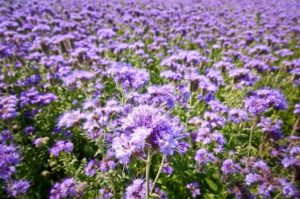
Green manure crops that protect the soil from rot and pests include legumes, rapeseed, and phacelia. They are excellent soil looseners and are considered excellent precursors for pumpkin plants.
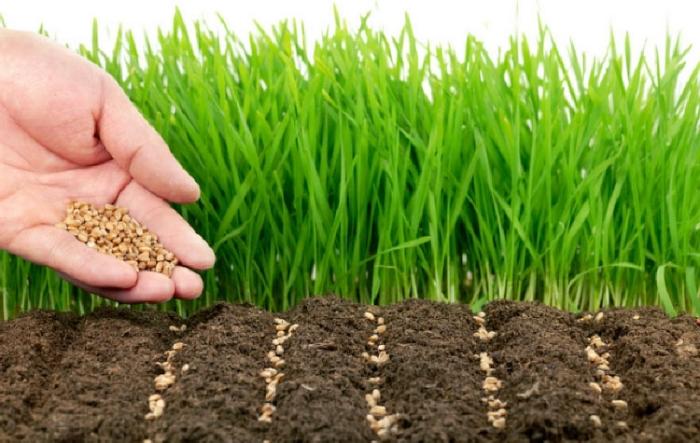
In areas prone to erosion, any plants from the Brassicaceae family, which develop deep and extensive root systems, produce excellent results. Canola, mustard, and phacelia are also suitable. These plants are considered excellent precursors for corn and potatoes.
In waterlogged soil, you can use crops that require high moisture levels. These include lupine and serradella. In dry soil, it's best to plant drought-resistant plants. This group includes phacelia, rapeseed, and rapeseed.
In soils that contain minimal organic matter and require high amounts of nitrogen and other nutrients, it's best to grow crops from the legume family. These include vetch, peas, and alfalfa. Cereals such as rye and oats can also be planted in such soils. Members of the cruciferous family, such as winter rape and turnip rape, are equally good choices.
List of popular plants
Today, many crops are known that can be grown as green manure.
Each of them has its own characteristics.
Winter oats
Oats are recommended for planting when loosening clay soil is necessary. This plant is excellent at removing many root rot pathogens from the soil. Furthermore, winter oat varieties are considered excellent precursors for cucumbers.
Winter rye
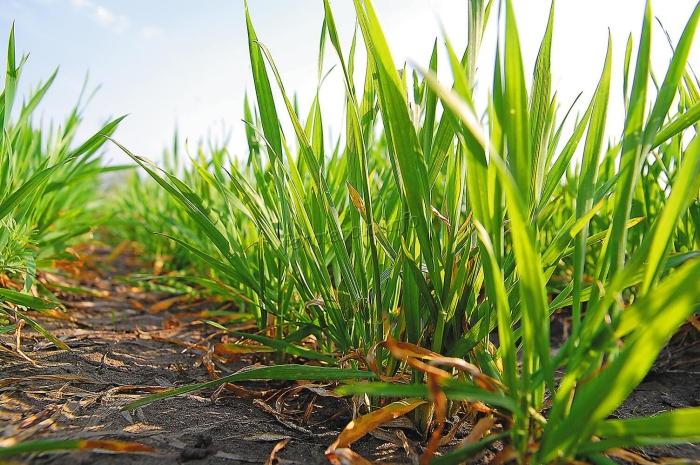
This plant is considered quite undemanding regarding soil composition and thrives in any soil. Winter rye does not help fix nitrogen in the soil, but it does provide a large amount of organic matter. It is recommended to plant the crop sparingly, as it produces uniform seedlings.
Rape
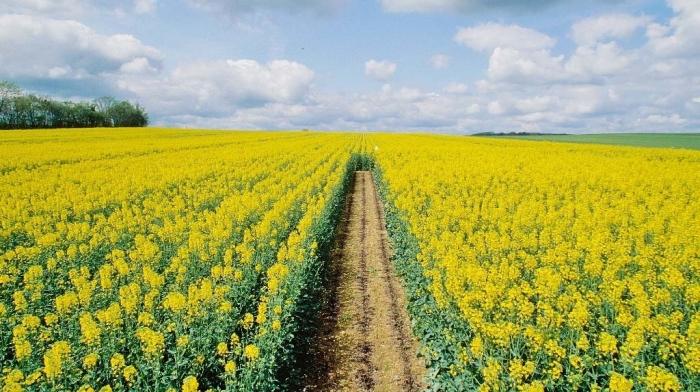
This crop is considered quite demanding when it comes to soil quality. However, to improve soil structure, rapeseed should be planted in heavy soil. However, it should not be planted in wet soil. As a green manure, the crop is sown in the second half of August. However, it requires careful care. Peppers, tomatoes, and eggplants can be planted after rapeseed.
Vetch
This legume is excellent at enriching the soil with nitrogen and suppressing weeds. However, vetch grows exclusively in slightly acidic soil and does not tolerate dryness. It is considered an early-ripening plant. It develops excellent foliage and protects vegetables from snails. Vetch can be planted before any crop except legumes.
White mustard
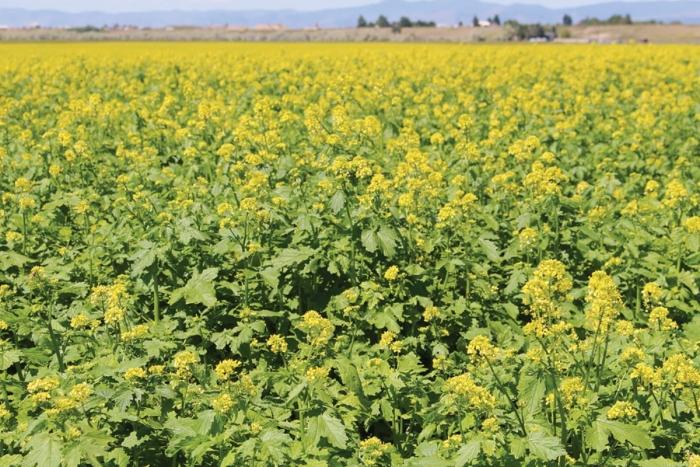
This plant is considered an excellent green manure crop. It is planted from late summer to early fall. During this period, the crop develops rapidly and is cold-resistant. This allows it time to build up foliage and prevents the loss of nitrogen and other nutrients. With the arrival of frost, the plant dies, but it should not be plowed into the ground. White mustard struggles to thrive in acidic and waterlogged soil.
How to work with them in a greenhouse
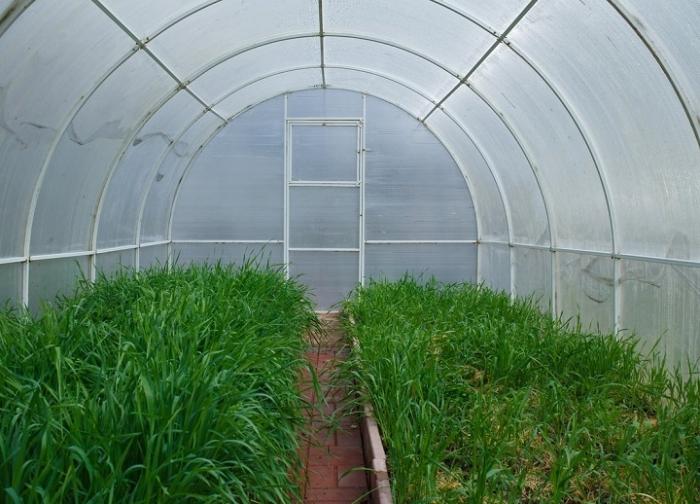
Green manure crops are perfectly acceptable to plant in a greenhouse. This helps refresh the soil when growing the same crops—cucumbers, eggplants, tomatoes, and peppers. With consistent cultivation of such plants, changing the soil in the greenhouse won't be necessary for many years.
Using green manure helps combat diseases, weeds, and pests. It's important to choose the right crops and rotate them regularly. Vetch, phacelia, rye, and mustard are most commonly grown in greenhouses. Each crop has its own specific planting time.
Winter green manures are highly effective plants that enrich the soil with valuable nutrients and promote soil loosening. It's important to choose the right plant based on the soil structure and the primary crop you plan to grow.
I still haven't figured out how to grow green manure in a greenhouse. There are definitely some peculiarities, but there's no mention of them. Such a shame!