
Rapeseed is a fairly common agricultural crop. It is considered an excellent honey plant, can be used as livestock feed, and can be used as biofuel. Rapeseed oil is used in food and industrial processes. Rapeseed is also grown as a green manure, improving soil structure and enriching it with valuable components.
Pros and cons of the plant
Growing rapeseed as a green manure brings significant benefits to the soil. This plant offers the following advantages:
- High frost resistance. Planting can be done in early spring and fall.
- Rapid decomposition of plant residues helps enrich the soil with organic and mineral nutrients. Large fragments of mown crops are composted to produce high-quality fertilizer.
- Prevention of pathogen development. This effect is due to the presence of essential oils in the plant's root system.
- Weed suppression. The plant's roots penetrate all soil layers, suppressing weeds. They easily grow to a depth of 3 meters and extract many nutrients from the soil. Therefore, rapeseed is planted between rows of strawberries, fruit trees, and berry bushes.
- Preventing nitrite buildup. This is due to high crop density.
- Resistance to pathologies.
- Strengthening water exchange processes in the soil.
- Soil protection from weathering.
However, the culture does have some drawbacks. The most significant disadvantages include the following:
- Cannot be used on soils with high acidity and high clay content.
- High groundwater level.
- It's impossible to sow a plant in the same spot. This can be done at intervals of four years.
Varieties and varietal diversity
Various types of rapeseed can be used as green manure. They differ in their impact on the soil. The main varieties include:
- winter rape – used for more than 1 year;
- Spring rapeseed – applied maximum during the season.
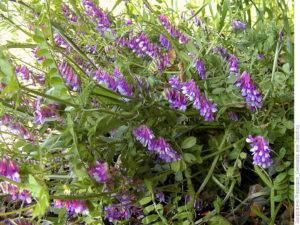
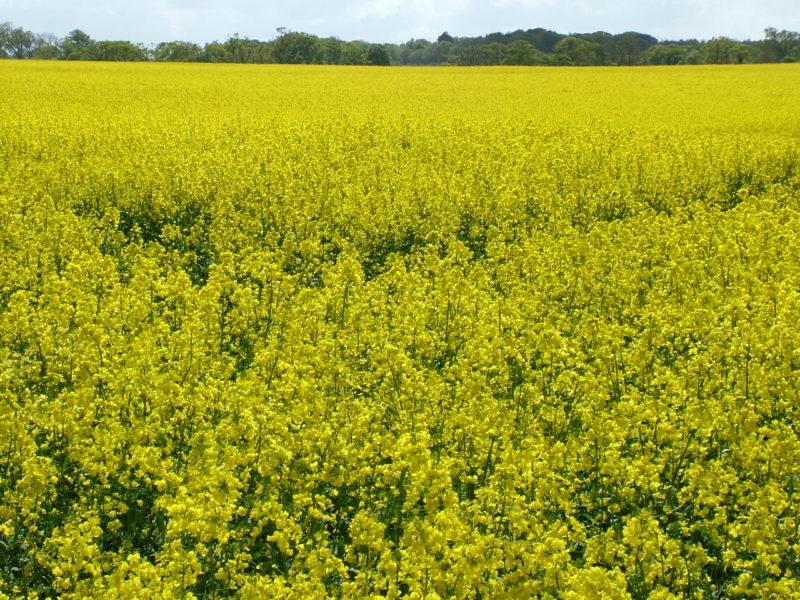
The biennial variety is recommended for spring planting. It resembles the common variety and does not flower. The winter variety produces greenery several times during the season. However, the last time it is grown, it should not be disturbed. The plant should be left in the garden and buried in the soil. The soil should be dug to a depth of at least 15 centimeters.
Annual rapeseed quickly impacts soil structure. Therefore, it can be planted in the fall and early spring. Once the greens emerge, the plant should be harvested, and two weeks later, the main crop can be planted.
Predecessor cultures
Spring rapeseed is an excellent fertilizer. It is recommended to plant tomatoes, cucumbers, and peppers after it. It is also widely used as a green manure before planting potatoes, pumpkins, and squash. Moreover, rapeseed can be planted after any crop, with the exception of members of the cruciferous family.
When and how to plant correctly
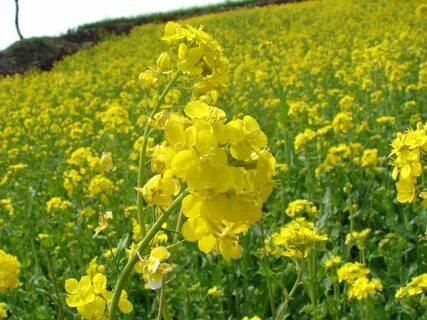
Before sowing rapeseed as a green manure, the soil should be thoroughly tilled and cleared of any previous plant debris and weeds. The seeds should be evenly distributed across the plot. Leave at least 15 centimeters between rows. Planting depth should be 2 centimeters.
Spring rapeseed varieties can be planted when the soil warms to 5-7 degrees Celsius. This is typically done in April. After 45 days, the greens can be mown. They serve as an excellent fertilizer for the soil between rows of vegetable crops and ornamental plants.
When planting winter rapeseed, it's important to strictly adhere to the planting dates. This will ensure the plant produces a robust green mass before the cold weather sets in. Fertilizer is typically applied in late August. This helps create a compost layer for the soil if grain crops are planned for the fall.
Care Features
Rapeseed is considered an easy-to-grow plant that doesn't require any specific care. However, when growing it, it's important to follow a few guidelines:
- For normal development, the plant requires ample space. Planting it too densely can result in poor foliage growth. It's recommended to plant 200 grams of seeds per 100 square meters. To stimulate root development, add phosphorus at a rate of up to 5 grams per square meter.
- If weeds grow rapidly, it is recommended to use herbicides.
- At the fourth leaf stage, there's a high risk of pests appearing. Cruciferous flea beetles are particularly dangerous for rapeseed. In this case, it's worth using the yellow bowl method. To do this, place yellow containers filled with a detergent solution around the perimeter of the plot and in the center. The contents of the containers should be changed twice a week.
- To enhance the development of greenery, it is worth using special solutions that promote the development of lateral shoots.
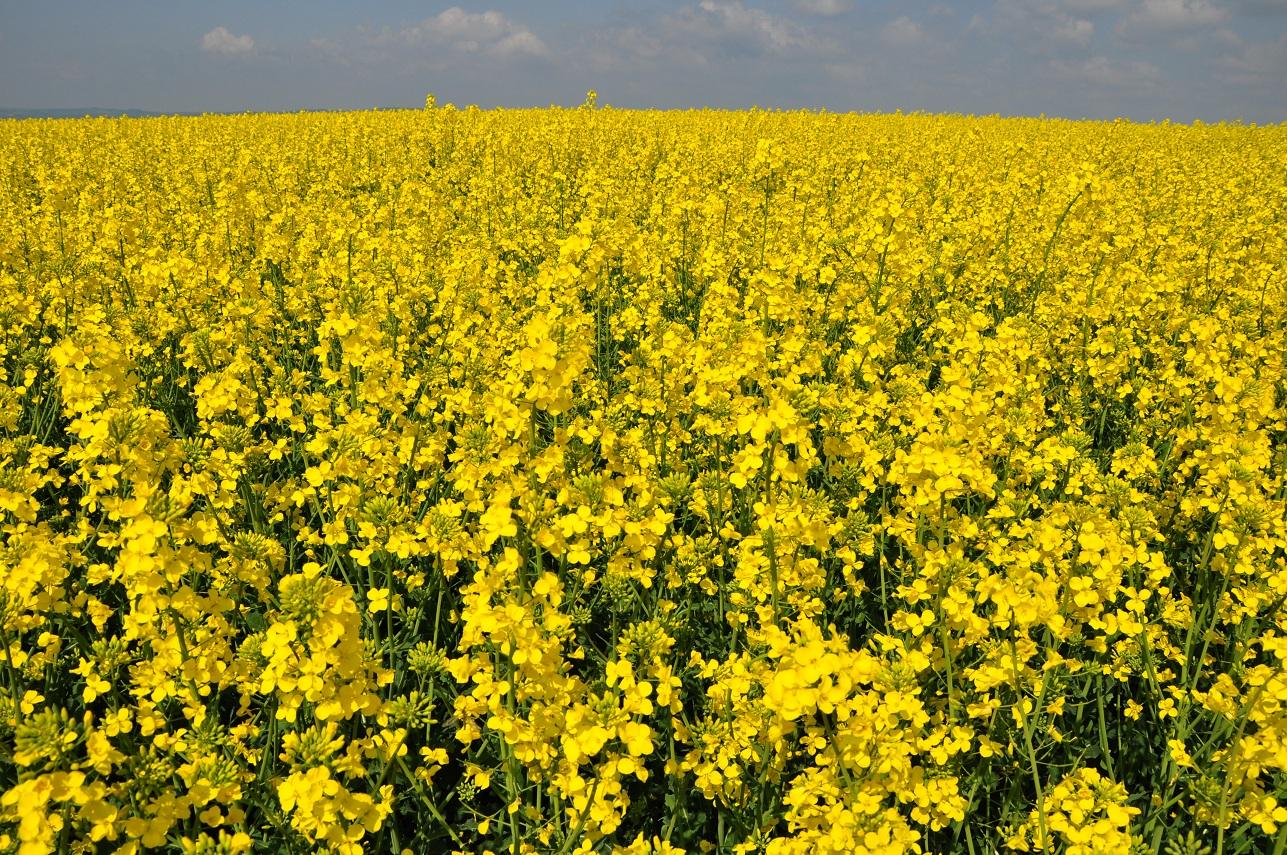
- Don't let the plant grow for too long. Dig up the rapeseed soil when it begins to flower.
Mowing times and how to do it
Spring varieties are best left untouched and mowed. However, it's important to understand what you plan to do next:
- When subsequently using the soil for planting vegetable crops, the rapeseed should be harvested when its stem reaches a height of 20 centimeters.
- You can leave the mown grass in the garden beds. In this case, it will act as mulch and additional fertilizer. The timing of harvesting is not particularly important.
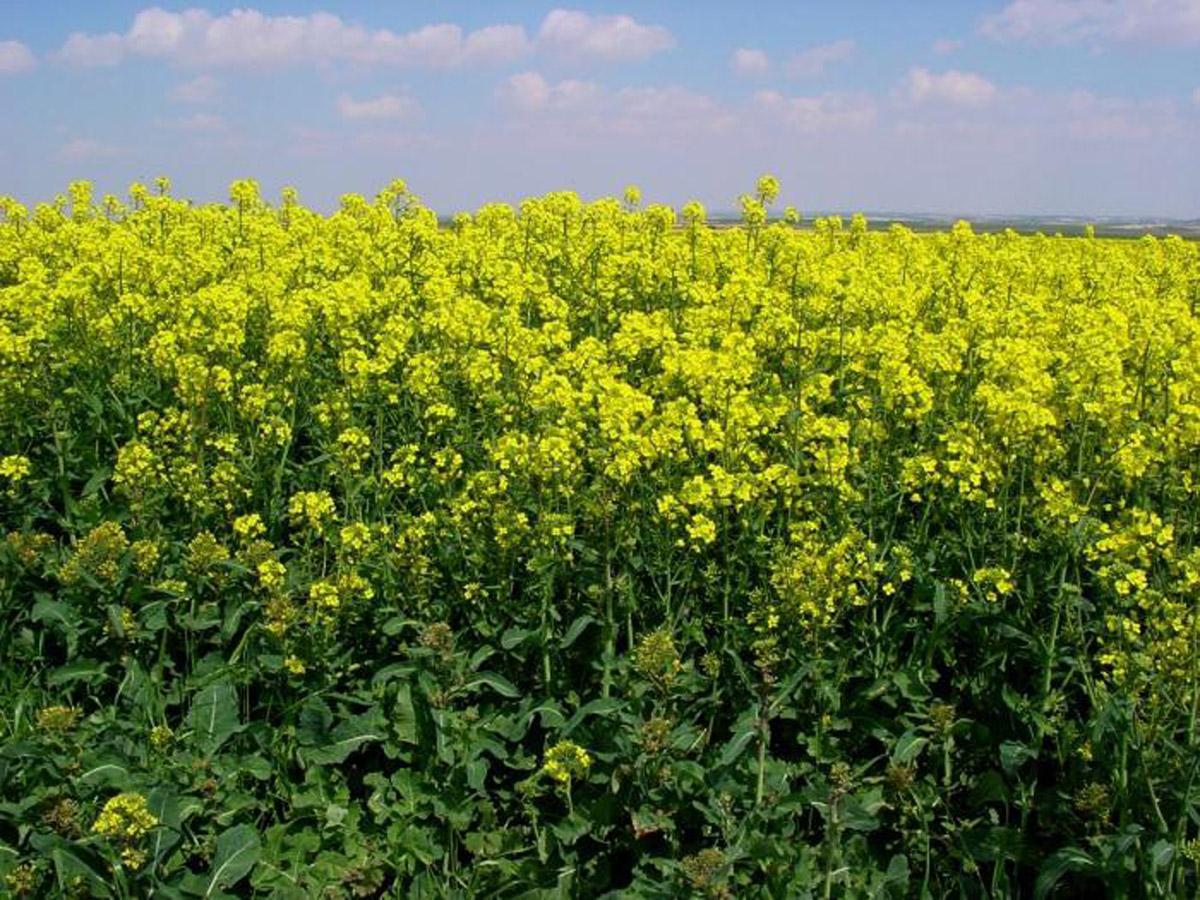
Spring rape is widely used as insulation, mulch, and compost. To achieve this, the greens should be plowed to a depth of 7-10 centimeters or left in a chopped form.
Winter variety It is recommended to harvest when the pods appear. This is usually done in late May. There is no need to dispose of the rapeseed. With regular watering, the green manure will turn into humus, which will provide additional benefits to the main crop. It is recommended to plant the seedlings 21-28 days after harvesting.
All types of rapeseed perform their intended functions well. They improve soil structure and enrich it with valuable nutrients. Furthermore, this green manure disinfects the soil from pathogenic microorganisms and harmful insects.