
Sowing barley as a green manure in the garden eliminates the need for organic and mineral fertilizers. It also prevents the overgrowth of weeds and makes gardening easier. However, proper planting and proper care are essential. Following crop rotation recommendations is also crucial.
Advantages and disadvantages
Cereals are considered among the most popular green manure crops, and barley is no exception. The crop's key benefits include the following:
- After digging, the greens become a natural and nutritious fertilizer.
- The root system of the crop loosens the soil and simultaneously strengthens it.
- The plant improves the soil's properties and structures it, thereby increasing its air permeability.
- The crop reduces weed pressure because it emerges early and densely. This prevents the active growth of unwanted vegetation.
- Barley has a disinfectant effect. The root system secretes substances that inhibit viruses and bacteria.
- The crop reduces the number of parasites—nematodes, leafhoppers, and aphids. It also attracts beneficial insects.
- Barley helps increase crop yields and improve the quality of the fruit, which accumulates more sugars, vitamins, starch, proteins, and minerals.
The main drawback of barley is that its root system attracts wireworms. If this pest is present in the area, it's best to replace the crop with another green manure.
Rules for sowing and further cultivation
Planting and cultivating barley as a green manure has its own unique challenges. These must be taken into account to ensure maximum benefit from the crop.
When to plant
Sowing time and climate depend on the barley variety. In colder regions, spring varieties should be used as green manure. In temperate and southern regions, any type of crop can be planted—both spring and winter varieties.
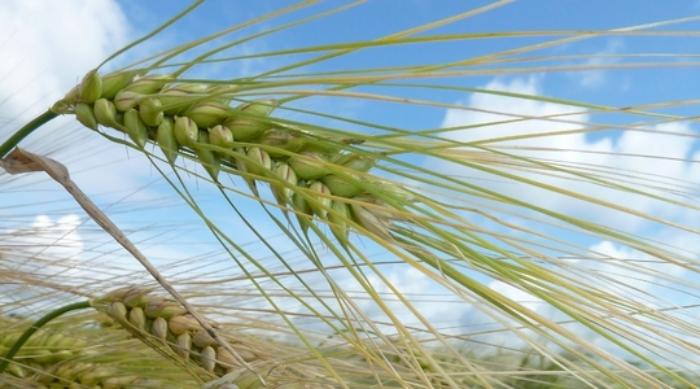
Winter barley for green manure should be planted in the fall, after the garden crops have been harvested. Planted in early September, the crop has time to develop new greenery and accumulate nutrients.
If planted in late autumn, the aboveground part will not have time to form before the cold weather sets in. This type of barley will begin growing quickly with the onset of spring warming.
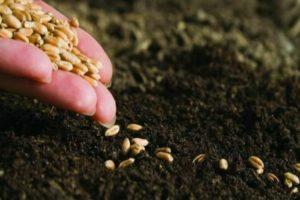
Spring barley planting should begin with the arrival of warm weather in spring. When the soil temperature reaches 5°C (41°F), work can begin. This typically occurs in March or April. In this case, green manure is harvested 4-6 weeks later.
Seed consumption rate
When planting green manure, use a narrow-row method. This planting pattern requires the following requirements:
- the interval between rows is 6-8 centimeters;
- the distance between seeds is 1.5-2 centimeters;
- The planting depth in light soil is 6 centimeters, in heavy soil – no more than 3 centimeters.
The average seed consumption is 15-20 grams per 1 square meter of area or 1.5-2 kilograms per 100 square meters.
To suppress active weed growth, it is recommended to increase this rate to 25 grams per square meter.
How to plant
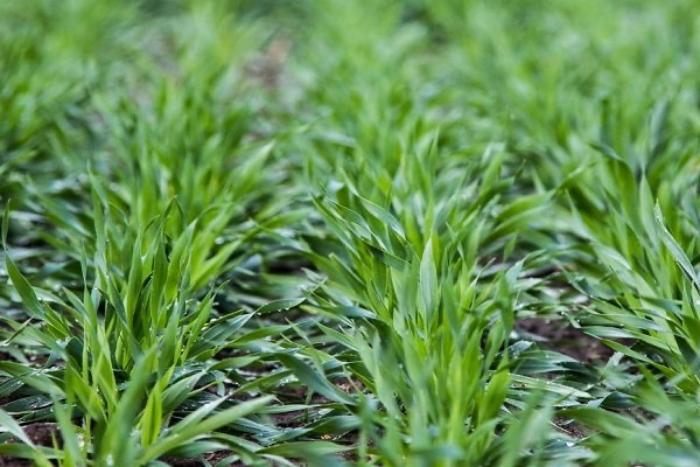
To plant green manure, clear the beds of plant debris and dig them deep with a spade. Afterward, level the soil and make small furrows. Plant the seeds in these furrows and cover them with soil. If the soil is too dry, water the beds.
Timing and features of digging
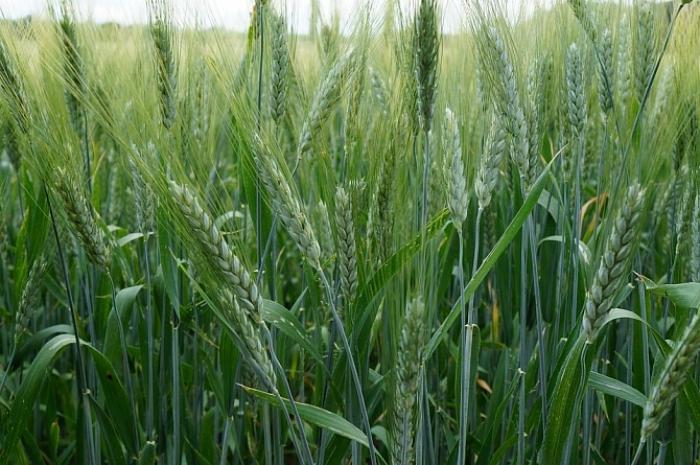
It's recommended to mow green manure 10-14 days before planting the main crop. It's important to stick to the timing. If the barley produces an ear, the green part will become tough and its nutrient content will decrease. This green manure requires more time to decompose and is also less beneficial.
There are various ways to dig up a fertilized area. It's important to leave the grass roots intact. They produce nitrogen and other valuable nutrients from deep soil layers. Vermicompost forms among the root residue.
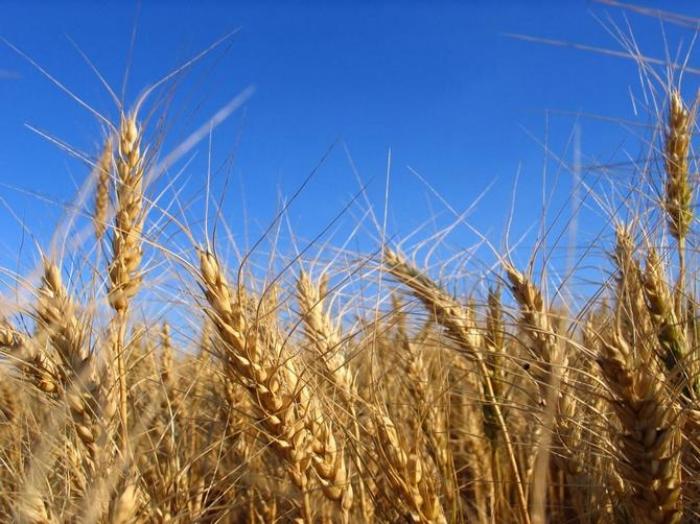
To use the first method, you need to do the following:
- Mow the grain without touching the roots.
- Place the shoots around the area. Shredding the stems will speed up their decomposition and release of nutrients.
- Plant the next crops, making furrows among the scattered barley.

Mown grass spread over the surface of the plot makes an excellent mulch. This material will shade the soil and help retain moisture in the upper layers of the soil for longer.
The second method involves digging the green manure crop at a shallow depth. This work should be done with a hoe or a flat-top harrow, not a shovel. Otherwise, there's a risk of damaging the crop's roots.
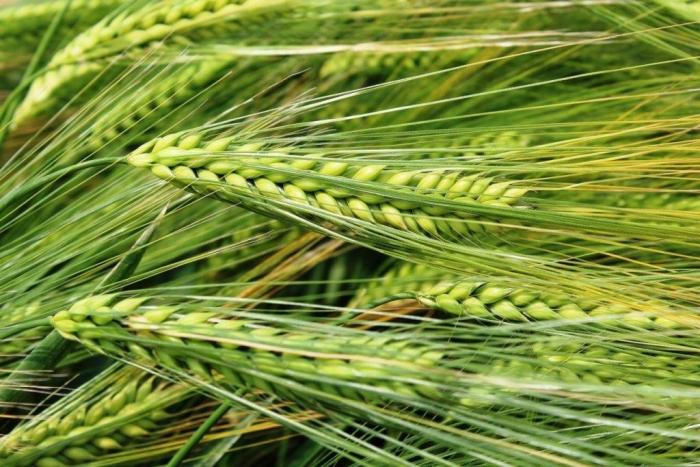
What crops should be planted after it?
After barley, it's best to plant peas, lentils, and other legumes. Various cruciferous crops, such as turnips, cabbage, radishes, and others, are also acceptable.
However, planting other grains after barley is prohibited. They require the same nutrition. Therefore, the yield of wheat, rye, or oats will be minimal. Planting potatoes after barley is also not recommended. Green manure attracts wireworms, which can cause serious damage to the tubers.
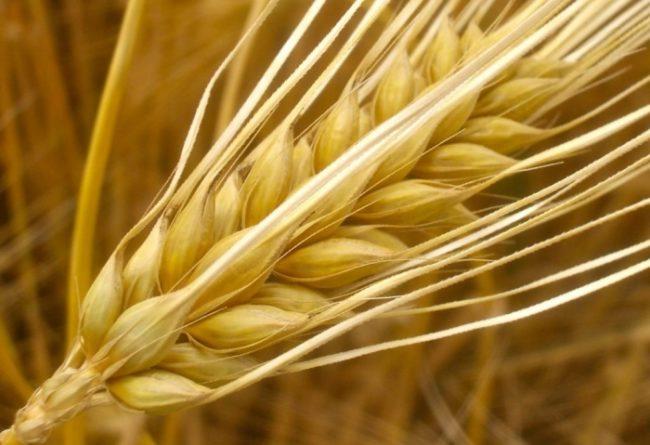
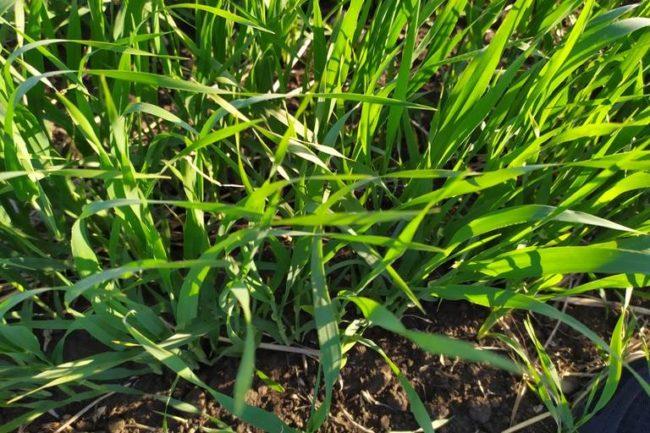
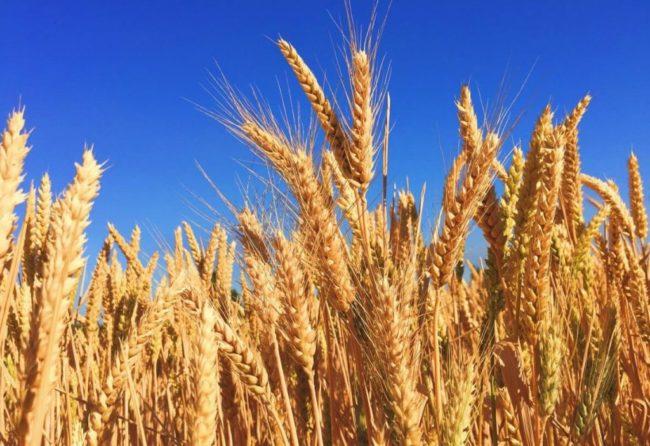
What to choose: oats or barley
Barley, which is drought-resistant, is more suitable for arid regions. However, oats are a better choice for acidic soils and peatlands. This plant enriches the soil with potassium. Nightshade crops thrive after this green manure.
Barley is a valuable plant that enriches the soil with nutrients and improves its aeration. It prevents the spread of weeds and improves the soil structure. It is important to follow the rules for sowing and growing green manure.