
Green manure crops are annual or perennial plants that are planted immediately after harvest. Applying green manure to the garden in the fall helps enrich the soil with nutrients and improve the growth of other crops. These plants quickly grow aboveground and develop a strong root system. They are used in fields, greenhouses, and vegetable gardens to increase yields the following year.
Purpose of autumn green manure
Using green manure in the fall is considered the simplest and most accessible method of restoring a plot's fertility. These crops help prepare the beds for spring sowing. Properly incorporating green manure into the soil can yield many positive results:
- Enrich the soil with valuable substances.
- Normalize the substrate structure. Green manure is used to improve the soil's looseness and air permeability.
- Get rid of weeds. It's important to remember that if green manure crops aren't cut back before they go to seed, they themselves will become weeds.
- Protect beds from pests, infections and rot.
- Protect plantings from recurrent frosts in spring.
- Preserve snow cover in garden beds. Winter crops help retain moisture in the soil structure.
Autumn plantings can be left over winter or buried until the first frost. Sometimes, only the root system is left to decompose. In this case, the mown greens are used as mulch or composted.
Frequently used types
Various crops can be used as green manure. They differ in their effects and growing characteristics.
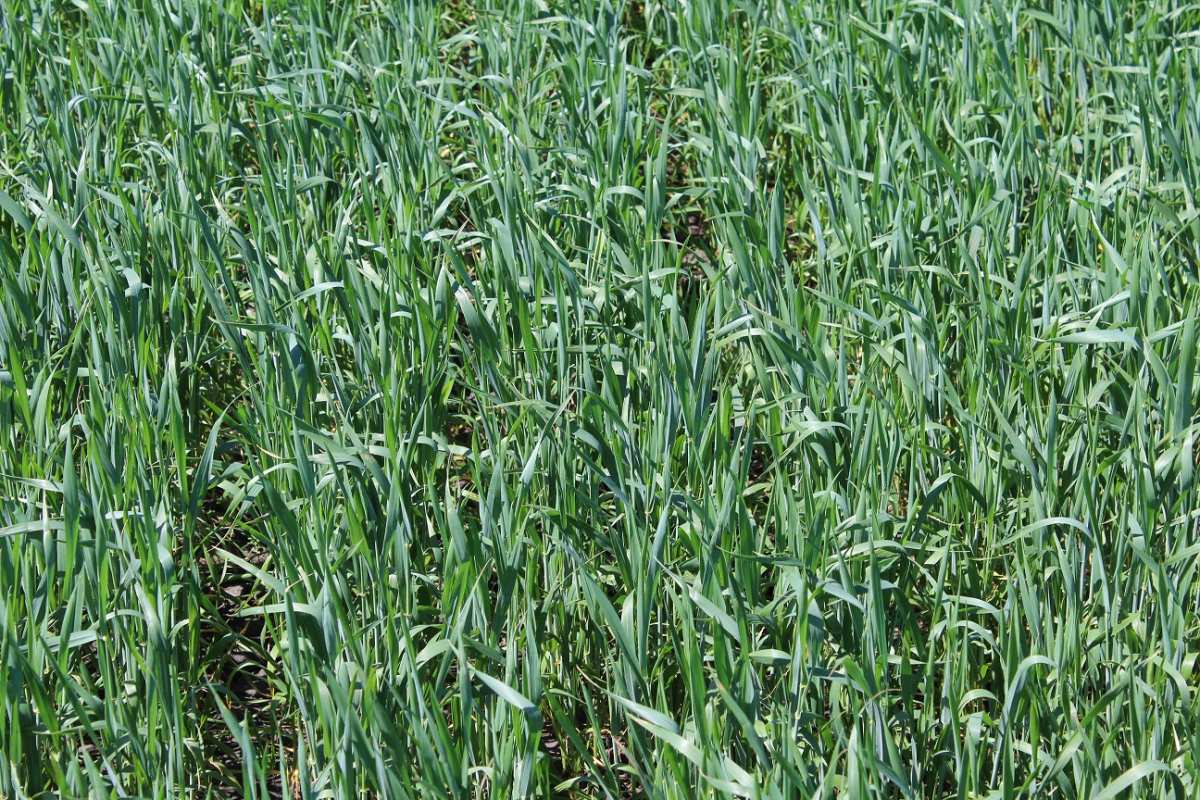
Barley
This is an undemanding green manure that protects the soil from weathering and leaching. When planted with barley, it helps loosen the soil and retain moisture. Typically, it is used before planting clover, corn, and potatoes. However, experts advise against planting cereals after barley.
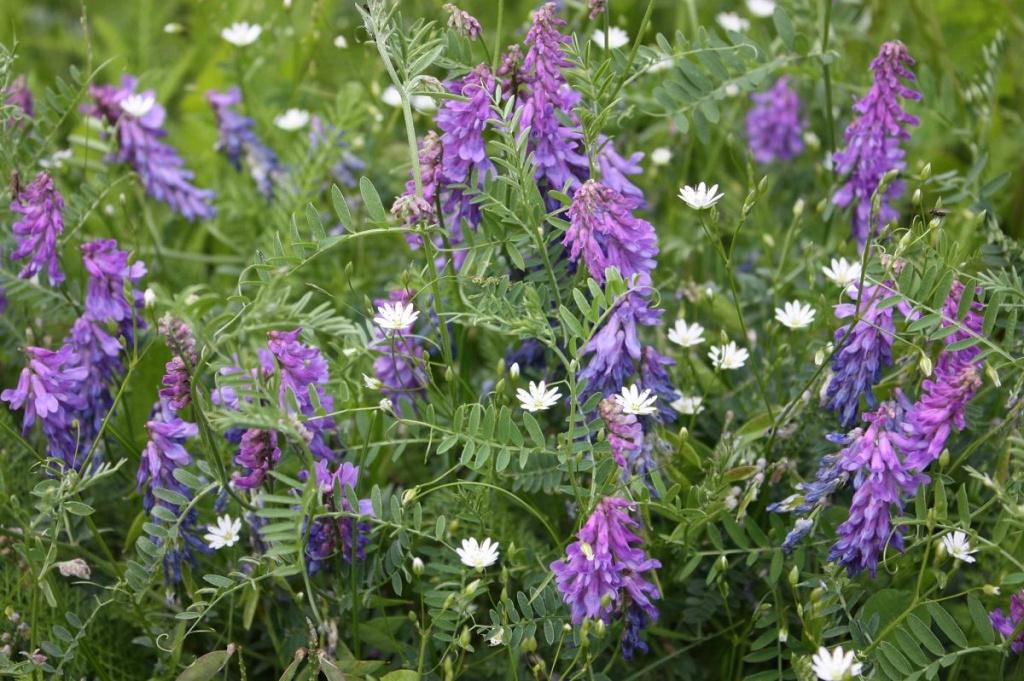
Vetch
This plant belongs to the legume family. It helps enrich the soil with nitrogen and loosen it. However, vetch should not be grown in overly acidic or saline soil.
This crop can be an excellent precursor for almost any plant. It's ideal for cabbage, carrots, beets, and potatoes. It can also be planted before tomatoes, peppers, eggplants, pumpkins, greens, and many other crops.
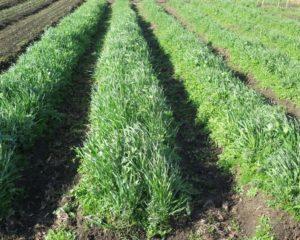
The plant is ideal for combining with oats. This combination allows the legume to climb up the oat. When planted in the center and edges of a strawberry bed, it won't need to be covered for the winter. The mature green manure will cover the berry bushes and prevent them from freezing.
In northern regions, vetch can be planted as early as August or early September. However, in the south, this should not be done before October. Otherwise, the green manure will suppress the growth of garden strawberries.
Mustard
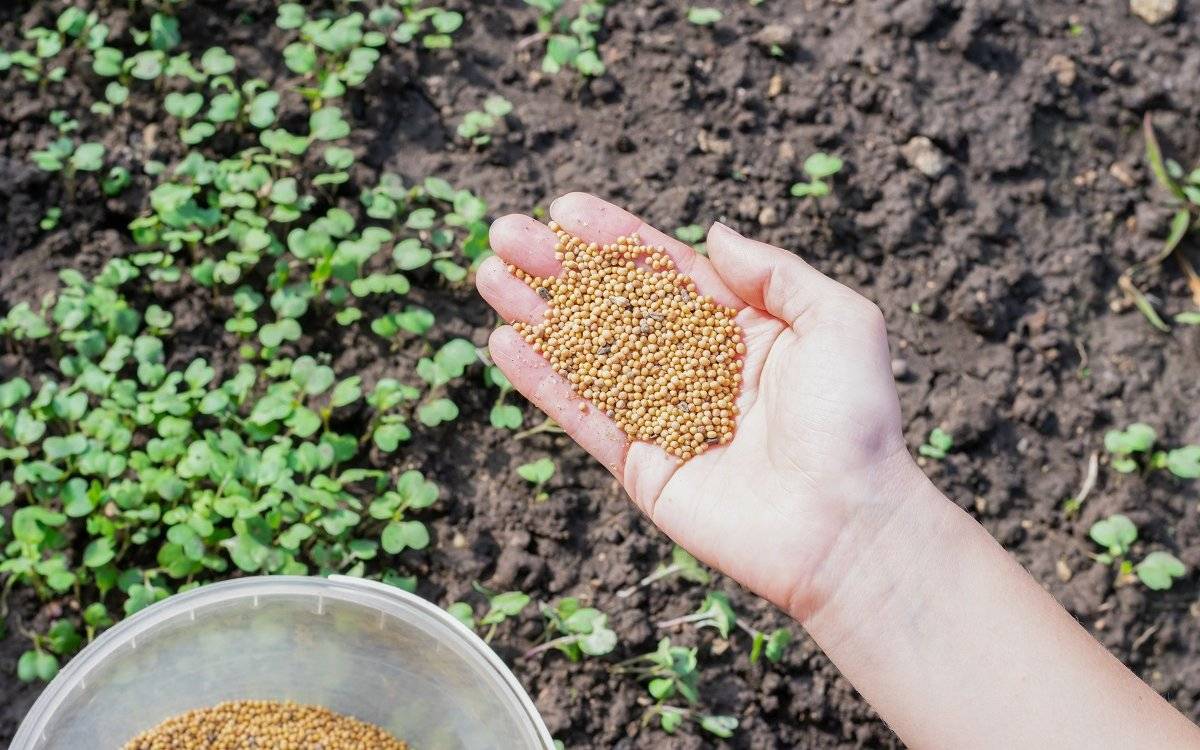
This plant is suitable for planting in various soil types. However, it's important to keep in mind that mustard is demanding in terms of moisture and light. This green manure enriches the soil with phosphorus and potassium. This is due to their conversion into an easily digestible form. Mustard also helps enrich the soil with sulfur.
This plant helps suppress weed growth. It also copes well with late blight. It can also be used to combat wireworms, nematodes, slugs, and cockchafer larvae. Mustard is an excellent honey plant, attracting beneficial insects. However, in the spring, it often suffers from flea beetles.
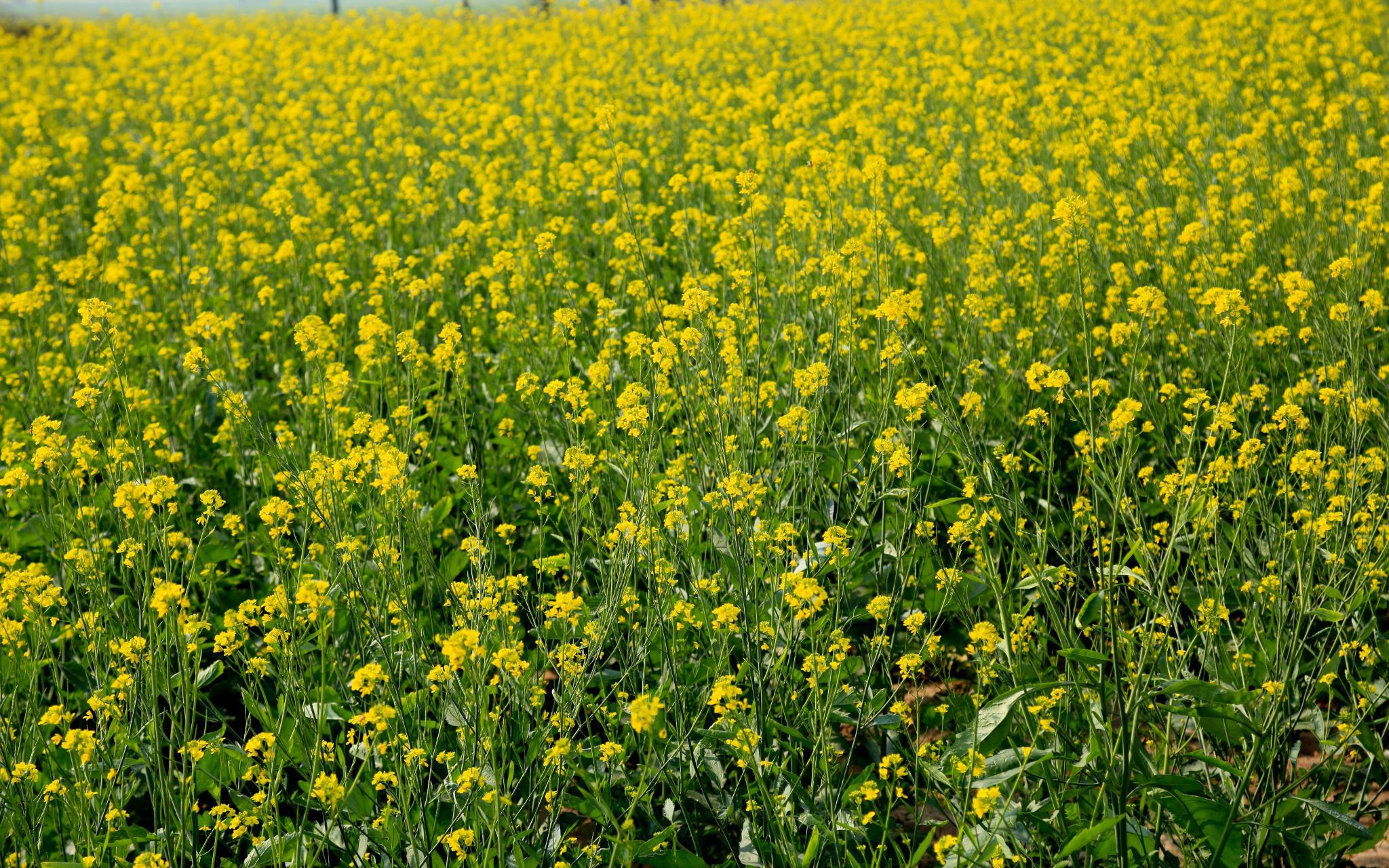
Mustard is an ideal precursor for tomatoes, potatoes, carrots, peppers, and beets. However, it should not be followed by cruciferous crops, such as cabbage, radishes, turnips, and watercress.
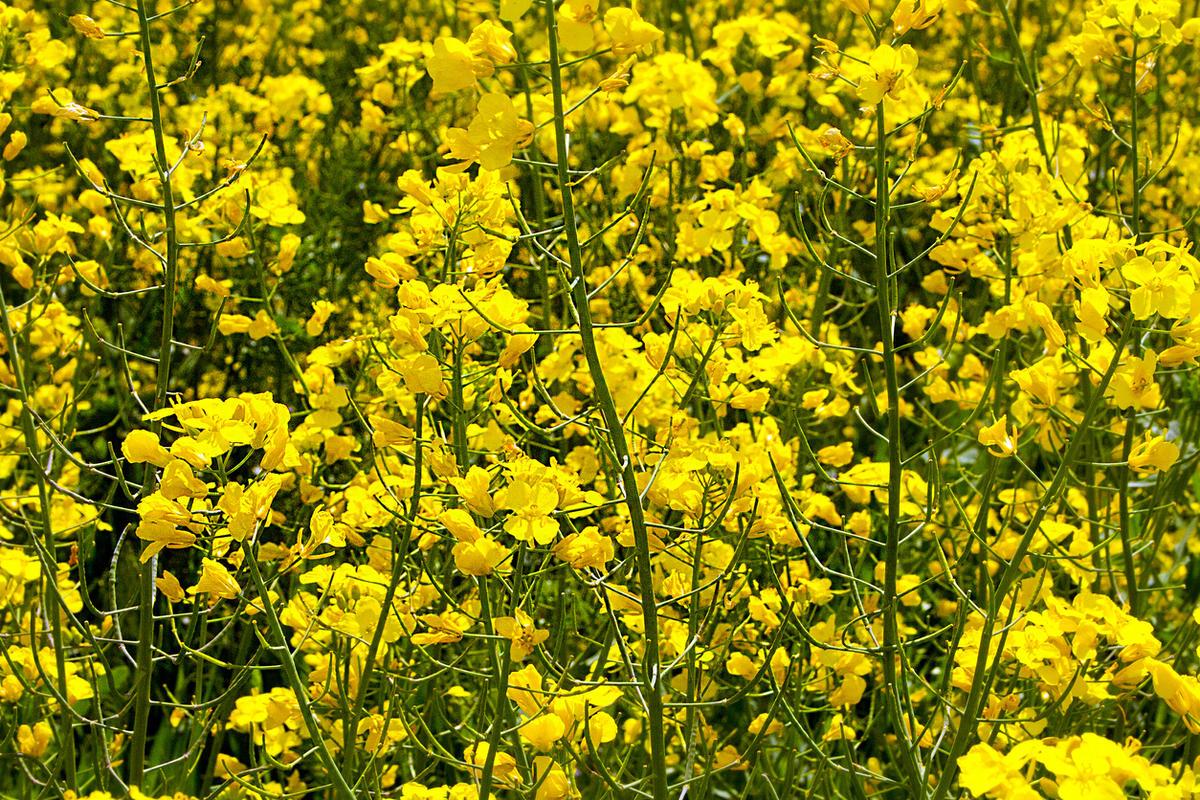
Rape
This green manure helps enrich the soil with potassium, sulfur, and phosphorus. It should not be used in acidic, sandy, or waterlogged soils. Rapeseed suppresses weeds and protects beds from diseases and pests. It is also reported to be a reliable preventative for various types of rot.
Rapeseed is an excellent precursor to eggplant, carrots, and tomatoes. It can be followed by beets, zucchini, cucumbers, beans, soybeans, and lentils. However, it is not recommended to plant turnips, cabbage, radishes, daikon, and other cruciferous crops after this green manure.
Rye
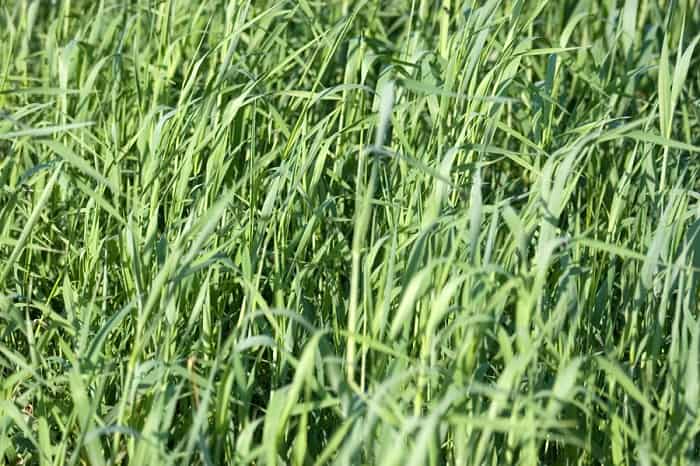
Winter rye helps enrich the soil with nitrogen. This green manure also increases the availability of potassium and phosphorus to plants. It perfectly loosens the soil and helps suppress weeds. It effectively controls couch grass and field thistle.
It's recommended to sow rye separately, as it doesn't tolerate being planted alongside other green manure crops. This crop effectively prevents the development of fungal infections due to its strong disinfectant properties. It easily repels various parasites, particularly nematodes.
Rye can be followed by tomatoes, potatoes, peppers, and eggplants. This green manure is also considered an excellent precursor for zucchini, cucumbers, and pumpkins. Another advantage of rye is its availability. Among its disadvantages, it's difficult to incorporate it into the soil.
Oats
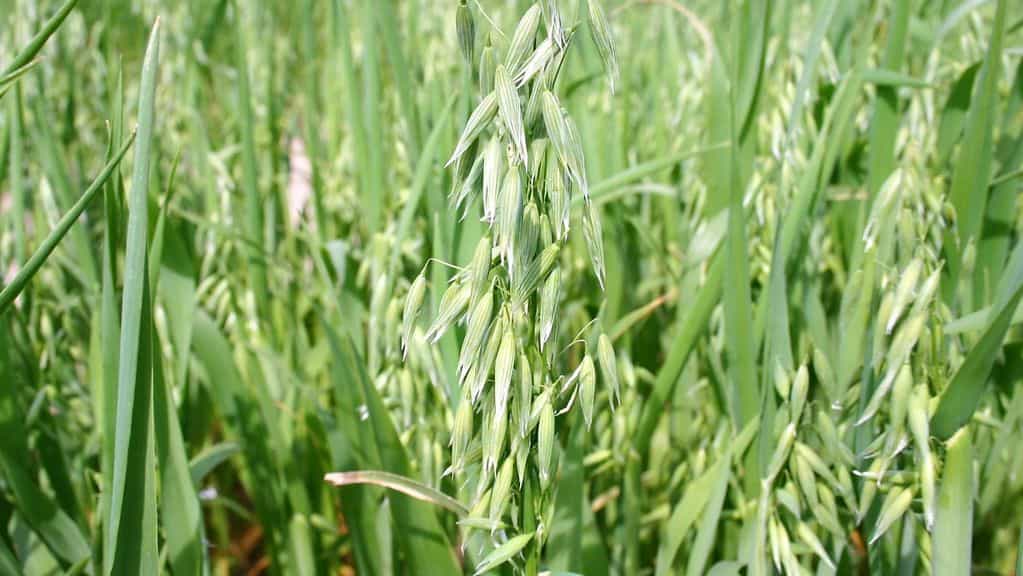
Sowing oats helps achieve a number of beneficial effects. This green manure perfectly enriches the soil with potassium and phosphorus, making these elements available to plants. However, oats are not particularly rich in nitrogen.
The plant perfectly loosens the soil and improves air circulation in clay substrates. It helps eliminate weeds, suppress root rot, and protect against bacteria and fungi.
Oats are considered an excellent precursor to tomatoes, potatoes, and peppers. They are recommended for planting before cucumbers, eggplants, and pumpkins. To improve soil nitrogen saturation, oats should be combined with vetch.
When to sow
In the central part of Russia and the Moscow region, it's recommended to plant plants in late August or September. This will give them time to absorb nutrients from the soil and establish roots. This will prevent autumn rainfall from washing away the soil. If you need to improve the fertility of clay soil, it's acceptable to do this in late autumn, before the first frost.
In Siberia and other regions, the timing for sowing green manure crops varies. This should be done starting in late July. Before the first frost, the stems of the crops should reach 5-10 centimeters. Barley is typically planted in August, and oats, clover, vetch, rye, and lupine are planted in mid-autumn.
How to plant correctly
To achieve the desired results, it's important to plant green manure crops correctly. Follow these guidelines:
- Before planting green manure crops, the beds should be cleared of other plants. Particular attention should be paid to damaged or diseased stems and weeds.
- Before planting green manure in depleted soil, it is worth adding potassium and phosphorus.
- It's recommended to till the dry soil to a depth of 5-10 centimeters. Afterward, loosen it and water it thoroughly. Green manure can be sown only after 2-3 days.
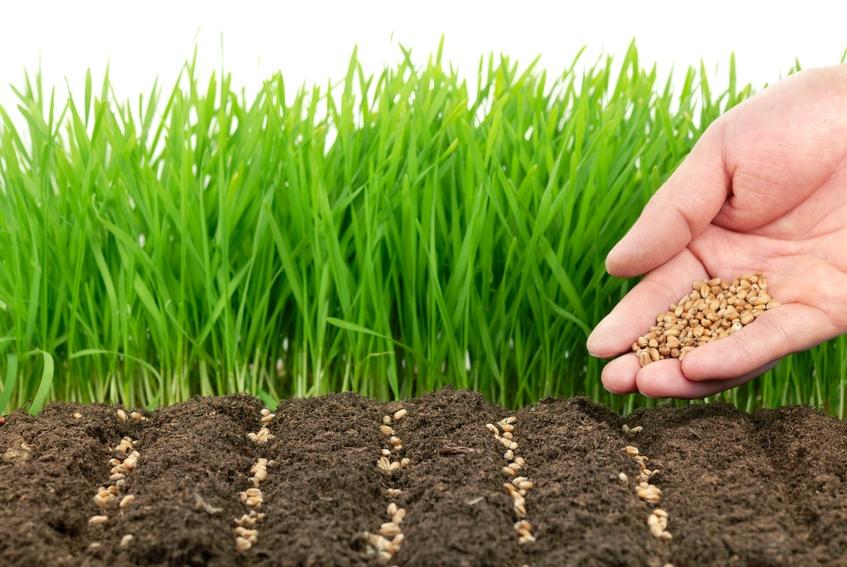
- Avoid planting such crops in furrows. They should be evenly distributed over the soil surface and covered with a thin layer of soil or compost. Green manure crops should be planted fairly densely.
Crops that have begun to grow should be left in the ground until spring. Winter crops tolerate cold well and provide reliable protection for the soil. Their development will stop in winter, but will begin again in the spring. After the green growth has begun, it is recommended to mow the crop and leave it on the soil surface for 2-4 weeks. After planting, the soil should be tilled.
Mowing timing and what to do next
The timing of harvesting plants is determined individually. This depends on soil characteristics and personal preference. Once the green manure has grown, you can proceed as follows:
- One to one and a half weeks before the onset of cold weather, green manure stalks should be mown down to the roots. When spring arrives, it is recommended to bury the green manure. After this, vegetable crops can be planted. The rotted green manure can also be used as mulch or compost.
- Green manure crops can be left standing rather than mowed before winter. The tall stems trap snow and protect the soil from frost. This ensures the soil receives maximum benefit from the green manure crops. After the snow melts, the vegetation should be raked into a pile and burned. It is recommended to dig the resulting ash into the soil. This will significantly increase the yield of cultivated plants.
- Green manure crops planted in the fall can be dug up before the first frost. This can be done in October. The stems should not be cut back. The grown grass can be left for compost. In the spring, the soil is dug up again. Then you can move on to planting the main crops.

Each green manure harvesting method has its own advantages. Therefore, you can choose any of them based on your preferences. Since soil conditions vary from site to site, it's worth trying all the methods described. Only through practice will you determine the most effective one.
Green manure crops planted in the fall are highly effective and can significantly improve the condition of even very depleted soil. However, caution is essential. If planting and mowing are not done correctly, green manure crops can take over the entire plot, becoming weeds. In this case, eradicating them will be very difficult.