
Mustard is a well-known spice that grows in various parts of the world. The plant is considered quite undemanding, easily adapting to any climate. It is widely used in cooking and as animal feed. However, recently, the plant has been used to improve soil quality. When using mustard as a green manure, it's important to know when to sow and when to bury it.
Pros and cons of mustard when used as green manure
Mustard is often used as a green manure to improve soil composition. The main benefits of this plant include the following:
- Clearing fields of weeds. This property is most pronounced in repeatedly plowed soil, rather than in natural conditions.
- Pronounced phytosanitary action. Pea moths and wireworms don't tolerate this green manure. It also helps control slugs.
- Suppresses plant diseases, including potato scab and late blight. According to research, mustard can bind iron, improving soil quality.
- Rapid growth of biological mass. This enriches the area with valuable organic compounds, which are subsequently converted into humus.
- Soil structuring. The plant has very long roots—1.5-3 meters. When they reach this depth, they loosen and drain the soil, saturating it with moisture and air.
- Mulching the soil. Mustard is considered a very frost-resistant crop. After frost, it lies under a layer of snow, transforming from green manure into mulch. This substance helps protect the area from the negative effects of low temperatures in the fall and spring.
- Retaining nitrogen in the soil. Planting the plant is considered a reliable preventative for soil leaching.
However, using mustard as a green manure also has some disadvantages:
- Susceptibility to certain diseases. Mustard belongs to the Brassicaceae family, and therefore is susceptible to clubroot, powdery mildew, and rust.
- Lignification of stems after flowering.
- Susceptibility to birds. Birds love to peck at the plant's seeds and can damage berries or fruits.

On what soils is it used?
Mustard is used as a fertilizer for soils deficient in phosphates and nitrogen. This plant is capable of extracting phosphates from the soil and accumulating them along with micro- and macronutrients.
During periods of rapid growth, plants concentrate large amounts of nitrogen. This leads to intensive decomposition after the greenery is incorporated into the soil, actively saturating it with valuable elements.
This green manure crop demonstrates good germination in soil with a pH of 4.2-8.2. However, yield is directly related to soil type. The plant thrives in peat, sandy, and chernozem soils, which are characterized by a slightly or neutral pH.
What crops and when can be planted after it?
Mustard can be planted before growing the following crops:
- nightshades – tomatoes, peppers, eggplants, potatoes;
- melons – melons and watermelons;
- cereals;
- Cucurbitaceae – zucchini, cucumbers, pumpkin;
- legumes;
- garlic.
However, avoid planting cruciferous plants, particularly cabbage, after mustard. The green manure and the vegetable crop belong to the same family and will therefore be susceptible to the same diseases. This will negatively impact yield.
When and how to plant correctly
When planting, it's important to follow certain guidelines. Sowing can be done at different times.
We sow in the spring
Spring planting should begin in late March, one month before planting the main crops. Planting can be done in vegetable growing areas, flower beds, or flower gardens.
In this case, it is recommended to do the following:
- Prepare the soil. Typically, loosening the soil with a cultivator is sufficient.
- Plant the seeds. This can be done randomly or in rows. The seeding rate per 100 square meters is 200-300 grams.
- Harrow the beds. This will help bury the seeds in the soil.
Sowing in summer
In summer, it's recommended to plant green manure in areas that are resting from the main crops. However, mustard should not be planted near other members of the Brassicaceae family. The average seed rate when broadcasting is 3-4 grams per square meter.
Autumn planting
Mustard can also be planted in the fall. This method has several advantages:
- Protecting soil from wind blowing, freezing, and washing away by melt water.
- Loosening the soil.
- Transfer of macronutrients from deep layers to the soil surface and increase of its fertility.
- Saturation of the soil with nitrogen and other valuable substances.
For autumn planting, it is recommended to do the following:
- clear the area of weeds and remaining tops;
- add humus or dolomite flour;
- prepare the soil - at this stage, it is cultivated and harrowed;
- sow mustard seeds;
- plant the seeds in the soil.
When sowing, avoid planting the seeds too deeply. Otherwise, the germination process will be significantly slower. This is undesirable when time is limited. Immediately after planting, the beds should be thoroughly watered.
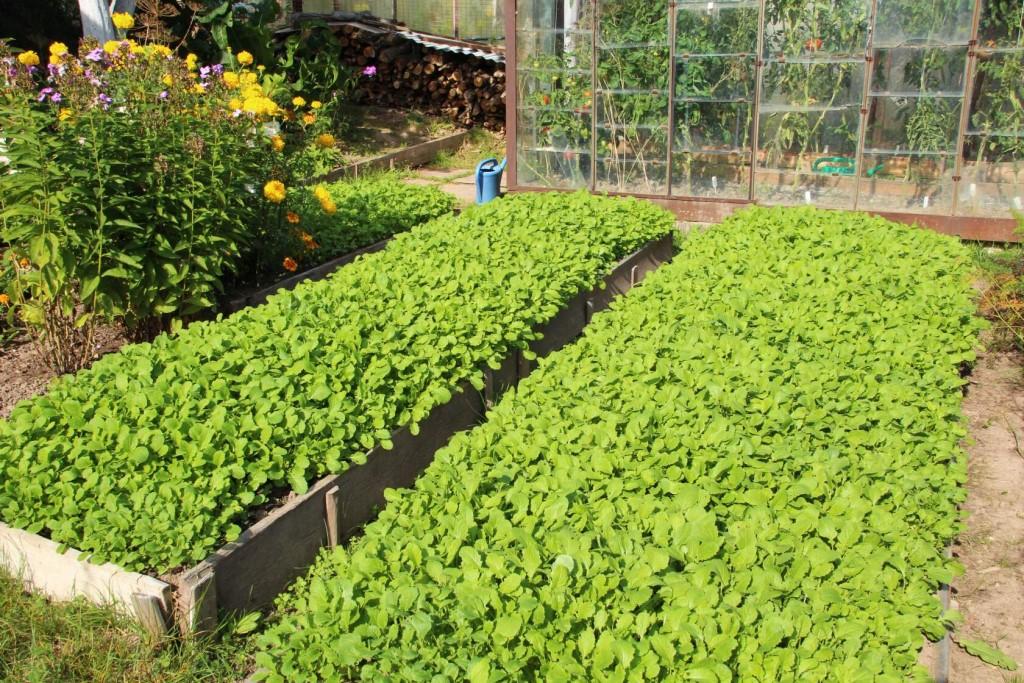
Subsequent care is usually not required. Mowing is generally not necessary when planting in the fall. If necessary, the remaining plant material can be dug up in the spring after the snow melts.
Care Features
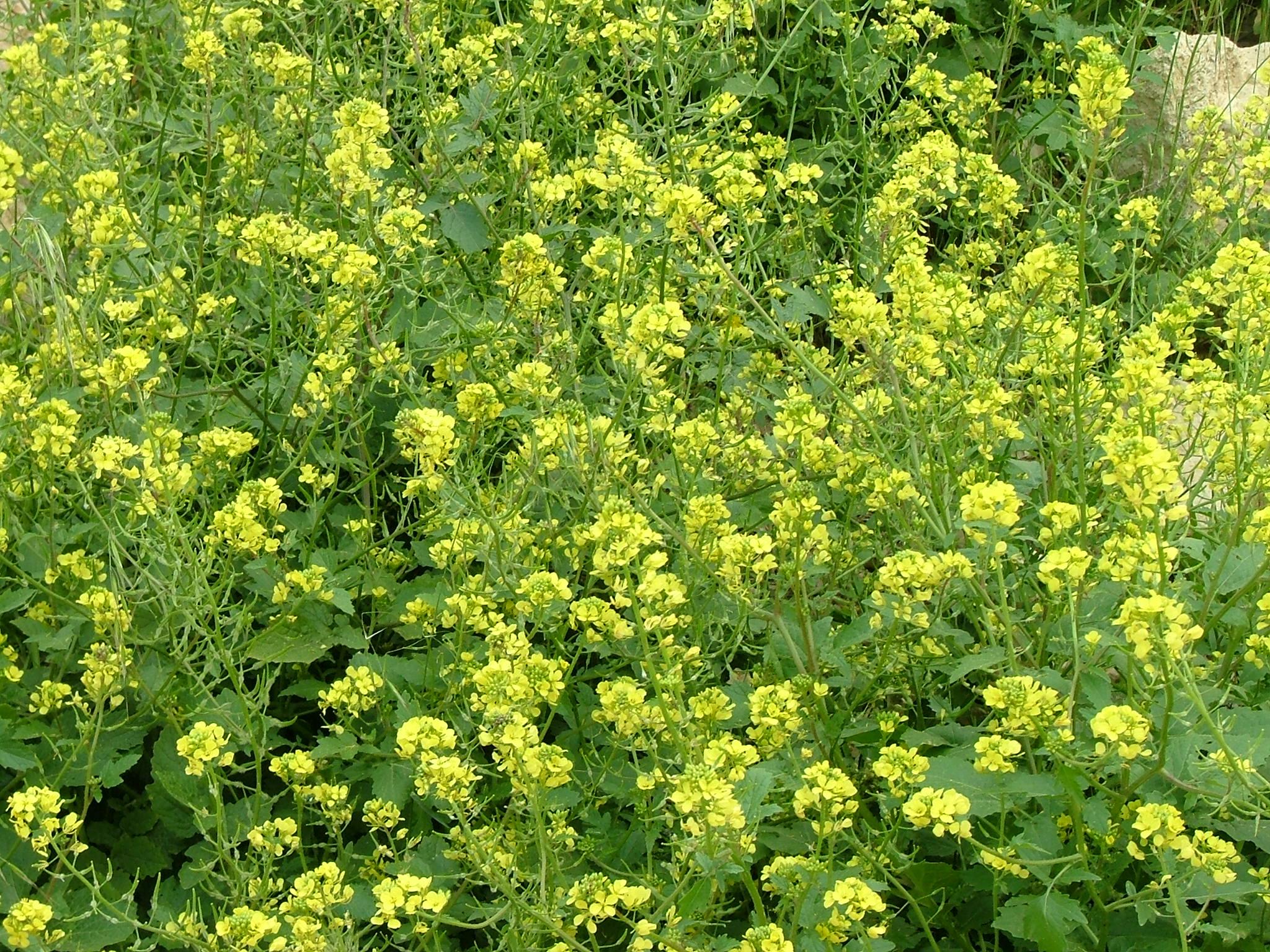
Mustard sprouts appear literally 3-4 days after planting at temperatures of 10 degrees Celsius. However, the plant's development then slows. It takes about a month for the plant to fully occupy the area. Flower buds appear only after 5 weeks.
To ensure proper growth and development, the plant requires regular watering. At least once a week is recommended. Use a bucket of water per square meter. Dig in the green manure before flowers appear.
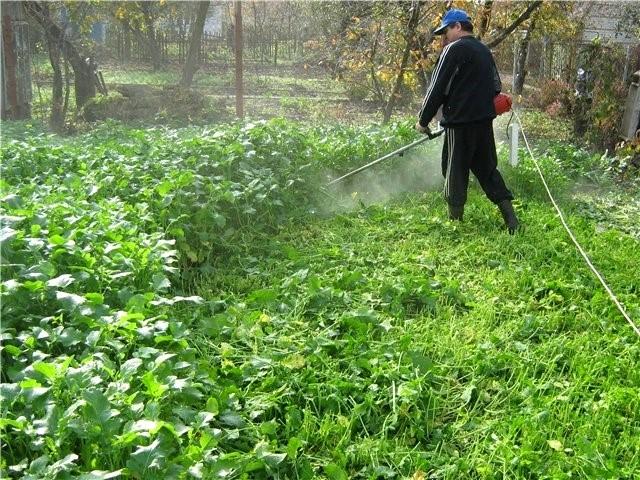
Mowing times
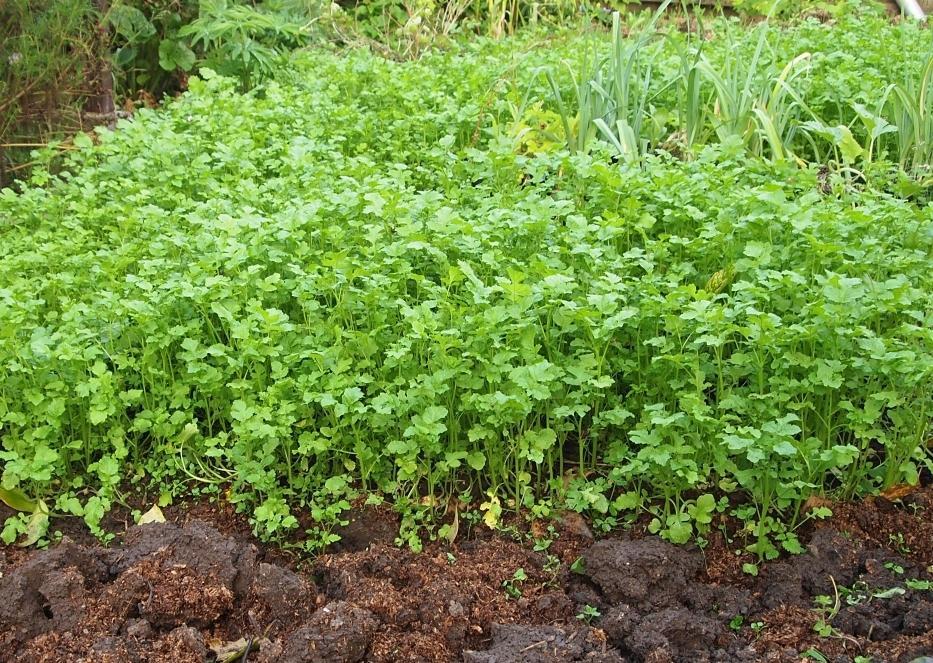
Green manure should be mown before the flowers appear—by this time, it reaches 15-20 centimeters. Failure to do so promptly risks severely coarsening the stems and leaf petioles. This will result in the greens being processed much more slowly.
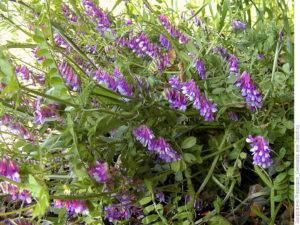
Moreover, during flowering, mustard extracts many valuable nutrients from the soil. As a result, it provides no benefit to the garden. If mustard is allowed to self-seed, it will transform from a useful green manure into a dangerous weed.
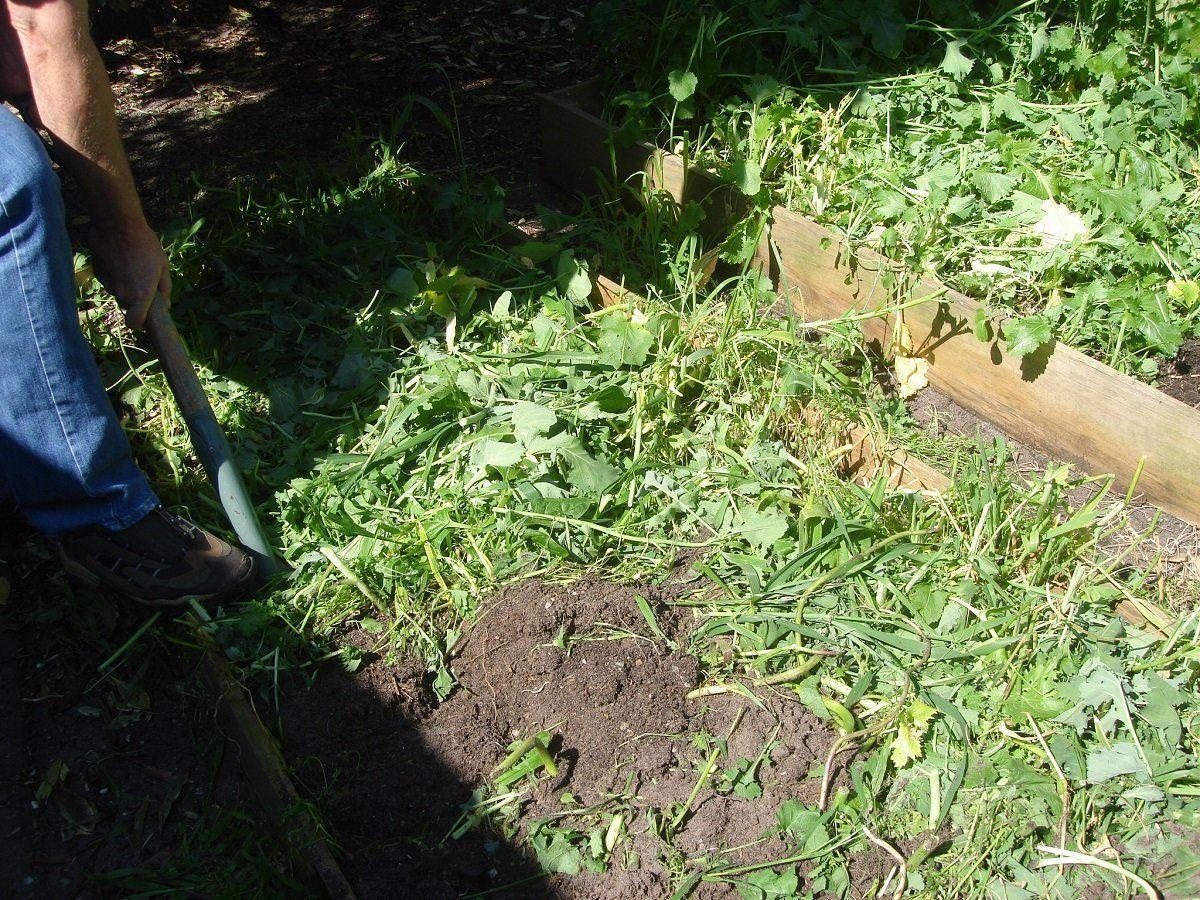
To provide the soil with nutrients, mustard beds should be dug over. The green mass can be incorporated into the soil using various methods, including a walk-behind tractor or a regular shovel. During dry weather, water the soil once a week. This will help speed up the decomposition of the greens in the soil. Apply two buckets of water per square meter.
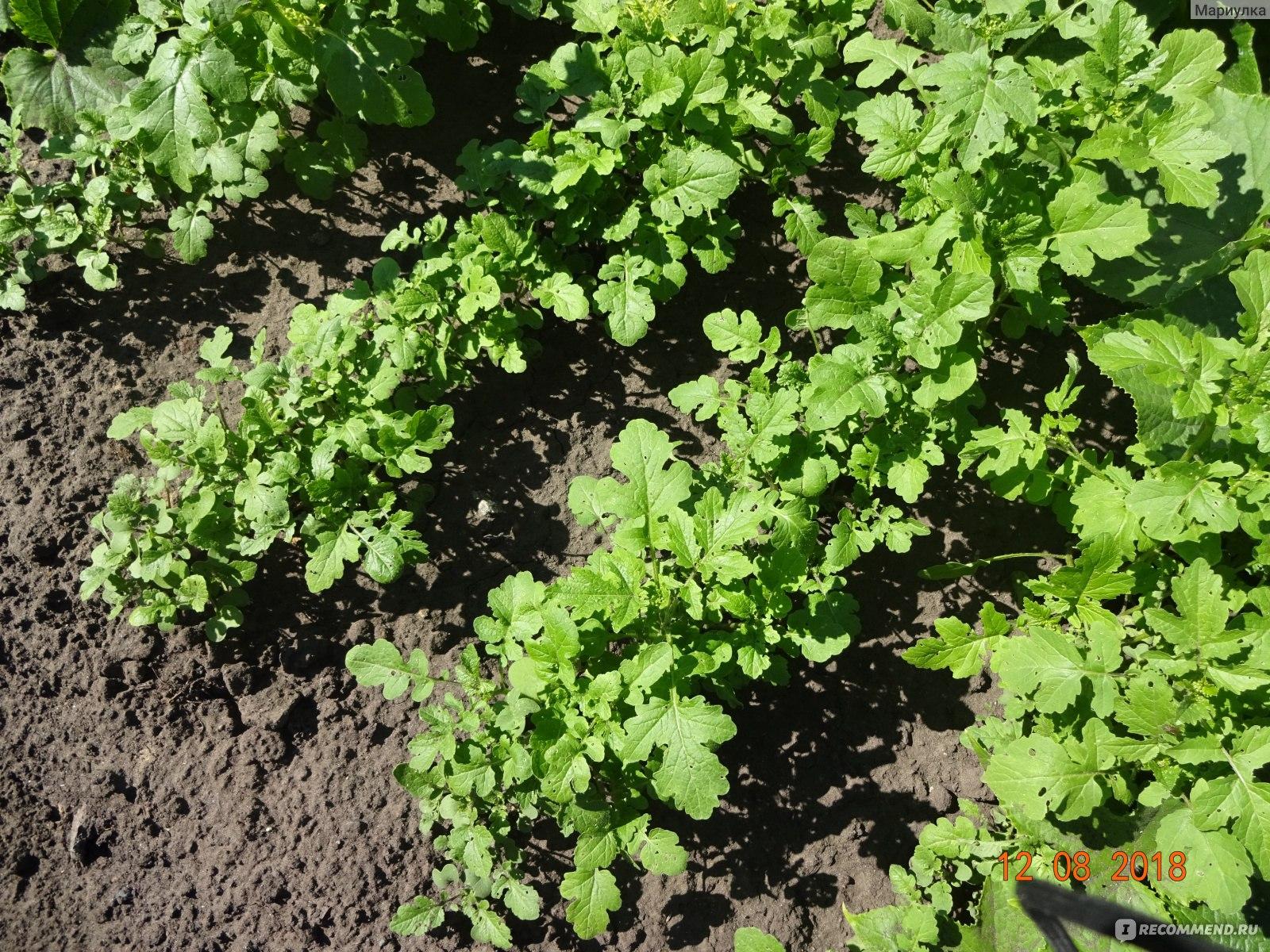
To speed up the decomposition of mustard greens, it's worth using special products. One of the most effective is "Baikal EM-1."
Common mistakes
When growing mustard as a green manure, many gardeners make the following mistakes:
- Don't water the plant after planting. Mustard is considered a moisture-loving crop, so it's important to avoid allowing the soil to dry out. To ensure proper growth, it requires moderate but consistent watering.
- They don't harrow the garden after sowing. As a result, the seeds are dispersed by the wind or eaten by birds.
- Mustard is sown in the same place as radishes or cabbage. These plants are considered related, so planting them next to each other is prohibited. This increases the risk of spreading diseases and pests.
- The crop is being mown too late. Green manure crops must be harvested before the seeds ripen. Otherwise, the plant will become a weed.
- Mustard is planted too closely or too sparsely. The average rate of mustard is 200-300 grams per 100 square meters. It's important to distribute the seeds evenly to avoid empty spots.
Mustard is an effective green manure that helps loosen the soil, enrich it with nutrients, and eliminate weeds. To achieve the desired results, it's important to strictly adhere to the planting and care guidelines.