
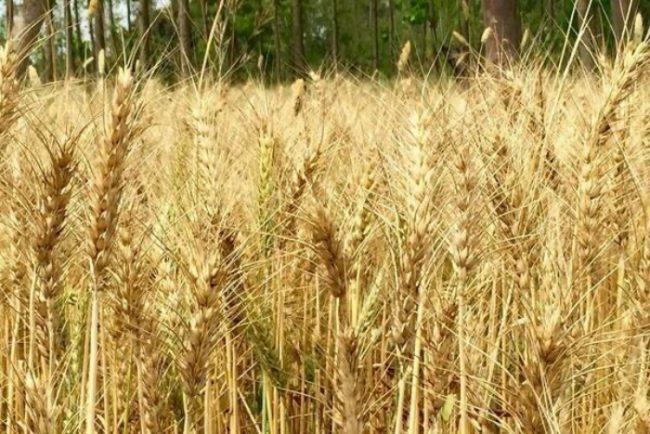
Wheat is an annual herbaceous plant belonging to the Poaceae family. Cultivation of this grain crop is a leading crop in many countries around the world. However, not everyone knows that wheat is used as a green manure. However, this crop perfectly loosens the soil and enriches it with valuable nutrients. This helps make the soil more fertile.
Can this crop be considered as green manure?
Wheat can be grown as a green manure crop. Once its foliage matures, it accumulates large amounts of nitrogen, magnesium, potassium, phosphorus, and other beneficial elements. These nutrients provide nutrition to subsequent plants, eliminating the need for fertilizer.
The plant's fibrous roots also contribute to this process. They structure the soil and create numerous small channels. This facilitates the penetration of water and air into the soil. Wheat's powerful root system extracts minerals from poorly soluble compounds and draws them to the upper soil layers.
Green manure of the soil with wheat helps to achieve the following effects:
- Humus formation. The breakdown of greenery by soil microorganisms promotes the formation of nutrients essential for plant development.
- Eliminating infections and pests. Substances secreted by the grass's root system help disinfect the soil. These elements pose a threat to many viruses and fungi. They also inhibit the development of parasite larvae.
- Weed-free garden. Dense planting creates a dense canopy. This deprives weeds of nutrients, water, and light.
- Preventing and eliminating soil erosion. In regions with high rainfall and winds, the fertile soil layer gradually erodes. Such areas should not be left uncultivated. The fibrous roots and dense foliage of wheat plants halt this destructive process. At the same time, the decomposition of the foliage replenishes the missing nutrients.
- Improving the quality and quantity of harvests. By improving root conditions, garden plants produce more fruit. Their quality also improves due to increased vitamin and mineral content.
What to choose: winter or spring wheat
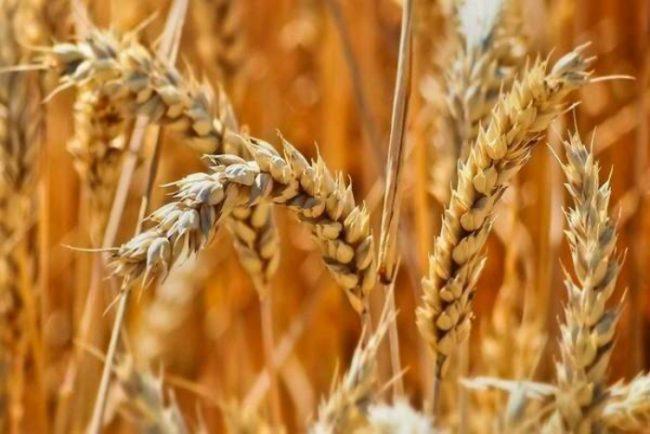
Wheat comes in two varieties: spring and winter. The choice of variety is influenced by weather factors, including the regional climate and the desired outcome.
Spring wheat does not have the same resistance to pests and weeds as winter wheat.
In addition, it is characterized by the following features:
- Plants do not grow well in acidic soil.
- Hard varieties require nutritious soil.
- Plants can be planted in winter, since sprouts appear at a temperature of +2 degrees.
- Crops need abundant watering.
- Spring varieties are not suitable for areas where nothing has grown before.
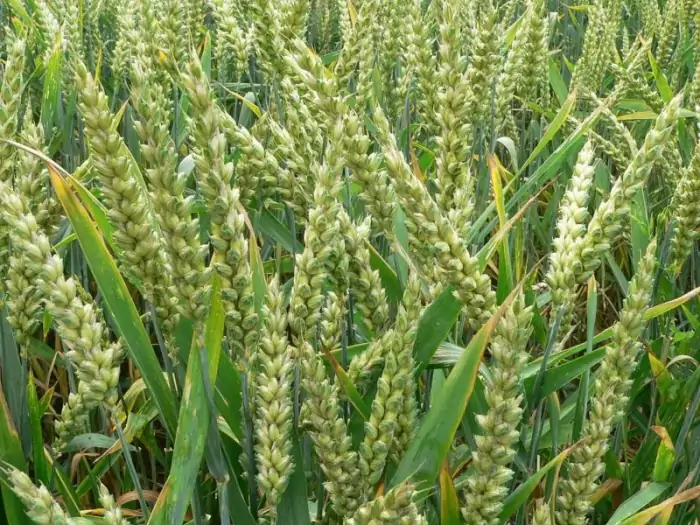
The winter variety is characterized by the following features:
- Plants are suitable for soil restoration in southern regions and in regions with variable climates.
- Winter wheat does not require soil preparation before planting.
- Such crops germinate better than spring crops.
- When planting winter varieties in the spring, green manure will not produce the desired effect. In this case, the sprouts will be too poor and weak.
- This type of wheat is not recommended for planting in regions with minimal winter precipitation.
Pros and cons
This grain helps improve clogged, heavy, and poorly maintained areas. It offers the following benefits:
- The roots deeply loosen the soil.
- Decomposing greenery supplies the soil with potassium, phosphorus and nitrogen.
- The green mass not only goes into the soil, but is also used to feed livestock.
- Straw can be used as bedding for farm animals.
- Some of the stems go into compost after cutting.
Wheat is used less frequently as a green manure than other crops, as it can only be used in cultivated areas. The main disadvantages of this grain include:
- Not suitable for podzolic soils.
- Do not use in areas with outbreaks of fungal infections.
- Does not repel beetle larvae.
When and how to plant correctly
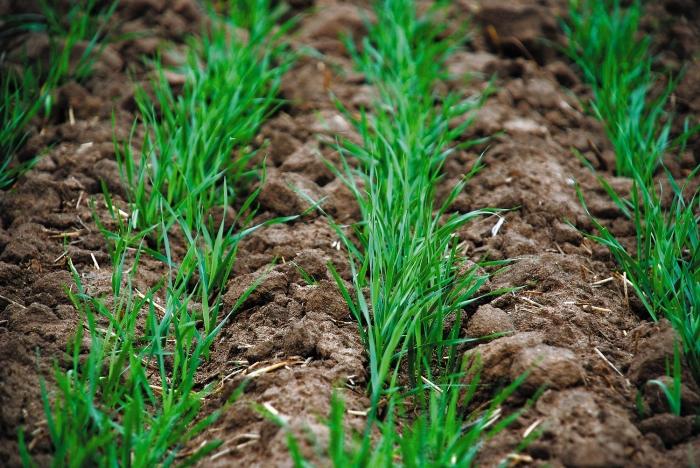
Before planting green manure, the bed should be weeded. If there is a lot of unwanted vegetation, you can use special weed control products.
Spring
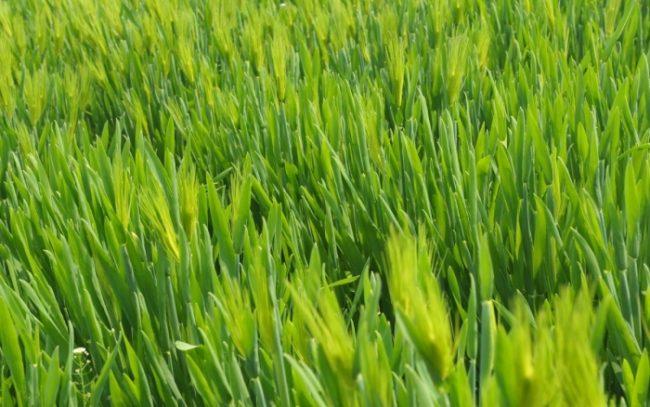
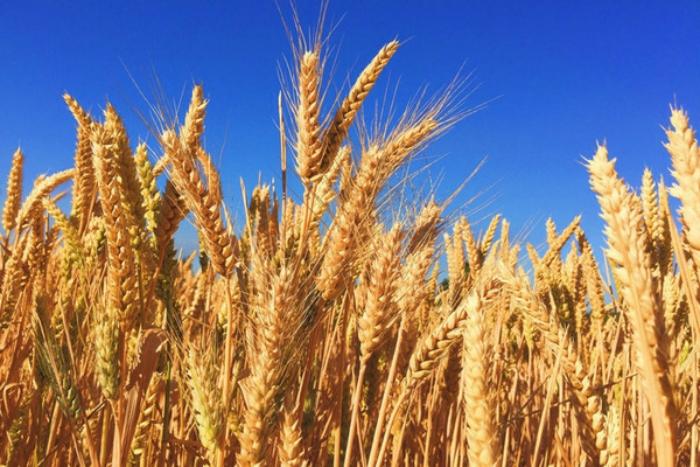
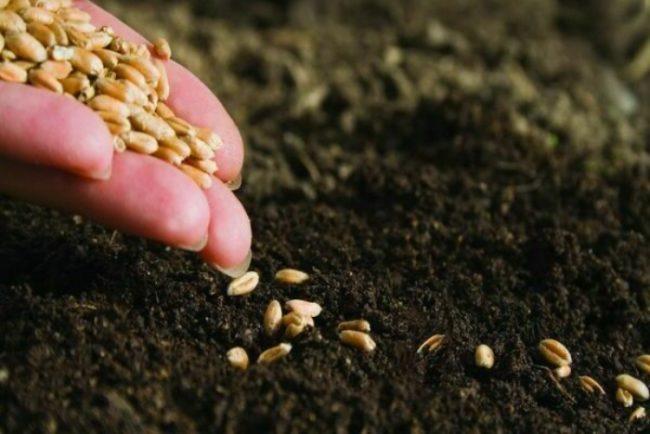
Spring wheat varieties are recommended for planting in spring, summer, or early fall. It's important for the soil to warm to 2-3 degrees Celsius. The first frost should occur 40-45 days before the first autumn frost. It's recommended to use 30-50 grams of seeds per square meter.
The required amount of fertilizer should be distributed over the surface of the bed, dug in, and watered. Seeds can also be planted in furrows 4-5 centimeters deep. To improve soil contact, the beds should be rolled 2-3 days after sowing. This helps speed up the emergence of seedlings. In dry weather, the crops should be watered daily. The first shoots will appear in about 10 days. After another month, the earing phase begins. At this point, the crop is harvested.
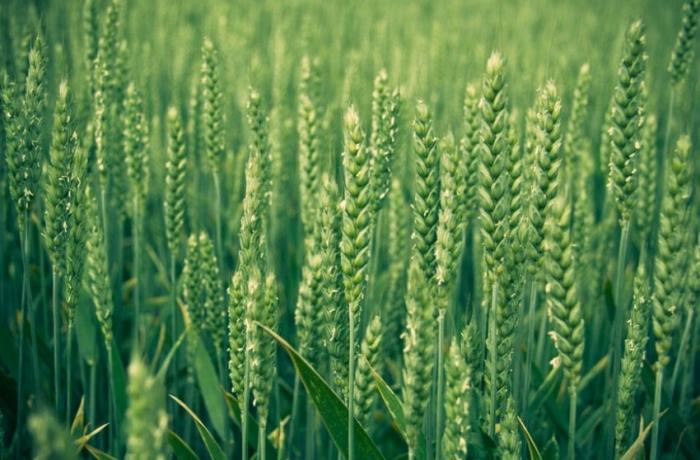
Winter
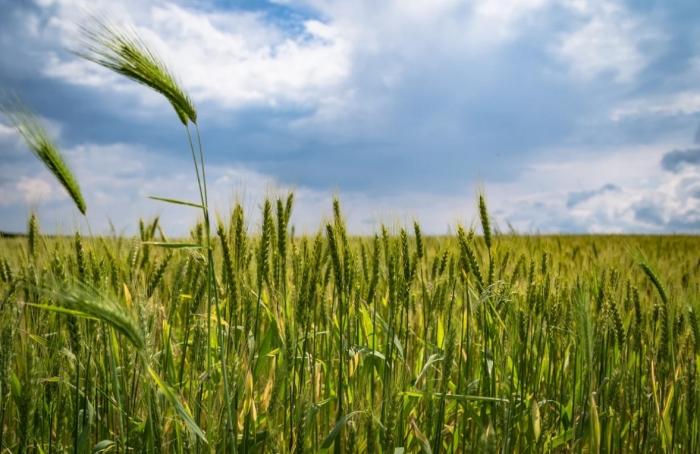
This crop requires vernalization at subzero temperatures for full development. Therefore, it is planted exclusively in the fall. This allows the plant to germinate slightly before winter, and its most active growth will begin after the snow melts.
What plants can it be combined with?
The greatest benefits can be achieved by combining wheat with other green manure crops. For example, combining it with legumes enriches crops with nitrogen and potassium. Wheat can also be combined with the following crops:
- Phacelia – has a strong immune system;
- mustard – disinfects the soil from spores and cleanses it from parasites;
- Lupine – saturates the soil with nitrogen and stimulates the development of wheat.
What crops can be planted after
Wheat is considered an excellent precursor for a variety of crops. The following crops can be planted after it:
- nightshades – tomatoes, eggplants, peppers;
- legumes - these include asparagus, beans, soybeans, peas;
- cruciferous vegetables – turnips, different types of cabbage, radishes, horseradish.
Wheat is often used as a green manure crop. This crop enriches the soil with valuable nutrients and improves its structure. To achieve the desired results, it is important to strictly adhere to planting and care guidelines.
