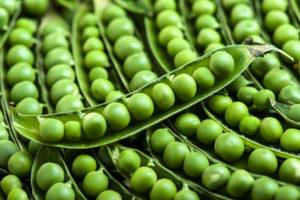
To successfully grow peas, you need to properly utilize the land available. Achieving this is achieved through proper crop rotation. This involves alternately sowing different crops at different times in the same area. All data is based on rigorous scientific research. To ensure a good harvest, it's important to know which crops are the best predecessors for peas, as well as monitor soil weed levels and depletion levels.
Peas in crop rotation
This crop easily picks up diseases and pests from nearby plants, including closely related plants and completely different species. Therefore, peas are replanted in the same location only once every 4 to 6 years. If a given area (for example, due to dampness) is prone to fungal and bacterial diseases, the intervals between replantings are increased to 8 to 10 years. Planting peas within 1 km of other legumes is also not recommended.
Yield depends on the degree of weed infestation (it's reduced by half). If there are only a few weeds, the crop will easily cope.
Plant characteristics:
- It is a source of vegetable protein.
- The fruits and stems do not absorb nitrates, as well as radioactive and toxic substances.
- Compared to other agricultural crops, it doesn't deplete the soil; on the contrary, it nourishes it with nitrogen. It's an excellent green manure crop. The tops and leaves are sources of micronutrients that are easily absorbed by the soil.
Important! Peas account for 25% of the total crop rotation (from 1 hectare to 25 acres).
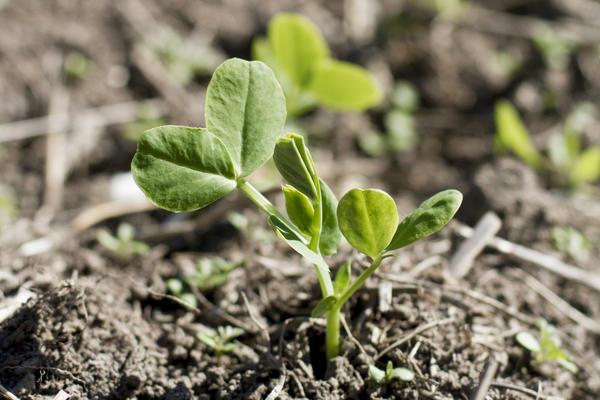
Soil cultivation after peas
It's done using the autumn-winter method, that is, from summer to autumn. After this, the soil rests (freezes) for the winter.
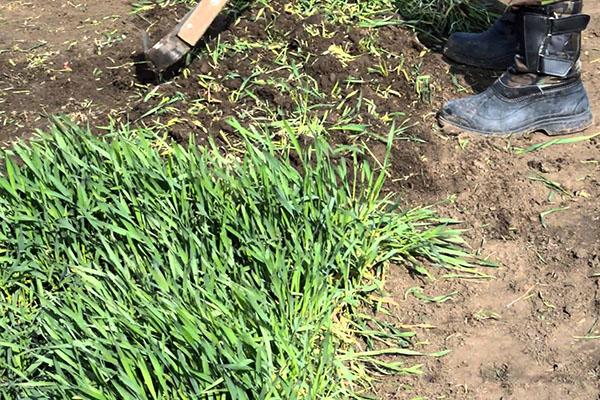
Features of soil processing:
- The soil is cultivated layer by layer and then harrowed. The final cultivation is to the seeding depth.
- Sufficiently moist soil is cultivated using the semi-fallow method. This method is used after harvesting grain crops.
- Disc tools are used to cultivate the soil surface.
- Until it's time to sow the main crop, the soil is left loosened. Weeds are removed as they germinate.
- Before sowing, disinfection is carried out. Then, special fertilizers are applied.
Predecessors of peas
This crop isn't demanding of soil. It's typically grown after vegetables and berry bushes. The latter have a shallow root system, while peas have a taproot. This means they can access nutrients from deep within the soil.
The main thing is to avoid planting other legumes as predecessors. They are susceptible to the same pests that remain in the soil.
Growing peas in arid regions requires a separate approach. If the plot has been growing crops that draw a lot of moisture from the soil, it's not a good idea to plant peas there. They tolerate dry conditions well only after barley or oats.
The least polluting lands are:
- corn;
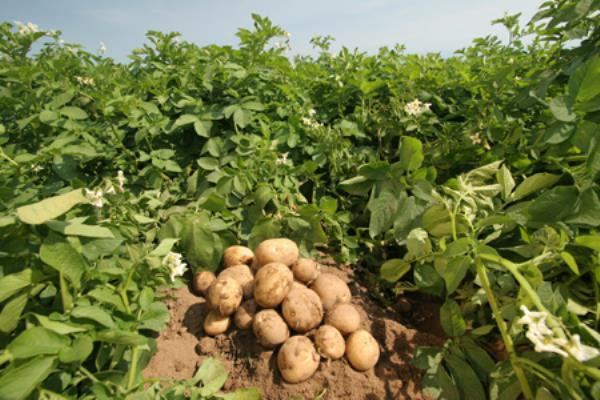
- potato;
- buckwheat.
It's also important to feed them with mineral fertilizers. These conditions are ideal for peas.
What to plant after peas?
The soil where the crop grew retains a high nitrogen content. This makes it a favorable environment for planting root vegetables, as well as cabbage and nightshades. Melons (zucchini, pumpkins, melons, and cucumbers) will also thrive in this soil the following year.
Peas ripen quickly. The available land is suitable for sowing winter grains and rapeseed.
What shouldn't be planted after peas?
This ban primarily applies to legumes. This is due to common diseases and pests. Failure to comply with this rule will result in low yields.
Take a look Also

Another no-no is perennial grasses and sunflowers. After harvesting, wireworms (the larvae of click beetles) accumulate in the soil. These insects are serious pests. Furthermore, after harvesting these crops, many fallen seeds remain on the ground. Such soil is considered contaminated, making sowing difficult.
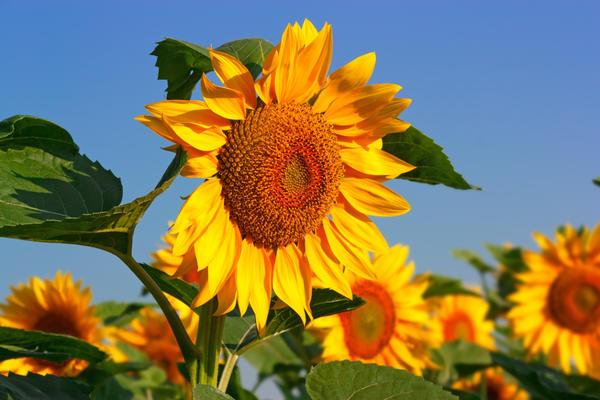
It is not recommended to sow the plot with green manure crops such as sainfoin, clover, lupine, alfalfa, etc. These are representatives of the legume family.
The same applies to Sudan grass and flax. These plants are carriers of fusarium.
Important! Pulses should be grown at least a kilometer away from peas. A safe distance from perennial grasses is 500 meters. This will protect against aphids and weevils.
Neighborhood Rules
To save space, various crops are grown quite close together. This arrangement isn't to everyone's taste. Which plants will peas thrive with, and which won't?
- The crop gets along well with potatoes, cucumbers, turnips, radishes, strawberries and wild strawberries.
- Mustard will help repel pests.
- Onions and garlic are bad neighbors for peas. They also don't tolerate herbs like dill and basil. Fennel or watercress should also be avoided nearby.
Growing a good harvest is a science in itself. Agronomists have accumulated this knowledge over decades. Invaluable observations and experiments have formed the basis of crop rotation. If this knowledge is used correctly, you can achieve impressive yields even from a simple garden.
Related posts:
 How to propagate and grow peas, cultivation technology, and care in open ground
 How to properly plant peas in a greenhouse and open ground
 Description of varieties of sowing peas and cultivation, to which family they belong
 Description and characteristics of the best seeds of pea varieties and types
 Recipes for canning green peas for the winter at home and storage
 How to quickly sprout peas at home: benefits and harms, recipes
 How to plant and grow peas indoors and in a greenhouse
 How to plant, grow, and care for peas at home on a windowsill or balcony