
Most gardeners know that parsley and dill can be sown in November, and garlic cloves can be planted by mid-October. For those wondering whether peas can be planted in winter, the answer is yes. Winter varieties are grown in Austria and France, where both January and March are much warmer than in Russia, with temperatures rarely dropping below freezing. However, grain crops sown in autumn in temperate regions thrive in freezing temperatures.
Is it possible to plant peas for the winter?
Parsley, dill, and carrots are grown in summer cottages, vegetable gardens, and fields. When planted in the fall, these crops are less susceptible to disease, tolerate cold winters well, and the harvest ripens at least two weeks earlier than when sown in the spring. If you choose the right variety, peas It can also be planted in late autumn.
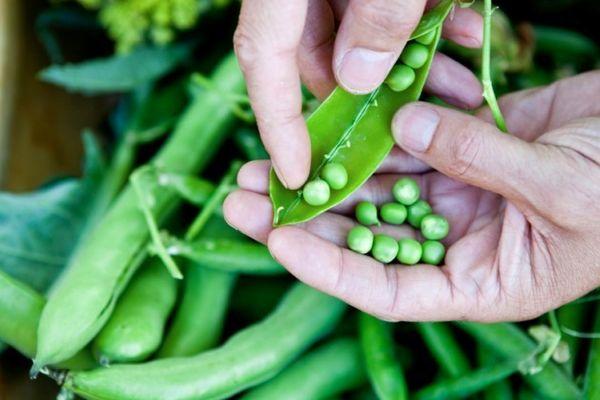
Seeds that sit over the summer harden and germinate faster, so the timing of sowing them in the ground for the winter is more important. If the sprouts emerge before frost, the plant may die.
In Siberia, where rains don't stop from late summer, and the ground gets so wet that it doesn't absorb any water at all, and then snow starts to fall, creating huge snowdrifts, it's best to plant peas in the spring.
Southern regions will experience moisture shortages as early as April, and with the heat coming on quickly, every drop of water counts. A research institute in Krasnodar has found a solution; they've developed a crop variety for winter sowing.
Pros and cons
Peas, which came to Russia from the East, are rich in saturated acids, vegetable protein, and fiber. Fresh peas and pods contain various vitamins and minerals in the form of:
- fluorine and iron;
- copper and zinc;
- manganese and iodine;
- magnesium and calcium;
- phosphorus and potassium.
Sowing peas in winter has both advantages and disadvantages, though the disadvantages are far fewer. The undoubted advantage is that the seedlings germinate quickly during the first warm days of spring, producing excellent crops. The crop is virtually disease- and pest-free.
The advantages of autumn planting include the following:
- The harvest ripens a couple of weeks earlier than spring sowing.
- It is distinguished by its resistance to frost.
- Before the drought, the plant forms strong roots.
- If there are no sprouts, there is time to replant.
- Pests and diseases hardly bother the plants.
The downside is that the crop ripens unevenly. Few pea varieties have been developed for winter sowing in temperate climates, but perhaps the situation will improve over time, and new varieties resistant to severe cold will emerge.
Varieties for winter planting
It's recommended to sow peas in a bed where garlic, carrots, beets, and onions have been grown for several seasons. Peas enrich the soil with nitrogen, which accelerates plant growth and development.
In autumn, the seeds are planted in dry soil when it has time to freeze, preferably before the first serious cold weather sets in, so that a leaf appears.
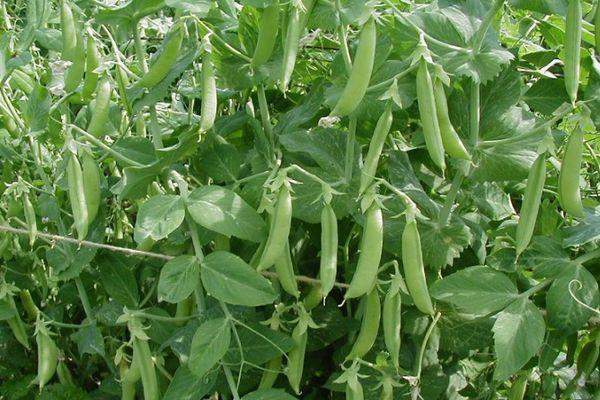
The recently developed NS Moroz pea variety, which has passed testing, is pleasing with its high performance indicators:
- Gives a good harvest.
- Tolerates low temperatures.
- It is resistant to diseases.
When planted in winter, the crop ripens in the early second ten days of June. Up to 60 centners of peas can be harvested per hectare with a seeding rate of approximately 200 kg. The variety's description attracted the attention of farmers in the Krasnodar and Stavropol regions, where heat waves begin as early as May and droughts are common, but growing vegetables for market guarantees a good income.
What fertilizers should be applied before planting?
Peas differ from other crops in that they have a less developed root system. The plant responds favorably to a high mineral content. For winter planting, nitroammophoska, potassium chloride, and complex fertilizers containing copper, molybdenum, and phosphorus are added to the soil.
To provide crops with nitrogen, ammonium nitrate is applied as a fertilizer. Compost and humus can be added to the soil when digging the beds.
Soil preparation
It's best to plant peas in a location where carrots, garlic, or onions were grown. First, remove any weeds. If the soil is highly acidic, it needs to be reduced by adding ash. The soil should be thoroughly tilled.
When to plant
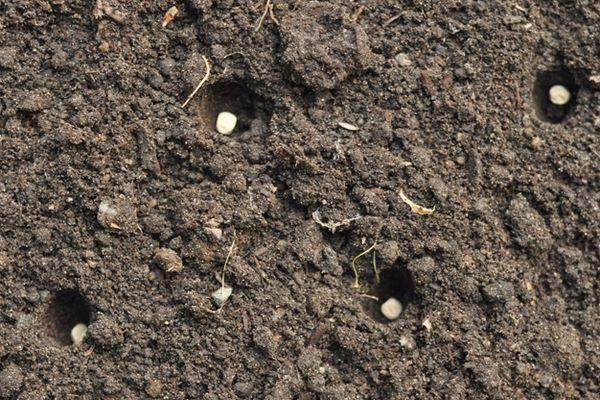
It's best to sow peas for the winter starting on November 17th. The work should be completed within a week, but it should only be started if the soil has frozen. Furrows must be dug in advance, as this won't be possible later.
Seed preparation
When planting in spring, peas are added to the soil dry and sprouted. If the crop is grown for the winter, do not soak the seeds in water until they swell, otherwise they will sprout and develop rapidly.To protect peas from fungal diseases, fungicides containing both tyran and carboxin are used.
Farmers treat plants with special pesticides about five days before planting.
To prevent weevil larvae from multiplying, gardeners soak seeds in a boric acid solution for 15 minutes. Use 2 grams of the solution per bucket of water.
Winter sowing
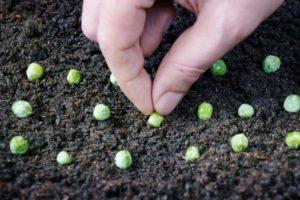
If the crop is planted in November, the soil is not watered. Peas are placed more densely in the furrows, as some seeds may not germinate. They are covered with warm soil, not frozen soil.
Take a look Also
What to do in spring
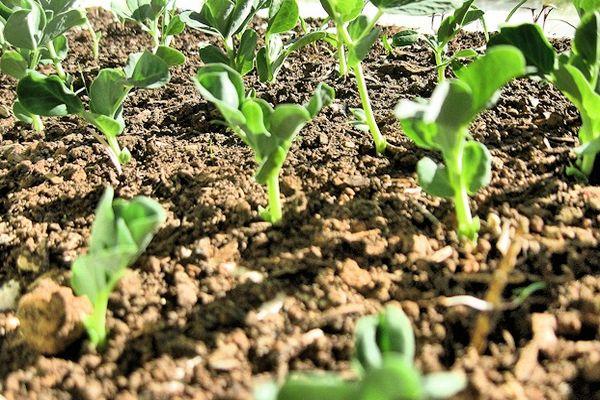
With the arrival of above-zero temperatures, peas planted for the winter begin to develop from buds still in the ground. To encourage lateral shoots and root growth, nitrogen fertilizers are applied, a second time during flowering.
Not everyone knows what to do with overwintering peas in the spring or how to ensure resistance to pests and diseases. Spraying the plants with fungicides can achieve the desired results.
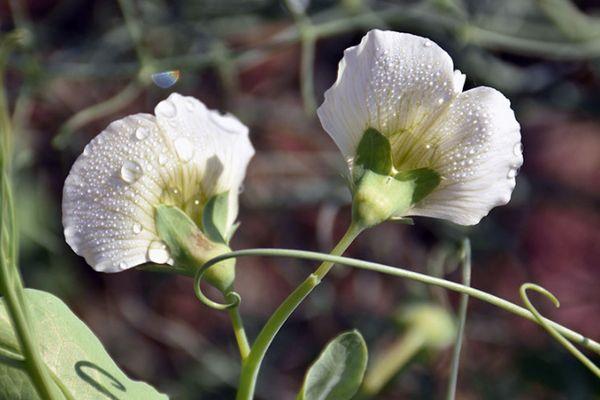
Microbial-based fertilizers, such as Flavobacterin and Agrofil, help boost root nutrition. Besides fertilizing, other things to do in the spring include loosening the soil and pulling out weeds. Knowing and following proper pea care can help you grow a decent harvest while simultaneously enriching the soil with nitrogen. When planting vegetables in the same area where the crop was previously grown, there's no need to add manure.
Peas thrive in virtually any soil, and their cultivation techniques are relatively straightforward. Even novice gardeners will understand what to do in the spring within the first warm days. Harvesting and storing the crop are straightforward.
Related posts:
 Description of varieties of sowing peas and cultivation, to which family they belong
 How to propagate and grow peas, cultivation technology, and care in open ground
 How to properly plant peas in a greenhouse and open ground
 Recipes for canning green peas for the winter at home and storage
 Description and characteristics of the best seeds of pea varieties and types
 How to quickly sprout peas at home: benefits and harms, recipes
 Potassium fertilizer application system for peas, types of additives, rules, dosage
 How to choose and use mung peas, their beneficial properties in folk medicine, cooking, and cosmetology