
Purple peas are a relatively new variety. They're cold-hardy, so they can be planted as early as early May. Their popularity stems from their beneficial ingredients. They're used to make mashed potatoes, soups, and porridge. Sugar snap peas are considered the most delicious, with a sweet and delicate flavor.
Characteristics of purple peas
People have been growing fewer peas recently, preferring to buy them at the store and avoid the time it takes to plant and harvest. However, if you want to preserve your winter produce and cook with only fresh ingredients, it's better to grow your own.

Besides its flavor, purple peas are also a delight to behold – they'll be a stunning addition to any garden with their distinctive color and vines. When flowering, the plant exudes a pleasant aroma.
It is also worth noting that the fruits are very easy to harvest, as their dark color makes them stand out from other plantings.
Varieties
Like other plants, purple peas have several varieties, namely:
- Purple sugar;
- Afilla;
- Everything is purple;
- Purple King;
- Leafless sugar slider.

Each has its own composition and beneficial properties. Some people grow one variety or another specifically to supplement their diet with missing vitamins. It's also worth considering that each has its own flavor, so pay attention to this nuance before planting.
Purple sugar
Purple Sugar Peas contain a sufficient amount of minerals and proteins. The plant grows up to one and a half meters tall. Its flowers are purple and have a unique aroma. The plant blooms from May to late June. This variety takes 65-75 days to fully mature. Purple Sugar Peas have pods up to 8 centimeters long, and the peas are green at the waxy stage of ripeness.
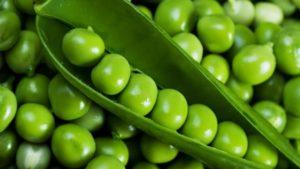

People grow it for various purposes: some as an ornamental plant, while others grow it specifically for food. Purple sugar snap peas are primarily used to make mashed potatoes, salads, or soups. Compared to common peas, their yield is lower.
The Purple King
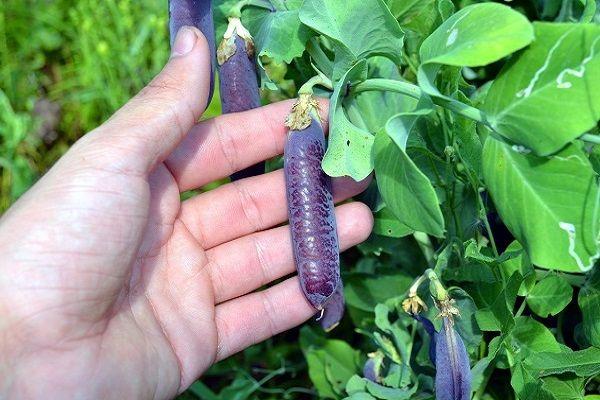
This a type of pea It is distinguished by its purple pods and green peas. When flowering, the plant is covered in pink buds. This is why it is often used as a decorative element in gardens. During the fruiting season, the purple color of the peas makes them stand out from other green plants.
Its height is 85-90 centimeters. This variety tolerates temperature fluctuations well. Young shoots can withstand even light frosts. One and a half kilograms of fruit can be harvested from one cubic meter. No special care is required; occasional watering and fertilizing are sufficient.
Purple King peas can grow without any pre-prepared support. To get the most out of this pea, it's best to eat the peas fresh. The plant ripens a month after flowering.

Everything is purple
This variety is considered mid-season. It is harvested 70 days after planting. Each 10-centimeter-long pod contains nine green peas. The pods are always purple.
The plant can reach 2 meters in height. This pea has gained its popularity due to its high yield, beauty, and unique flavor. It requires no special care; following standard agricultural practices is sufficient.
Leafless Sugar Slider
The Sugar Snapper pea is an early-ripening variety. This plant is leafless and grows without support. This is because the tendrils intertwine, thereby supporting each other.
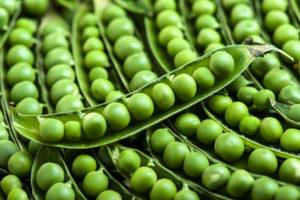
Each pod contains up to 9 peas. This variety is ideal for freezing, salads, and canning for the winter. To ensure a high yield, the soil beneath the plant should always be loose and watered regularly.
Afilla
Aphylla is a late-season pea variety. It grows to just half a meter tall. Yield depends on the gardener. If the peas are harvested in a timely manner, new ones will grow in the same spot. This means there's an opportunity to extend the fruiting period. Care guidelines for this variety are the same as for all others.
Growing rules
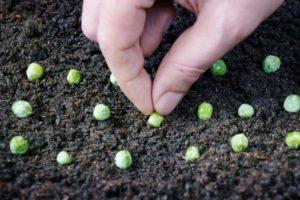
First, you need to determine the best growing location. Each variety thrives in areas with minimal drafts and good lighting. When choosing a plant variety, consider the regional climate. If the soil in your garden is highly acidic, peas won't thrive. Therefore, it's important to remember that peas prefer fertile soil.

Next, it is worth considering the following rules:
- Mandatory preparation of planting material.
- To remove bad seeds, you can take 1 liter of warm water and add a tablespoon of salt to it.
- Next, you can place peas here for planting.
- A bad material is one that immediately floats to the surface.
- Once the check is done, the seeds should be thoroughly washed and dried.
Experienced gardeners recommend soaking the peas before planting and planting them after they've swollen. The water should be warm and enriched with growth stimulants.

Care Features
Purple pea varieties don't require much care. The same rules apply as for regular peas. green peasGardeners must, first and foremost, remove weeds, loosen the bed, and fertilize. To ensure a good harvest, the plant should be fertilized twice during the growing season. For fertilizing, use any of the complex fertilizers, applied before flowering and when the ovaries appear. Also, remember to water regularly to prevent the soil from drying out.
Take a look Also
Pros and cons
Among the benefits of the plant, the following can be noted:
- substances contained in purple peas actively fight cancer cells;
- attractive appearance;
- high protein content;
- versatility in cooking;
- high concentration of vitamins;
- affects the improvement of the functioning of the heart, kidneys and liver.
Regarding the downsides, the only thing worth noting is that peas can increase gas production. Also, elderly people and those with gastrointestinal problems should avoid consuming them in large quantities.

Pests and diseases
Hybrid plants are always disease-resistant. However, some varieties are sometimes susceptible to rust, powdery mildew, or fusarium wilt. To avoid these problems, you can take measures such as timely soil loosening, weed removal, and using disease-resistant varieties.
Harvesting and storage
Some people prefer to eat fresh peas, so they eat them straight from the garden.
But if you're planning to preserve it for the winter, it's best to pick the fruit when it's waxy ripe. This way, it can also be frozen.
Related posts:
 Description of purple onion varieties, their beneficial properties, storage methods, and harvesting times
 Description and cultivation of the Violet Early grape variety
 Characteristics and descriptions of purple pepper varieties, yield and cultivation
 The best grape varieties for growing in the Urals, planting and care rules in summer
 80 Best Eggplant Varieties for Different Regions with Descriptions and Characteristics
 Description and use of purple basil varieties, what are the benefits
 Methods for planting and propagating cherries at home
 Conditions for growing mandarin at home and rules for caring for the tree