
- General characteristics
- Description
- Peculiarities
- Sharp
- Semi-sharp
- Sweet
- Beneficial properties
- Antioxidants
- Quercetin
- Sulfur compounds
- Chromium
- For the acidic environment of the stomach
- Metabolism
- Against worms
- For hair
- Ligament restoration
- Calluses
- Contraindications
- Selecting a variety
- Carmen
- Red Baron
- The Black Prince
- Danilovsky 301
- Commissioner
- Alvina
- Yalta
- How to plant
- Site selection and preparation
- Processing of seed material
- Planting diagram
- Care
- Weeding and loosening
- Watering
- Top dressing
- First
- Second
- Protection from diseases and pests
- Cleaning and storage
- Selection and combination
- Use in folk medicine
- Hair mask
- Expectorant
- Anti-cold
- Restoration of the menstrual cycle
- How is it used in cooking?
- Reviews
Different varieties of purple onions have varying shades of richness, with dark red tones being the most common. From Central Asia, the crop reached Europe, from where it was brought to the Crimean Peninsula. Based on varieties grown in Madeira, Portugal, a type of onion was bred in Yalta that has a distinctly sweet flavor, thrives in warm climates, and is demanding of fertile soil.
General characteristics
Purple-skinned onions are grown in many regions. In the northern regions, early varieties are planted, while in the south, they are sown in open ground and harvested not just once, but twice.
Description
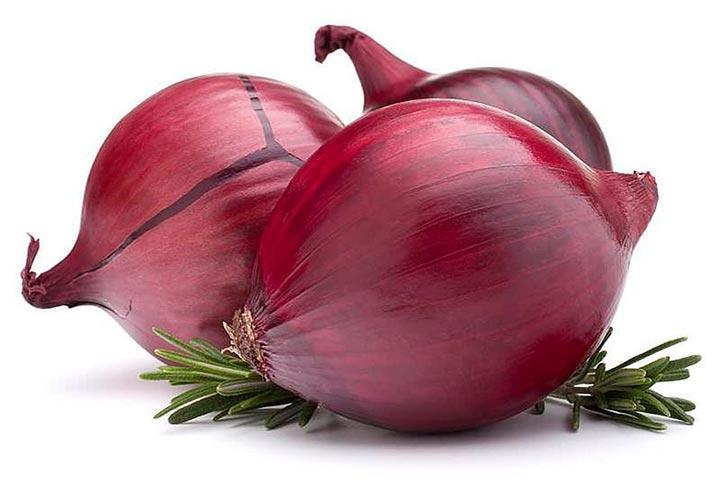
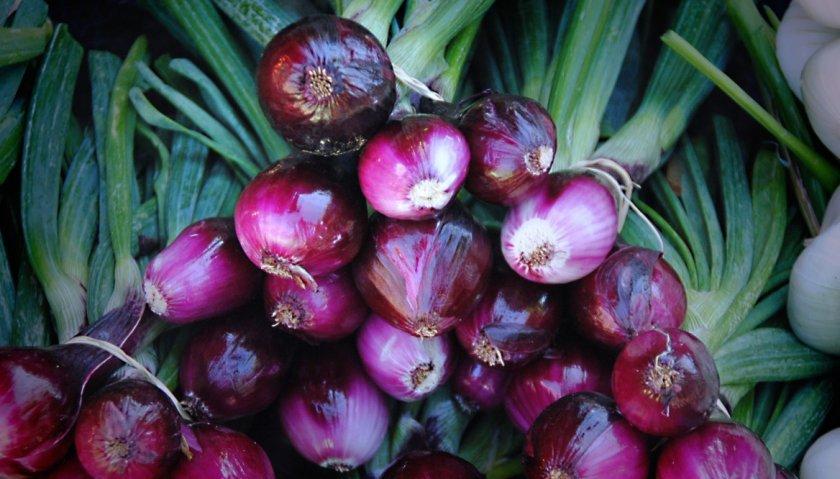
Purple onions, also known as red onions, contain anthocyanins, giving both the skin and flesh their distinctive color. This low-calorie onion is used in salads dressed with a sour sauce, imparting a sweet, distinctive flavor to the vegetables. When pickled, purple-skinned, reddish-fleshed onions become spicy and are used in cheesemaking.
The herbaceous plant lives for 2 years, forming buds on the stem, from which bulbs are formed, the diameter of which is no more than 15 cm, the weight fluctuating between 60 and 75 grams.
Peculiarities
The vegetable ripens at different times and is divided into early, mid-season, and late varieties. Red onions are not as pungent as yellow ones, but the flavor of the flesh depends not only on the variety, ripening time, but also on the growing region.
Sharp
Early red onion varieties, which thrive even in northern regions, contain abundant sulfur-containing essential oils. This trace element imparts pungency and spiciness, causing tears when peeling and chopping. The purple flesh has a disinfectant effect, killing germs.

Semi-sharp
These red onion varieties produce a high yield but ripen in the middle of the season. The bulbs are thin and have only a small amount of skin, so they don't keep for long and are eaten immediately.
Sweet
Red onions, which contain high amounts of sugar, have excellent flavor and high yields, but don't store well. Sweet purple varieties are grown in the south and harvested by hand.
Beneficial properties
Red onions contain a wealth of unique substances that combat microbes, stop inflammation, slow down cell degeneration and aging, and prevent the development of diabetes.
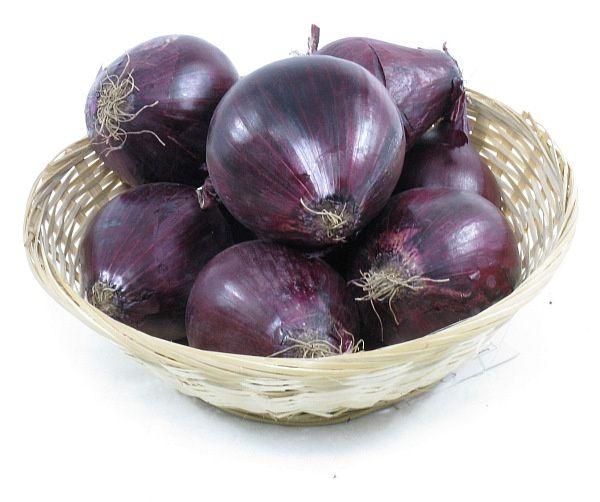
Antioxidants
Free radicals produced in the body oxidize tissues, alter their structure, and lead to their death. To destroy them, antioxidants are needed, which are found in abundance in red and purple onions:
- Ascorbic acid fights viruses and prevents the development of scurvy.
- Tocopherol promotes collagen production and strengthens the immune system.
- Tannins inhibit the growth of microbes.
- Lycopene reduces the risk of atherosclerosis.
Flavonoids are beneficial in reducing capillary fragility. They improve digestion, stimulate enzyme activation, and prevent the penetration of pathogenic microorganisms.
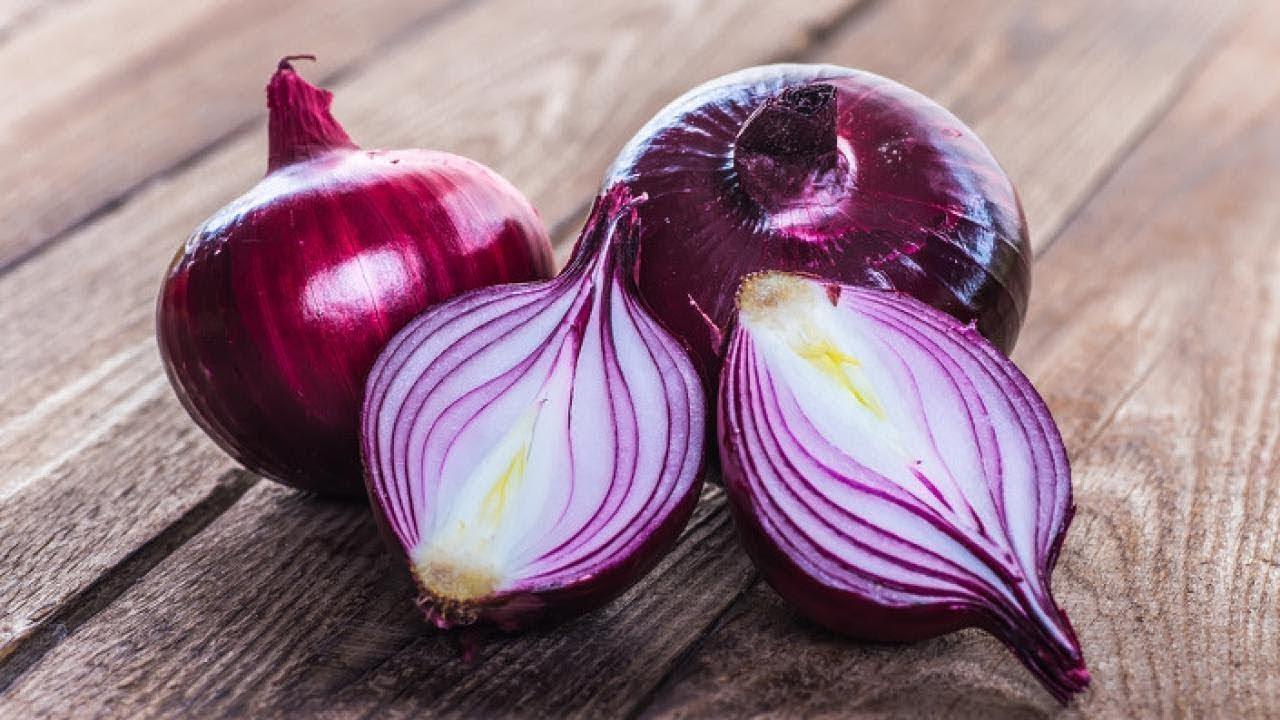
Quercetin
Red onions are rich in vitamin R, a bioflavonoid that acts as an antioxidant and has analgesic and diuretic properties. When consumed with quercetin:
- The nervous system calms down.
- The heart is strengthened.
- Wounds heal faster and tissues are restored.
The flavonoid prevents the development of allergies and inhibits the formation of cancer cells. The substance reduces the effects of radiation.
Sulfur compounds
Purple onions contain a component of insulin, which is responsible for glucose absorption and energy production. The presence of sulfur compounds promotes cell rejuvenation, improves joint flexibility, and suppresses allergies.
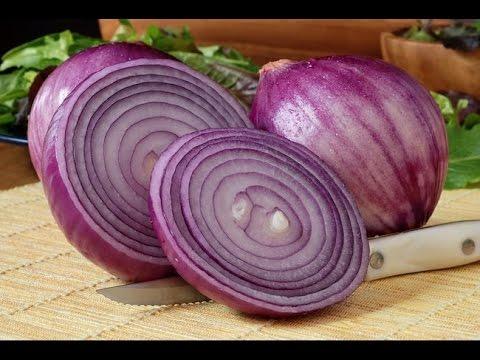
Chromium
In addition to vitamins, red onions contain a chemical element that regulates carbohydrate metabolism, increases insulin activity, and reduces blood sugar levels. Chromium helps prevent diabetes.
For the acidic environment of the stomach
When digestive function is impaired, stomach fermentation occurs, and nausea and belching occur after meals. Low acidity contributes to gastroduodenitis and tumor formation. Red onions increase acidity because they are rich in magnesium, sodium, and potassium, which stimulate nutrient absorption.
Metabolism
Along with food, the human body receives compounds that are broken down into simple elements and sent to the blood and tissues, where they are converted into products used to produce amino acids.
 Eating red onions increases your metabolic rate and prevents fat accumulation.
Against worms
Purple heads are not tolerated by helminths, the presence of which is manifested by nausea, bloating, and aching pain in the navel area.
To remove worms, it is enough to eat half a red onion a day.
For hair
Vitamin E strengthens hair, adds shine and thickness, combats seborrhea, and prevents hair loss. Purple onions contain tocopherol. The pulp is used to make masks for applying to the hair.
Ligament restoration
To reduce pain and eliminate swelling that accompanies a sprain, compresses of sugar and onion paste are applied to the problem area.

Calluses
Many women suffer from the inability to wear fashionable shoes due to calluses on their toes. Neither special plasters nor other over-the-counter remedies are effective in combating chronic calluses. They can be removed by applying an infusion of onion peel and vinegar.
Contraindications
Although this plant-based product boosts immunity, improves digestion, eliminates salts, lowers blood pressure, and rejuvenates cells, purple onions can be harmful to some people. It is not recommended to consume them raw:
- in case of kidney pathologies;
- for skin problems;
- for diseases of the digestive organs.
For emotional disorders and neuroses, it's best to blanch purple rings in boiling water before adding them to a salad. This will remove the bitterness but retain other beneficial components.
Selecting a variety
When purchasing purple onions for planting, you need to find out which regions they are adapted to and the harvesting time.
Carmen
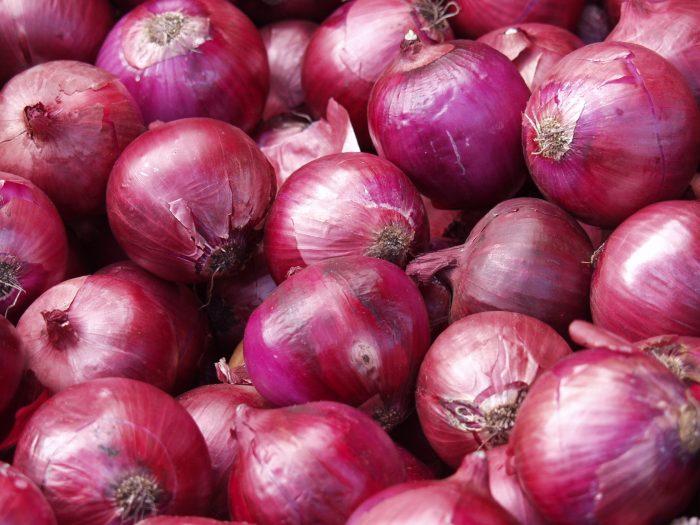
This semi-sharp variety with dark red bulbs ripens in 130 days. It has a long shelf life and weighs about 60 grams.
Red Baron
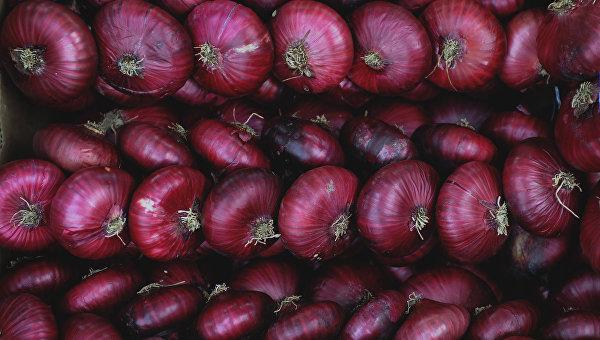
This early red variety, grown from seedlings, boasts high yields. The onions, covered in burgundy scales, are round, weighing approximately 100 g, and rich in vitamin C. Red Baron ripens in three months.

The Black Prince
A versatile variety grown by farmers, it yields 40 to 50 tons of dark-colored onions per hectare. The harvest sells out quickly, as the 60-gram purple bulbs are durable, last all winter, and are suitable for preserves.
Danilovsky 301
This domestic variety is suitable for cultivation not only in Moldova and the South of Russia, but also ripens in the Northwest, the Urals, and is cultivated in Siberia.
The flat bulbs are dark purple in colour, have a sweet taste and weigh around 150g in favourable weather.
Commissioner
This mid-season variety with flattened bulbs and burgundy skins is a favorite among gardeners. It guarantees a stable yield, a sharp flavor, and long shelf life.

Alvina
Red onions, developed in Holland, thrive in temperate climates. The plant's leaves droop within 100 days, at which point the flattened bulbs with purple and white scales are harvested. The harvest lasts for six months. In temperate climates, the variety is grown from seedlings.
Yalta
Onions, grown on the southern coast of the Crimean Peninsula, are prized for their unique sweet flavor, lack of bitterness, and distinctive color. The dry skins have a purple hue, while the juicy scales are white.When the red Yalta variety is grown in other regions, the onion loses its sweetness and acquires a pungent taste.
How to plant
To ensure that the crop produces a stable harvest and the heads have time to ripen, you need to study its characteristics and cultivation methods.
Site selection and preparation
Red onions love the sun and fresh air, and thrive after beans, tomatoes, and cabbage. The soil is dug in the fall, disinfected, fertilized, and prepared for planting in the spring.
Processing of seed material
Before planting, purple bulbs are soaked in salt water. Then, they are soaked in potassium permanganate for 15 minutes, then rinsed under the tap and thoroughly dried.

Planting diagram
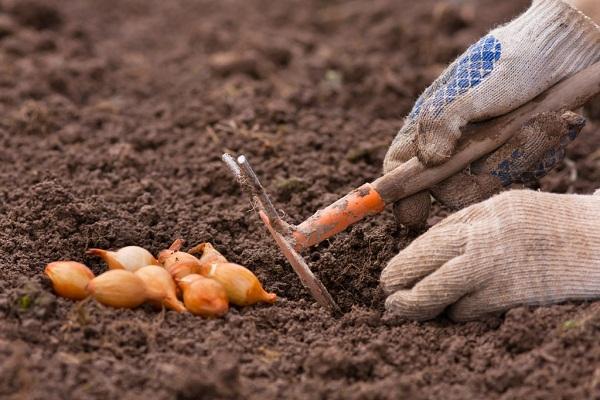
Red or purple onion sets are planted at a depth of 30 or 40 mm, ensuring the tip of the neck remains above the surface. When growing onions, a ribbon planting pattern is usually preferred. Rows are spaced 20 cm apart, with small onions spaced 6 cm apart and large onions spaced 10 cm apart. Heavy soil is thinned with sand, poured directly into the furrows, and ash is added on top.
Care
Red onions are easy to grow. They require light, irrigation, and fertilization.
Weeding and loosening
To prevent weeds from choking out the onion sets, they need to be dug up by the roots. Care must be taken to prevent the soil from forming a crust, preventing air from reaching the purple onion roots. The soil should be loosened after rain and irrigation.
Watering
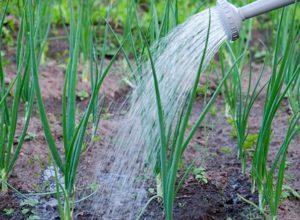
In dry and hot weather, water red onions 2 or 3 times a week. If the soil dries out, large, juicy purple bulbs will not grow. Irrigation should be stopped 20 days before harvest.
Top dressing
Red onions are demanding of soil fertility and require additional nutrients.
First
Ammonium nitrate and urea are added 14-15 days after germination. Purple onions require a lot of nitrogen during the growth period.
Second
In mid-June, the vegetable crop is fed with fertilizers containing phosphorus. Mix 30 grams of superphosphate and potassium salt in a bucket of water and pour it under each plant. A second feeding uses ammonium nitrate and lime.
Protection from diseases and pests
Purple onions suffer from thrips, moths, and stem nematodes. Crop rotation and treatment with Karbofos, Bazudin, and Iskra help prevent these pests. Colloidal sulfur can be used to kill small insects.
Red onions are susceptible to black rot and fusarium wilt. To prevent these diseases:
- The seed onions are disinfected.
- Plants are fed with phosphorus and potassium.
- Control soil moisture.
To prevent the purple bulbs from rotting, disinfect the basement. Sort the bulbs, and remove any damaged ones.
Cleaning and storage
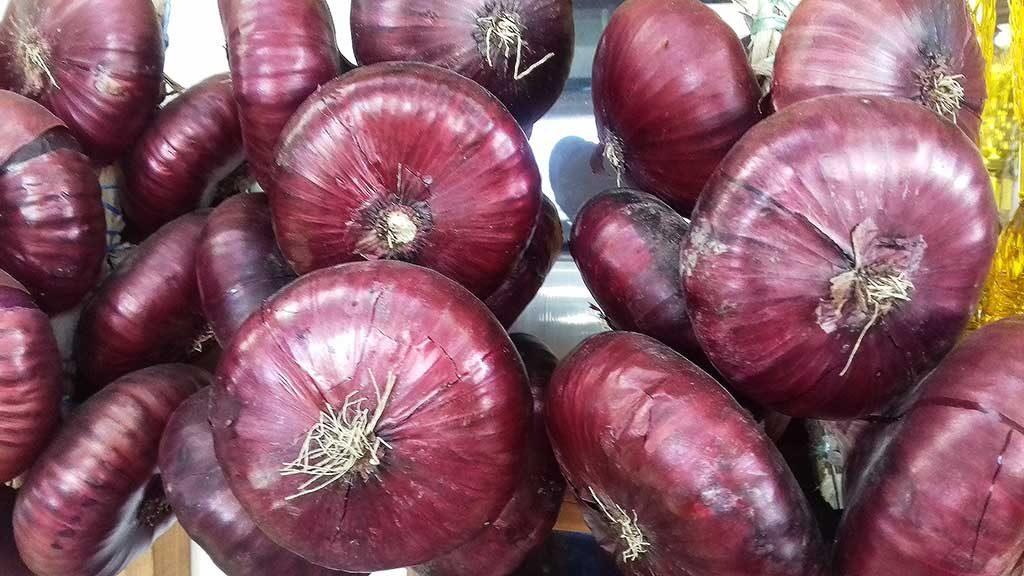
When the leaves turn yellow and begin to dry, and the weather is clear, it's time to harvest purple onions. Each bush is dug up with a pitchfork, the bulbs are shaken free of soil, and dried. Red onions don't last longer than six months; they are braided and hung indoors. Purple bulbs can be placed in a box and stored in the basement, but they need to be sorted frequently.
Selection and combination
When choosing a variety, consider its flavor, ripening time, and growing conditions. Experienced gardeners recommend planting carrots next to purple onions. These two crops mutually protect each other from insects.
Beets, potatoes, and broccoli are good companions for red onions. Tomatoes protect them from flea beetles and aphids.
Use in folk medicine
Since ancient times, purple onions have been used to prepare decoctions and infusions to strengthen the immune system, eliminate coughs, and treat colds and women's illnesses.

Hair mask
Vitamin E, found in abundance in red onions, helps restore thickness and shine to hair and normalize the skin's oil balance. To make a mask for applying to your hair, run the hair through a blender to extract the juice. Wrap the hair in plastic wrap. Leave the mixture on for 15 minutes and rinse with warm water. Apple cider vinegar can be used to remove the unpleasant onion smell.
Expectorant
If you have a dry cough, combine red onion juice with goose fat and rub it into your chest. Go to bed immediately afterward.
Anti-cold
When a person gets too cold, their health worsens, a cough develops, followed by a runny nose. Swabs soaked in a special solution can help relieve rhinitis. To prepare it, combine honey, purple onion juice, milk, and a couple of drops of alcohol and boil for no more than a minute.
Restoration of the menstrual cycle
For untimely periods or if they have stopped, peel a kilogram of purple onion bulbs, add 500 ml of water, and simmer for 15–20 minutes. Strain the onion remedy and drink it before meals, first thing in the morning, for 14 days.
How is it used in cooking?
Purple onions have a milder flavor than other varieties and look beautiful in salads. The bulbs are added to sauces, soups, borscht, main courses, and pizza, and can be marinated in half rings.
Reviews
Red onions are planted less frequently than regular varieties, but they have recently become popular among gardeners who love to experiment and select new varieties of the pungent vegetable.
Evgeniya Ignatyevna, 48 years old, Kaluga: “I’ve been growing it at my dacha for two seasons in a row Red Baron onion"This variety is distinguished by its dark red skin and white-purple flesh. Children love the delicate flavor. I plant the sets at the end of April, spacing them every 15 cm, and harvest them after July 20th. In salads, the onion doesn't color other ingredients; unfortunately, it loses its purple color when fried, but it stores well and doesn't spoil until spring."
Igor Valentinovich, 50, from Astrakhan: "My neighbor often travels to Crimea, where he has relatives, and he brought back purple onions to try. We really liked the taste, so we ordered some sets online. In the spring, we each allocated a bed for a guest from Yalta. The shoots appeared, and by fall, the purple onions ripened, but they were spicy, not sweet."
Related posts:
 50 types and varieties of perennial onions with descriptions, cultivation, and care
 Description of the best varieties of onions, planting and care in open ground
 When to harvest leeks from the garden for storage, ripening times
 The beneficial properties of white onions, description of varieties, cultivation and care
 How and when to plant onions to get large bulbs
 Description of the Exhibition onion variety, growing from seedlings, planting and care
 Description of varieties and cultivars of wild onions, the subtleties of cultivation
 Description of Welsh onion varieties, planting, growing, and care in open ground