
- Selecting a site
- Daylight hours
- Predecessors
- Cucumbers
- Zucchini
- Pumpkin
- Cabbage
- Potato
- Legumes
- Tomatoes
- Green crops
- Neighbours
- Beet
- Carrot
- Parsley
- Tomatoes
- Salad
- Spinach
- Watercress
- Garden savory
- Chicory
- Doesn't match
- Peas
- Beans
- Options for combined beds
- Soil requirements
- Autumn preparation
- Late autumn
- Spring processing
- Litmus paper test
- Preparation of planting material
- Size distribution
- Drying
- Growth stimulator
- Potassium permanganate solution
- Rinsing
- How to plant turnips correctly
- Soil temperature
- Planting diagram
- Watering
- Thinning if necessary
- We plant in July or in spring
- Sowing seeds
- How to prepare
- Soak
- Selection
- Gauze
- Disinfection and drying
- Soil preparation
- Planting diagram
- How to plant winter onion varieties
- The Chinese method of growing bulbs
- Mixed landing on the feather and head at the same time
- What to do to prevent onions from bolting
No garden is complete without a bed of onions. This vegetable is a staple, added to every dish, and cures all manner of ailments. Growing onions is easy, and they're not a fussy vegetable. However, proper agricultural practices and planting patterns are essential. Onions thrive in warm, sunny weather. The location of the beds should be determined based on the previous crops on the south side of the plot.
Selecting a site
The location of your onion beds determines the yield and the level of care required. Without sun and warmth, onions won't grow; the site should be on a south-facing slope. Shade is undesirable. Low-lying areas are unsuitable: moisture will accumulate at the roots, causing the bulbs to rot and die.
Daylight hours
The choice of variety depends on the length of daylight in summer. The ideal daylight period is 16 hours. However, this is only achievable in southern regions.
Therefore, breeders have developed special varieties for northern latitudes; such onions require only 10-12 hours of daylight.
When there's insufficient light, the onion sets' stems take on a yellowish tint, and their root system grows noticeably less efficiently. In northern regions, where there's little sunshine and short daily photoperiods, a small trick is used: foil or other reflective material placed between the rows.
Predecessors
When growing vegetables, violating crop rotation rules is strictly prohibited. Gardeners risk not getting the expected harvest, and their plants will suffer from prolonged illness.

Choosing the right predecessors makes a gardener's job easier. The soil is naturally rich in the essential nutrients onions need for growth and development, inherited from the previous crops grown in the chosen location the year before.
Cucumbers
Planting onion sets after cucumbers is not only possible, but also necessary. Typically, cucumber plantings are fertilized with generous doses of organic matter, ensuring the soil in the bed remains loose and nutritious. These two factors are ideal for growing onions, which require no additional feeding or fertilizing immediately after planting.
Zucchini
Just like cucumbers, zucchini sets will thrive in squash beds and receive a dose of essential organic matter. It's believed that sets can grow after any vegetable, and they also disinfect and sanitize the soil.

Pumpkin
Pumpkin leaves behind a wealth of nutrients essential for onions in the soil. Furthermore, the soil retains its looseness, which is essential for root development.
Cabbage
Onions can be planted in garden beds after growing various types of cabbage. The most preferred predecessor is white cabbage. It's important that the area where the cabbage was grown isn't shaded or in a low-lying area, as onions react negatively to stagnant water in the roots and insufficient light.
Potato
Potato diseases are not transmitted to bulbous plants, which belong to different families. Potato rows are always planted with nutritious organic matter and a complex of mineral fertilizers, so onions will thrive in former potato plantations.

Legumes
It's believed that any crop can be successfully grown after legumes, as they are the ideal predecessor. Onions are a bit different. Legumes have a neutral effect on onions: they leave little organic matter in the soil, so fertilizing is necessary before planting the sets.
Tomatoes
Tomatoes are excellent predecessors for onion sets. They offer the same benefits: fertility, an abundance of residual organic matter, and because the plants belong to different families, they don't transmit diseases to each other.

Green crops
It's recommended to grow onions in beds after greens. A combination of mineral and organic fertilizers is sufficient. Parsley and dill can also be sown in rows as companion plants in the onion beds.
Neighbours
Onion sets are planted in rows in the beds. Gardeners often use another method for growing onion crops: interplanting them with greenhouse plants or open-ground vegetable crops. What are the benefits of this method and how to choose the right onion crop?
Beet
Root crops are planted in rows in the beds. Beets and onions belong to different families, but both vegetable crops prefer warmth, light, and fertile soil. Therefore, they are often planted side by side or together in alternating rows. Since onions ripen earlier, it's best to plant them at the edges of beet beds: this disinfects the soil and protects the beets from insect pests.

Carrot
Gardeners love and practice planting onions and carrots in the same bed to combat onion and carrot flies. A classic combination involves planting onions in the center row and the edges of the bed, and carrots in the remaining furrows. Insect pest control is provided for both plant types.
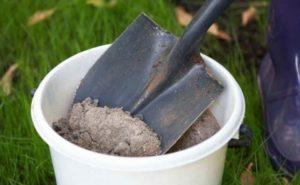
Parsley
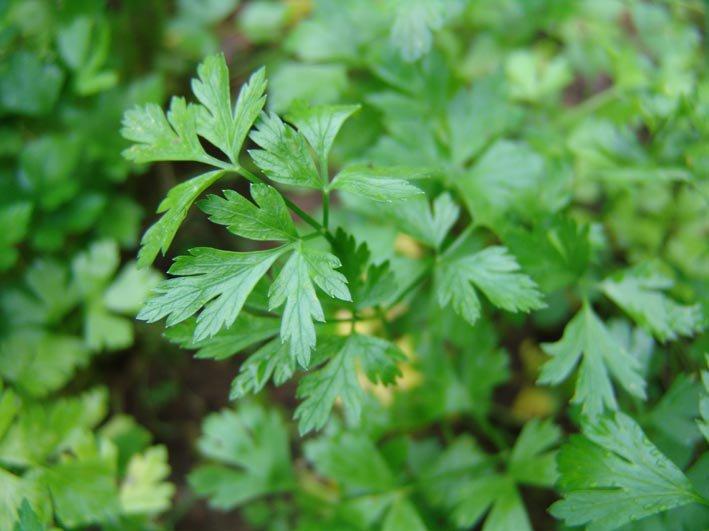
The spicy aroma of parsley and the pungent scent of onion plants leave no chance for insect pests to thrive. The duo is considered ideal. They are planted in a similar way to carrot beds.
Tomatoes
Greenhouse tomato plantings are often supplemented with onions as a pest repellent. This practice is especially beneficial for open-ground tomatoes, as it allows for a quick harvest of green onions. The onions benefit from warmth and nutritious soil.
Salad
The combination of onions and lettuce is quite popular in beds used for growing salad greens. Such beds can be decorated by planting onions, dill, and parsley in alternating rows. The crops coexist beautifully.
Spinach
Spinach greens make a great addition to a green garden bed. The plants mature at the same time and require similar growing conditions.

Watercress
Provides protection from carrot midges and other insect pests. Onions are planted in rows along the edges of the garden bed or in the center of the watercress plantings.
Garden savory
A fragrant plant that creates a fragrant, herbaceous plant when paired with onions. Pairs beautifully with spinach and parsley.
Chicory
Suitable for growing alongside onions, parsley, and carrots. An excellent option for creating decorative garden beds.

Doesn't match
Onions are a wonderful companion for most vegetable crops. The plant has antibacterial properties and can repel insect pests with its pungent aroma. However, there are a number of poor combinations with vegetables and greens.
Peas
Onions and peas will not allow each other to develop fully. Onions are particularly vulnerable to this combination. The soil under peas is poorly nutritious, and the legume will entangle the delicate onion leaves already at the initial stage of development. This combination should be avoided.

Beans
It's not practical to grow beans and onions in the same bed. The plants will interfere with each other: the onions won't receive enough light, and the lack of nutrients in the soil will negatively impact the yield.
Options for combined beds
Professional gardeners often use onions as part of a combination garden bed. This method involves growing several crops in rows within a single area. For example, a garden bed is divided into five furrows. The center row is planted with onions, and the next two rows on either side are planted with carrots. Beets or more onions are planted along the edges of the beds.
There are many options. The placement of vegetable crops depends on the ultimate goals of growing vegetables.
Soil requirements
Onions need organic matter, but fresh manure isn't suitable. A mixture of humus, wood ash, and sand is used as fertilizer. Onions don't grow well in clayey, hard, and loose soils. Such soils require fertilization, sanding, and vigorous tillage.

The ideal soil option is black soil: all the nutrients are included from the very beginning, the soil is loose, and deep digging and liming can be avoided.
Autumn preparation
Planting material and soil for onion crops begin to be prepared in the fall. It's important to determine the location and growing pattern for the onions, calibrate the seed, and properly store the onion sets over the winter. Pre-planting preparation includes:
- Calibration and sorting.
- Drying to a free-flowing state.
- Maintaining optimal storage conditions in winter.
- Disinfection and disinfection.

Onions placed into storage must be dry, without signs of fungal diseases.
Peeling
Soil preparation begins with shallow cultivation—shallow digging to a depth of no more than 8 centimeters. During this period, weeds are trimmed but not completely removed, the soil is partially turned over, and a foundation is created for a nutrient-rich bed of organic matter for the coming year.
Stubble cultivation prepares the soil for autumn plowing and helps destroy colonies of insect pests.
Fertilizing the soil
Autumn fertilization of onion plants involves adding compost or humus to the beds. Superphosphate can also be added. The fertilizer mix used depends on the initial fertility of the soil and its type.

Deep digging
Complete weed removal and deep soil tillage are performed just before frost. Compost and humus are spread on the surface and dug into the bed during plowing. Over the winter, the fertilizer will rot further and reach the vegetable's root zone. Deep tillage helps loosen the soil in the spring.
Important! Do not use fresh manure—the fertilizer can burn plants and cause fungal diseases of the bulbs as early as spring.
Liming as needed
Onions don't grow well in acidic soils, so the beds need to be limed. The presence of weeds such as horsetail in the beds indicates high soil acidity. Rapid tests can be used to determine this.
Important! If liming is carried out in the fall, there is no need to repeat the procedure in the spring.
Chalk or slaked lime is used as liming material. This procedure normalizes the acidity.
Late autumn
In late autumn, deep plowing is carried out and humus and compost are added. Wood ash is sprinkled on the beds to disinfect them. The soil is now considered completely ready for winter. With the arrival of the first warm weather, spring tillage begins.
Spring processing
The soil should be completely ready for planting onions by mid-April. As soon as the snow melts, begin cultivating the beds. It's important not to over-plant the onions, otherwise they will produce their first sprouts, which will drain all the energy from the bulbs. The sets will take longer to establish and develop a root system.


Loosening
Spring cultivation begins with surface loosening. Weeds, debris, and remnants of last year's plants, tops, and leaves are removed from the beds. Onions require loose soil, and the beds should be free of weeds.
Digging
If deep plowing was done in the fall, the beds are dug shallowly—half a shovel deep. Then the soil is loosened and furrows are marked.
Fertilizer
Onions don't require much fertilizer; supplementation during planting is not necessary. It's important to follow crop rotation guidelines. Fertilizers are definitely not needed if they were applied during fall soil preparation.

Litmus paper test
It's important to determine the soil's acidity. This can be done using litmus paper, which is available at pharmacies or specialty stores. If the soil is acidic, lime should be added. However, if this procedure was performed in the fall, there's no need to repeat it in the spring.
Preparation of planting material
High-quality, healthy planting material should be used for sowing. Onion sets grown from nigella seeds are the preferred option. These seeds are less susceptible to disease, germinate better, and are generally well-adapted to the conditions they will grow in.
If a gardener uses store-bought onions, it's important to pay attention to the variety and its growing region. The onions should be sorted by size, culled, and any diseased or weak bulbs removed.

Size distribution
Depending on the growing purposes, the seed material is sorted by size.
Note: For turnips, use onion sets with a diameter of 10 to 20 millimeters; larger bulbs are more rational to use for greens.
The seed material is divided into several categories and planted in beds.
Drying
Onion seeds removed from winter storage should be completely dry, odorless, and firm to the touch. Gardeners often harden the seeds by laying them out in a single layer on boards under UV lamps or natural sunlight for 5-6 hours.
Another drying method is thermal, the bulbs are placed in a cloth bag or nets and placed on a radiator (temperature +50 C) for 6-7 hours. UV treatment is preferable, as it simultaneously disinfects the seeds.

Growth stimulator
To help onion sets awaken more quickly from their winter slumber, soak them in water containing growth stimulants. Suitable growth stimulants for onions include Epin-Extra, Kornevin, Zircon, and others. These products increase yield, stimulate root formation, improve seed germination, and boost plant immunity.
Selected bulbs can be dipped in a Kornevin solution immediately before planting.
Potassium permanganate solution
Soaking the onion bulbs before planting is essential. It's recommended to add potassium permanganate to the water. This disinfects the bulbs and gives the plants initial immunity to fungal diseases. Iodine and brilliant green can be used as antiseptics.

Rinsing
After soaking, rinse the onion sets. Pour out the old solution, transfer the soaked bulbs to a clean bucket, and cover with cool water. Rinse the seeds and drain the water. The onions are ready for planting.
How to plant turnips correctly
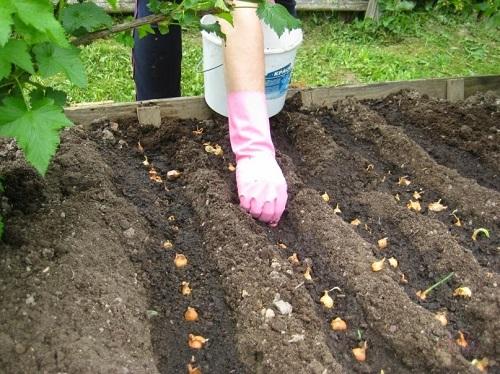
The onion sets are planted in furrows dug in the beds. The distance between rows is 15 centimeters, and the distance between bulbs is 10 centimeters. The spacing may vary according to the recommendations for specific varieties.
Soil temperature
As soon as the soil warmed up to a temperature of +12 At 0°C, you can begin planting the onion sets. In central Russia, this temperature is typically reached by mid-April. However, no one is immune to the vagaries of nature, so it's important to adapt to the situation.

Planting diagram
An onion bed can be any length and width. These parameters depend on the size of the chosen plot and the ease of subsequent maintenance. The distance between furrows should not exceed 15 centimeters, and between bulbs, no more than 10 centimeters. The best way to plant a particular onion variety depends on the variety.
Watering
The first time, onions should be watered, immediately after planting, in moderation. To prevent crusting, loosen the soil after watering. Excess moisture at the roots is harmful to onions. In hot summers, plants should be watered thoroughly once a week; in rainy seasons, the beds can be watered once a month. The average amount of water per square meter is 10 liters.

Thinning if necessary
Often, when the seed quality is poor, rows are intentionally denser. In this case, two weeks after planting, thinning should be carried out and weak and unsown bulbs should be removed.
We plant in July or in spring
In the spring, onions are planted to produce bulbs, yielding a harvest from one-year-old sets. In July, nigella (onion seeds) are planted to grow sets, which will be planted the following year to produce true onions.
Sowing seeds
Nigella seeds are very small and have a low germination rate. It's important to use seeds harvested no earlier than the previous year. The seed preparation process is crucial for the quality and quantity of the planned onion set harvest.

How to prepare
Seeds should be dry, collected locally or purchased from a store. The seeds are tested for germination, hardened, and germinated.

Soak
The process of determining seed germination begins with soaking. A packet of nigella seeds is poured into a container of warm water and waited for the seeds to settle to the bottom. Any empty seeds remaining on the surface of the water after an hour of soaking are removed with a spoon. These seeds will not germinate.
Soaking is often combined with disinfection by adding potassium permanganate, iodine or brilliant green to the solution.
Selection
Seed calibration is an important step aimed at increasing seed germination. Seeds that are too large or too small are removed by separating them from the main mass with a needle. After this procedure, germination can begin.

Gauze
Soak a soft cloth or gauze with water and place the calibrated seeds inside. Place the cloth and seeds in a sealed, air-filled plastic bag. Place the bag on a warm windowsill, close to a radiator. The seedlings should be well-lit. After 5-7 days, the seeds will sprout and can be planted in soil.
Disinfection and drying
After germination, it's important to make the seeds looser so they're easier to plant in the soil. To do this, roll the nigella seeds in chalk (this will prevent the seeds from merging with the dark soil when planting) or sand (to prevent them from sticking to your hands). If the seeds have already been disinfected, disinfect the soil by scalding it with boiling water or dousing it with a potassium permanganate solution.
Soil preparation
The soil for onions should be loose and nutritious. A mixture of sand and wood ash can be added to the soil. Onions dislike acidic soil and "fresh" organic matter.

Planting diagram
The easiest way to plant nigella is by hand in strips. The distance between rows is kept small, just like between plants when growing onion seedlings. If nigella is sown directly into the garden bed in July, leave 5-6 centimeters between the furrows and between the bulbs.
How to plant winter onion varieties
Onions planted under snow for the winter are called winter onions. Varieties planted before winter should be cold-hardy and belong to short-day onion species. By late autumn, the onions should be well-formed and have 6-7 pinnates. Therefore, winter varieties are planted in August. The timing depends on the growing region.

Soil and seed preparation are standard, the same as for spring planting of onion sets. The beds should not be densely packed and should be mulched with straw or spruce branches. These coverings will protect the seedlings from insect pests. The mulch is removed after the first snow melts. The beds are cleaned and loosened. Spring fertilizers and top dressing are applied. The best winter onion varieties include Ellan, Wolf, Zimovey, and many others.
The Chinese method of growing bulbs
Growing onions on ridges – the Chinese method When cultivating this vegetable crop, bulbs are planted not in depressions, but on top of improvised mounds. The mounds are made with a hoe. Do not compact the soil after planting.
The advantages of this technology include:
- easy harvesting;
- onions grow in loose soil;
- fertilizers are not washed out.
Harvesting of ripe bulbs occurs in late August or early September. Watering is stopped two weeks before harvest.

Mixed landing on the feather and head at the same time
When planting onion sets for turnips, the goal is to harvest the greens of this vegetable crop. Gardeners resort to a trick: planting the sets in a staggered pattern, following the classic pattern. Over time, the rows need to be thinned to prevent crowding; these bulbs are used for greens. With this method of growing onions, there's no need to create a separate bed for green onions.
What to do to prevent onions from bolting
Winter onions don't bolt, so gardeners won't encounter this problem if they're planted before winter. However, spring onions are a different matter. Bolting tendencies can be determined by inspecting the planting material. If the bulb has a thick neck, the plant is prone to bolting. These onions are best grown for greens or for nigella seeds.
The plant variety also determines a vegetable's tendency to bolt. Carefully read the variety descriptions. If the problem occurs and the onion bolts, prompt action is necessary. The flower stalk and bolts are trimmed and removed. These stems are often used in preserves and to make delicious snacks.
Growing onions in your garden is easy. It's important to follow proper agricultural practices, crop rotation, and avoid overfeeding them with fertilizer. This aromatic, tart vegetable will surely reward gardeners with a bountiful harvest.
Related posts:
 50 types and varieties of perennial onions with descriptions, cultivation, and care
 When to harvest leeks from the garden for storage, ripening times
 Description of the Exhibition onion variety, growing from seedlings, planting and care
 The beneficial properties of white onions, description of varieties, cultivation and care
 Description of the best varieties of onions, planting and care in open ground
 Description of varieties and cultivars of wild onions, the subtleties of cultivation
 When to harvest onions planted in autumn and spring from the garden for storage, how to determine the timing
 Control of onion pests using chemical and folk remedies