Onions are a labor-intensive and demanding crop, and not everyone grows them well. The modern Daytona F1 hybrid (annual onion) presents no problems for vegetable growers. This commercial variety, bred in Holland, has been grown in Russia for many years.
General characteristics of the plant
Unlike traditional varieties, Daytona can be grown directly from seed in one season, eliminating the need to grow sets and store them over the winter. This hybrid is very convenient for the amateur vegetable gardener, as it eliminates both the need for extra work and the need to purchase sets for planting.
The variety's advantages include high heat and drought tolerance, as well as its ability to withstand temperature fluctuations. The bulbs do not produce flower stalks even in sudden cold spells at the beginning of summer, making the hybrid increasingly popular in the Ural and Siberian regions. The variety's early maturity allows for a harvest even during the short summer.
It takes about four months from sowing the seeds to harvesting the commercial produce, so in Russia, harvesting takes slightly later than with varieties grown traditionally (using sets). However, this method also has its advantage: gardeners have access to a supply of vitamin-rich greens practically all summer long. Green onions and young bulblets are harvested during the turnip growing process, during thinning of the crops.
The plant is resistant to pink rot, is virtually immune to fusarium wilt, and can withstand other types of onion bacterial infections. Plantings suffer significantly only from pest attacks, but the beds can be treated with onion fly and other insecticides as needed.
The variety's yield is stable, averaging 6-7 kg of marketable produce per square meter. This yield may fluctuate slightly due to soil conditions or plant care. By following proper cultivation practices for annual onions, a vegetable grower will always be able to reap a good return on their efforts.
Consumer qualities of onions
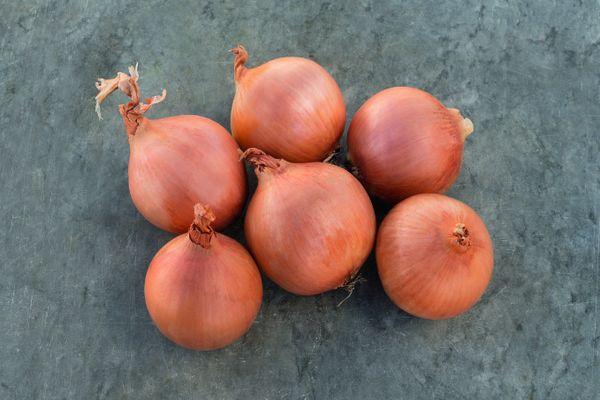
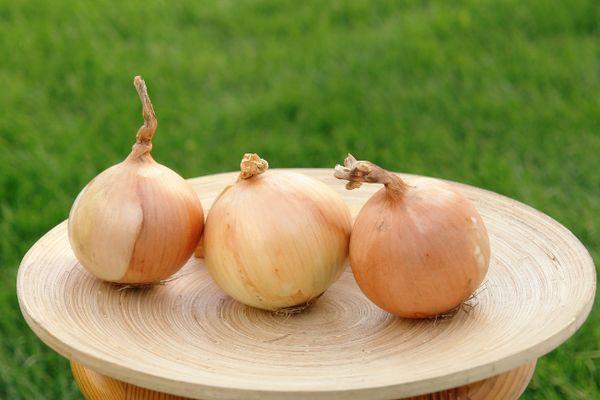
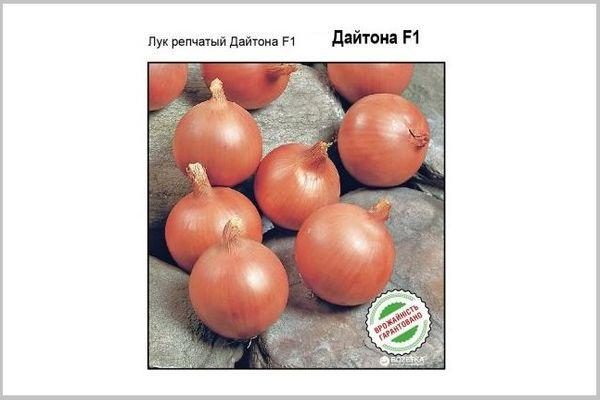
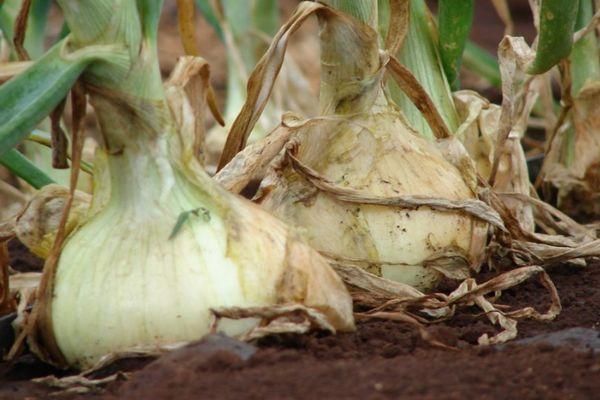
The bulbs are round, covered with 2-3 layers of dense brown scales. This reliably protects the interior of the bulb from damage during transportation and from wilting. The average weight of one bulb ranges from 80-110 g. Medium-sized bulbs are easy to store and use in cooking.
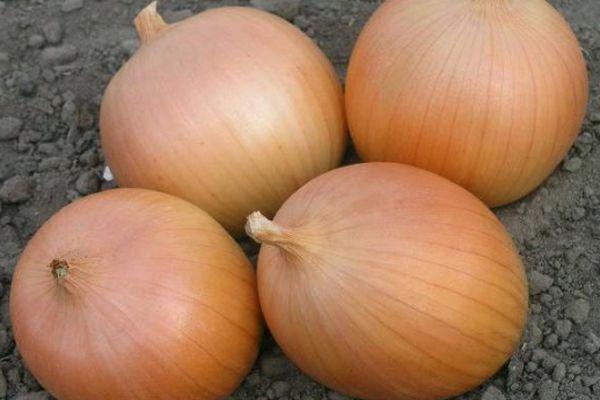
The vegetable's flesh is snow-white, with a strong, distinctive aroma. Dry matter content reaches 10%, depending on growing conditions. Its flavor is excellent. Reviews from amateur vegetable growers note the pleasant, slightly sweet, and moderately spicy flavor of the Daytona onion's flesh.
This hybrid has a versatile use: it can be eaten fresh, canned, or stored during the cold season. Its sweet and spicy flavor complements virtually any fresh vegetable dish, so onion rings are often included in summer salads. However, fresh onions are also used in meat, fish, and egg appetizers. This spicy vegetable is useful not only as a good seasoning, but also as a vitamin supplement and a source of phytoncides, which are used to treat colds.
Onions are traditionally included in a variety of hot dishes. When sautéed, the vegetable's aroma is subtly altered and enriches the flavor of soups, sauces, and stews. Onion paste is used to marinate meat for kebabs and is added to minced meat, fish, and vegetables.
Small onions can be pickled whole, adding them to vegetable platters. Cut into rings or wedges, they can be used in marinades and pickles, and as a spice. They are also used in winter salads and appetizers, added to lecho (a type of stew) and various sauces and appetizers. Without this vegetable, you can't make a delicious vegetable caviar.
Turnips harvested at the end of the season store well in a cool, dry place for 3-4 months. For storage, they can be placed in mesh boxes, bags, or tied into braids and hung in a cool pantry. Properly prepared for winter, onions will not spoil or sprout.
Agricultural technology of the variety
To ensure a good onion harvest, the plot should be limed and fertilized with organic fertilizers or mineral mixtures beforehand. This can be done during spring tillage. Add 10 kg of humus, 500-600 g of wood ash, and 1-1.5 kg of ground chalk or dolomite flour per square meter. If the soil is very dense and saline, 2-3 buckets of fine sand can be added. Onion seeds are small, so gardeners should carefully break up any large clumps that may interfere with germination.
Take a look Also

Onions won't grow in a swampy area. It's best to select a site with good natural drainage, and if that's not possible, create raised beds filled with light, fertile soil. The Daytona hybrid requires quite a lot of light, so it shouldn't be planted in the shade.
Daytona onion seeds will need to be purchased annually, as the first-generation hybrid will not retain its parental qualities if attempting to reproduce independently. To kill any fungal and bacterial spores remaining on the planting material, soak the onion seeds in a solution of potassium permanganate or Fitosporin for 30-40 minutes. Afterward, drain the water, and dry the seeds on paper until they become free-flowing.
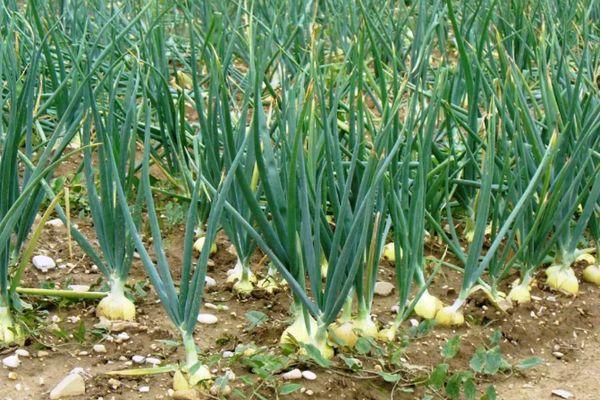
Furrows 5 cm deep are dug into the seedbed, spaced approximately 30 cm apart. Scatter the seeds along the furrows, 4-5 cm apart, and then cover with soil. Time the sowing so that the young seedlings are not exposed to subsequent frosts. The seedbeds should be watered daily if there is no natural precipitation.
Thirty days after sowing, the onions can be fertilized by adding a solution of mineral fertilizer (Ammophoska Universal, Agricola Vegeta, Kemira Lux, etc.) along with the irrigation water. Fertilizing should be repeated every 2-3 weeks. Stop fertilizing one month before harvesting.
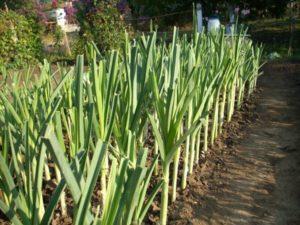
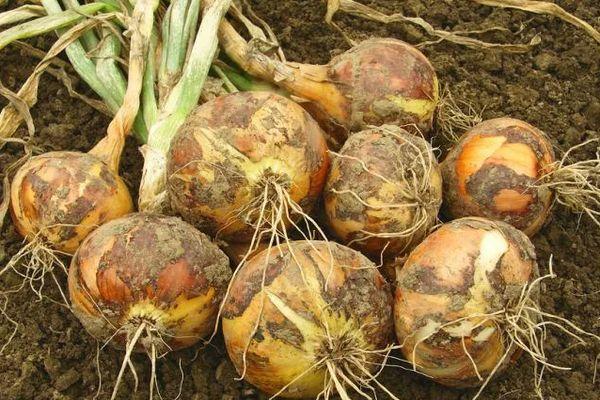
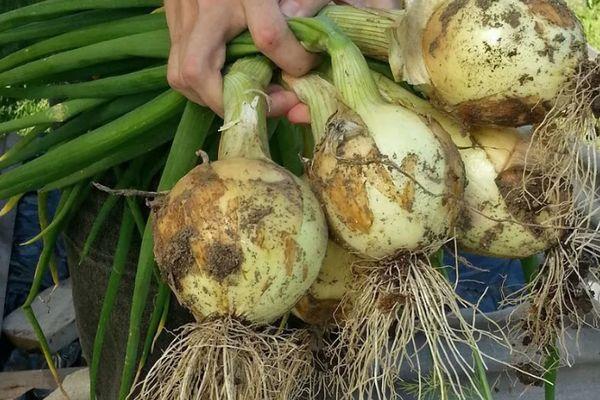
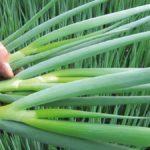
When the feathers reach a height of 10-15 cm, they are ready to eat. To ensure large bulbs, leave about 7-10 cm between them. Therefore, excess plants are pulled out by the roots and used as vitamin-rich greens.
You can tell when the onions are ripe by the lodging of the above-ground portion. They are pulled or dug up and dried for several days. You can tell when they are ready for storage by the condition of their neck (the area at the top of the onion where the leaves emerge). When pressed with your fingers, the neck should feel hollow and completely dry inside.
Related posts:
 50 types and varieties of perennial onions with descriptions, cultivation, and care
 When to harvest leeks from the garden for storage, ripening times
 Description of the best varieties of onions, planting and care in open ground
 How and when to plant onions to get large bulbs
 The beneficial properties of white onions, description of varieties, cultivation and care
 Description of the Exhibition onion variety, growing from seedlings, planting and care
 Description of varieties and cultivars of wild onions, the subtleties of cultivation
 Description of Welsh onion varieties, planting, growing, and care in open ground