
Many Russian gardeners grow leeks. The plant is prized for its rich nutritional content and ease of maintenance, as it's considered a low-maintenance crop. To ensure a good harvest, it's important to know the timing, planting guidelines, and choosing the right variety. Following storage recommendations, which should be researched in advance, will help preserve freshly harvested vegetables.
Benefits of leeks
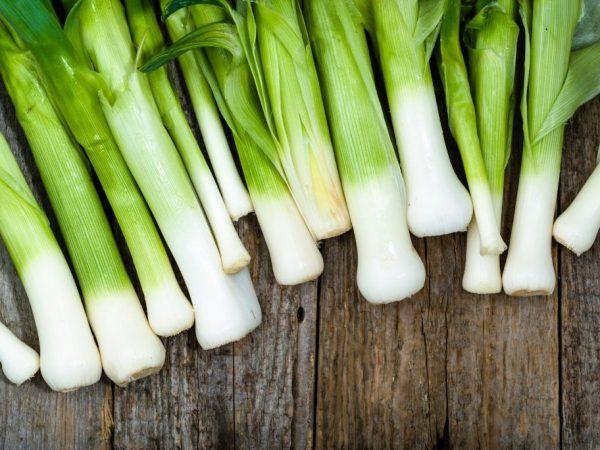
Leeks are 90% water, and also contain trace amounts of carbohydrates and protein. 100 grams of leeks contain only 33 kcal. Due to their unusual appearance and virtually transparent base, the plant is known in Europe as "pearl onion." Leeks are high in vitamins and minerals, including potassium, magnesium, iron, and many others.
The properties and contraindications of leeks have been known since ancient times. Due to its high vitamin content, the plant can replenish vitamin deficiencies in the body. Leeks have the following effects on the body:
- provides a diuretic effect due to the presence of potassium;
- improves the functioning of the liver and gallbladder;
- increases appetite;
- reduces the effects of overwork;
- has anti-sclerotic properties.
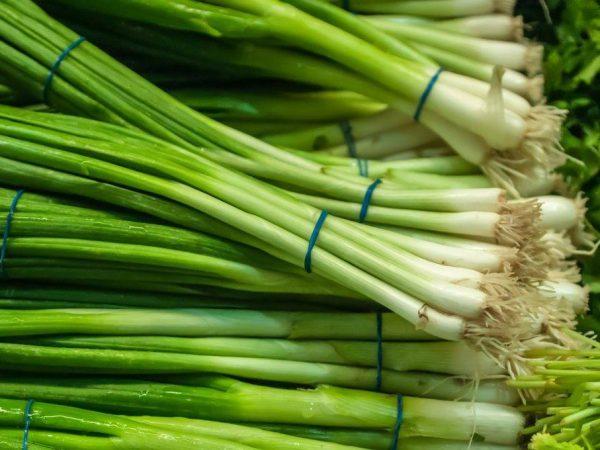
Leeks are recommended for gout, rheumatism, kidney stones, and obesity. The plant also has a beneficial effect on physical and mental fatigue. Leeks help normalize digestive tract function by improving the secretory function of the glands.
Leeks are a unique plant species with minimal contraindications. Inflammatory diseases of the stomach or duodenum prohibit the consumption of raw onions.
The best varieties
Today, a wide variety of "pearl onions" are available on the garden market. Varieties are categorized by ripening time as early, mid-season, and late. Each has its own unique breeding qualities, with slight differences in appearance, flavor, and yield characteristics.
When choosing a leek variety, consider the region it's intended for. Popular early-ripening varieties include:
- Goliath - the stem reaches a height of 30 cm, the diameter is up to 6 cm, the plant has wide leaves and a small bulb size, weight from 180 to 210 g, high-yielding.
- Vesta is designed for growing in the Moscow region. The diameter of the white base is 3 cm, the length is from 48 to 53 cm, the weight is up to 250 g, and it tolerates hot and cold weather well.
- Columbus - leaf height up to 80 cm, weight from 350 to 400 g, characterized by a pleasant delicate taste.
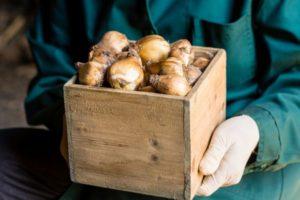
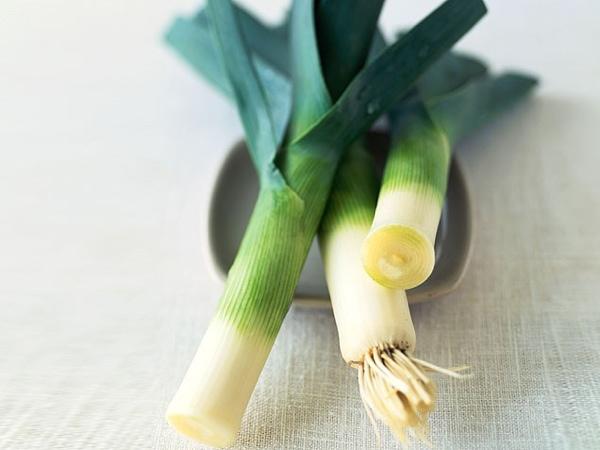
Early-ripening varieties include Kazimir, Tango, and Giraffe. Their harvest time ranges from 150 to 180 days. Their advantage is their excellent taste, which can improve during storage. Compared to early-ripening varieties, they have wider leaves, reaching 5 to 7 cm in size. On average, they weigh no more than 240 g.
Late-ripening varieties are distinguished by good frost resistance, high yields, and excellent storage qualities. The most popular include Akreok, Mercury, and Autumn Giant.
Planting times and rules
Planting times and procedures depend on the chosen variety and growing method. In Russian regions, the seedling method is recommended, as the plant has a long growing season of at least 20 days. Growing leeks in open ground Seeds are recommended only in southern regions.
Sowing is done in late February when planting in a greenhouse. For outdoor conditions, it is recommended to sow the seedlings in April.
When planting in a permanent location, it is important to consider which crops onions go well with.
Seedless method
Growing leeks without seedlings involves sowing leek seeds directly into the soil. The seeds ripen in the plant's second year and develop on the flower stalk in August or September. They remain viable for two years. The advantage of this method is time savings, as seedlings require significant planting and maintenance.
This method is only suitable for regions with warm climates. Some people plant seeds in the fall, but in practice, this method often fails because leeks cannot withstand the cold and freeze.
To obtain a good harvest, it's important to prepare the right soil. The plant does not thrive in acidic, heavy, or light sandy soils. Good yields will be achieved when grown in loamy or floodplain soils. Good light exposure is also essential for good growth.
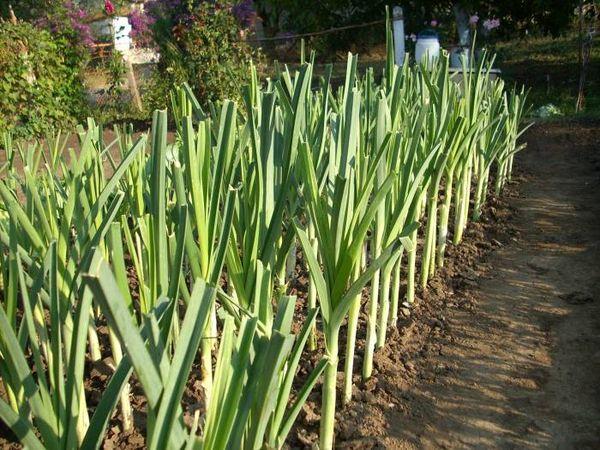
Growing from seeds requires preliminary preparation. To do this, the planting material is soaked in water at a temperature of +50°C. C and leave for 20 minutes. After removing the liquid, place the seeds in a dark place for 7 days to allow them to absorb sufficient moisture.
The bed is dug to a depth of 20 cm and fertilized with 4 kg of compost and the same amount of urea per square meter. Potassium salt and superphosphate should be added to the soil. Sow the seeds in 8 cm-deep furrows, covering them with a 2 cm layer on top. When the plants reach a height of 10 cm, they can be transplanted, maintaining a distance of 15 cm between plants and 50 cm between rows.
Seedling method
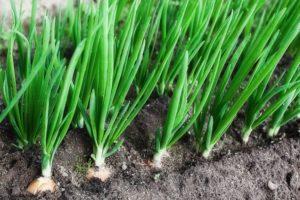
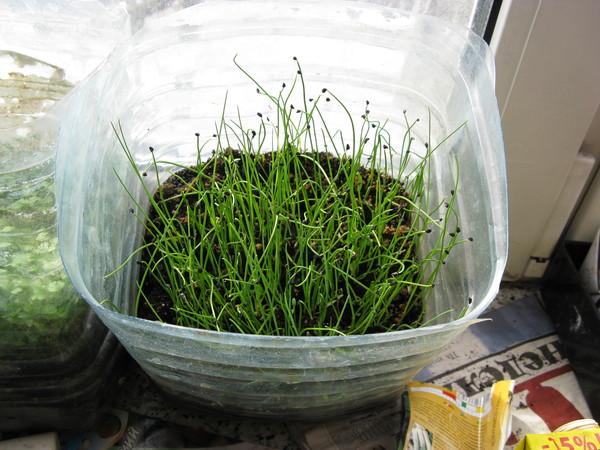
Planting leeks using seedlings is the most common method in Russian regions. Sowing begins in late February through March. The diameter of the seedling container should be at least 12 cm. The soil is prepared in advance by mixing peat, soil, and compost in a 1:1:1.5 ratio. The soil layer should be 8 to 10 cm thick; disinfection with potassium permanganate is recommended. The seeds are planted 1.5 cm deep.
After completion of sowing, the containers are placed under film and left in a warm room with a temperature of +25 C. It is necessary to water the plants in a timely manner, since the soil moisture must be 100% for the seeds to germinate. The seedlings need to be provided with 12 hours of light. After 15 days from germination, the temperature is reduced to +15 C, after a week they restore to +20 C, which helps prevent the formation of flower stalks in the first year.
After a month, the seedlings are planted, spacing them 3 to 4 cm apart. Shoots should not be allowed to grow beyond 10 cm; pruning is performed once this height is reached. This procedure is typically repeated every two weeks. The seedlings should be fertilized twice; Kemira Universal can be used for this purpose.
Ten days before planting, harden off the seedlings by placing them outside for two hours, gradually increasing the time. Avoid direct sunlight while outdoors.
Soil preparation
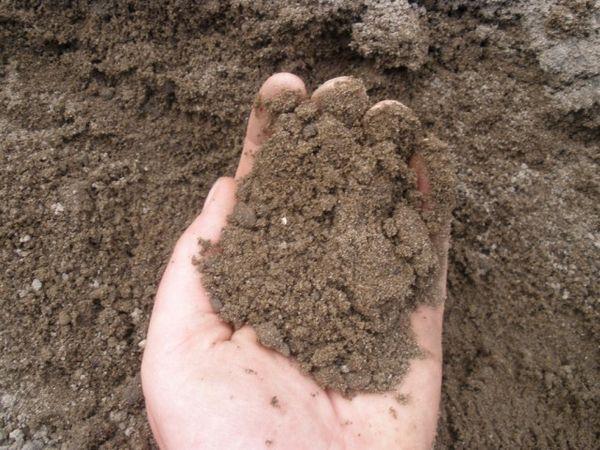
To grow any leek variety, it's recommended to prepare the soil in the fall. This is done by tilling and fertilizing the soil. When choosing a site, it's important to consider crop rotation. Potatoes, cruciferous vegetables, and legumes are good predecessors for leeks. "Pearl" varieties should not be planted in the same spot for more than three years in a row. If the soil is highly acidic, apply lime. The planting pattern should maintain a distance of 50 cm between rows and 15 cm between plants.
Care Features
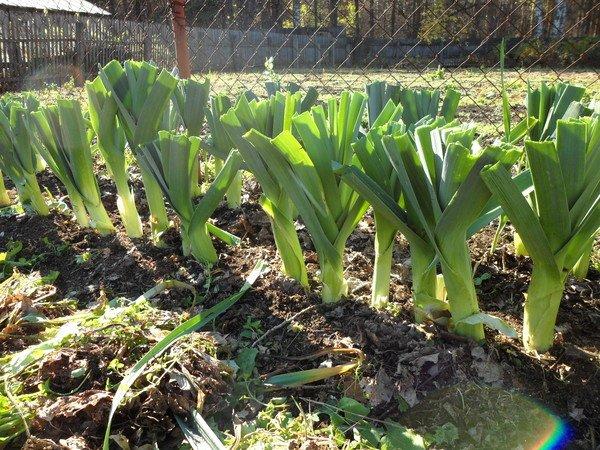
Caring for leek varieties differs from growing traditional onions. After the plant has rooted and the stems reach a thickness of 5 to 7 cm, hilling is performed. This procedure is repeated after 1.5 months. Two to three additional hillings are performed during the gardening season.
Immediately before hilling, add wood ash to the soil. After two weeks, treat the soil with a 1:8 cow manure solution, supplemented with potassium and phosphorus fertilizer.
The plant must be grown with regular watering. Water every 5 days, increasing the amount during hot weather and when rainfall is insufficient. The recommended watering rate is 10 liters per square meter.
Problems in growing
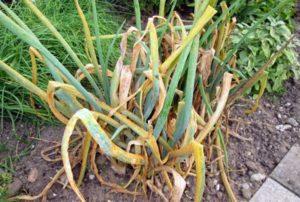
Caring for leeks requires more complex cultivation techniques. If the plant isn't growing well, it's important to investigate the underlying cause. The most common causes include:
- insufficient lighting of the place;
- unsuitable soil acidity;
- non-compliance with the planting scheme, excessive planting density;
- lack of nutrients, lack of supplementary feeding;
- moisture deficiency, watering with cold water.
It's important to loosen and hill up the soil regularly to ensure stems develop sufficient diameter and density. Pest infestations should be monitored and the plant should be inspected periodically for fungal diseases. Rust and onion fly are considered the most dangerous pests for onions.
Storage methods
Harvesting of early-ripening varieties begins in August, and late-ripening varieties in October. Grown onions should be dug up before frost sets in. The optimal storage temperature for the harvest is considered to be between +1 and +2°C. C. Onions are stored for long periods in boxes filled with damp sand. Before storing, the root shoots are shortened to 2 cm and the stems to 25 cm. For immediate consumption, the vegetable can be stored in the refrigerator.
Popular recipes
Leeks can be enjoyed on their own or as part of main dishes. They're a great alternative to garlic and traditional onions, making them a popular ingredient in salad recipes. They're also added to soups, stewed with mushrooms and vegetables, and used as a filling for pies and baked goods.
If you'd like, you can try making vichyssoise soup. For the recipe, you'll need:
- "pearl" onions - 250 g;
- potatoes - 3 pcs.;
- onion - ½ head;
- green onions - 25 g;
- chicken broth - 500 ml;
- butter - 50 g;
- cream - 200 ml;
- salt and pepper to taste.
Finely chop the onion and leek, then sauté for 5 minutes. Add the diced potatoes and broth, bring to a boil, season with salt and pepper, and simmer for 30 minutes. Blend the vegetable mixture with cold cream, cool, garnish with herbs, and serve with croutons.
Related posts:
 When to harvest leeks from the garden for storage, ripening times
 Description of the best varieties of onions, planting and care in open ground
 50 types and varieties of perennial onions with descriptions, cultivation, and care
 Description of Welsh onion varieties, planting, growing, and care in open ground
 Control of onion pests using chemical and folk remedies
 The beneficial properties of white onions, description of varieties, cultivation and care
 Description of varieties and cultivars of wild onions, the subtleties of cultivation
 How and when to plant onions to get large bulbs
We live in Siberia, so we grow leeks exclusively from seedlings. We usually start working with the seedlings in early to mid-March and transplant them outdoors around May. This is the second year in a row that we've been fertilizing the crop. Biogrow — with it, onions grow faster and are not afraid of cold weather.