
- General characteristics
- Description
- Distinctive features
- Productivity
- Names of species and varieties
- Welsh onions
- April
- May
- Long Tokyo
- Tenderness
- Seryozha
- Fat-leaved
- Slime onion
- Green
- Dwarf
- Leader
- Charm
- Simbir
- Salad
- A treasure trove of health
- Waltz
- Multi-tiered
- Likova
- Memory
- Chelyabinsk
- Chives
- Bohemia
- Honey plant
- Chemal
- Spring
- Crocus
- Shallots
- Airat
- Pomegranate
- Strongman
- Vitamin basket
- Emerald
- Other species
- Oblique bow
- Giant
- Newbie
- Fragrant onion
- Witch Doctor
- Fragrant
- Spicy
- Altaic
- Blushing
- Aflatunsky
- Features of cultivation
- Landing and transplanting
- Selecting a site
- Soil preparation
- Planting diagram
- Deadlines
- Mulching
- Dividing the bush
- Care
- Weeding and loosening
- Watering
- Protection from diseases and pests
- Top dressing
- Preparing for winter
- Harvesting and storage
- Recommendations for selection
- The subtleties of growing winter varieties
- Growing from seeds
- Reviews
Growing perennial onions in your garden is convenient—fresh greens are always available, and many varieties are decorative and enhance the landscape. Most perennial onions are winter-hardy, produce consistent yields until late fall, and have strong immunity and resistance to fungal and bacterial infections.
General characteristics
Perennial onion varieties are so diverse that their distinctive characteristics are striking. Welsh onions are primarily grown for their greens. Chives are highly ornamental, but their leaves are edible, though their flavor will be quite different. There are varieties of perennial onions that taste like garlic.
Perennial sprouts are among the first to appear in garden beds after the snow melts. Perennial plantings can withstand winter frosts (down to -40°C). C), the bushes do not freeze.
Description
Perennial varieties are grown in various ways: in bushes, in beds or in separate rows.
Note! Perennial onion varieties typically do not produce large bulbs, and only the greens are used for food.
Distinctive features
Perennial onions are strikingly different from their bulbous counterparts. Distinguishing features:
- Winter hardiness and frost resistance.
- Resistant to onion fly and nematode.
- It grows in one place for several years without replanting.
- It bears fruit from early spring to late autumn.
- Suitable for protected and unprotected soil.
- It does not have any special requirements for agricultural technology and soil fertility.
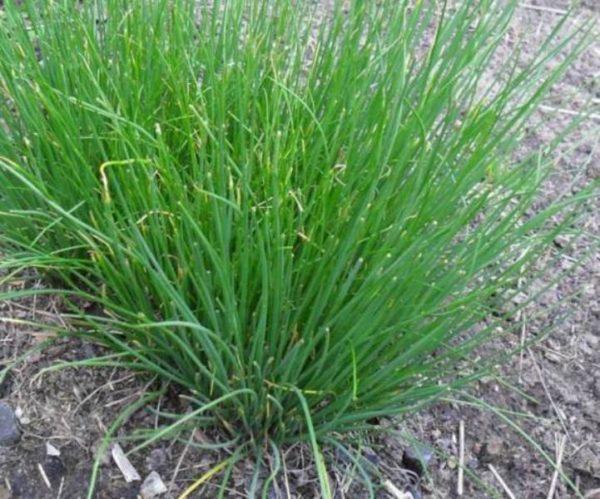
The feathers of young plants are rich in vitamins and microelements. Onion greens are a natural antiseptic and have antiviral properties, making them beneficial to eat during the flu season.
Productivity
Perennials can be harvested from early spring until the first frost. The tops are cut from the bushes partially or all at once. New foliage grows within a few weeks.
Names of species and varieties
Currently, breeders distinguish about five hundred varieties of perennial onions.
Welsh onions
Bow Well-known and successfully grown in Russian gardens for decades, Welsh leeks possess a number of valuable properties, including vitamins and microelements.
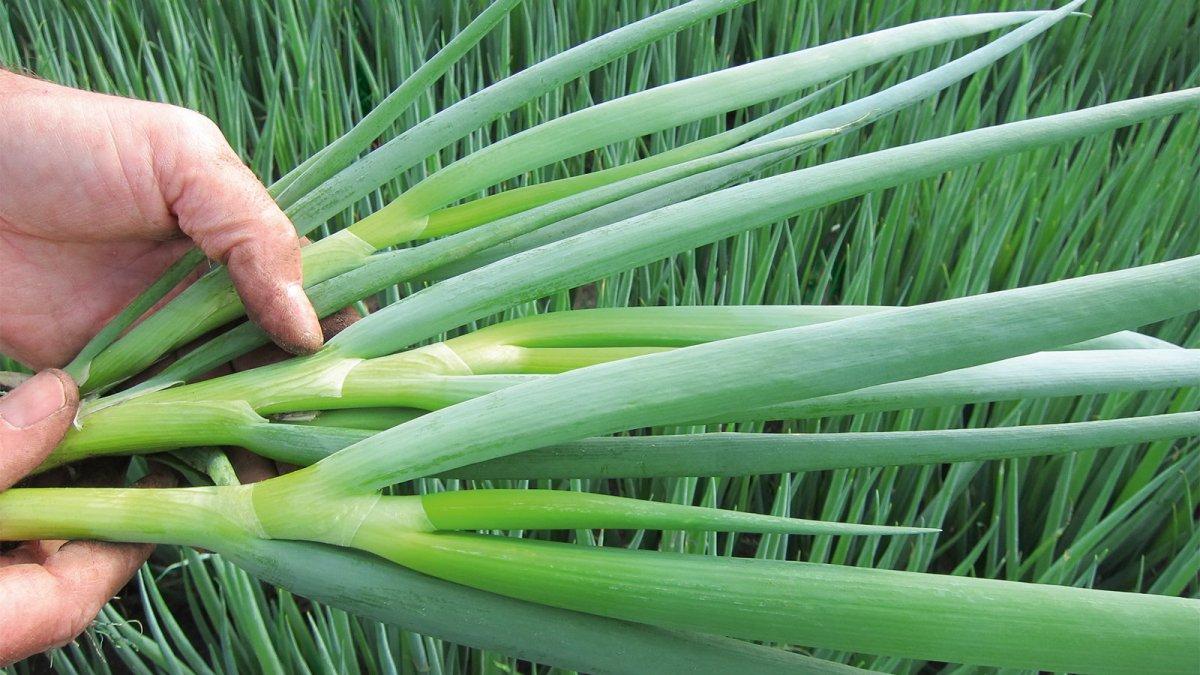
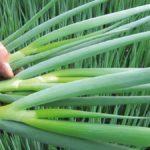
The bulbous onion bush looks untidy and has little ornamental value. The stems can grow up to 70 centimeters tall, while the stalks themselves are wide and delicate. The bulbous onion propagates by stems. There are several varieties of the bulbous onion.
April
The April onion is grown as both a perennial and an annual plant. Distinguishing features and properties:
- One of the first to emerge from under the snow in spring.
- The first harvest can be collected at the end of April.
- Increased content of vitamin C.
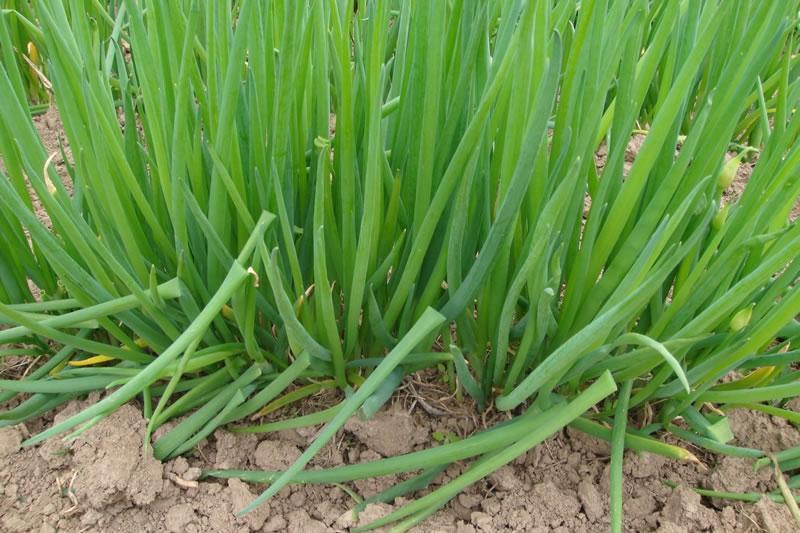 Note! Prone to bolting. Does not grow well in acidic soils. Sow seeds in garden beds using the "bouquet" method.
May
This is a high-yielding, mid-season salad variety of Welsh onion. It is a domestically bred variety. The bulbs do not form; Welsh onion is grown for its greens. It has little ornamental value. Its flavor is sharp and pleasant. It is high in vitamins and microelements.
May batun has strong immunity and is resistant to fungal diseases.
Long Tokyo
It's grown throughout our country. Bushes can go for several years without replanting, without sacrificing yield.
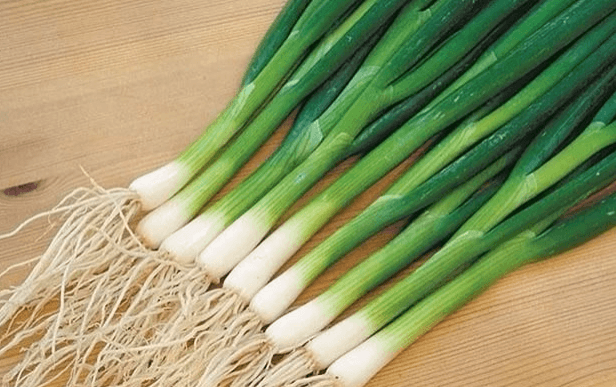
It withstands harsh winters without snow. The bulb does not form and is suitable for fresh consumption. The flavor is sharp, with a piquant bitterness.
Tenderness
Forms a low-spreading bush of small height, up to 40 centimeters. The pinnae are tubular with a slight waxy coating. It overwinters well without additional shelter, is resistant to temperature fluctuations, and has excellent flavor. It has a high ascorbic acid content.
Seryozha
Used for greens, it does not form a bulb, although it is considered an interspecific hybrid of the Welsh onion and its onion relative. The leaves are long, juicy, with a characteristic bluish tint. The greens have a sweet, rich, and mildly spicy flavor.
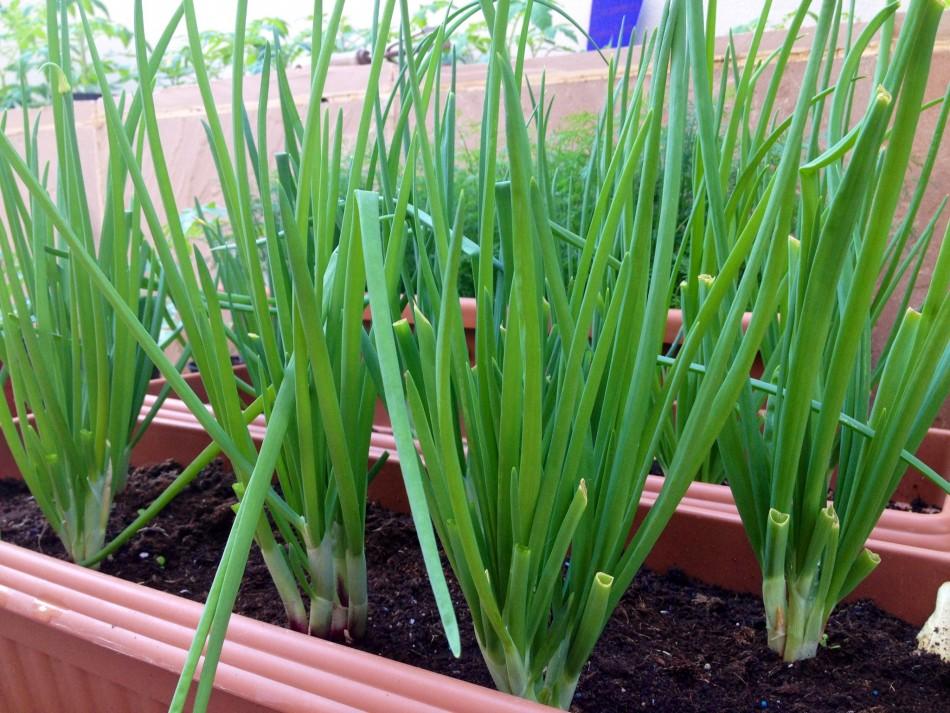
Grown exclusively from seedlings. Hilling and seasonal fertilizing are essential.
Fat-leaved
An early-ripening variety bred domestically. It is distinguished by its winter hardiness and rapid growth of fresh foliage after pruning. The bush is semi-spreading, and the bulb does not form. The stems are hollow, very juicy, and suitable for salads. It has a high ascorbic acid content.
Slime onion
A highly ornamental onion, perfect for planting in flowerbeds and vegetable gardens. Also known as drooping onion, it can be eaten fresh, preserved, dried, and pickled.
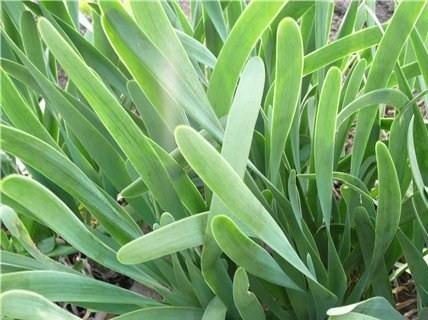
The green stems remain tender and do not become rough until late autumn. The leaves develop thick, wide, and fleshy. Rich in micronutrients, the onion stems are distinguished by their high iron content. They are used as a folk remedy: they soothe pain, fight inflammation, and combat fatigue.
Take a look Also
![When to store onions in [year] according to the lunar calendar](https://harvesthub.decorexpro.com/wp-content/uploads/2018/07/kogda-ubirat-luk-1-300x200.jpg)
Green
A high-yielding variety grown everywhere. It has no special care requirements. It forms compact, small bushes. The stems are flat, wide, and juicy, with a delicate flavor and a slight garlic aroma.
Dwarf
A frost-hardy, mid-season variety of slizuna. Its stems are wide and slightly waxy. It is characterized by compact bushes: a mature plant reaches no more than 30 centimeters in height. It is a salad variety and is grown in flowerbeds and garden beds. It bears fruit until late autumn. It thrives in any soil, requires little watering, and is drought-tolerant.
Leader
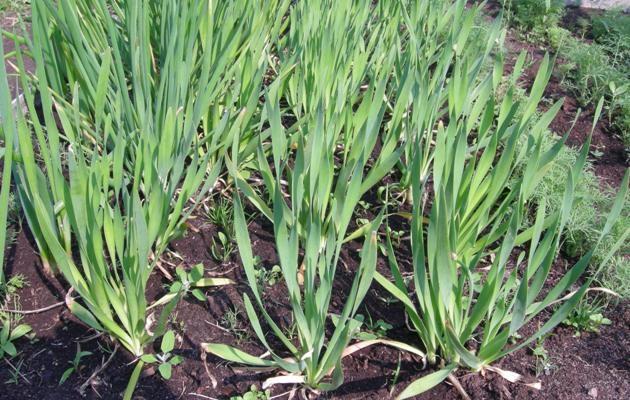
General-purpose. The bushes require watering and regular loosening. After cutting, new stems grow back in 40 days. Tolerates frosts down to -30°C. WITH.
Charm
It's a wonderful decorative plant thanks to its unusual, beautiful flowers, reminiscent of snow-white, fluffy balls. The variety produces a moderate yield, and the bushes are small and compact.
Simbir
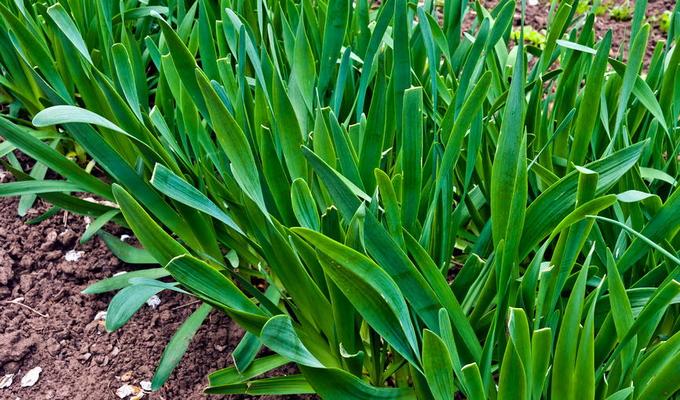
Recommended for growing in private gardens, Simbir is winter-hardy. Its leaves have a unique shape—the blades are slightly twisted into a spiral. It's a mid-season variety with a high yield.
Salad
This mid-season, winter-hardy variety offers versatile greens and above-average yields. It has excellent flavor and a pleasant, light garlic aroma.
A treasure trove of health
A long harvest is combined with high yields. The greens are tender, mildly spicy, and flavorful, with a subtle garlic aroma. This is an early-ripening variety. Suitable for growing in flowerbeds.
Waltz
A new variety bred in 2015. It matures quickly, with leaves curled into a distinctive spiral. It doesn't require replanting for five years without loss of yield. It is winter-hardy and resistant to fungal diseases.
Multi-tiered
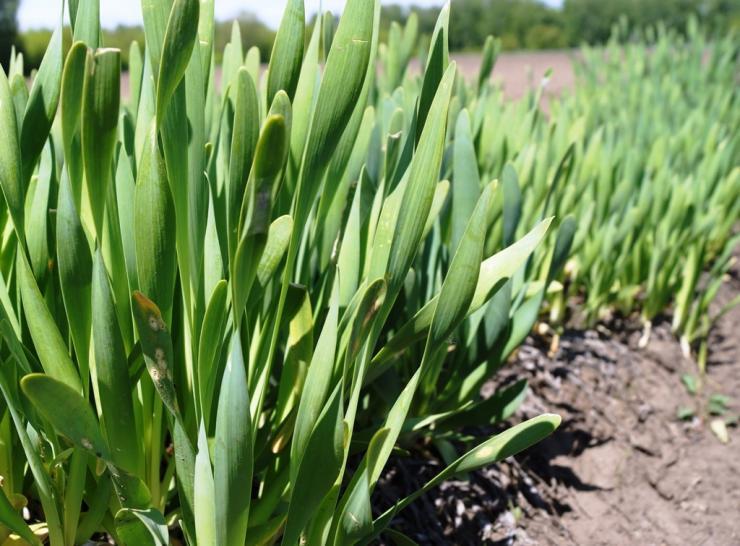
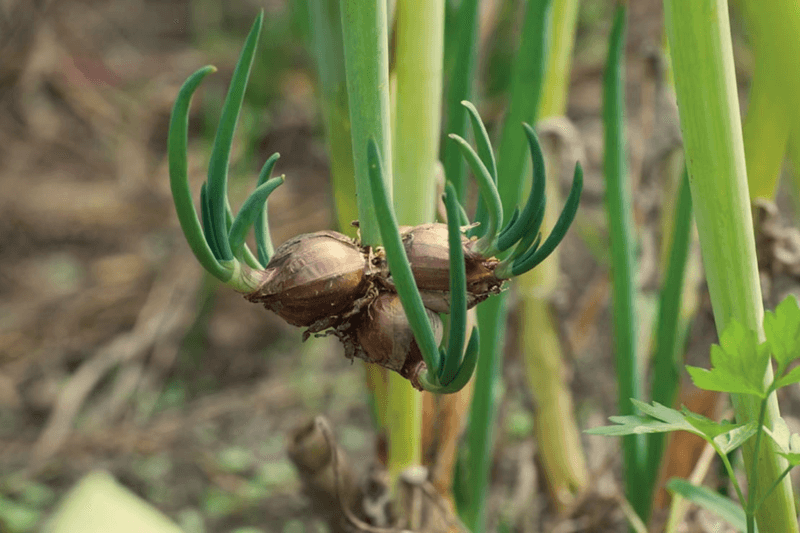
Horned onion is the common name for a multi-tiered perennial onion. It was introduced to Russian gardeners from China. It differs from the Welsh onion in the type of flower stalk, and its greens resemble those of an onion.
The main stem of the multi-tiered chives ends in small bulblets. This is the first tier. The root bulblets are not edible. Chinese chives do not accumulate nitrates and contain a large number of beneficial components and vitamins. This species does not have a dormant period; the greens can be harvested continuously.
Likova
One of the most popular varieties of multi-tiered onions among Russian gardeners. The upper bulblets ripen to a large size and have a rounded shape. Likova is considered an early-ripening variety. It prefers neutral soils and full sunlight.
Memory
A productive perennial onion variety. The top tier is formed by four elongated bulblets of a distinctive purple-burgundy color. The fresh greens are noted for their high carotene content.
Chelyabinsk
Considered a super-early variety, the stems boast excellent flavor: juicy, tender leaves with a slight pungency. Chelyabinsk perennial onion is resistant to frost and harsh winters with little snow. It is resistant to a wide range of fungal diseases.
Chives
Known since the Middle Ages, it was used as a medicinal herb and as a decorative element for flower beds. It is especially prized in European countries.
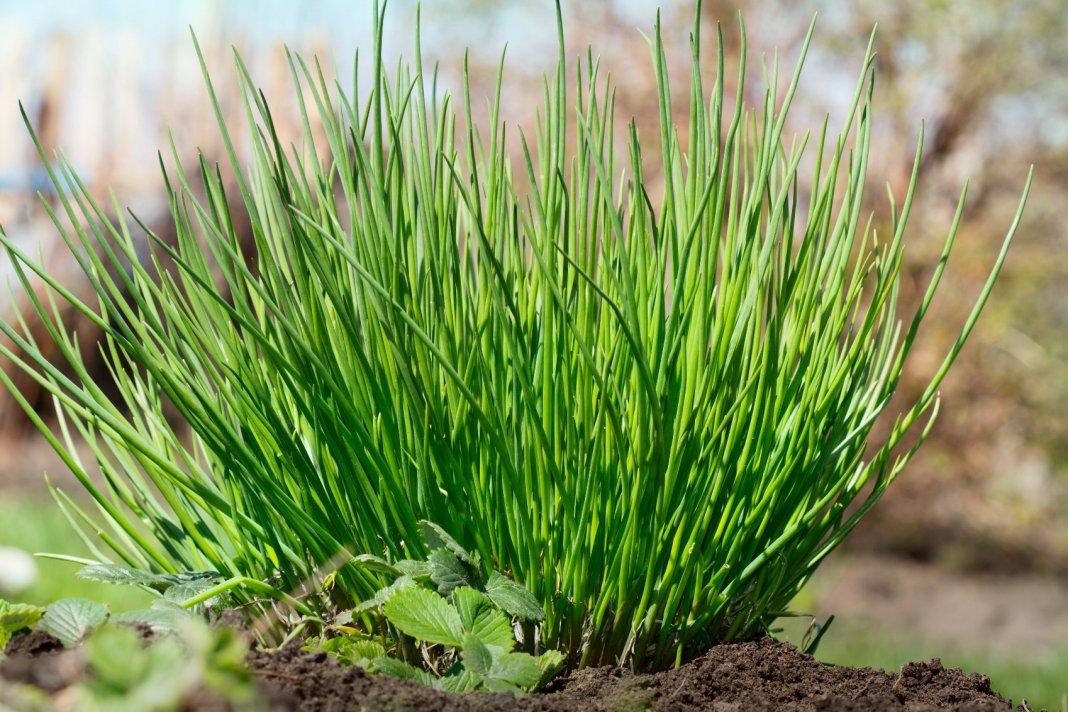
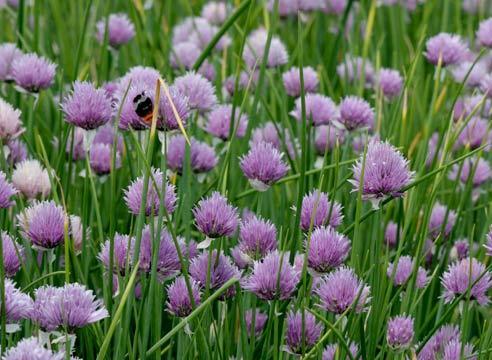
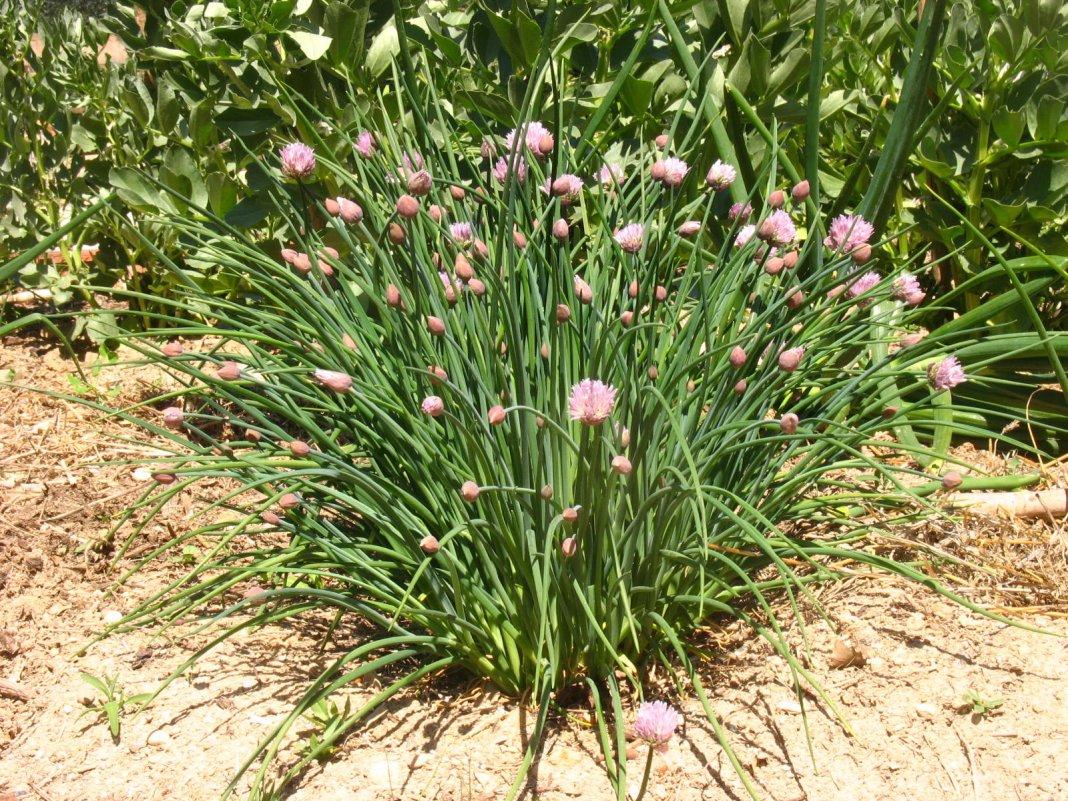
Schnitt-onion means "cut onion" (translated from German). In common parlance, it is often called restaurant onion or chivesIt is a small shrub with thin, delicate leaves and a strong rhizome. The flower stalks are beautiful, with bright purple inflorescences. It is often planted as a hedge or border crop.
Bohemia
This variety is highly productive. It can be grown in the same spot for five years without replanting. It produces foliage year-round when grown indoors or in a greenhouse. It has excellent ornamental qualities and is a honey plant.
Honey plant
Bred in Russia, it boasts excellent flavor; the stems have a delicate, juicy taste with a piquant tang. It is resistant to downy mildew.
Chemal
It can produce up to 7 kilograms of greens in a single growing season. It forms a small, compact bush, and the leaves regrow quickly after cutting. The greens have a pungent flavor. A drawback is susceptibility to powdery mildew.
Spring
Forms a vigorous, strong, and tall bush. It tolerates frosts well and has a strong immune system. Yields up to 6 kilograms of greens per season, with a juicy, slightly spicy flavor.
Crocus
An early-ripening perennial onion variety. It has average frost resistance and does not tolerate winters with little snow. It produces a high yield, and the stems regrow quickly after harvesting. Its fresh leaves are high in vitamin C.
Shallots
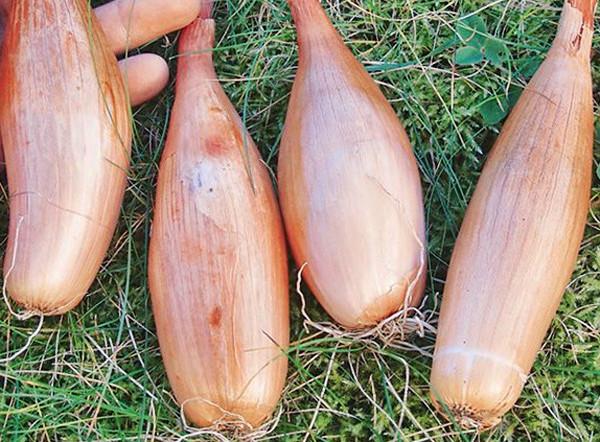
A variety of onion. Brought to Russia from Europe, its origin is the Middle East. It is also known by several names: family onion, Alexandrian onion, and escalot. It is a biennial onion. Seed onions are grown from seeds and planted the following year for a full harvest. A single seed onion matures into a large "family" of 5-6 new onions.
Airat
A mid-season shallot. The bulbs are yellow, elongated, and have a piquant, sharp flavor. They can produce up to five offspring per onion family.
Pomegranate
An early-ripening family onion. Resistant to leaf yellowing, it provides gardeners with a long supply of delicious, fresh greens. The bulbs are red, weighing up to 40 grams.
Strongman
A family-grown onion designed for long-term storage. The bulbs ripen large, oval, and delicately red. This "Krepysh" variety is resistant to fungal diseases and bolting.
Vitamin basket
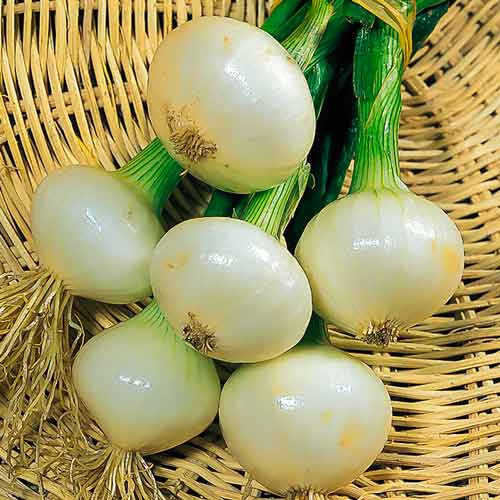
A super early-ripening variety. Forms several onion families with 4-5 bulbs each. Ripe onions are pale golden in color. Excellent shelf life and strong resistance to fungal and bacterial diseases.
Emerald
A late-ripening variety designed for long-term storage. It produces 4-5 bulblets per colony, flattened in shape, weighing up to 35 grams. When fully ripe, the color is brownish-red.
Other species
In addition to the above-mentioned varieties of perennials, there are other species and varieties that belong to the onion family.
Oblique bow
Commonly known as bitter garlic, the onion received this name due to its resemblance to true garlic bushes. It is often used to decorate flower beds and vegetable plots due to its beautiful and distinctive inflorescences. The root bulb is not edible, but the greens are suitable for salads and garnishing dishes.
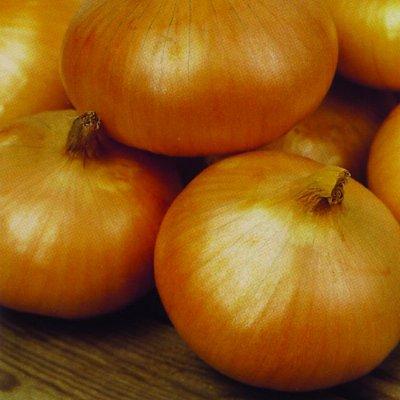
Giant
The leaves are juicy, without a waxy coating, and are suitable for canning and cutting. It can survive in one location for more than 5 years without replanting. It is distinguished by good winter hardiness.
Newbie
A winter-hardy variety of onion. The leaves can be pickled and eaten fresh. It grows in the same location for over 10 years without losing yield. It requires full sun and is easy to care for.
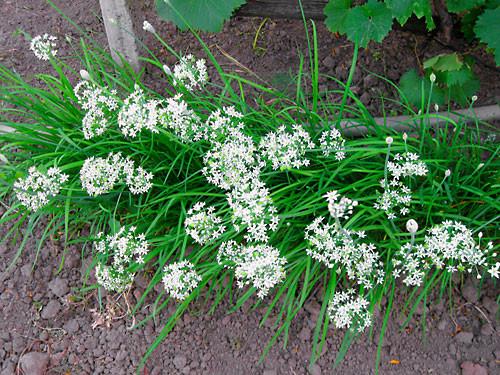
Fragrant onion
Used as a seasoning. Also known as Dzhusai, it is popular in Asia, the Middle East, and the Far East. In Russia, it is grown as a border plant and in herb gardens.
Note: When grown near berry bushes, it protects plants from aphids and other insect pests..
A low-growing bush with a horizontal rhizome. It produces excellent honey. The inflorescences form on the stems and have a pleasant, strong aroma. The leaves are flat, not tubular. The stems, like the leaves, are edible.
Witch Doctor
A winter-hardy, fragrant onion. Produces fresh greens from early spring to late fall. A honey plant. The leaves are tasty, slightly pungent, and high in iron and fiber.
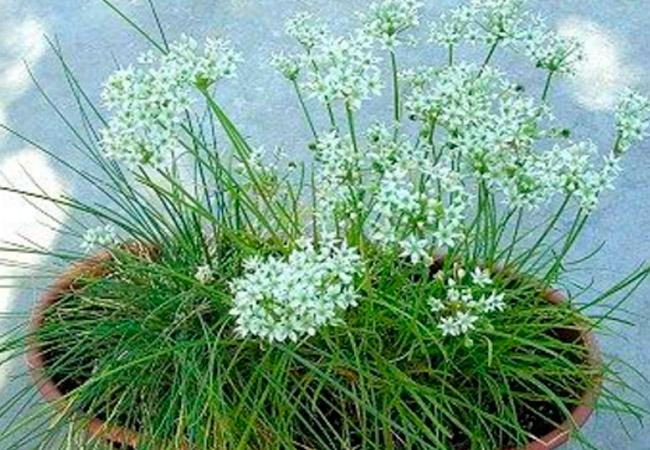
Fragrant
A high-yielding variety with a distinct garlic aroma. It is distinguished by its high winter hardiness. It requires little cultivation or regular care. It makes an excellent seasoning for soups and preserves.
Spicy
A mid-late-ripening salad variety. Resistant to cold and temperature fluctuations. A delicious seasoning for salads and soups. Also suitable for use in rock gardens.
Altaic
This onion species is listed in the Red Book and is not widely distributed. It grows in calcium-rich soils and rocks. It is also known as rock onion or mountain onion. Externally, the Altai onion resembles a Welsh onion, can produce up to 30 bulblets on a single plant, and has a robust root system.
Blushing
In Russia, it is common in the Caucasus and Crimea. It has high ornamental qualities due to its beautiful inflorescences. It forms a low bush, up to 40 centimeters tall.
Aflatunsky
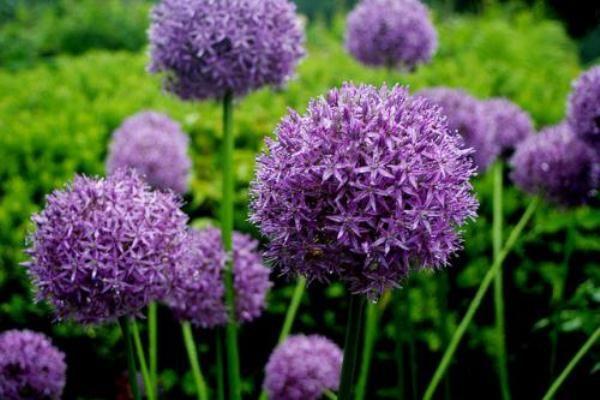
Inflorescences are shaped like huge purple balls. Forms a bush up to 1 meter tall. Highly ornamental. Tolerates prolonged drought and frost. A honey plant. The bulbs are rich in phytoncides, which have antiviral properties.
Features of cultivation
The variety and type of onion family member are chosen to suit the growing region and the gardener's goals: fresh herbs, a bulbous harvest, or decoration of alpine slides and flower beds.
Landing and transplanting
Perennial onions are easy to grow. Choosing the right location is crucial, as they don't like being transplanted. Perennials are typically planted as seedlings in pre-prepared soil and a chosen site. The onions should take root quickly, but if something goes wrong—the plant is growing slowly, turning yellow, or starting to wilt—try replanting.
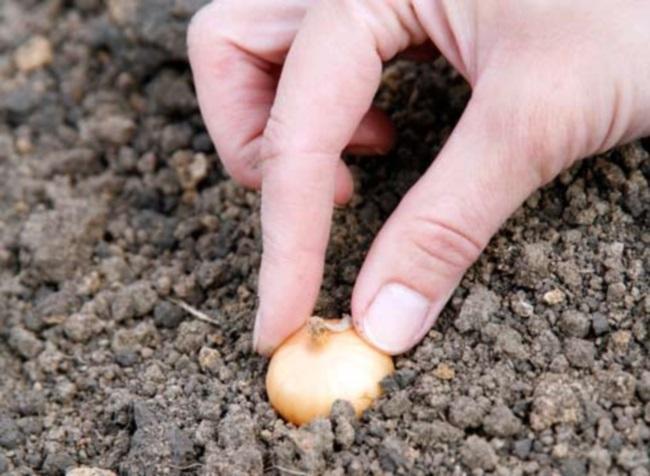 The bush is dug up along with the root ball and transplanted to a new location. It's important to consider any mistakes made during the initial planting.
Selecting a site
The site should be sunny, with neutral soil pH. Stagnant water around the roots is not allowed, and the bed should not be located in a low-lying area. Shade is also undesirable.
Berry bushes, flower beds or other herbal plants can act as neighbors to onion beds.
Crop rotation predecessors can be anything except other representatives of the onion family.
Soil preparation
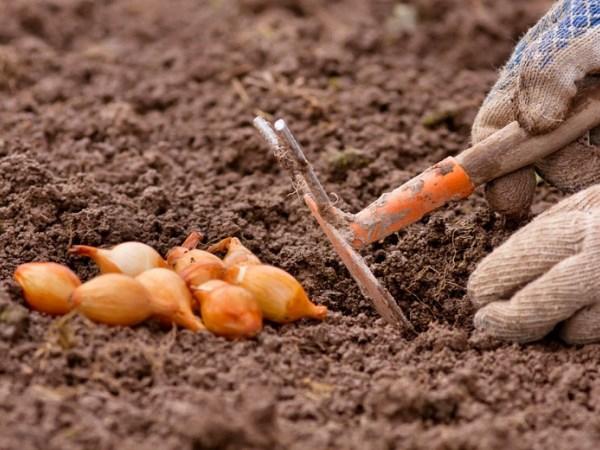
The soil can be prepared in the fall: dig deeply with compost and wood ash. In the spring, loosen the beds and add a small amount of superphosphate. It's advisable to disinfect the soil with potassium permanganate or scald it with boiling water.
It's important to determine the soil's acidity using litmus paper. If it's too acidic, apply lime using slaked lime or chalk. Onion plants dislike weeds; they should be removed during fall and spring tillage.
Important! Don't add fresh manure to the beds; the onions will get burned, turn yellow, and die..
Planting diagram
Many varieties of perennial onions are grown as border plants. The distance between plants depends on the width of the mature plant being trained.
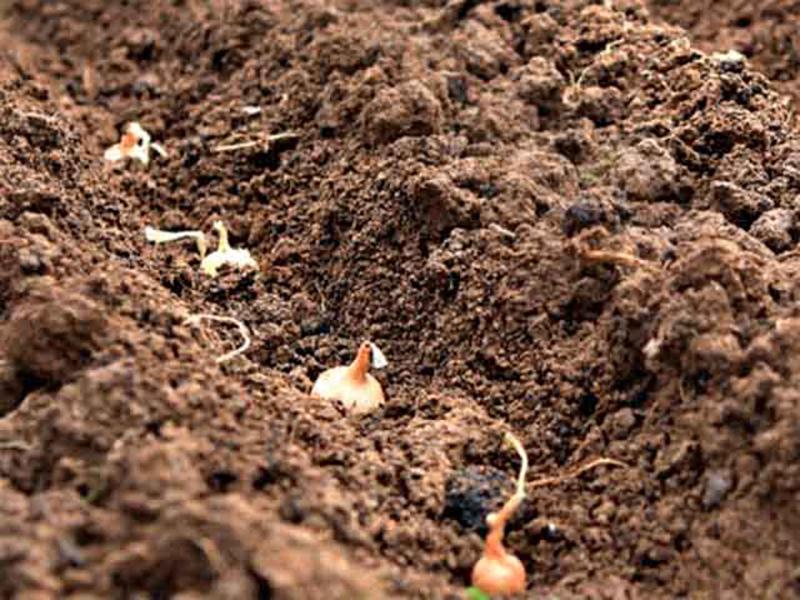
Family onions are planted in the same way as onion sets, but the interval between onions is increased to 15-20 centimeters for a “large family.”
Deadlines
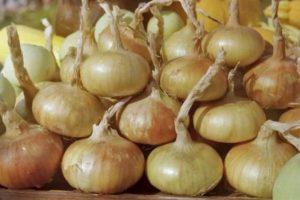
Perennial onions are planted in the fall or early spring. The timing depends on the planting goals and the intended use of the onion beds. Onions are sown for seedlings in mid-March, and young seedlings can be planted in the ground from late April. The soil temperature should reach 10°C. C. Planting dates may vary depending on the region and natural and climatic conditions.
Mulching
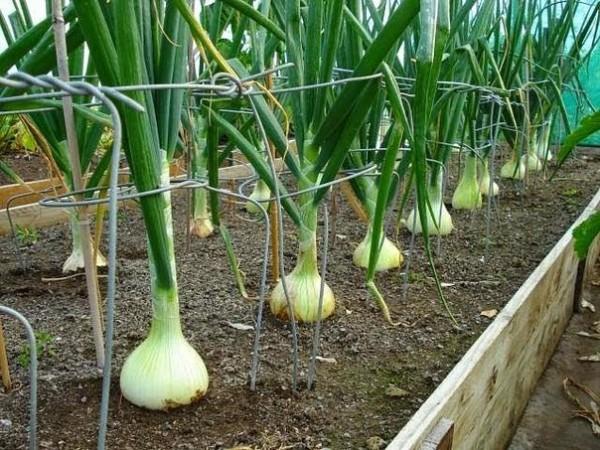
To prevent weeds and conserve moisture, apply mulch between onion rows. Wood shavings, straw, or sand are the best options.
Dividing the bush
An excellent way to propagate perennial onions is by dividing the plant. This procedure is best done in August. The plant is carefully divided, being careful not to damage the root system, and replanted.
Care
Perennials don't require complex care. If you choose the right location in advance, plant care will consist of weeding and loosening the soil. Watering is typically adjusted to the rainy season.
Weeding and loosening
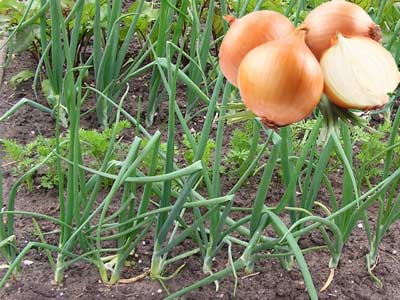
It is recommended to loosen the space between the rows after watering. All weeds must be removed. Weed-infested beds reduce yields by 3-4 times.
Watering
After planting, watering is essential. Avoid watering the leaves; it's best to water the roots. Later, onions don't tolerate overwatering or excess moisture at the roots. This can trigger an outbreak of fungal diseases, causing the leaves to turn yellow and the perennial to wither.
The irrigation system is adjusted to current weather conditions.
Protection from diseases and pests
Perennials are susceptible to common onion diseases: downy mildew, rust, onion fly, and thrips. Plants should be regularly inspected for signs of disease.
Preventive treatment includes:
- Spraying leaves with a solution of brilliant green: 10 drops per 10 liters of water.
- Sprinkling plants with wood ash in calm, dry weather.
- Compliance with crop rotation rules.
- Timely removal of weeds.
- Perennial onions are planted far away from annual ones.
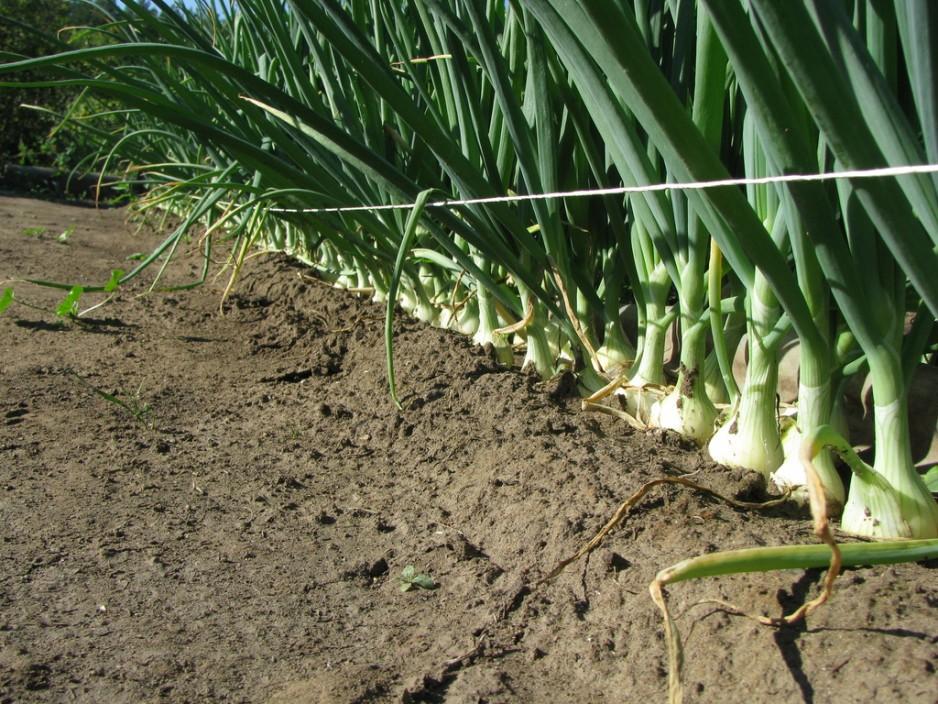
In general, perennials are unpretentious; if the location is chosen well, they do not get sick and do not present any difficulties in care.
Top dressing
Perennial onions don't require any special feeding. A one-time watering of the beds with bird droppings or mullein infusion during the active growth period is sufficient.
Preparing for winter
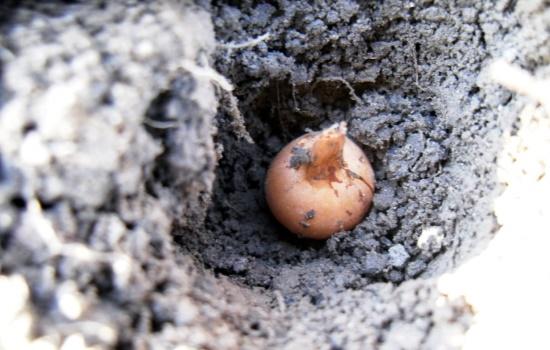
In late autumn, perennials are pruned, the bushes are covered with compost, and mulched with straw and wood shavings. Plants with low frost resistance can be covered with spruce branches, which are removed immediately in the spring after the snow melts.
Harvesting and storage
To achieve long-term storage of the harvest, it is necessary:
- Dry the onion and treat it with an ultraviolet lamp.
- Observe the harvest deadlines.
- Stop watering 2-3 weeks before harvest.
- Peel and sort onions before storing.
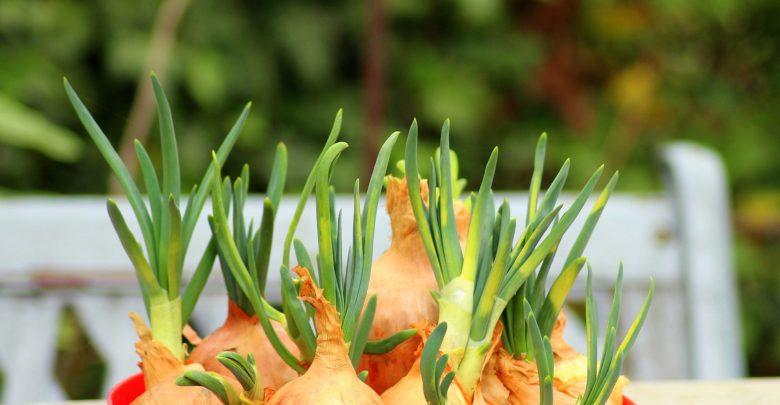
Not all perennials form bulbs and are suitable for long-term storage. This factor should be taken into account when choosing a variety. Perennials are typically grown for their foliage.
Recommendations for selection
If a gardener is choosing a perennial for decorative purposes, it is recommended to pay attention to the following species:
- Fragrant onion.
- Aflatunsky.
- Oblique.
When growing for turnips:
- Shallots.
For herbs and spices:
- Fragrant.
- Batun.
- Slime.
- Multi-tiered.
- Chives.
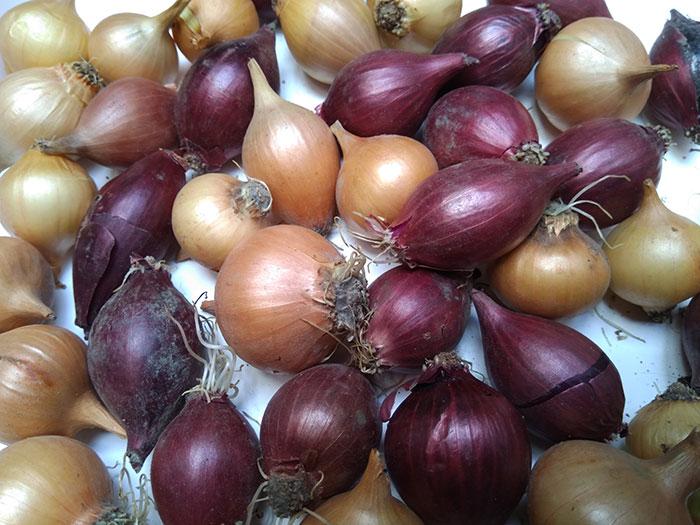
Some species fit perfectly into flowerbeds and alpine slides and will provide fresh, fragrant greenery throughout the spring and autumn period.
The subtleties of growing winter varieties
Planting onions in the fall has been a practice for gardeners for many years. It's important to choose the right variety. In cold, snow-poor winters, the entire planting can freeze. Care instructions:
- Mulching the beds with humus mixed with sand.
- For the winter, the plantings are covered with fallen leaves or spruce branches.
- In the spring, after the threat of frost has passed, the beds are cleared and loosened.
Growing winter onion varieties is preferable in southern regions with a moderate climate and relatively warm winters.
Growing from seeds
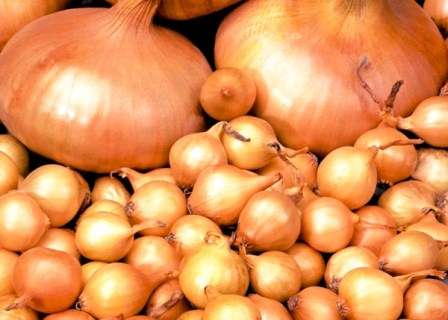
Any type of onion can be grown from seed. The key to this method is that the seeds must be fresh, collected no more than a year before planting. Onion seed germination declines quickly.
You can grow seedlings from seeds or plant the seeds directly into the soil. Pre-sowing preparation includes:
- Calibration and culling of seed material.
- Seed disinfection.
- Soil preparation and disinfection.
- Soaking and sprouting.
Sowing times depend on the cultivation method: seedling or non-seedling, as well as the growing region and natural and climatic conditions.
Reviews
Valery Anatolyevich Rudalev, 32, Perm: "I grow perennial onions in combination beds at my dacha. I use parsley, dill, lettuce, garlic, allspice, scallions, and chives. The greens blend beautifully and don't require much care. The perennials are planted primarily along the edges of the beds; they don't interfere with each other and grow beautifully together. I trim the bushes for the winter and cover them with spruce branches. I have a selection of aromatic herbs on my table all season long. Combined beds for greens are very convenient and beautiful."
Related posts:
 When to harvest leeks from the garden for storage, ripening times
 Description of the best varieties of onions, planting and care in open ground
 How and when to plant onions to get large bulbs
 Description of varieties and cultivars of wild onions, the subtleties of cultivation
 The beneficial properties of white onions, description of varieties, cultivation and care
 Description of the Exhibition onion variety, growing from seedlings, planting and care
 Description of Welsh onion varieties, planting, growing, and care in open ground
 Types of onion varieties with names and descriptions, their differences and cultivation
I've been growing "Aprelsky" onions for several years now. I love this variety; it ripens early and produces a remarkable yield. It's completely low-maintenance, requiring only a good mineral supply.