
- Characteristic
- History of appearance
- General description
- Bearish
- Branched
- Victorious
- Beneficial properties
- Taste qualities
- Use in medicine
- Honey production
- Decorative qualities
- Landing
- Preparation of seed material
- Open ground sowing scheme
- Care
- Watering
- Removing dead leaves
- Hilling
- Thinning
- Cutting leaves
- First haircut
- Second and subsequent
- Loosening and weeding
- Top dressing
- Types
- A priori
- Dzhusai
- Spicy
- Caprice
- Astrologer
- Propagation by dividing bushes
- Seedling method of cultivation
- Reviews
There are many types of onions in the wild. All have a distinct flavor, bitterness, and a distinctive aroma. Wild onion varieties are now grown in private gardens, with positive results. Both cultivated and domesticated onions are eaten, boiled, and fried. In addition to their culinary properties, they also have medicinal properties. All species are beneficial to humans.
Characteristic
Wild onions grow in every corner of the planet, but they are modified and have their own characteristics.
History of appearance
Wild onions have always grown alongside humans. Many botanists claim that alliums are around 5,000 years old, but who knows how true this is. Onions originally grew wild. Ancient people observed the plants and tasted them. Then they began to transplant certain varieties to their plots and cultivate them.
Onions are a convenient plant; they can be eaten as a standalone food or taken on the go. The wild onion is considered native to Central Asia. Alongside Russia, formerly Rus', wild onions were also grown as a vegetable crop in Greece, Egypt, and India. Ultimately, who first planted the wild onion seed remains unknown, but its popularity is growing year after year, as is the variety of varieties.
General description
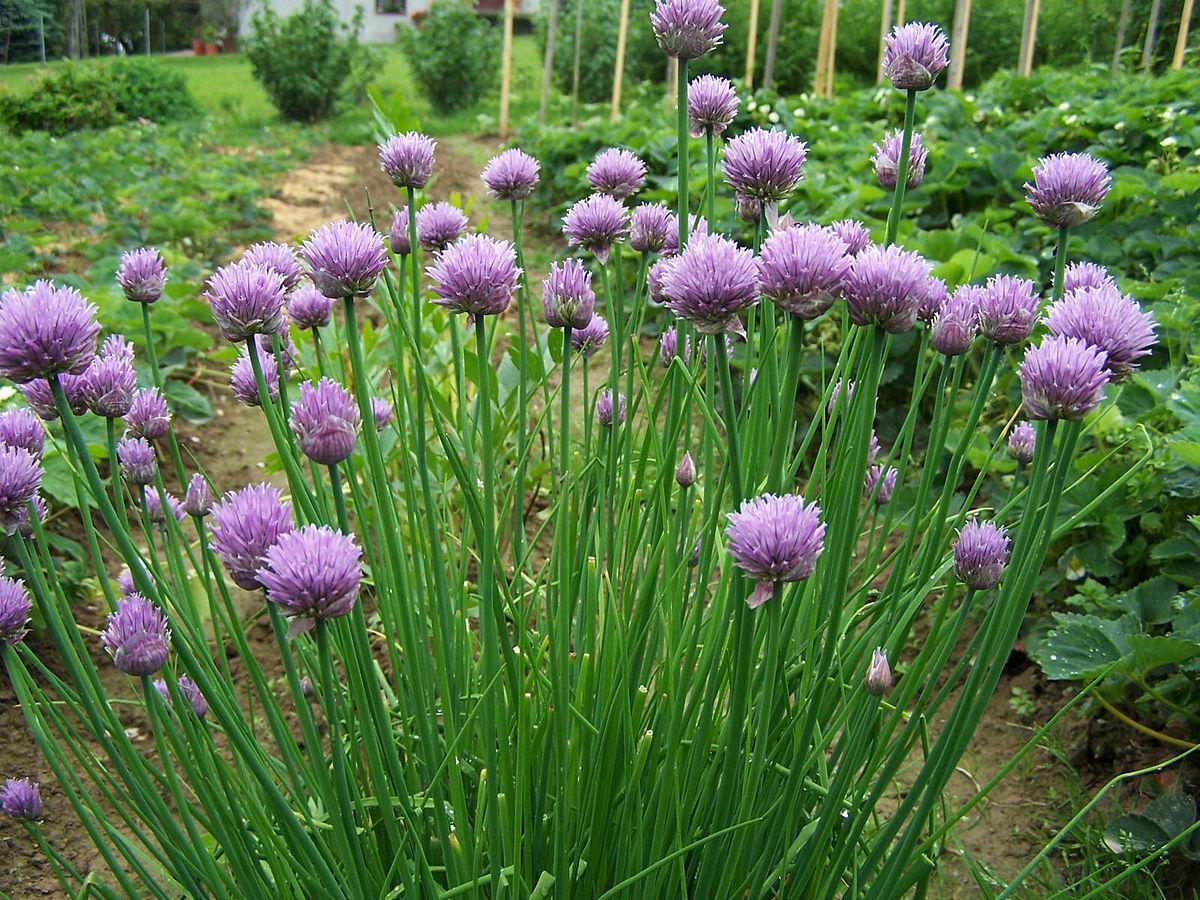
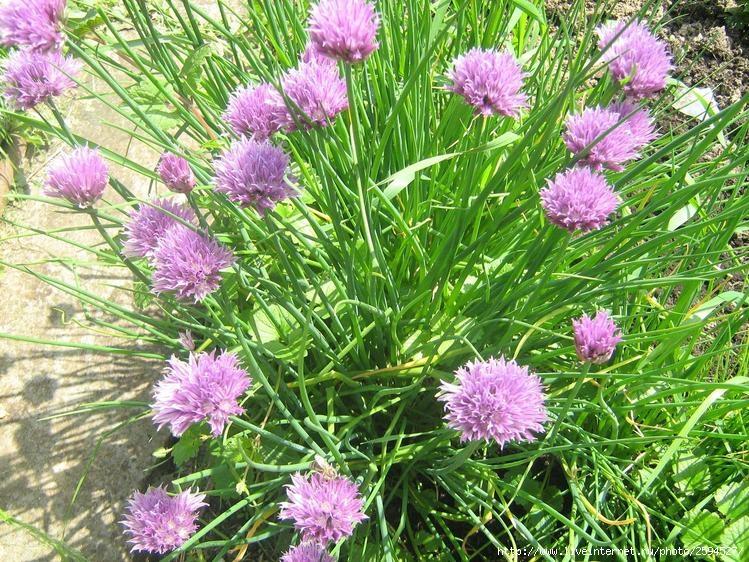
Wild onions have a pungent flavor because they grow in arid areas. The plant is tall, with erect, dense leaves. Some varieties have flat, rather than hollow, leaves. They are typically found and recognized by their beautiful, spherical inflorescences, which range in color from pink to lilac. Several species of wild onions are now domesticated.
Bearish
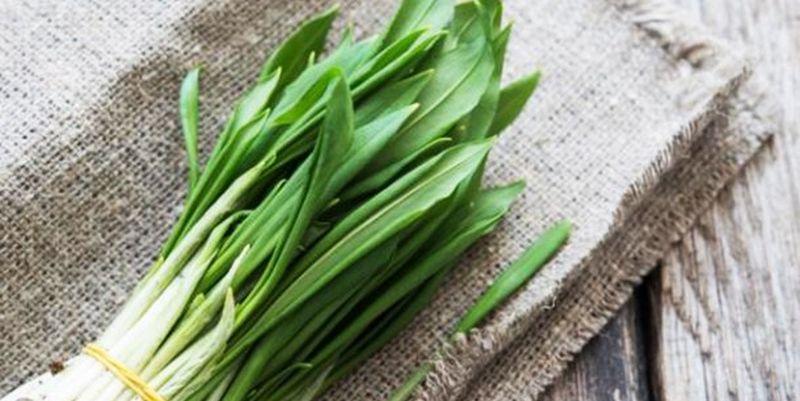
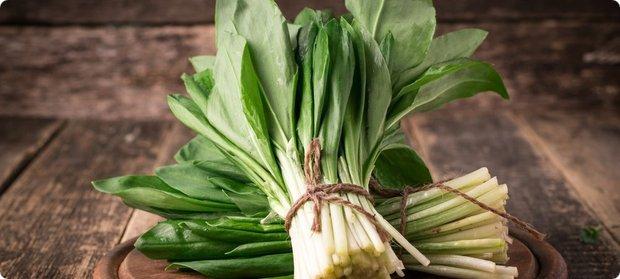
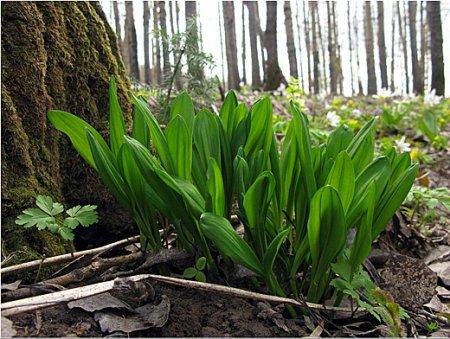
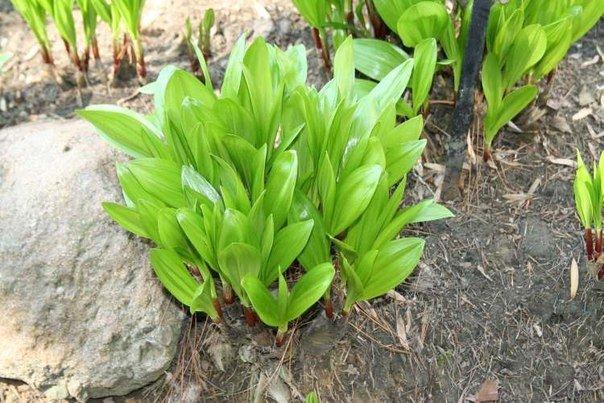
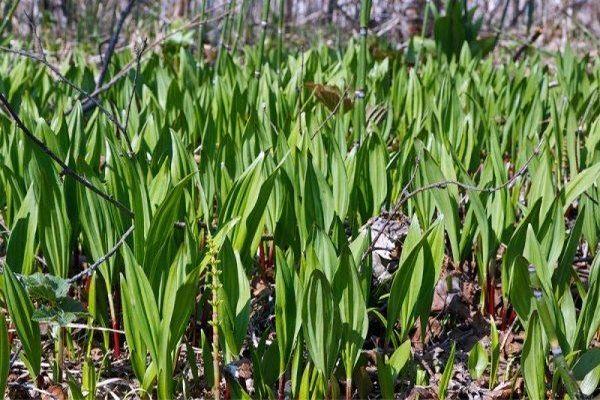
Another common name is wild garlic or ramsons. It doesn't even look like an onion, but it's actually a member of the onion family. It grows in forests and mountainous areas in entire clearings. The bulb is slightly modified, measuring 1 cm in diameter. The stem can grow up to 0.5 m in height.
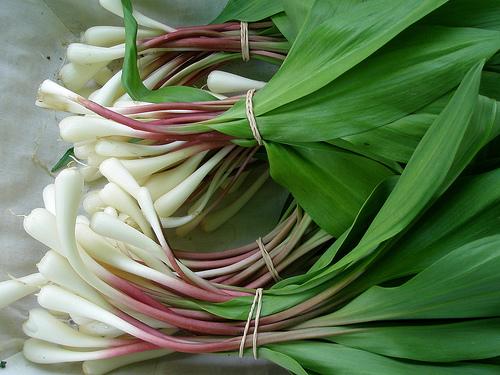
The leaves are lanceolate or oval, dark green, and range from 3 to 5 cm in width. The leaf structure is flat. The base of the leaves and the portion of the stem where the bulb forms are dark purple. Wild garlic has a piquant flavor, similar to garlic, that distinguishes it from onions. The pungency is not pronounced. It is a vitamin-rich herb in the spring. The bulb is eaten when the leaves open. Later, as they grow, they become tougher.
Branched
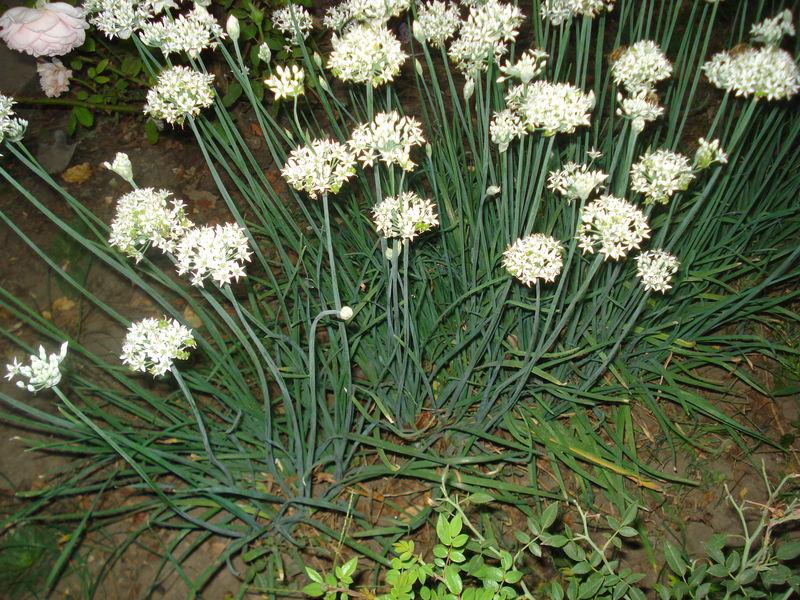
Onion, or dzhusai, is a perennial plant that bears some resemblance to garlic. It is even called mountain garlic or Chinese garlic. It has a false bulb and flat, yet succulent, long, upright leaves.
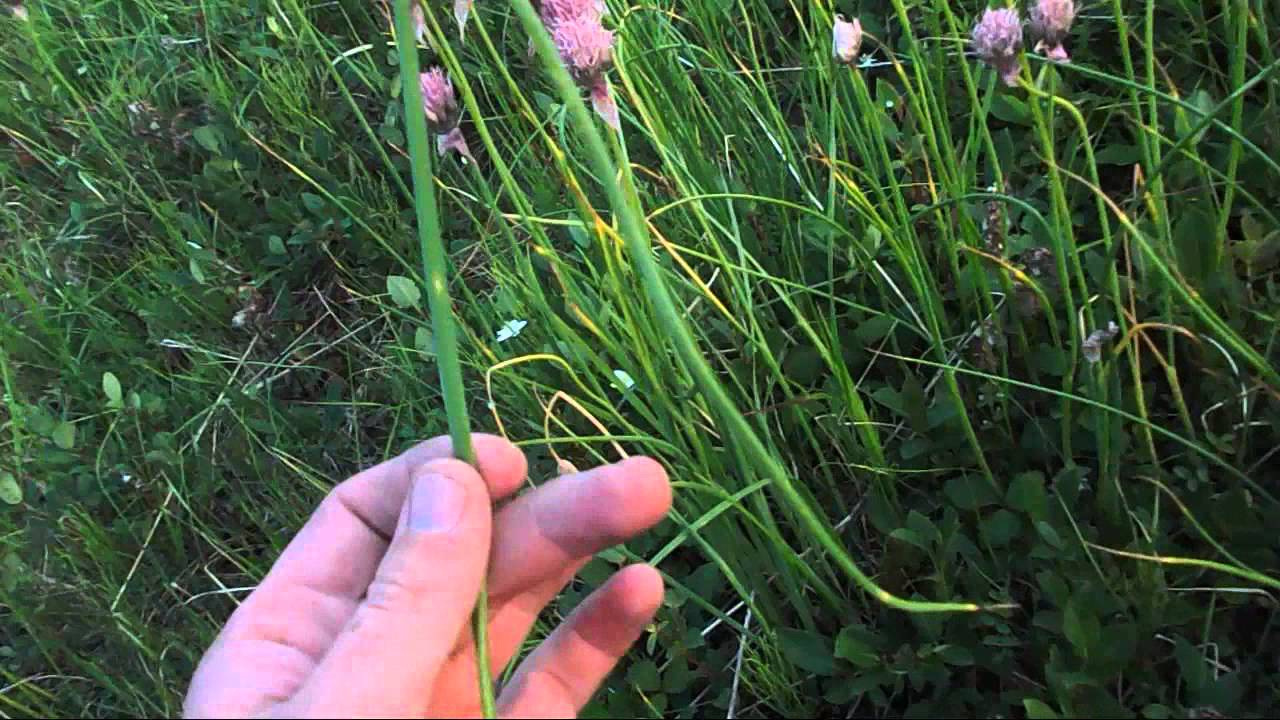
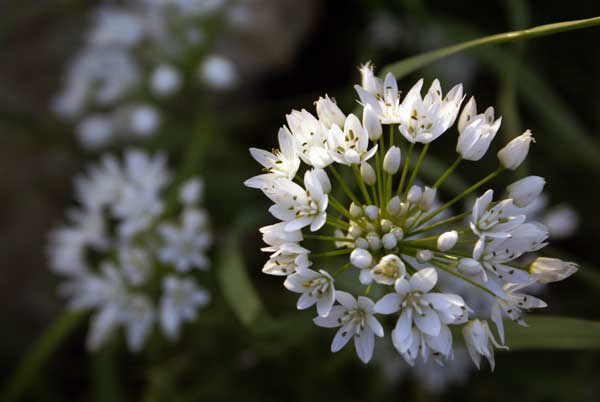
A distinctive feature of this onion is its mild garlic flavor. The greens are eaten from early spring until frost. The commercial value of this fragrant onion is the green part, which only increases as it grows. The bulb is not eaten. In its second year, the onion produces a stalk with a spherical inflorescence. The white flowers are nectar-bearing, another reason this onion is so popular.
Victorious
This species is also known as kolba or ramson. Distinguishing features include a taller stem and larger, oval-shaped leaves. It is native to the forests of Europe, Russia, and the Far East.
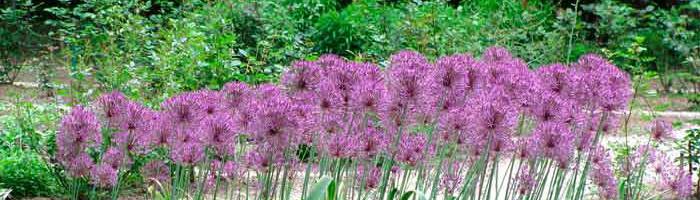
These are just a few of the species found in the wild. You can also enjoy Altai onion, mouse onion, angular onion, Pskem onion, slime onion, Oshanina onion, and skoroda onion. chives, sandy, and rocky. All these species grow in all climate zones across Russia.
Beneficial properties
All wild-grown onions possess their own unique flavor and nutritional properties. They are unaffected by environmental pollution and chemicals, meaning all their beneficial nutrients are present unchanged.
Taste qualities
Wild onions have a number of characteristics that distinguish them from cultivated onions. Most species have flat, broad leaves (ramsons, victorious onions, dzhusai onions, and Pskem onions), while only a few have hollow, tubular leaves (skoroda onions, Altai onions, mouse onions, and sand onions). Depending on where they grow, the leaves are long or short.
For example, if a wild vegetable grows in the mountains or hills, then most likely the feather will be small and not juicy compared to forest varieties.
Onion greens are less bitter, but they do have a garlicky flavor, giving them a piquant taste. For this reason, many Asian chefs use wild onion greens as spices and seasonings for many dishes.
Take a look Also

Use in medicine
Wild onions have long been used in folk medicine. Their inflorescences are rich in ascorbic acid, sugars, and essential oils. Thanks to these components, onions are used to treat:
- neurasthenia;
- skin diseases;
- colds and flu;
- to restore the body after surgery;
- for cardiovascular diseases;
- for gastritis;
- bronchitis.
Wild dzhusai is used as a hemostatic agent and helps the body cope with various infections, just like other herbs. This is a characteristic of all species, not just wild ones.
Honey production
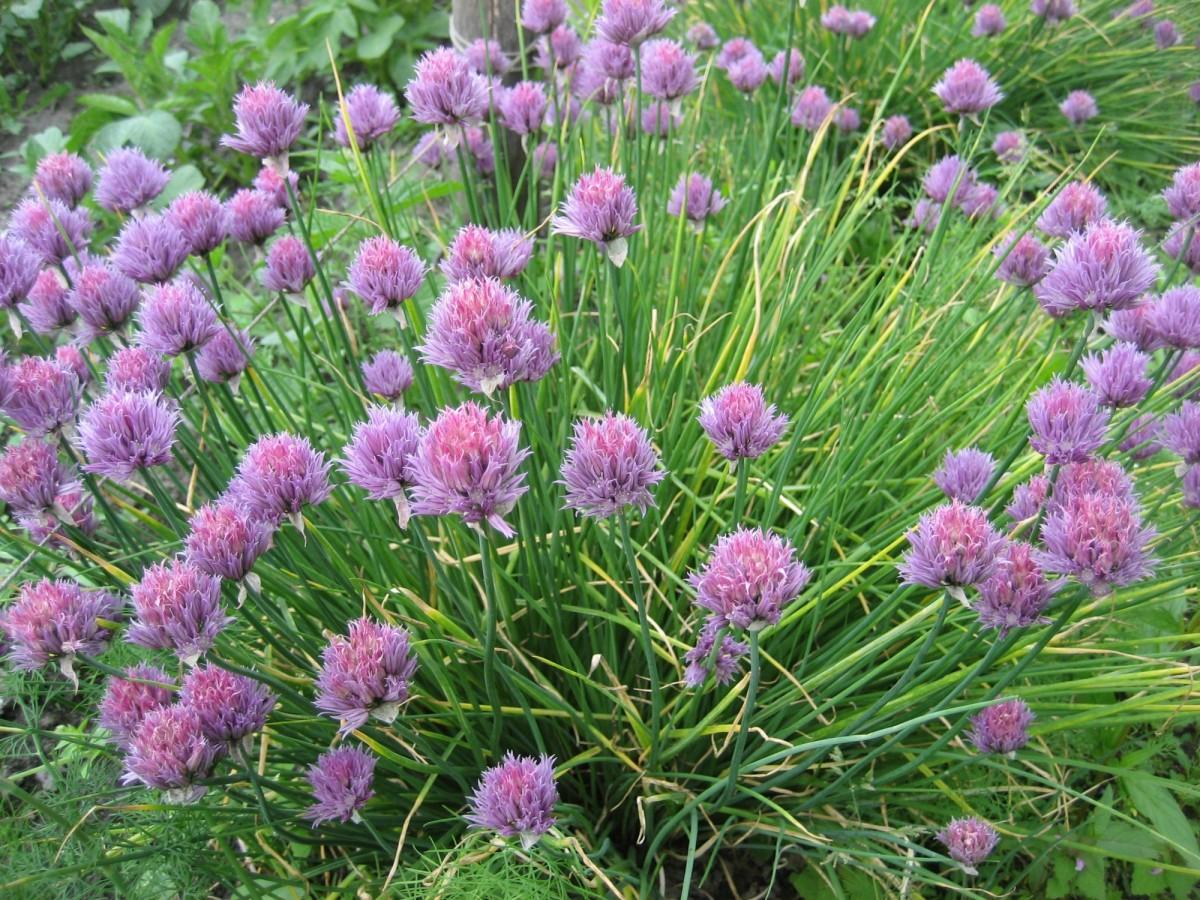
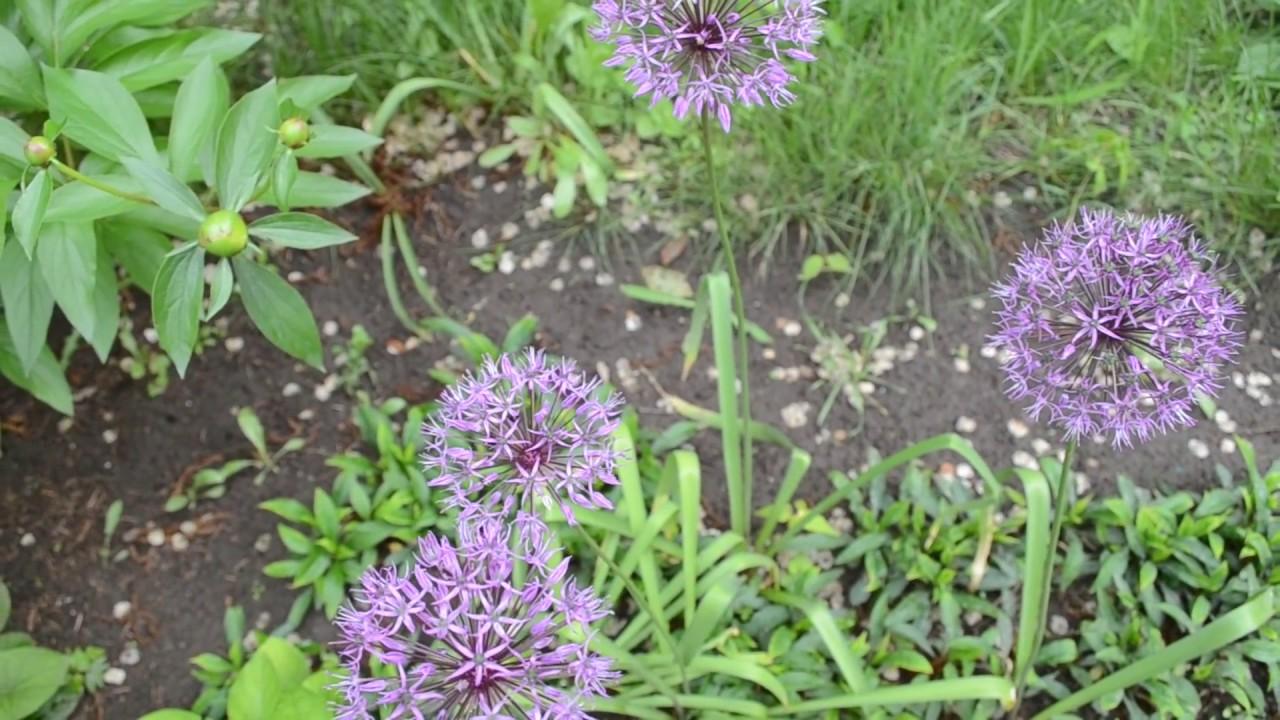
Wild onions have beautiful, spherical inflorescences. At the top of the stem are up to 100 small flowers of varying colors: white, purple, red, and pink. The flowers emit a strong aroma that attracts bees and bumblebees. You can see bees swarming around blossoming leeks or wild garlic growing in the garden.
Decorative qualities
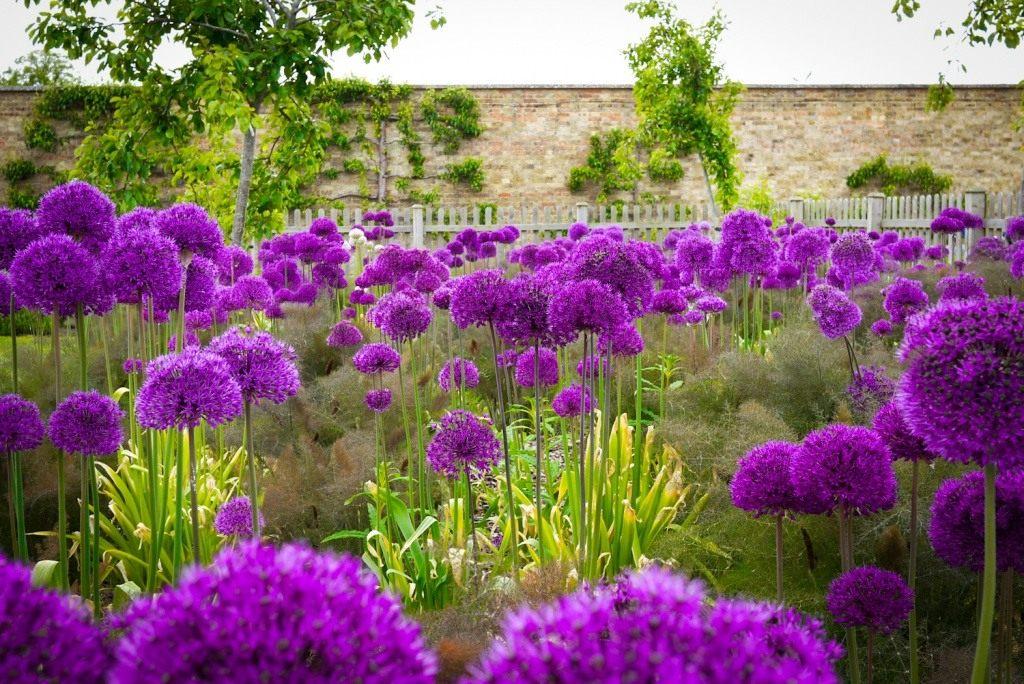
These properties are used in landscape design. Onions are grown in rock gardens or as borders. Wild varieties look spectacular in any flowerbed, in the foreground of taller plants. Even bushes of nearly uniform height are becoming fashionable today and are found in all gardens.
Landing
Planting wild onions is no different from planting cultivated onions and involves the same agricultural practices that are familiar to all gardeners.
Preparation of seed material
All types of wild onions are grown from seeds or from bulb material, which can be dug up from the site of discovery and planted in your garden. Today, you can find wild onion seeds for sale, of any kind. After purchasing a packet, you need to prepare them.
Important! The best time to sow seeds is October. If you sow them before winter, you'll be able to enjoy the first greens in the spring.
Wild spice seeds aren't always of excellent quality, even purchased ones. To determine germination, soak the seeds in room-temperature water for 15 minutes. Hollow ones will inevitably float to the surface and are unsuitable for sowing.
The nigella seeds that have settled to the bottom are poured with a weak solution of potassium permanganate and left for 30 minutes. There are several options for preparing the planting material:
- You can soak it in 3% hydrogen peroxide, hold it for 10-20 minutes, then dry it on toilet paper or a paper napkin, then dry it.
- Some gardeners soak seeds in a saline solution as a disinfectant.
- Another option is ammonia, diluted with water in a ratio of 1 part ammonia to 3 parts water. This will disinfect the seeds from all viruses and infections.
Whichever method you choose, you'll get high-quality seeds suitable for planting. In any case, they need to be thoroughly dried, as wet seeds are difficult to plant.
Open ground sowing scheme
When planting wild onions, all the same rules as for cultivated onions must be followed. This includes preparing the soil and bed, choosing a location that is well-lit and well-ventilated, as the crop dislikes stagnant water.
The previous crop that grew before planting the root crop should be taken into account. Potatoes, tomatoes, and cucumbers are the best choices. Legumes, beets, and onions have a negative effect on all types of wild onions.
If spring sowing is chosen, bed preparation begins in the fall. The soil is thoroughly dug over, removing weeds and debris. Next, compost or humus is added at a rate of 8 kg per square meter. The organic matter is incorporated into the soil and left until spring.
In the spring, the soil is dug over again, adding mineral fertilizer. The roots of the wild plant thrive on oxygen, which is abundant in its natural environment, so the soil can be tilled several times a month before planting.
Furrows are made in the garden bed, spaced 25-30 cm apart. Wild onion seeds are sown into these furrows, one at a time, at intervals of 15 cm. Then, they are covered with soil and watered generously.
Care
The first shoots can be seen within a week. These early sprouts are usually weak and can easily be choked by weeds, dried out by heat, or by lack of air circulation, so they require careful care.
Watering
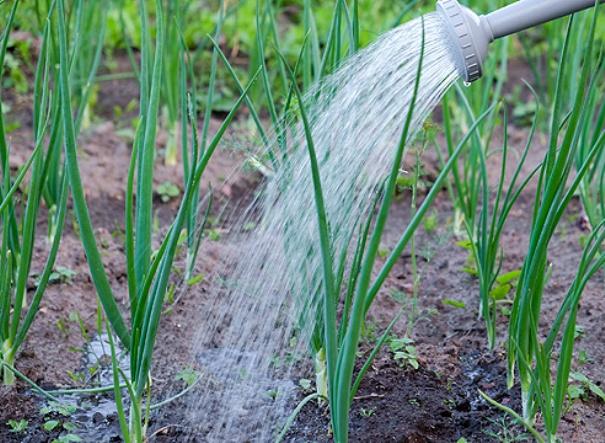
All onions, including wild onions, prefer abundant moisture, but not stagnant water. Water weekly in the evening. Water the soil so that the water sits on the surface. Water again when the soil is completely dry. Avoid watering wet soil. Water from a watering can over the leaves, as if bathing the plants. Onions love this.
Removing dead leaves
As the onion grows, you may notice the lower leaves dying or drying out. This could indicate an infection, pests, or simply new growth. Gardeners usually trim off the dead leaves to prevent them from becoming a source of disease.
In addition, dried leaves draw juice from the plant onto themselves; to prevent this from happening, and to direct all nutrients to the growth of young greenery, old foliage is torn off.
Hilling
Hilling is done several times per season. This technique ensures that the bulb absorbs more nutrients from the soil, increases mass, and develops a stronger root system. A healthy bulb will produce more foliage.
This technique is used to harvest more during digging, similar to leeks. Dzhusai onions also don't like hilling; the soil is pushed back when loosening.
Thinning
If planting frequently, thin the beds, leaving 10-15 cm between adjacent seedlings. This will allow the young plants to grow freely, breathe, and absorb moisture from the surrounding environment without inhibiting the growth of the others. The largest and healthiest seedlings are generally left in the rows; the rest are pulled out, holding the remaining ones with your fingers.
Important! Bear's garlic or wild garlic should be thinned, leaving a distance of 25-30 cm between adjacent bulbs.
Cutting leaves
Pruning begins in the second year, when the greens reach 30 cm in height. They become strong, retain their shape, and easily tolerate refrigeration. Onions can be pruned several times during the season.
First haircut
Harvesting should be done in dry weather, carefully, so as not to crush the greens. Cut the greens above the growing point, not right down to the root. This will allow the onions to continue to produce fruitful green foliage. Wild onions grow quickly, so the first harvest should be done a month after sowing. If the bunch is not very large and has already spread out, you may need to wait. Once it reaches the desired size, trim it.
Second and subsequent
After the first cutting, allow time for the green mass to grow. Wild onions typically grow quickly. Three or more harvests of savory greens can be obtained in a season. Cut only when the bunch is fully formed, and do not allow it to produce a flower stalk.
Important! The last cutting for eating should be no later than August. In late autumn, before the snow sets in, onions are cut back to the roots for winter storage.
Loosening and weeding
This agricultural practice cannot be ignored, as onions dislike being near weeds. To maximize the yield, remove surrounding weeds as they appear. To ensure more oxygen reaches the roots, loosen the soil after watering and weeding to speed up growth.
Top dressing
After the seedlings appear, begin applying fertilizers:
- Urea is scattered over the soil surface at a rate of 5 g per 1 square meter.
- Alternatively, use an aqueous solution of Epin: 5 ml per 10 liters of water. Water at the roots.
- After each cutting, the feathers are fed with a nitrophoska solution: 40 g of fertilizer per 10 liters of water.
Dry humus or compost is added annually between the rows. This acts as mulch and provides the plants with nutrients throughout the fruiting season.
Types
The range of wild onion species is so vast that a garden wouldn't be enough to accommodate them all. The most common and productive varieties throughout the summer are the following.
A priori
Aprior is a mid-season variety of fragrant wild onion. It's popular with gardeners for its ability to produce greens all summer long, right up until the first frost. The greens aren't coarse, remaining tender throughout almost the entire gardening season.
The flavor is slightly reminiscent of garlic, but without the bitterness or pungency. It contains a significant amount of ascorbic acid. It can be grown anywhere in Russia. Aprior yields between 1.5 and 3 kg per square meter.
Dzhusai
It's versatile, used in salads, fresh, in dressings, and as a seasoning for meat dishes. Chefs prefer it for its unique garlic flavor. A single false bulb can produce up to five plumes, which remain firm all summer. About three cuttings can be made per season.
Important! 3 kg of greens are harvested per square meter.
Spicy
The Piquant variety produces even more greens, up to 3.5 kg. This mid-season variety is easy to care for. It only requires timely watering, weeding, and loosening the soil. The flavor and aroma of the spicy onion also hints at garlic.
Caprice
The tall, up to half a meter tall, onion has a garlicky flavor and low bitterness, making it a popular ingredient in salads and fresh. The high-yielding wild onion, Caprice, is easy to care for and resistant to pests and severe frosts.
Astrologer
This is a mid-season plant. The first pruning can begin in late June. The plumes, up to half a meter tall, have excellent marketability. They are used fresh and in various dishes. The yield is also high, reaching approximately 3 kg per square meter.
Propagation by dividing bushes
When the bushes become too large, spreading in different directions, and it's clear that too many shoots (trunks) have grown, the onions need to be replanted. This is easy:
- The bush is dug up and carefully divided into separate shoots or equal parts, leaving 3-4 false bulbs.
- The transplant is carried out in the fall, when the bush has finished flowering.
- New planting material is shaken off the soil and planted in the bed at intervals of 25 cm.
- Water and mulch.
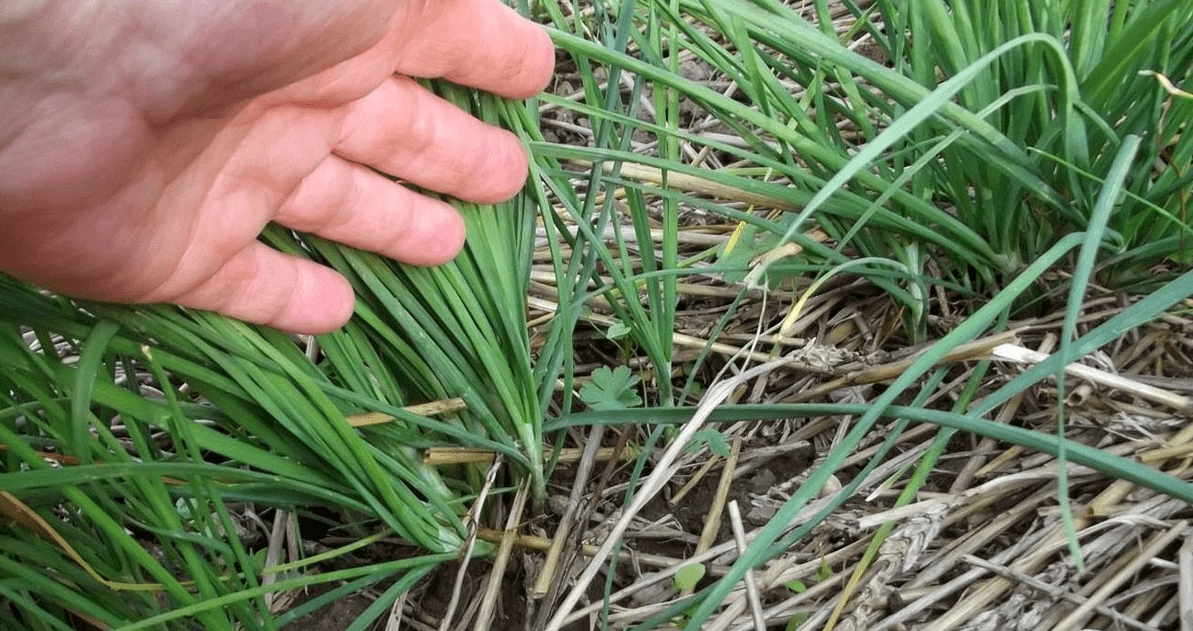
In this form, the onion overwinters without freezing.
Seedling method of cultivation
Onions are generally a joy to work with, and growing them is quite simple, including seedlings. Planting seedlings is done as follows:
- Fertile, loose soil is poured into seedling boxes or various deep containers with a wide neck.
- Seeds are sprinkled on the surface in a scattering pattern or in furrows.
- As soon as two leaves form, the seedlings are pricked out, that is, transplanted into another container so that the plantings are not densely packed, and each sprouted achene has enough space to develop.
- Planting outdoors begins 2 months after the seedlings appear.
Important! To get early greens, wild onions are sown as seedlings in the summer, transplanted in the fall (early September), and the following spring will yield full-fledged greens and early vitamins.
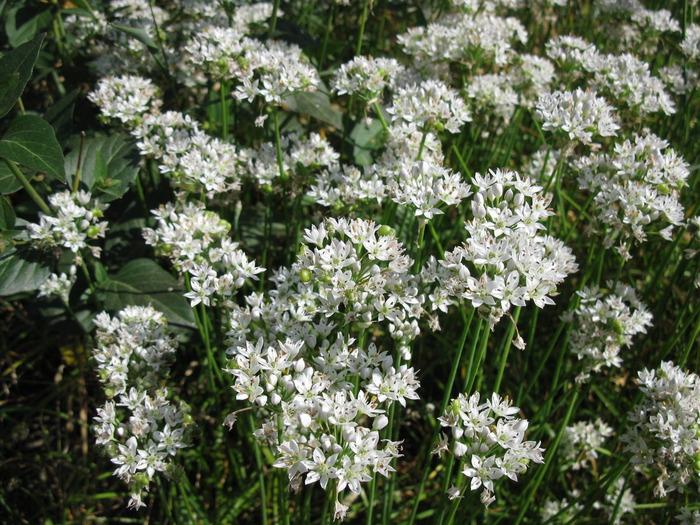
Wild onions offer a wide variety of options for experimentation. They are primarily grown for their greens, as they cannot be harvested as full-fledged bulbs. For sale, they are harvested along with the false bulb. Wild onions, in addition to their universal use, are also used in landscaping. Their magnificent flowering globes fit into any flowerbed or make a stunning addition to a front garden.
Reviews
Sveta, 38, Novosibirsk: "I can't wait for spring, when the grannies at the market start selling wild garlic. My family loves this onion. I buy several bunches at a time. It's a beautiful onion, with green, leafy leaves and a purple stem. We eat it simply with salt and bread. We'll never forget its garlicky flavor, its piquant tang, and its juiciness. I'm thinking of planting it in the garden so I can also use it for pickling."
Oleg Petrovich, 66, from Maralikha village: "I live in the mountains, and we have plenty of wild onions. My grandson and I regularly go up into the mountains, just for a walk, but we combine business with pleasure. We've been gathering them for years now." slimy onion "And bear's tongue. We bring home whole baskets. We freeze and pickle the harvest to use all winter. Onions are plentiful in the forests and mountains, so we don't need to grow them at home."
Related posts:
 50 types and varieties of perennial onions with descriptions, cultivation, and care
 When to harvest leeks from the garden for storage, ripening times
 The beneficial properties of white onions, description of varieties, cultivation and care
 How and when to plant onions to get large bulbs
 Description of the best varieties of onions, planting and care in open ground
 Description of the Exhibition onion variety, growing from seedlings, planting and care
 Types of onion varieties with names and descriptions, their differences and cultivation
 Description of Welsh onion varieties, planting, growing, and care in open ground