
- Characteristic
- History of appearance
- General description
- Taste qualities
- Beneficial properties
- Advantages and disadvantages
- Culinary uses
- Contraindications
- Decorative function
- Varieties
- Green
- Dwarf
- Leader
- Charm
- Simbir
- Salad
- A treasure trove of health
- Waltz
- Features of sowing seeds
- Time
- Preparation of seed material
- Planting diagram
- Site requirements
- Predecessors
- Tomatoes
- Cucumbers
- Potato
- Cabbage
- Radish
- Growing in a greenhouse using seedlings
- Soil preparation
- Cassette cups
- Planting diagram
- Care
- Weeding and loosening
- Top dressing
- Watering
- Mulching
- Vegetative propagation
- Growing in winter
- Forcing for greens
- Diseases and pests
- Cleaning and storage
- Adviсe
- Reviews
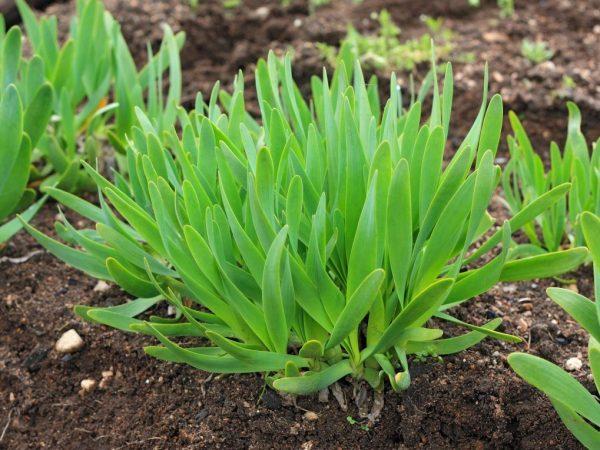
In the wild, this perennial herb is native to Siberia, is common in the Altai Mountains, and grows in Kazakhstan and the Central Asian republics. The succulent greens of the succulent plant have powerful roots and wide, flat leaves 20–30 cm long, rounded at the tips. The perennial plant produces small edible bulbs, but the main value of the succulent greens is not their leaves, but their succulent greens.
Characteristic
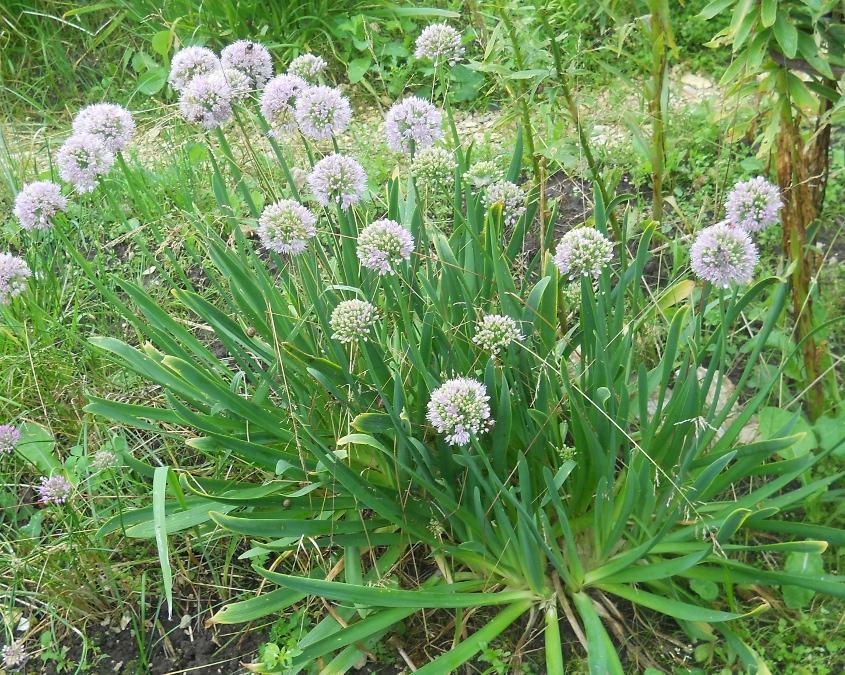
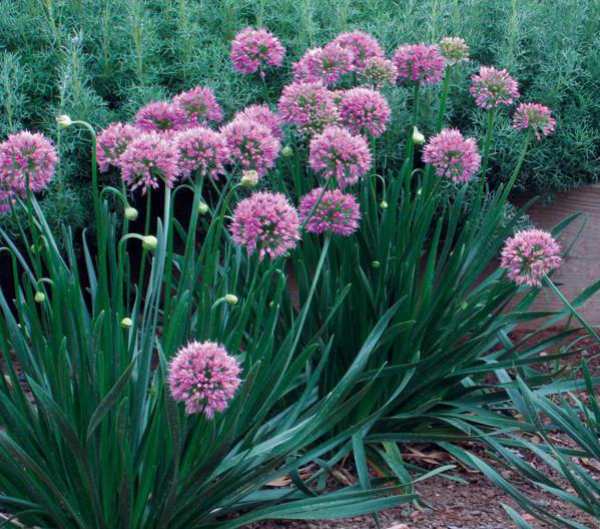
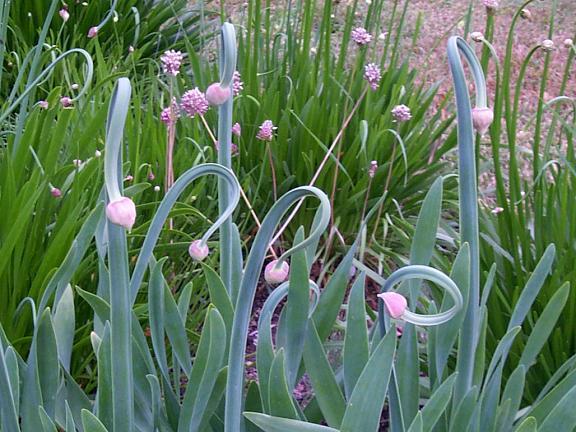
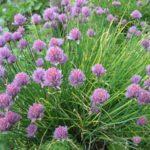
In mid-summer, the plant, with drooping stems and glaucous leaves, produces flowers that resemble balls of pale pink, lilac, and light purple.
History of appearance
The slime plant is native to Central Asia, where this perennial herb can still be found on hills, slopes, and meadows. It has become established in Siberia, in the Altai Mountains, and can withstand temperatures as low as -40°C (-40°F), even when the ground is not covered by snow.
People noticed that animals enjoyed the leaves of the slug and began planting them in fields and yards. Unlike onion varieties, the small bulbs and green bunches weren't as popular and weren't served at the feasts of emperors and pharaohs, but they have a unique composition and possess healing properties.
General description
Siberian onion, also known as slime onion, is distinguished by a thick, drooping stem that straightens when the flowers appear. The glaucous leaves, which extend from the base, have a smooth surface and secrete a mucilaginous sap when broken. The cylindrical bulbs, covered with a thin film, are attached to the root. The flower stalk grows to a height of 60–70 cm and straightens, like the stem, when the umbel opens.
Taste qualities
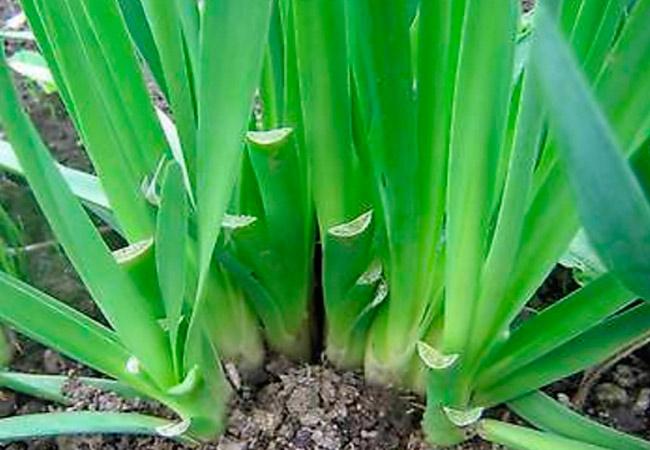
Nutrients accumulate in the rhizome, and the false bulbs are edible. The slug produces abundant green foliage, with a hint of garlic in its tender, juicy leaves. Salads made from the slugs are made year-round. The plant is frost-resistant and produces green foliage very early.
Beneficial properties
Onions are rich in thiamine, riboflavin, ascorbic acid, and carotene. The plant's leaves contain polysaccharides and trace elements such as:
- magnesium;
- molybdenum;
- zinc.
Onions are rich in iron, which helps combat anemia and increase hemoglobin levels. Onion slime strengthens the immune system, removes waste and toxins, stimulates digestion, and normalizes acidity. The leaves, applied to abrasions or wounds, relieve pain. When consumed as greens:
- Blood vessels and nails are strengthened.
- Excess cholesterol comes out.
- The heart works better.
In terms of vitamin and organic acid content, onions surpass apples. In early spring, the feathers protect people from colds and stress.
Advantages and disadvantages
To avoid amino acid and mineral deficiencies, consume 270 mg of chives daily. The benefits of chives include:
- early emergence of greenery;
- the ability to grow for more than one year;
- presence of a pleasant aroma;
- the presence of a unique composition;
- ease of care.
The leaves are cut for consumption until autumn, as they don't become tough or stringy, making them very beneficial for children and the elderly. The plant has no dormant period. The greens retain their juiciness for a long time, and they recover after frost. A drawback of the slime plant is its very small bulb size.
Culinary uses
The greens are used to season salads, the leaves are added to various dishes to enhance their flavor, and they are eaten with sour cream and vegetable oil. The greens are salted, and the bulbs are pickled. The greens are dried, chopped, and used as a spice.
Contraindications
Not everyone can eat the slime. If you have an intolerance to one of the ingredients in the vegetable, you'll develop an allergy, and both the leaves and the bulb must be discarded.
Doctors do not recommend adding slime to dishes during exacerbation of gastritis and other digestive diseases.
Decorative function
The feathery, spherical inflorescences of the onion plant are beautiful and attract bees, butterflies, and bumblebees. The plant is used to decorate flowerbeds and is planted in clusters in gardens and parks. Landscape designers also use this ornamental perennial.
Varieties
To ensure onion seeds germinate, you need to buy them from a specialist store or order them from a supplier's website, where you can choose from different varieties.
Green
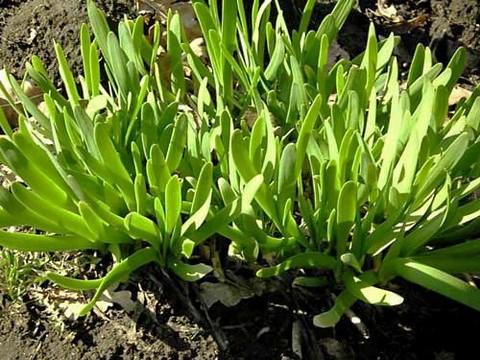
Slizun, developed by Siberian breeders, easily withstands severe frosts, doesn't attract pests, is resistant to white rot, and is not affected by penicillium wilt. The onion produces high yields for seven years, after which it is transplanted to another plot. Five to six kilograms of onions are harvested per square meter.
Dwarf
This variety of slime grows on small bushes, but its short stems are densely covered with succulent leaves that grow to almost 20 cm long and curl in a spiral. This dwarf plant thrives in any climate and is not afraid of low temperatures. The leaves have a pungent flavor, but don't smell like onions.
Leader
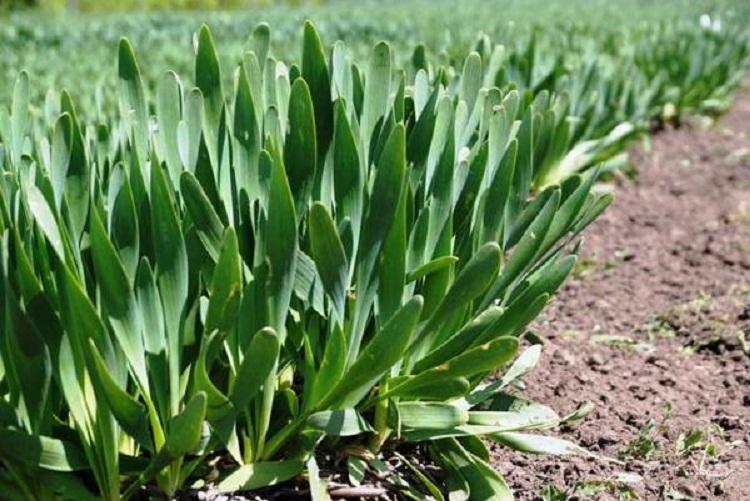
This variety responds well to fertilizing and watering, and thrives in loose soil. Broad, large leaves grow back within a month and retain their lusciousness for a long time. Harvest 3–3.5 kg of fragrant foliage per square meter.
Charm
The slimy onion, with its beautiful name, doesn't offer a high yield, but its long leaves have a sharp, pleasant flavor, and the bush itself has a unique appearance, captivating with its snow-white, globe-shaped inflorescences.
Simbir
This mid-season slug can withstand harsh winters. Its broad, furrowed leaves are almost uncurled, coated with a purine coating, and rich in polysaccharides and ascorbic acid. Each bush weighs 35–40 g, and the leaves are eaten fresh.
Salad
Onion leaves form 40 days after germination. Flat, dark leaves grow up to 30–35 cm long and up to 3 cm wide. The leaves have a mild flavor, but a faint garlic aroma. During the growing season, the yield exceeds 3 kilograms. The Saladny variety is disease-resistant and rarely infested by insects.
A treasure trove of health
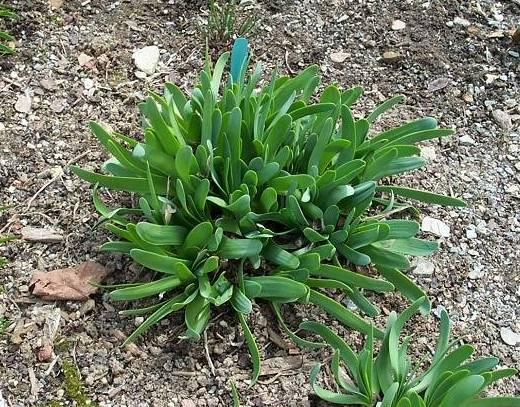
Early onions sprout quickly and simultaneously. The long leaves don't become tough, coarse, or lose their juiciness. They offer a delightful, pungent flavor and are used as a seasoning.
Waltz
The early ripening of this onion is surprising; its delicate, spiral-shaped leaves are harvested within a month. A single bush produces 600–900 g of greenery. The Vals variety is planted not only for its plumes but also to decorate flowerbeds and rock gardens.
Features of sowing seeds
You can propagate slugs in your garden or dacha using bulbs. This propagation method is straightforward, and you won't have to replant the plant for several years. Another option involves using seeds and guarantees bountiful harvests for years to come.
Time
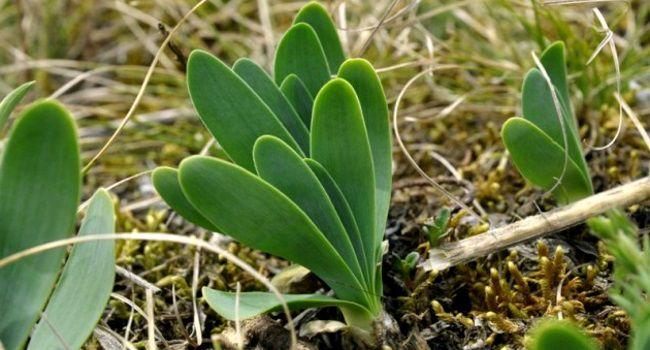
Onions are sown to produce seedlings at the beginning of the first month of spring. Before the warmer weather arrives, the plants will have time to grow and strengthen, quickly establishing themselves in the open ground.
Preparation of seed material
Before planting, onion seeds are disinfected in potassium permanganate, after which they are soaked in the Epin stimulant for 16–18 hours, and then thoroughly dried.
Fill the container with the substrate, make holes up to 10 mm deep, water generously, place seeds every centimeter, cover with soil, and spray with a spray bottle. Cover the container with plastic wrap, removing it once the seedlings emerge.
Planting diagram
In May, seeds can be sown directly into open ground in furrows 15 mm deep. The spacing between rows should be 40 cm, and between seedlings, 15 or 20 cm.

Site requirements
Onions thrive in fertile loams and thrive in peat bogs. The planting site is dug over, and weeds are removed. Humus or manure is added to the soil in the fall. In the spring, urea and a special fertilizer used for garlic are added to the holes. Don't look for a site sheltered from northern winds; the plant is not affected by cold, but tolerates stagnant water. It should be planted in a raised bed.
Predecessors
To ensure the crop produces a harvest of juicy and aromatic plums, the plant should be placed in the same place where vegetables were planted last season.
Tomatoes
Onions and tomatoes don't share any common pests. Onions are not susceptible to late blight, brown spot, or blossom-end rot, and thrive in the area where they were grown.

Cucumbers
The vegetable attracts aphids, which feed on the leaf sap and are susceptible to powdery mildew and root rot. The slime is resistant to the pathogenic fungi that cause downy mildew in cucumbers, and the microscopic insects dislike the taste of the feathers.
Potato
The main enemy of the nightshade plant is the Colorado potato beetle, which quickly devours the juicy leaves; the pungent greenery of the onion does not attract the parasite.
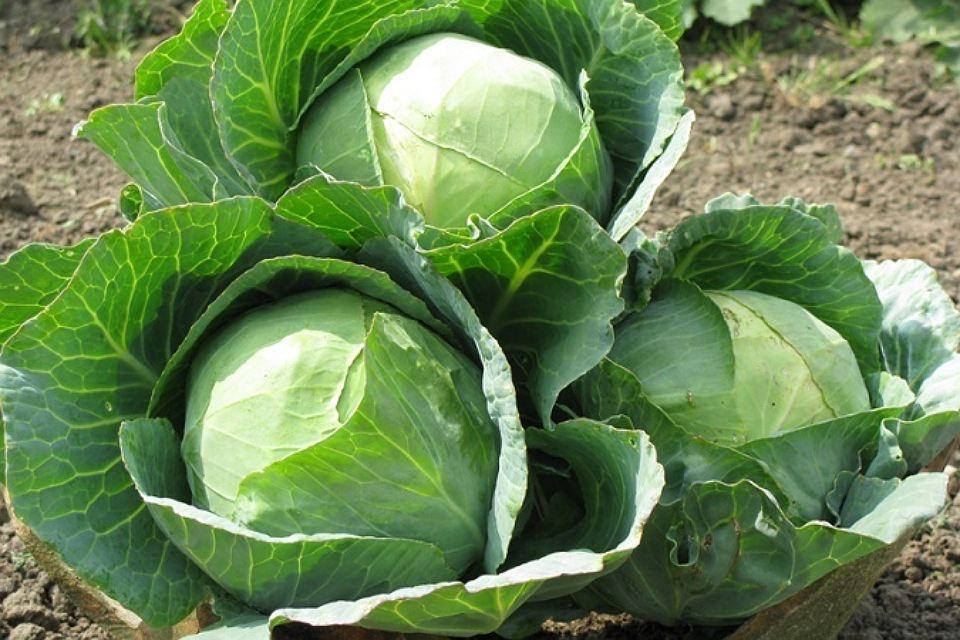
Cabbage
The heads of the crop grow as quickly as the feathers of a slime, and the roots do not draw from the soil all the potassium and phosphorus that onions need.
Radish
Some gardeners who plant vegetables for their lush greens sow dill or spinach seeds first, and after harvesting, add succulent plants to the bed. Onions also do well after radishes.
Growing in a greenhouse using seedlings
To harvest the plant's succulent tops 15–20 days earlier, and serve fresh greens in winter, seeds are sown in cassette cups to produce seedlings. These onions are grown in a hotbed or greenhouse.
Soil preparation
Young plants require nutrients and thrive in a loose, aerated soil. This type of soil is created by combining equal parts of:
- soil from the garden;
- peat;
- sand;
- humus.
Before planting the seeds, the mixture is disinfected to remove insect larvae. To do this, the substrate is heated in the oven or watered with a fungicide or potassium permanganate solution.
Cassette cups
The onion planting container is disinfected, filled with soil, covered with glass, and placed in a heating chamber or simply in a warm place until the soil temperature reaches 25°C. The seeds are placed in a cloth wrapped in plastic, and when sprouts appear, they are placed in the trays.
Planting diagram
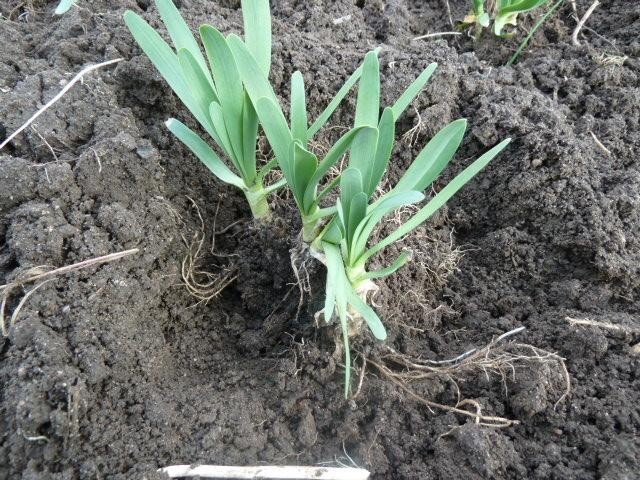
The seeds are placed in cups in mid-February. Three seeds are placed 20 mm deep in each cup with warmed substrate. The tray is filled with soil, moistened, covered with glass, and placed on a shelf at 20°C.
The cups are regularly aired, and when green sprouts appear, they are taken to a cooler, brighter room for 5 days, then returned back and the temperature is maintained at 25°C during the day and 15°C at night.
Care
To ensure that a plant delights with its lush greenery, it needs to be cared for—watered, fed, protected from pests, and disease prevention.
Weeding and loosening
Don't allow the soil to become crusty, as this will prevent air from reaching the roots, causing the bulb to rot, and the succulent plumes won't be a treat. The beds need to be loosened after watering, and weeds should be kept under control to prevent them from choking out the plantings.
Top dressing
In the fall, add manure or compost to the soil at a rate of 7–8 kg per square meter. In the spring, fertilize each bush with superphosphate and potassium salt. The slime plant also needs these nutrients after its feathers are cut.

Watering
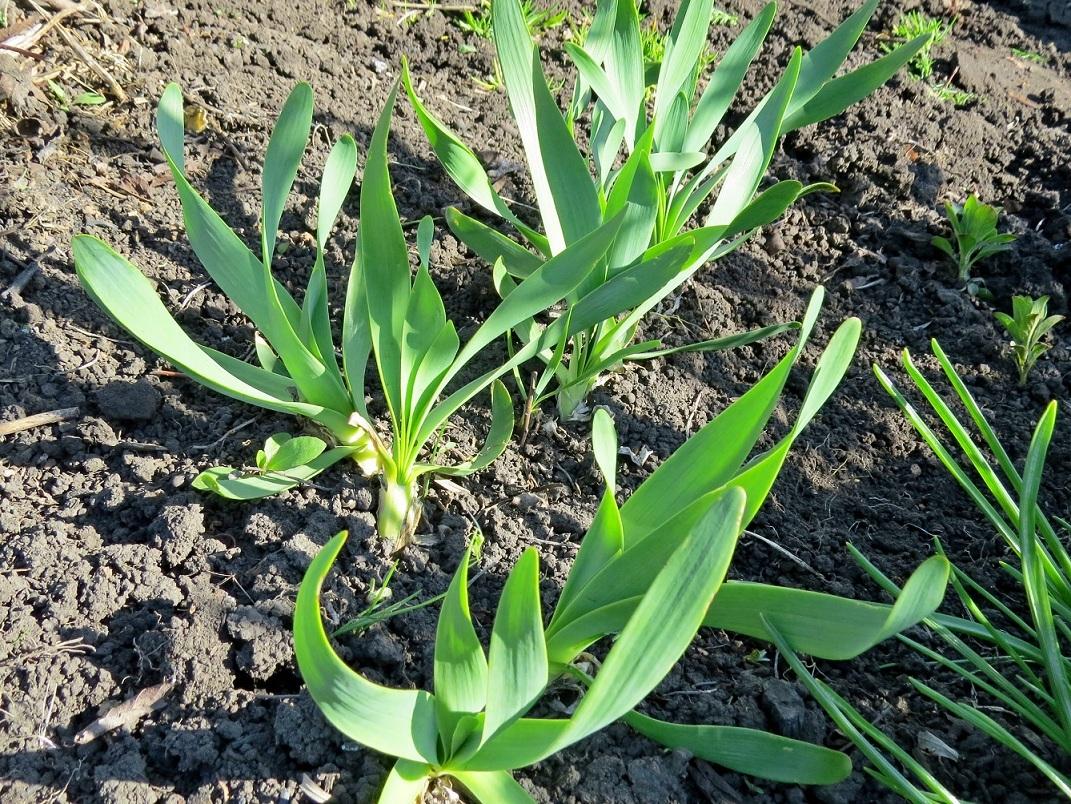
The soil in the garden bed shouldn't dry out completely, otherwise the leaves will become tough and lose their juiciness. In hot weather, water the onions every other day, ensuring the soil remains moist at all times.
Mulching
The beds are covered with mown grass, hay or peat, which helps protect crops from weeds and reduce water evaporation after watering or rain.
Vegetative propagation
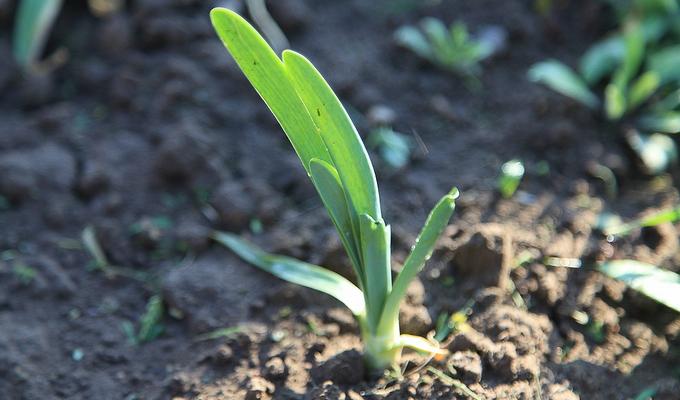
You can propagate onion slugs not only by seed, but also from bulbs and by dividing the plant. In the first year, the plant produces two new shoots, and by the fourth year, this number increases to 30. It is recommended to propagate onions this way in late summer or early September to allow the seedlings to establish themselves before the onset of cold weather.
Growing in winter
Some gardeners dig up the onion vines in the fall, place them in a box or pot filled with potting soil, and keep them in the garden until frost sets in. After that, the plant is brought indoors and grown on a windowsill. The tops are harvested after a month.
Forcing for greens
In one place, the onion plant produces a bountiful harvest for a long time. Two-year-old onions are dug up in the fall and placed in boxes covered with plastic. In a greenhouse or apartment, the plants are transplanted into soil, with the roots planted tightly together. After three weeks, up to 5 kg of greenery can be grown per square meter.
Diseases and pests
In the garden, bulbs can become infected with pathogenic microorganisms; it's also possible that the plant isn't being attacked by insects. To prevent disease, water the bulbs with a potassium permanganate solution and treat the cut ends of the bulbs with the same solution.
The leaves of the crop attract weevils and onion flies. To repel these insects from the beds, the slime is treated with a composition made from laundry soap.
Cleaning and storage
The last time the plumes are cut is in August, and watering is stopped to allow the plant to accumulate the necessary nutrients. The leaves are collected in dry weather, and the greens are placed in a plastic bag or dug up with the bulb and stored in a cellar box.
Adviсe
To ensure the succulent plumes of the slug thrive, keep the soil moist. Experienced gardeners recommend mulching the soil with mown grass, which, as it rots, not only protects against weeds and retains moisture but also acts as fertilizer for the bulbs. The leaves should be cut back when they reach 20 cm. The bed should be loosened to prevent the soil from crusting.

Reviews
Many people plant the crop not only for the lush greenery, but also to decorate the area.
Tatyana Petrovna, Voronezh: "We've been growing slizun in our garden for 10 years, but we still have to divide the bulbs and sow seeds, as the older rosettes produce fewer greens. I dry the tender leaves for seasoning and freeze them. I really like the flavor of the leaves; they're not as pungent as onions."
Viktor Sergeevich, Kineshma: "I use the onion plant mainly for decorative purposes; it looks beautiful in an alpine garden when its lilac-ball-shaped inflorescences appear. To keep it from growing too large and losing its appeal, I trim the tops; my wife uses them to make a seasoning."
Related posts:
 50 types and varieties of perennial onions with descriptions, cultivation, and care
 Description of the best varieties of onions, planting and care in open ground
 When to harvest leeks from the garden for storage, ripening times
 Description of varieties and cultivars of wild onions, the subtleties of cultivation
 Description of Welsh onion varieties, planting, growing, and care in open ground
 The beneficial properties of white onions, description of varieties, cultivation and care
 How and when to plant onions to get large bulbs
 Description of the Exhibition onion variety, growing from seedlings, planting and care