
To ensure a bountiful harvest in the fall, gardeners resort to various measures. Onions are considered the most common crop grown in garden plots. To encourage bulb growth, they use mineral and organic fertilizersThere are a wide variety of nutrients you can use to feed onions to help them grow larger. The key is to plan the feeding times and amounts in advance.
Minerals for vegetables
Fertilizing onions is impossible without minerals. If the soil lacks nutrients, primarily minerals, onions will grow poorly, and the bulbs will be small and bitter. Onions are among those crops that are very sensitive to soil composition. If the soil lacks sulfates or other nutrients, they will grow poorly.
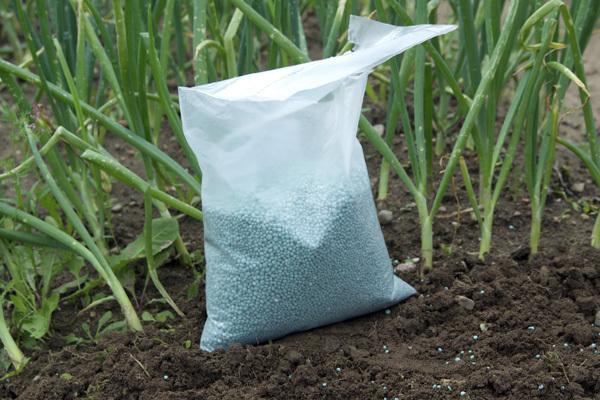
Nitrate fertilizer is suitable for increasing onion bulb size; its use in the garden is described on the packaging. Plants require different nutrients at different stages of the growing season. During planting and until harvest, plants require phosphorus, while during the period of active growth and foliage development, they require nitrogen. At the end of the growing season, potassium is added to the soil to promote larger, juicier bulbs.
Timely feeding
Although many gardeners believe that onions don't need fertilizing, this is a common myth. Of course, a harvest will still occur without fertilizer, but it won't be as abundant.
Fertilizing onions should be done in a timely manner. For example, if large amounts of nitrogen are added to the soil at the end of the growing season, the bulbs will not have time to ripen and the vegetables will not store well in winter. After fertilizing the beds, the next application is made 1-2 weeks later. Onions are fertilized 3-5 times per season. The first application is made in the fall after harvest. Subsequent applications are made strictly according to schedule.
Autumn soil preparation
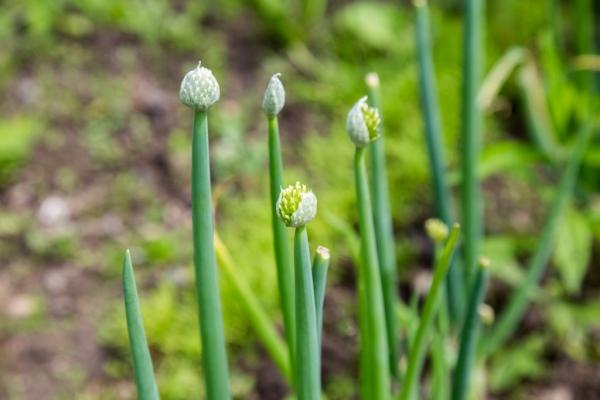
Preparation for the spring planting season begins in the fall after the harvest. First, the soil must be tilled. This will eliminate insects that prefer to overwinter in the soil. Failure to do so will result in a large infestation of harmful insects in the spring.
Also, digging the soil before fertilizing helps ensure that nutrients are better absorbed.
After digging, organic fertilizer such as wood ash is added to the onion beds. A mixture of peat or manure and river sand is also added to the soil. Then the soil is dug again. After this additional fertilization, the soil will be more nutritious and loose.
First feeding in spring
The first onion fertilization after planting is done in the spring or summer, depending on the time of year the onions were planted. The first fertilization is done after the onion shoots reach 3-5 cm in length. The following fertilizer recipes are suitable:
- Slurry is diluted in water for plant beds at a rate of 1 kg of fertilizer per bucket of warm water. Water the onion beds at the roots.
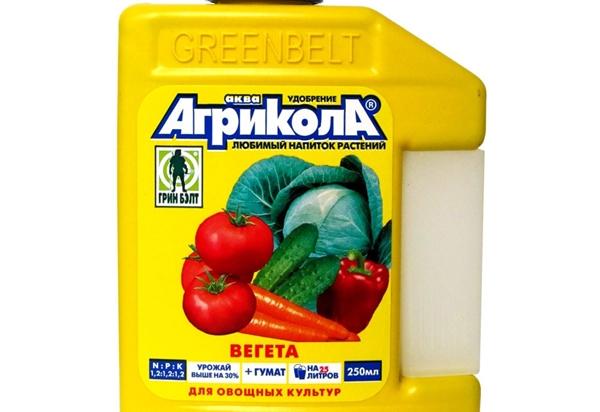
- If organic fertilizers are unavailable, use mineral fertilizers, such as Vegeta. Dissolve 50 g of the solution in 10 liters of water and water the onion beds with this solution after weeding in the evening.
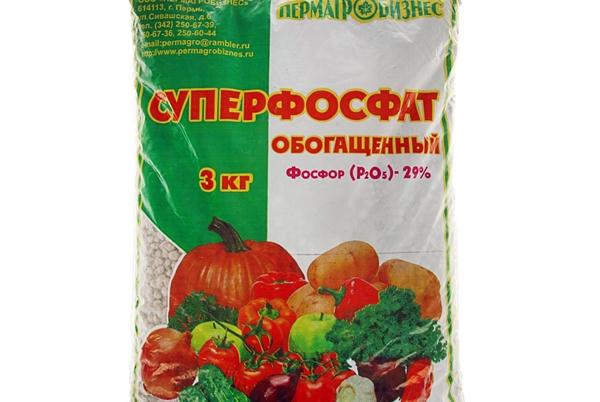
- You can prepare your own mineral fertilizer complex. To do this, take 35 g of ammonium nitrate, 25 g of potassium chloride, and 45 g of superphosphate. Mix the first two ingredients together, and dissolve the superphosphate in water 24 hours before applying, as, unlike potassium and nitrate, it dissolves slowly in liquid. Add the other ingredients to the water immediately before applying the fertilizer.
It's best to apply all nutrients to the onion beds so that they don't fall on the greens. If fertilizer gets on the onion leaves, they will wilt.
Second feeding
Around late June or early July, the onions receive their second feeding. During this period, they require phosphorus and potassium. If the soil lacks these elements, the onion bulbs begin to wilt. Fertilizing during the second stage of the growing season promotes bulb growth, making them denser and more shelf-stable, and improving their flavor.
For summer feeding, use the following fertilizers:
- Dissolve 2 tablespoons of nitrophoska in 10 liters of water. Water several times a week in the evening after sunset.
- Dissolve 1 tablespoon each of ammonium nitrate and table salt in warm water (one bucket). Add 15 ml of iodine.
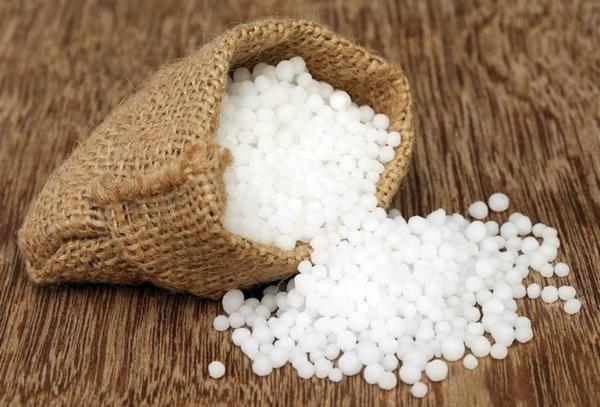
- Fill a large bucket 25% full with weeds from the garden and nettles. Pour water over the greens, add 2 packages of yeast, and let ferment for 3 days. When the fertilizer is ready, dilute it in a 2:1 ratio and water the onion beds.
- Dissolve 1 tablespoon of mullein, 3 tablespoons each of chicken manure and urea in a bucket of warm water. Mix thoroughly and water the onion beds with the resulting fertilizer.
When adding minerals to the soil, it's important not to overdo it. Too much fertilizer will result in long onion tips and underdeveloped bulbs.
The final stage
The final feeding is done just before harvest, when the bulbs have reached 4-6 cm in diameter. Nitrogen should not be used for this final feeding. It stimulates bulb growth, preventing them from ripening by the end of the season and, consequently, storing poorly after harvest.
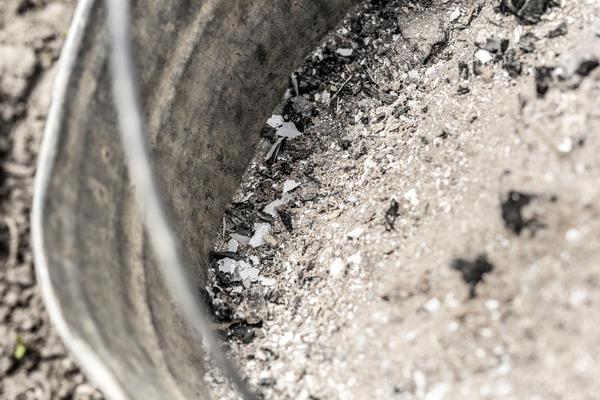
- Wood ash is used as a fertilizer, containing high amounts of phosphorus and potassium. It is scattered over the plot and then watered. An ash-based infusion can also be prepared. 300 grams of ash are poured into 1 liter of water and left to steep for 3-4 days. Once the infusion is ready, it is diluted 1:1 and watered into the beds. After this vegetable feeding, the bulbs become denser and store better over the winter.
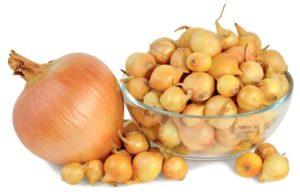
- For the final feeding of onions, use Effecton-O. It contains a small amount of phosphorus, so it's mixed with superphosphate. Before watering, dilute 3 tablespoons of Effecton-O and 30 g of superphosphate in water.
But before applying the final fertilizer, it's important to assess the external condition of the onion leaves. If the onion plants have abundant, lush foliage and large bulbs, it's best to withhold some fertilizers to avoid overfeeding the plants, or to apply them sparingly. It's not recommended to completely abandon fertilizer application.
Important points
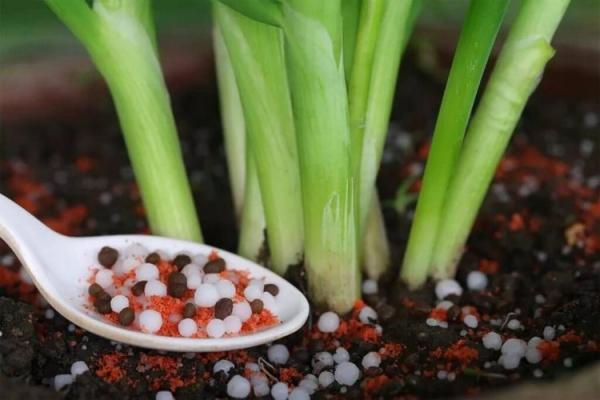
Fertilizing onions plays a vital role in shaping the future harvest and is essential. However, there are several factors to consider before applying fertilizer:
- Bulbs do not require nitrogen before harvesting. Nitrogen-containing fertilizers are necessary in the first weeks after planting.
- Using fresh manure for onions is not recommended. Adding fresh manure to the soil can promote disease and reduce yield.
- The first feeding is recommended to be carried out when the crop feathers reach 4-5 cm.
- It's recommended to apply all fertilizers after thoroughly watering the onion beds. This will ensure better absorption of the nutrients.
- When applying fertilizer to the soil, be careful not to let it come into contact with the onion leaves. If this happens, rinse the greens with water.
- Excessive potassium and other mineral fertilizers lead to the accumulation of nitrates in the soil and, consequently, in the heads.
- If the minerals are sold in dry form, they are simply scattered over the soil and the beds are loosened to a depth of 4-5 cm.
- Yeast-based fertilizers are only effective when the soil is warm and the weather is warm for a long time. They won't have any effect in cold weather.
By following all the rules for adding mineral and organic matter to the soil, you can avoid the appearance of diseases and pests in the beds, and also increase crop yields.
Folk recipes
Some of the simplest and cheapest ways to fertilize onion beds are folk remedies. Most of the ingredients for fertilizers can be found at home. Fertilizing onions using folk methods allows you to get a good harvest without additional financial outlay, as commercial fertilizers are expensive.
Organic fertilizers
Organic fertilizers are beneficial for onion beds. For example, mullein is a good fertilizer. A urea solution is also helpful: add 500 grams per bucket, mix thoroughly, and water the beds.
Gardeners often use horse manure for onion beds. Dissolve 5 kg of manure in 100 liters of water. The fertilizer is left for 10 days to ferment. Before use, dilute the manure in water (1 liter per bucket of water). Mineral fertilizers are often added to the mixture.
To prepare a solution based on bird droppings, you will need 1 kg of droppings and 30 liters of water. Dilute the manure in water and let it ferment for 15 days. Just like horse manure, dilute it again with water before use. If you don't dilute organic fertilizers based on manure or droppings with water, you risk burning your plants, as these fertilizers are very concentrated.
Dried bread is used as fertilizer for onion beds. The dried bread is mixed with herbs and covered with water. It is left for several days to ferment, then diluted in warm water and used to water the beds. A similar recipe can be prepared using yeast. It is also just as effective as the bread crust-based fertilizer.
Ammonia
During the early stages of growth, any plant requires additional nitrogen. Regularly watering onions with nitrogen-containing fertilizers will help them grow better. If nitrogen-containing fertilizer is unavailable, regular ammonia will do. Apply ammonia-based fertilizer only to the roots.
If you simply water the beds, the onion greens may begin to wilt.
To prepare ammonia-based fertilizer, take 3 tablespoons and dissolve them in a bucket of warm water. Besides accelerating growth, this fertilizer also helps repel onion flies.
Baker's yeast
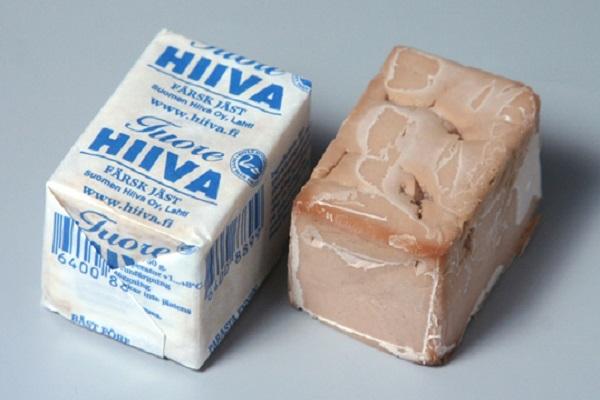
Yeast-based fertilizer is considered the most effective for onions. Yeast actively saturates the soil with oxygen atoms. This allows the bulbs to absorb nutrients from the soil more quickly and grow larger. To apply yeast to onions, follow the following recipe:
- 1 kg of yeast is diluted in one bucket of warm water.
- To speed up the fermentation process, a sweetener (for example, granulated sugar or jam) is added to the yeast.
- To increase the phosphorus content in the fertilizer, wood ash is added to the water.
- Once the yeast solution is ready, you need to dilute one part of it with two parts of warm water and start watering the onion beds.
This fertilizer is used together with other mineral fertilizers.
Related posts:
 How and when to plant onions to get large bulbs
 Description of the best varieties of onions, planting and care in open ground
 What is the best way to feed tomato seedlings to make them plump?
 Control of onion pests using chemical and folk remedies
 50 types and varieties of perennial onions with descriptions, cultivation, and care
 How and what to feed watermelons in open ground after planting, during flowering
 Description of Welsh onion varieties, planting, growing, and care in open ground
 How to control onion flies using natural and chemical methods