
Gardeners often discuss the benefits of mineral fertilizers and the need to use them in their garden plots to improve the growth of garden crops. Today, the gardening market offers several types of such products, each with a different composition and purpose. Incorrect use of these products and failure to consider the soil composition can have the opposite effect, so it's important to understand the key aspects of their use before using them.
What are mineral fertilizers and why are they needed?
The application of any type of fertilizer is aimed at increasing the yield of garden crops, improving the quality of their growth and resistance to environmental factors.
It is customary to divide fertilizers into two types:
- organic fertilizers - contain a complex of macro- and microelements, fertilizers supply carbon dioxide formed under the influence of microorganisms;
- mineral - preparations with a high concentration of substances necessary for plant nutrition.
Both types of fertilizers are used to improve the nutrition of garden crops. Mineral fertilizers have a higher element content and a simpler formula. They offer a convenient way to quickly adjust soil composition, compensate for nutrient deficiencies, and thereby increase crop yields.
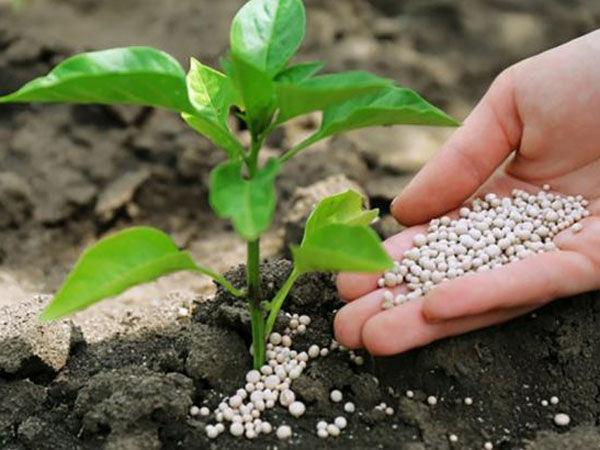
Types of mineral fertilizers
Mineral fertilizers available on the garden market are divided into complex and simple based on the complexity of their chemical composition. The former contain several elements simultaneously, while the latter are designed to replenish a single element. Fertilizers can be released in liquid or dry form.
Manufacturers produce fertilizers in sealed packaging, always indicating the name, chemical formula, and concentration of the nutrient. Each product comes with instructions detailing the nuances of use and the conditions required to ensure personal safety when working with the product.
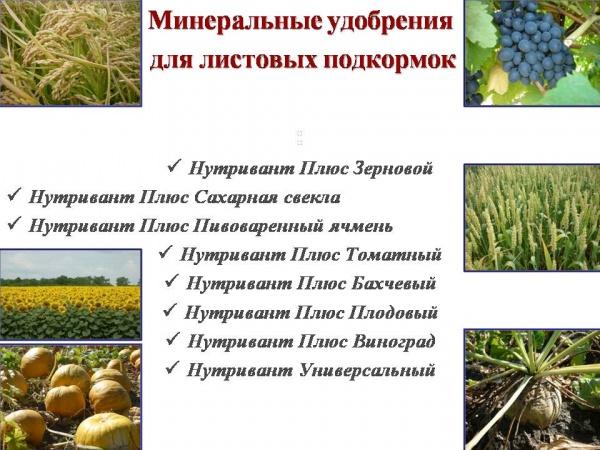
What types of mineral preparations are there?
- nitrogen;
- phosphorus;
- potassium;
- complex;
- microfertilizers.
Each of the listed species is used to achieve specific goals. Misapplication and improper application rates can lead to plant disease and reduced yield.
Nitrogen
Nitrogen-containing fertilizers include a wide range of fertilizers that vary in the concentration of their active ingredient. Depending on the concentration, the soil absorbs nutrients differently. The choice of a specific type depends primarily on the soil type and its acidity.
Groups of nitrogen agents:
- nitrate;
- ammonia;
- ammonium;
- amide.
Nitrogen fertilizers are considered dangerous due to their potential to negatively impact plant growth when applied in excess, and they are not used for all plant species. Tomatoes, potatoes, apple trees, and strawberries require sufficient nitrogen content. A nitrogen deficiency can slow or stop the development of garden crops.
Urea increases soil acidity, nitrate has a positive effect on the growth of beets, and ammonia-based fertilizers promote the growth of onions, cucumbers, cabbage, and various types of lettuce. Application rates depend on the soil type, the chosen method, and the type of vegetable and fruit plants.
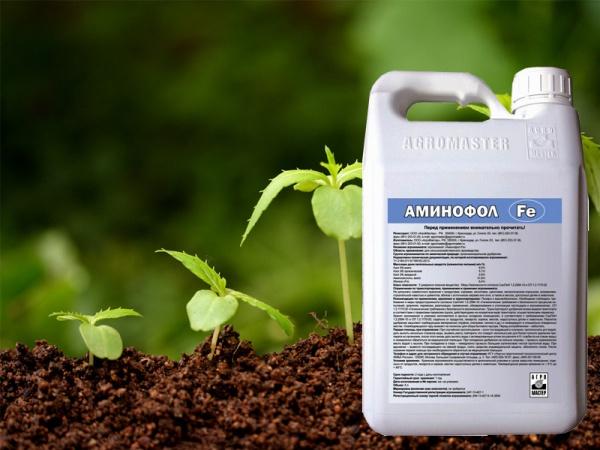
Phosphorus
The main element in this group of fertilizers is phosphorus anhydride. It is designed to replenish phosphorus oxide deficiency in the soil and improve the nutrition of vegetables, flowers, and berries. Phosphorus fertilizers are classified as follows:
- water-soluble;
- insoluble in water;
- poorly soluble.
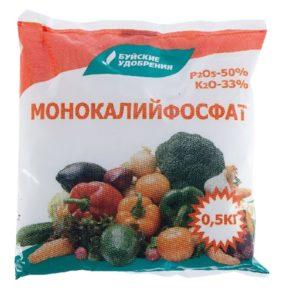
The main difference between products in this group lies in the percentage of the main component and their water solubility. For example, regular phosphate contains up to 20% anhydride, while double phosphate contains up to 50%. Superphosphate is ideal for vegetable crops, including tomatoes, potatoes, carrots, and various varieties of cabbage.
Berry crops and fruit trees respond well to fertilizing.
Potassium
Potassium sulfate is used both indoors and outdoors. It contains 50% of the active ingredient and is chlorine-free. When used to improve soil nutrition, it increases the vitamin and sugar content of fruits, improves plant resistance, and reduces the risk of various types of rot. Plants from the Cruciferae family, such as turnips, cabbage, and radishes, benefit from potassium supplements.
Fertilizers in this group, in addition to potassium, contain an additional element that determines the product's intended purpose. The following potassium-based fertilizers are available in stores:
- potassium chloride;
- potassium sulfate;
- potassium magnesium sulfate;
- Kalimag.
Some gardeners use cement dust or ash to replenish potassium deficiency. The latter is considered the best fertilizer for tomatoes, cucumbers, carrots, onions, and other vegetables.
Complex
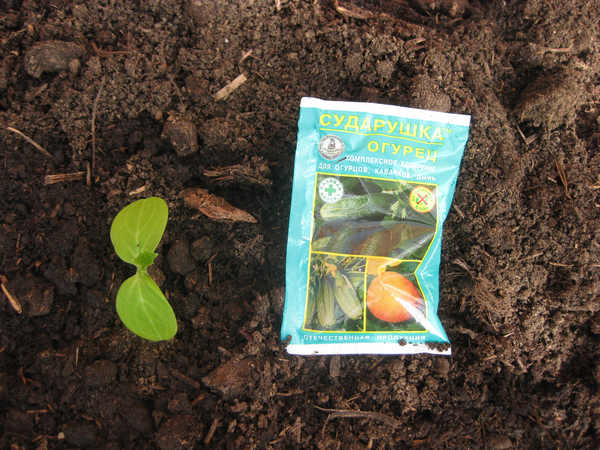
Complex fertilizers are divided into two- and three-component types. The main components are the elements whose deficiency has the greatest impact on the growth of garden crops. These include:
- nitrogen;
- phosphorus;
- potassium.
Two-component fertilizers include nitrogen phosphate, ammophosphate, ammophos, and several others. Three-component fertilizers include nitrophoska, ammophoska, and diamophoska. The main difference lies in the ratio of nutrients in the product.
Complex-mixed
Complex-mixed preparations include nitrophoska and nitrophas, which are supplemented with essential nutrients such as phosphorus or potassium. The most common NPK ratio is 20:16:10. Organomineral fertilizers can be applied before sowing, directly into the pits or rows during planting, or used as top dressing.
Such fertilizers are used mainly in large farms when it is necessary to cover large planting areas.
Microfertilizers
Micronutrient fertilizers are unique in that they contain nutrients in a form accessible to garden crops. They are available in powder or crystal form, and can be complex or single-element. Their use helps replenish the nutrients plants need.
Micronutrient fertilizers are especially important for crops during certain growth periods. Their advantage is that gardeners don't need to create a micronutrient cocktail or try to calculate the necessary proportions. Existing types of micronutrients are categorized by the predominant element—copper, boron, molybdenum, and others.
Application of mineral fertilizers: general tips
Today, a wide selection of mineral fertilizers is available. When choosing, it's important to clearly understand the intended use of the product to ensure the desired results. It's important to purchase from reputable sources and choose manufacturers with a good reputation for quality and a long history in the fertilizer industry.
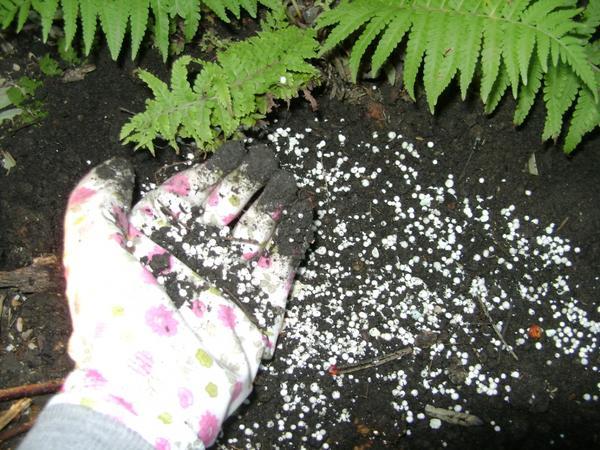
When working, it's important to follow safety precautions and adhere to the manufacturer's recommended fertilizing guidelines. The following recommendations should be followed:
- When calculating the amount used, take into account the area of the territory, application methods, size of plantings, type and age of the garden crop;
- do not violate the instructions regarding the timing of fertilizer application;
- do not prepare solutions for feeding in advance;
- take into account the expiration date and expiration date of the drugs;
- pay attention to the compatibility of mineral fertilizers with each other.
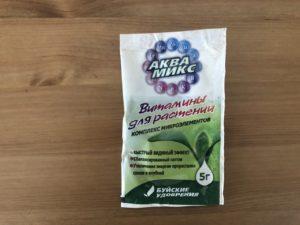
Failure to apply fertilizers to the soil promptly can result in ineffective results. For example, nitrogen-containing fertilizers are recommended to be applied to the soil in early spring so that the elements can begin to work, while precipitation in the fall will simply wash them out. When carrying out work to improve the nutritional value of the soil, ash and nitrogen-containing fertilizers should never be mixed.
Pros and cons of using mineral fertilizers in the garden and vegetable garden
Gardeners today are divided into two camps: some believe in the need for fertilizers, while others insist they can do without them. Organic fertilizers are not always readily available, so in such situations, fertilizers are often the only option. The undeniable advantage of mineral fertilizers is their low cost, availability, and effectiveness. For example, using saltpeter in the first year of planting can increase potato yields by 60%, while significantly reducing the risk of late blight.
The advantages of mineral fertilizers include:
- ease of use, ease of transportation;
- availability of manufacturer's tips and instructions for use;
- large selection, ability to choose the required microelements;
- the ability to significantly increase the quality of fruiting;
- versatility of use, the ability to fertilize fruit crops and vegetables;
- the ability to correct soil deficiencies by adjusting elevated and decreased soil parameters;
- Possibility of use in small garden plots and farms.
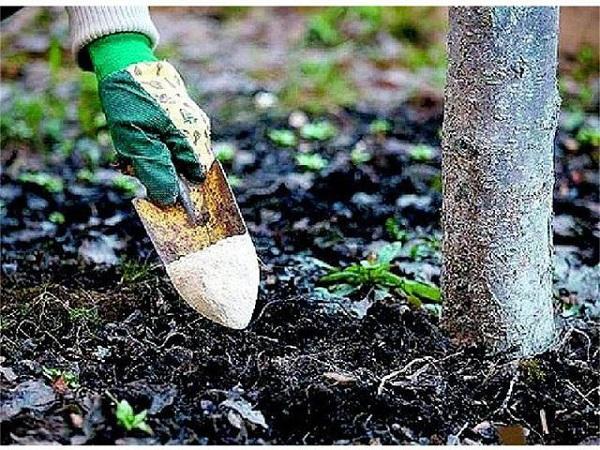
Using mineral fertilizers requires specific knowledge and application skills. Exceeding the recommended nutrient levels can lead to plant disease and increase the maximum concentration of certain elements in fruits.
Related posts:
 What is the best way to feed tomato seedlings to make them plump?
 How to use and prepare manure as a fertilizer, its types and composition
 The use of peat as a fertilizer for potatoes and other crops and its differences from humus
 The best eggplant varieties for growing in a polycarbonate greenhouse: planting and care
 What is the best way to feed carrots? Fertilizers and preparations, using folk remedies.
 How and what to feed watermelons in open ground after planting, during flowering
 How and what to use to fertilize gooseberries: a review of the best fertilizers
 How to feed and what fertilizers are best for blueberries, soil acidification