
- Do watermelons need to be fertilized?
- How do you know if a plant is deficient in minerals?
- Mineral fertilizers for watermelons
- Nitrogen
- Urea
- Ammonium nitrate
- Ammonium sulfate
- Phosphate
- Ammophos
- Superphosphate
- Potassium
- Organic fertilizers for melons and gourds
- Plant-based
- Humus
- Herbal infusion
- Biohumus
- Wood ash
- Yeast
- Animals
- Manure
- Bird droppings
- Mullein
- Folk remedies
- Methods of fertilizing
- Root
- Foliar
- Watermelon fertilizing scheme
- When sowing seeds
- Fertilizer when planting seedlings
- During the flowering period
- At the beginning of fruiting
- Differences between fertilizing in open ground and in a greenhouse
While watermelons were once grown only in the south, varieties have now been developed for cultivation in northern regions. Of course, the northern berries are inferior in size and taste to the southern ones, but fertilizing watermelons in open ground can improve the situation.
Do watermelons need to be fertilized?
Watermelons, like any other crop, require regular fertilization. Growing a good harvest without ever adding nutrients to the soil is virtually impossible. Watermelons thrive on fertilization, but the amount of fertilizer applied is also influenced by other factors:
- When grown in the south on fertile soil, fertilization is practically not required.
- However, in the central part and the Volga region, it is impossible to grow the crop without additional fertilizers.
However, overfeeding plants is not recommended. For example, if there is excess nitrogen in the soil, the plants will develop poorly, ovaries will stop forming, and the taste of the pulp will deteriorate.
How do you know if a plant is deficient in minerals?
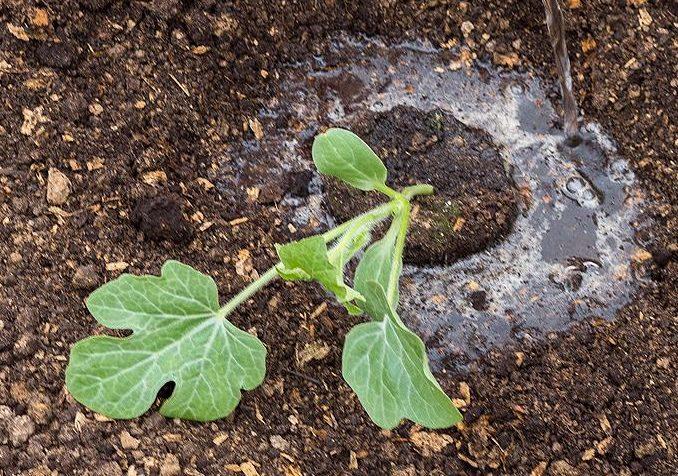
It's not difficult to determine if a plant is lacking nutrients. To do this, carefully monitor the bushes' external condition. If there's a fertilizer deficiency, the bushes will begin to grow poorly, and yellow spots may appear on the foliage.
The leaves grow small and deformed. Ovaries develop slowly or fail to develop at all. The fruits grow small, no larger than a large tomato.
Mineral fertilizers for watermelons
Mineral fertilizers can be complex, consisting of several substances. Or they can consist of a single component.
Nitrogen
Nitrogen promotes bush growth and fruit set. This fertilizer is applied during the first half of the watermelon growing season.
Urea
Urea accelerates the growth of ovaries and bushes. It also helps speed up photosynthesis. Urea is applied three times per season at intervals of 3-4 weeks. The beds are first watered one month after germination. Urea is typically applied in the fall after harvest or in early spring.
Ammonium nitrate
Ammonium nitrate is not recommended for watermelons. Nitrates accumulate in the fruit pulp, which are harmful to human health. However, it's worth noting that nitrates accumulate when there is an excess of ammonium nitrate in the soil. Applying the fertilizer in small amounts will not cause any harm.
Ammonium sulfate
In addition to nitrogen, ammonium sulfate also contains sulfur. This fertilizer is completely safe for humans. When applied to the soil, ammonium sulfate improves plant metabolism, increases crop yields, and improves the absorption of other micronutrients from the soil thanks to its sulfur content.
Phosphate
Phosphorus increases yield and improves the taste of fruits. Phosphorus-containing fertilizers are applied to the soil when the bushes enter the flowering stage.

Ammophos
Contains nitrogen and phosphorus. This fertilizer is recommended for use in arid regions where there is a pronounced phosphorus deficiency in the soil.
Superphosphate
Another popular watermelon fertilizer containing phosphorus is superphosphate. This fertilizer comes in two types: single and double. They differ in the level of phosphate content and its concentration.
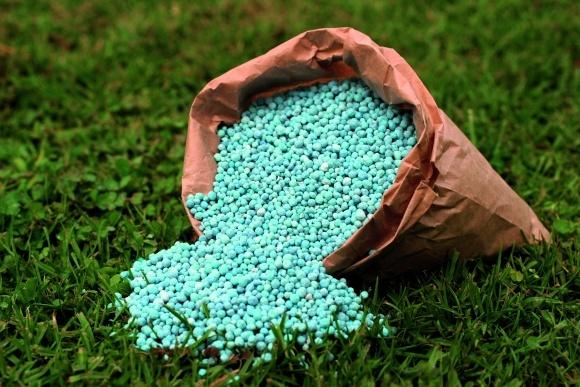 In addition to the main substance, it may contain small amounts of copper, iron, molybdenum and other microelements that are beneficial for watermelons.
Potassium
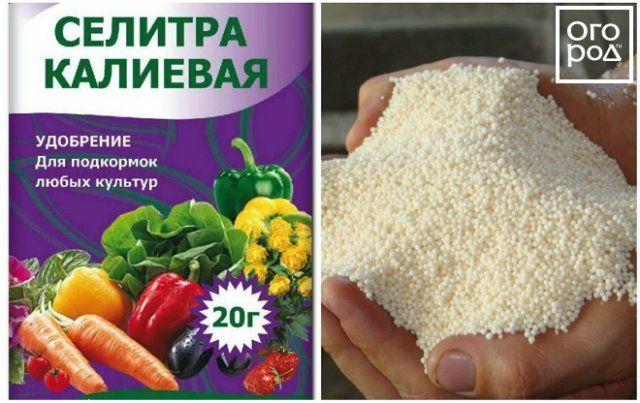
Potassium fertilizers, like phosphorus-containing ones, have a positive effect on the formation of ovaries and the taste of ripe watermelons.
Common potash fertilizers:
- potassium chloride;
- saltpeter;
- potassium magnesium sulfate;
- potassium sulfate.
Potassium fertilizers are applied together with phosphorus in the second half of the season.
Organic fertilizers for melons and gourds
In addition to mineral fertilizers, watermelons also prefer organic ones, made, for example, from weeds.
Plant-based
Weeds collected from the plot don't necessarily need to be destroyed. They can make good fertilizer for watermelons.
Humus
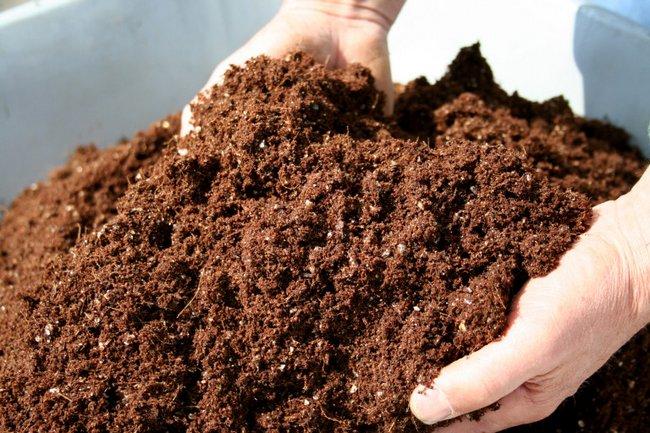
Humus is beneficial for the growth of young watermelon seedlings. Humus should be prepared several years in advance. After 2-3 years, it can be used as fertilizer. Organic food scraps, plant material, and paper can be used as humus. Watermelons don't need to be fed with humus very often. Watering the beds twice a month with humus diluted in water is sufficient.
Herbal infusion
Watermelons can be effectively irrigated with weed infusions. To prepare the fertilizer, finely chop the weeds and soak them in water. Place them in the sun for a few days to ferment. Before watering, dilute the infusion in water at a ratio of 1 liter of fertilizer to 10 liters of liquid and irrigate the beds.
Biohumus
Biohumus is ordinary leaf soil, sawdust, straw, plant residues processed by earthworms with the participation of bacteria and fungi.
Such fertilizers are saturated with oxygen and all nutrients, so vermicompost should be used to feed watermelons.
Vermicompost promotes rapid seed germination. It helps root systems grow strong and well-developed. Vermicompost also helps deoxidize the soil, which is essential for growing watermelons.

Wood ash
Wood ash can be used throughout the growing season. After planting seedlings outdoors, the soil is dusted with ash. Wood ash is also often used not only as a fertilizer but also as a disease preventative. Ash can be either diluted in water or sprinkled on the soil and then watered.
Yeast
A fertilizer easily found in your kitchen is ordinary yeast. The yeast is dissolved in warm water and left for two days to ferment. This fertilizer is then used to water the watermelon beds.

Animals
Animal manure is used as a nutritious fertilizer for agricultural crops.
Manure
To ensure rapid growth of watermelons, rotted manure is added to the soil before planting. The soil is dug, weeds are removed, and the manure is mixed in. Then the seeds are planted. During the growing season, the beds can be watered with slurry once a month.
Bird droppings
It's beneficial to water watermelon beds with rotted poultry manure. Avoid fresh chicken manure, as it's highly concentrated and can burn the plants' roots. To prepare fertilizer, dilute 1 kg of manure in 10 liters of warm water. Let it sit for 24 hours, then water the beds every two weeks.
Mullein
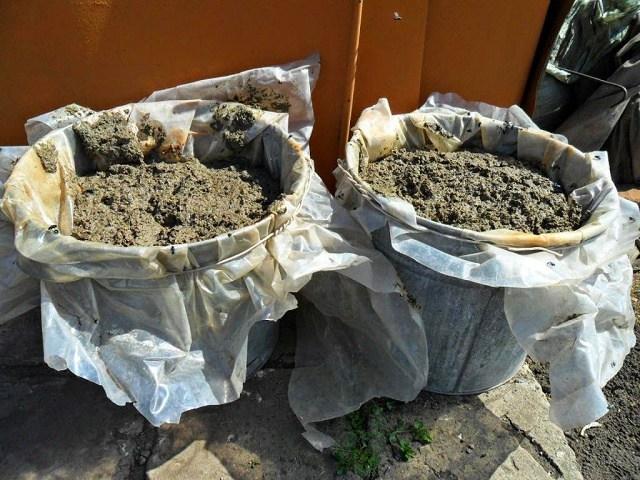
To speed up fruit growth, watermelon beds are watered with a mullein solution. 1 kg of fertilizer is diluted in 10 liters of water and the soil is irrigated with the fertilizer twice a month.
Folk remedies
One folk remedy is to water watermelons with iodine diluted in warm water. A few drops per bucket of water is enough. You can also make an infusion using banana peels. To prepare it, soak the peels in water and leave them in a dark place for three days. Dilute them with water before watering.
Methods of fertilizing
There are two main ways to add nutrients to soil. They differ in the method of application.
Root
Root application involves adding nutrients directly to the soil at the root level. Typically, when applying these fertilizers, it's best to avoid them coming into contact with the foliage. Mineral fertilizers are most often applied this way.
Foliar
The second method is foliar application. This method involves watering the bushes with fertilizer along with the foliage. It's typically used with organic fertilizers, but not all of them.
Watermelon fertilizing scheme
To ensure that your plants receive the same amount of nutrients throughout the growing season, you need to create a schedule for applying them and follow it strictly. This will prevent your plants from experiencing either a deficiency or an excess of fertilizer.
When sowing seeds
Before planting, determine the soil's acidity. If it's high and the soil is heavy, add wood ash.
If the soil is too light, it is fertilized with manure.
After this, the substrate is fertilized with ammonium sulfate, peat, or bone meal. During seed sowing, complex fertilizers such as Green-Go or Teraflex are added to the soil.
Fertilizer when planting seedlings
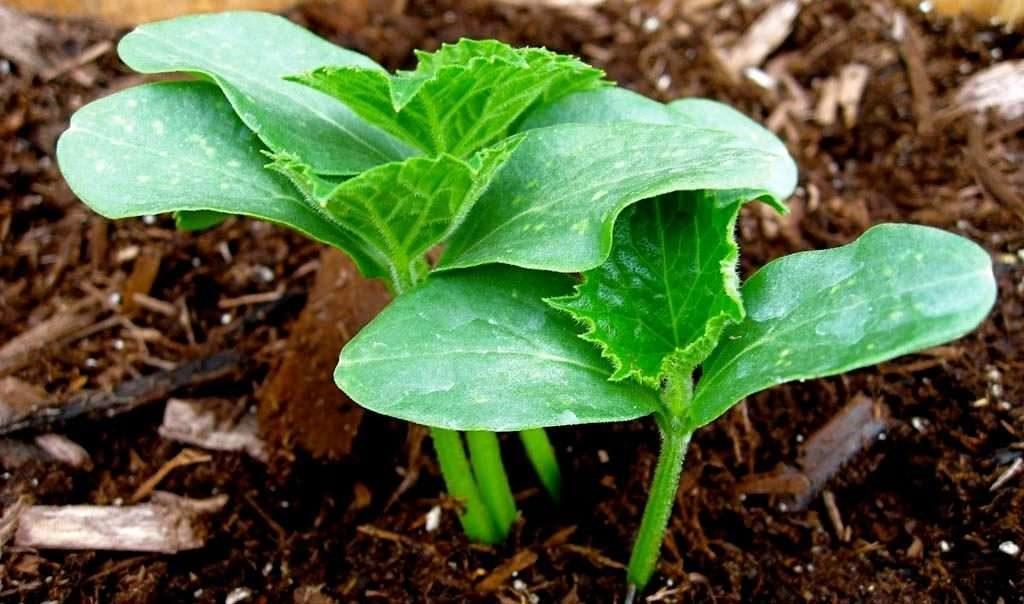
Fertilizer is also added to the soil if the seedlings were grown indoors. The bushes are planted outdoors when they have two pairs of fully developed leaves.
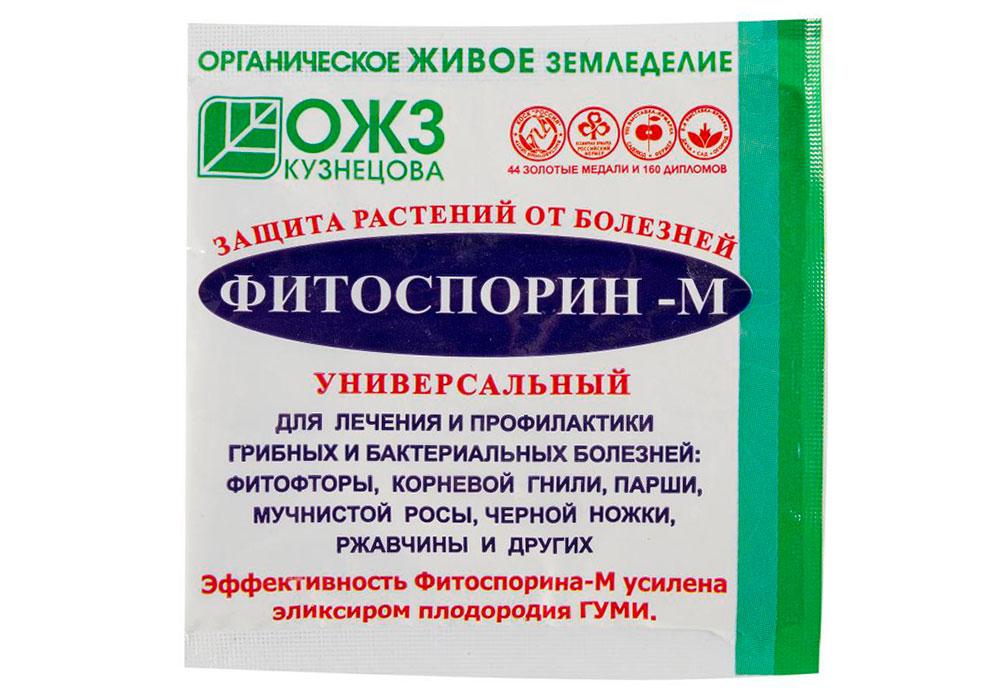
Before planting, water the soil with Fitosporin to disinfect it. You can also mix the soil with mown green manure (rapeseed, clover, oats, alfalfa). After planting, feed the seedlings with rotted manure. A good, chemical-free product for stimulating seedling growth is Ecochudo. Add the product to the substrate before planting and mix thoroughly.
During the flowering period
During flowering, watermelons need fertilizing just as much as during other growing seasons.
When watermelons begin to bloom, they need potassium. A lack of this mineral in the soil can often result in no blooms at all.
Watermelons can be irrigated with products such as "Nutrivant Plus" or "Kelik Potassium." Before flowering, magnesium is added to the soil, which also promotes fruit set. The beds are irrigated with magnesium nitrate.
Hot weather is very dangerous for watermelons. The heat causes a potassium deficiency in the soil. Using "Calcinat" or "Nutrivant Drip" during this period is effective.
At the beginning of fruiting
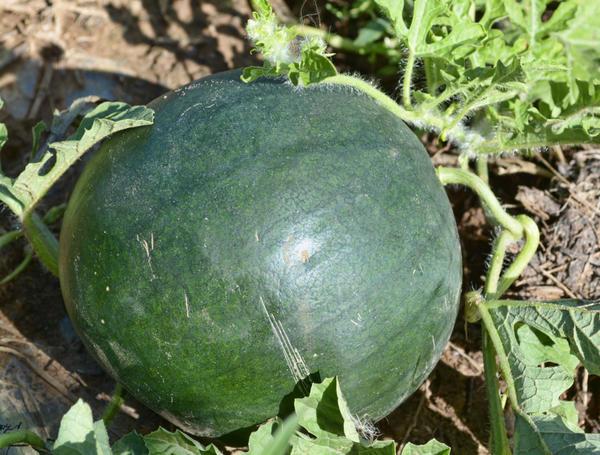
Watermelons may bloom profusely but fail to produce fruit. This is most often caused by a boron deficiency. You can identify the deficiency by the yellow stripes on the rind. Boron is applied both foliarly and root.
The following are used as fertilizers:
- "Clean Slate";
- "Mag-bor";
- Megafol;
- "Boroplus".
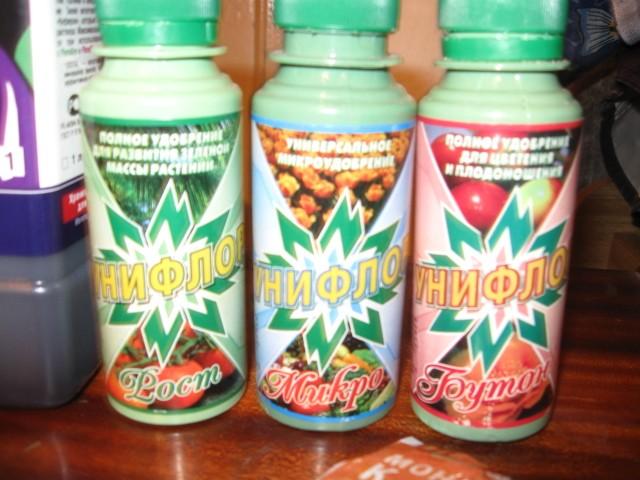
Once the fruits have grown a little, it's time to think about how to accelerate their growth. To do this, water the beds with Uniflor Macro or Teraflex Universal. In addition to fertilizing, it's helpful to regularly weed the soil. This promotes oxygenation of the root system, which in turn has a beneficial effect on fruit growth.
Differences between fertilizing in open ground and in a greenhouse
When growing seedlings at home, remember that until the bushes are transplanted outside or into a greenhouse, they also need to be fed.
Fertilizing watermelons outdoors and in a greenhouse is the same; there's no significant difference. You'll probably need to fertilize them more frequently in a greenhouse. However, this isn't always necessary; if your watermelons are growing well, there's no need to fertilize them unnecessarily.
In June and July, plants require higher amounts of fertilizer, as this is when fruit buds are actively forming. By mid-August, the amount of fertilizer applied is reduced.
Eventually, they stop feeding completely, and the fruit stops forming. All that's left is to harvest the crop; the bushes no longer require nutrients.
Mistakes when combining fertilizer types when growing watermelons
To properly grow watermelons in your garden, you need to know how to combine fertilizers. You can't just pick any fertilizer and add it to the soil whenever you want.
Common mistakes gardeners make when combining fertilizers:
- The main mistake when growing not only watermelons but other crops as well is not preparing the soil in the fall, but applying fertilizer in the spring immediately before planting. This results in poor crop growth.
- Do not alternate organic and mineral fertilizers.
- Fertilizers are applied to dry soil without further tillage. Fertilizers are applied after rain or after irrigation.
- Feed the bushes in cloudy weather. Without sunlight, nutrients are poorly absorbed. This also leads to an excess of nutrients in the soil.
- Don't forget to feed your seedlings while they're indoors. This can cause them to grow weak.
If you follow all the rules for applying fertilizer to the soil, you will be able to grow a good harvest of watermelons not only in the south, but also in any other region.
Related posts:
 How to properly pickle whole and part watermelons in a barrel for the winter: Grandma's recipe
 Simple, step-by-step recipes for preparing salted watermelons for the winter in jars
 Rules for growing watermelons in open ground, how to shape and care for them
 How to grow watermelons in a polycarbonate greenhouse: planting and care
 How often should you water watermelons in open ground? Rules and timing
 Characteristics and description of the Ogonyok watermelon variety, cultivation in open ground
 How to properly pinch watermelons in open ground and greenhouses, is it necessary?
 What is the best way to feed cucumbers during flowering and fruiting?
If you grow watermelons outdoors, fertilizing them is essential. I use complex mineral fertilizers, varying the composition depending on the berries' growth period.
Just general words. Just chatting for likes...