Gardeners are interested in how to properly pinch watermelons and whether this procedure is necessary for greenhouse growing. Shortening the shoots allows for larger berries to be produced quickly. These watermelons also have excellent flavor and are rarely susceptible to damage or rot.
Should watermelons be pruned?
When growing watermelons in beds and greenhouses, timely pinching is essential. This technique not only speeds up ripening but also makes the watermelons juicier, while shortening the vines creates a neater bush.
The method of pinching depends on the region where the berry is grown; many avoid the process, believing it to be harmful. However, experience shows that in temperate climates, pinching watermelons is necessary for open beds. Proper planting and care are also crucial for a successful harvest.
Which varieties require pinching?
Depending on the region in which the crop is grown, mandatory pinching is recommended for the following varieties of watermelon.
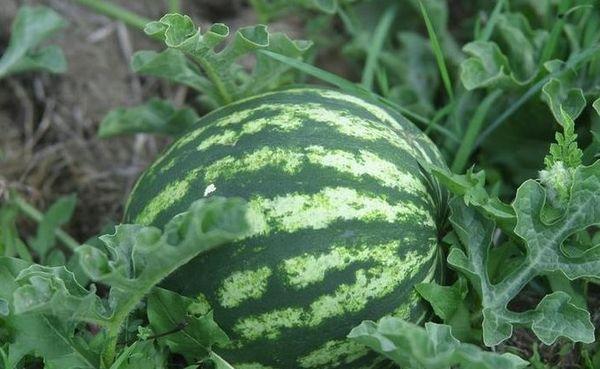
Cultivation in northern regions and the middle zone:
- Fire;
- Sugar baby;
- A gift to the north;
- Black Sea;
- Dumara;
- Borchansky.
For growing watermelons in the southern zone:
- Nice;
- Astrakhan;
- Chill;
- Borysthenes.
If necessary, pinching can be carried out on any of the varieties if the berry is a large species.
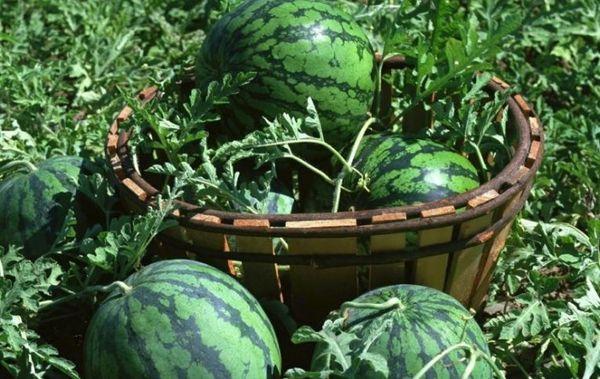
Pinching pattern
Pinching of the crop is carried out according to the following scheme:
- After the seedlings appear, it is necessary to remove the side shoots, leaving the main shoots;
- During flowering, it is necessary to remove asexual flowers and leave the required number of ovaries;
- In open ground, the tops are removed on shoots that have ovaries for attaching the plant.
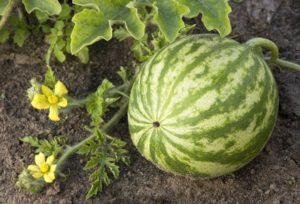
The pinching pattern can be adjusted depending on the gardener's preference. One, two, or three shoots can be left. If multiple shoots are left, the strongest ones should be selected during the growing season and the rest removed. Two berries are left on each shoot, and the rest are removed.
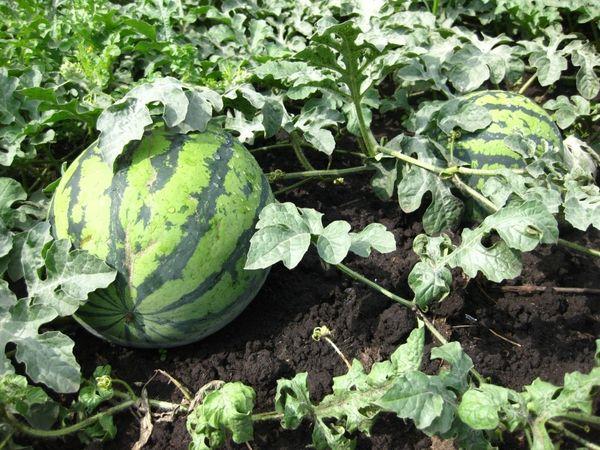
Rules for pinching stems
Pinching is carried out in accordance with the following rules:
- The central shoot is not removed. As the plant matures, the lateral branches are removed, leaving no more than six.
- Pruning should begin at an early stage of ripening.
- During flowering, the main bud is not removed, since it is on the main shoot, which is fertile.
- After pollination, it is necessary to pinch off all asexual inflorescences that do not have an ovary.
- The bush is inspected every 5-6 days, and lateral shoots located near the berries are removed.
- No more than 2 fruits are left on one shoot, the rest of the stem is removed.
Pinching will improve the taste of the watermelon, as the plant will not waste nutrients on the development of lateral shoots.
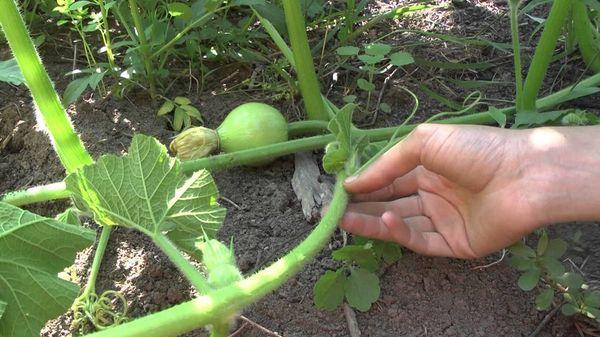 Important: The pinching procedure is carried out before the watermelons begin to increase in size.
Pinching the top of the stem
After the berries have set, the shoots are pinched back to three leaves. The tops are always removed to ensure the berries gain strength.
Pinching off ovaries
Pinching is carried out after the plant has finished flowering and the first buds have begun to form. Depending on the size of the bush, up to four buds are left on each shoot. If the vines are small, two berries are left per shoot to allow the plant to gain strength and nutrients.
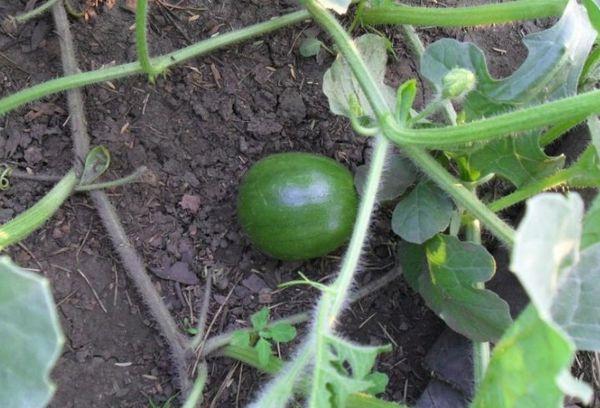
How to properly care for a plant after pinching
To ensure the crop continues to grow, proper care is essential. Regularly inspect the shoots and remove new growth that could interfere with the berries' normal development and vigor. Once the berries begin to increase in size, use nets to prevent rot. Organic fertilizer should be applied every two weeks. Watering should be done every three days, with up to 5 liters of water per bush.
Important: To prevent the bushes from becoming disease-prone after pinching, the procedure should be performed in the middle of the day so that the sun's rays can immediately dry the cut areas.
Do watermelons in a greenhouse need to be pinched?
In colder climates, watermelons can be grown in a greenhouse. Pinching is not necessary in a greenhouse. However, gardeners do this to ensure larger berries. In a greenhouse, pinching is done after the shoots have formed; side shoots can be left if the gardener desires a bush with two or three stems.

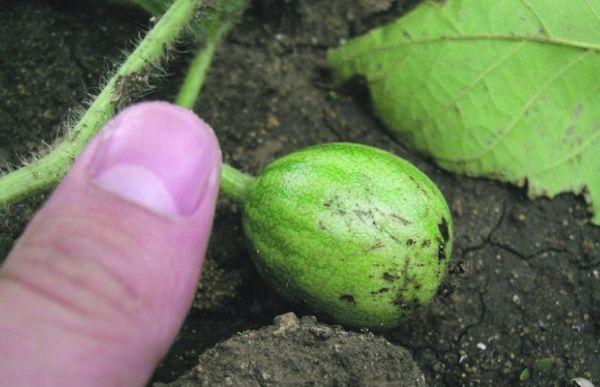 Important: To ensure pollination of greenhouse watermelons during flowering, bees must be provided with access or manual pollination must be performed.
Possible errors
Growing watermelons — a simple process that requires no skill. However, errors and complications can arise:
- Pinching damages the stem, which can lead to crop failure. To eliminate this problem, prune the main vine after the watermelons reach the size of walnuts to encourage additional leaves. This will encourage new fruit production and strengthen the plant.
- Frequent pinching can lead to improper bush formation. This procedure is performed twice. During the remaining time, only new lateral shoots are removed.
- Small fruits. This problem most often occurs when gardeners leave a large number of ovaries, and there aren't enough nutrients for normal development.
- Gardeners often pinch the vines but leave the side shoots. This is a bad idea and affects the harvest. In such cases, the side shoots need to be dug in to strengthen the roots.
Gardeners advise novices not to perform the procedure on all bushes at once, but to select a few so that if something goes wrong, the harvest can be saved.
Pinching watermelons is a common practice that allows gardeners to harvest a healthy crop. The berries are delicious and large, regardless of weather conditions.
Related posts:
 How to properly plant peas in a greenhouse and open ground
 How to plant grapes step by step, with a description of the process and care
 How to propagate and grow peas, cultivation technology, and care in open ground
 How to grow a watermelon in a greenhouse in the Moscow region: planting and care guidelines
 Description of varieties of sowing peas and cultivation, to which family they belong
 How to grow ginger in the open ground at your dacha, planting and care
 How to control onion flies using natural and chemical methods
 How to combat powdery mildew on onions using folk and chemical remedies