
- Root characteristics
- Plant varieties
- By regional principle
- Brazilian
- Jamaican
- African
- Indian
- Chinese
- By the color of the cut and peel
- Crimson
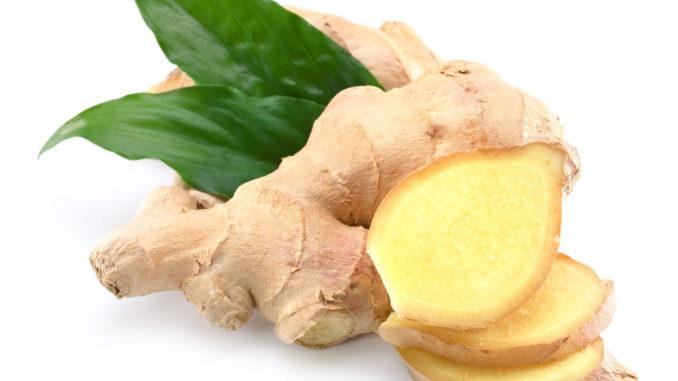
- Yellow
- Green
- Black
- White
- By the shape of the roots
- Flattened
- Elongated
- Rounded
- Growing
- Root preparation
- Choice
- Soak
- Soil preparation
- Landing
- Preparing the container
- Drainage
- Humus
- Soil mixture
- How to plant
- Snow water
- Aftercare
- Watering
- Top dressing
- Planting in open ground
- Selecting a site
- Soil preparation
- Planting diagram
- Ripening time
- Care
- Watering
- Top dressing
- Loosening and weeding
- Protection from pests and diseases
- Light
- Temperature
- Harvesting and storage
- For decorative purposes
- Difficulties of care and features
- Reproduction
- Regional features
- Ural
- Siberia
- Central Russia
- Krasnodar Krai
- Moscow region
- Answers to questions
- Reviews
To the question, How to properly grow ginger at home There are numerous recommendations for growing this plant in open ground at the dacha. It requires certain care guidelines. The plant has a long growth period and can be used as an ornamental.
Root characteristics
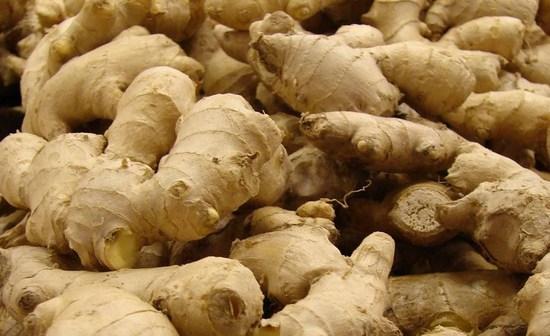
A plant with a fibrous root system. The root has a main shoot and adventitious branches. The plant's bush has green, straight shoots. The root is used as a seasoning and to treat various ailments.
The benefits of ginger root are as follows:
- promotes weight loss;
- normalizes blood sugar levels;
- used against cancerous tumors;
- removes toxins and waste from the body;
- improves immunity;
- has expectorant, diaphoretic, and diuretic properties;
- thins the blood.
The root is used in cosmetology and cooking. The plant belongs to the Zingiberaceae family. Propagation is done using the root, which is then germinated.
Plant varieties
The plant has a large number of varieties that differ not only in appearance, but also in taste.
By regional principle
Depending on the place of mass production, the following plant varieties are distinguished.
Brazilian
The light-colored root has a lemony flavor. It is used in spices and cosmetics.
Jamaican
It has a subtle, fresh aroma and is used for cooking. The roots are white with yellow flesh.
African
The root has a persistent and tart aroma. Its pungent flavor is used to make spices. It is also very popular in perfumery for making essential oils.
Indian
It has a brown color and a lemony aroma. It is widely used in spices and as a flavoring for dishes.
Chinese
Not used in all countries. Contains a large amount of nitrogen.
By the color of the cut and peel
The skin color of the crop may vary. Depending on the species, the roots can range from golden yellow to black. These plants also have distinct flavors, which should be considered when choosing a product.
Crimson
This type of ginger is most commonly found in Malaysia and Thailand. When cut, the plant has yellow flesh. It is most often used as a spice.
Yellow
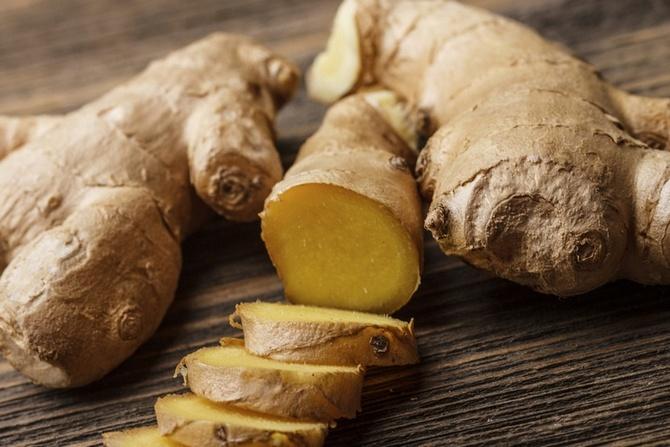
The skin, like the flesh, of this root is yellow. The plant is used for cooking and as a flavoring additive in various prepared foods. It has a pungent, lemony flavor.
Green
The root is considered exotic. It's very rare; when cut, the flesh has a greenish tint with blue veins. It has a distinctive flavor and can be used in spices.
Black
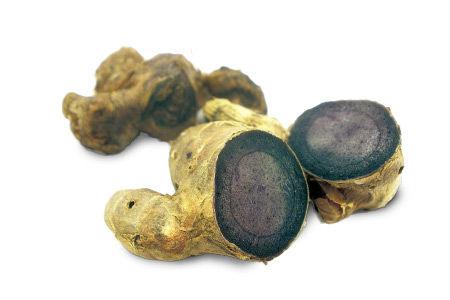
Often called Barbados, it has a dark skin and light flesh. It is most often used to make dried spices.
White
White varieties include roots that have undergone processing. After cultivation, the roots are brushed with special brushes. When cut, the ginger flesh has a light yellow hue.
By the shape of the roots
Ginger varieties can also vary in shape and size.
Flattened
They are elongated and small in size. The root is round, slightly flattened on both sides. The flesh can be yellow or white.

Elongated
These varieties have a pungent flavor. The roots can be thin and elongated. The skin of these roots can be yellow or light brown.

Rounded
Most often, such roots have small, rounded shoots. In some cases, the root resembles a clenched fist.
Growing
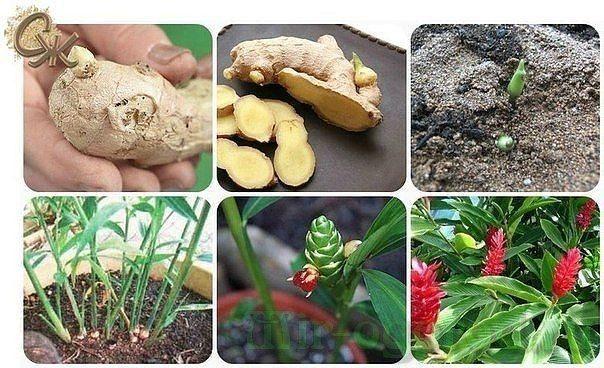
If you follow all the rules, ginger can be grown in almost any region. Ginger is a finicky plant, so be prepared for some challenges. However, with proper care and fertilizing, you can grow this perennial not only in your garden but also indoors.
Root preparation
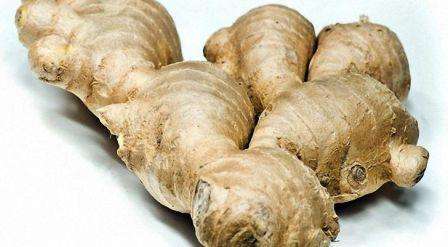
When planting, it is necessary to use a young, healthy root that has no visible damage or signs of disease.
Choice
The root should have a glossy surface and thin skin. Thick skin indicates that the root is old and unsuitable for further use.
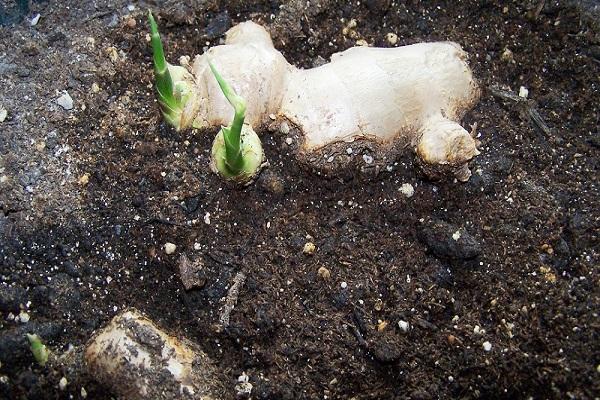
There should also be a bud on the root, from which a sprout will later emerge.
Soak
To accelerate growth, soak ginger root in water for two hours. This will stimulate the plant's buds. Divide the root into sections with buds and soak them in a light potassium permanganate solution for 15 minutes.
Important: To prevent root rot, it is recommended to treat the cut areas with charcoal.
Soil preparation
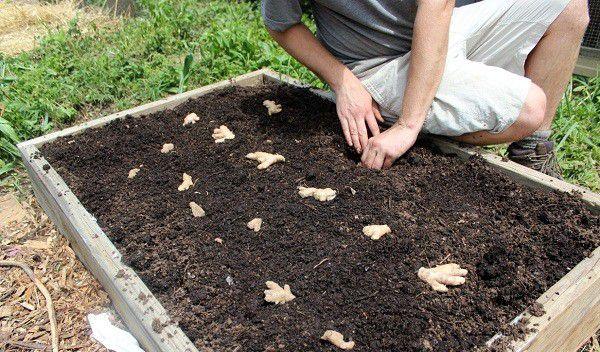
Ginger requires soil rich in nutrients, including phosphorus. To prepare a fertile soil mixture, use 3 parts peat and 1 part clay. If this mixture is unavailable, you can use special soil mixes for seedlings, which are available at any store.
Landing
Before planting the crop, it is necessary to prepare the containers and the place where the seedlings will be located.
Preparing the container
A pot can be used for planting. For large numbers of seedlings, a long box with holes in the bottom can be used.
Drainage
For drainage, use foam plastic, tree bark, or eggshells crushed into small particles. The drainage material is placed in a thin layer at the bottom of the container.
Humus
Place the compost into the container. It should fill half the pot. Compact the layer.

Soil mixture
The remaining space in the pot should be filled with a nutrient-rich soil mixture. However, there should be 3-5 cm of space left at the top of the pot to accommodate the planting material.
How to plant
To plant, make a hole in the pot and place the root ball with the bud facing up. Fill the remaining space with a nutritious potting mix.
Snow water
Place the snow water in a container and let the pot sit there for 10 minutes. After this time, remove the pot and place it on the windowsill.
Aftercare
The pot should be placed in a warm, well-lit location. A special lamp can be used for additional warmth if necessary.
Watering
Ginger prefers moist soil, so watering should be regular. It should be most generous during the hot season, and in winter, water the soil as needed.
Top dressing
After planting, apply mineral fertilizer. Potassium can be added as the seedlings begin to form. Phosphorus supplements are needed to promote inflorescence formation.
Planting in open ground
To ensure ginger sprouts quickly and doesn't die, it's important to choose the right planting location and regularly care for the plant. Ginger is an exotic plant and requires special attention.
Selecting a site
The site should be located in a draft-free area. The plant should receive moderate sunlight.
Ginger does not tolerate direct sunlight, but constant shade will be detrimental to it.
The soil in the area should be moderately moist. Regular waterlogging will kill the plant. The plant beds should be elevated, and the soil should be moderately acidic.

Soil preparation
To harvest, the soil must be thoroughly tilled. A weak solution of potassium permanganate is then sprayed onto the surface to kill any potential pests. The area where the beds will be should be sprinkled with sand and peat and then loosened.
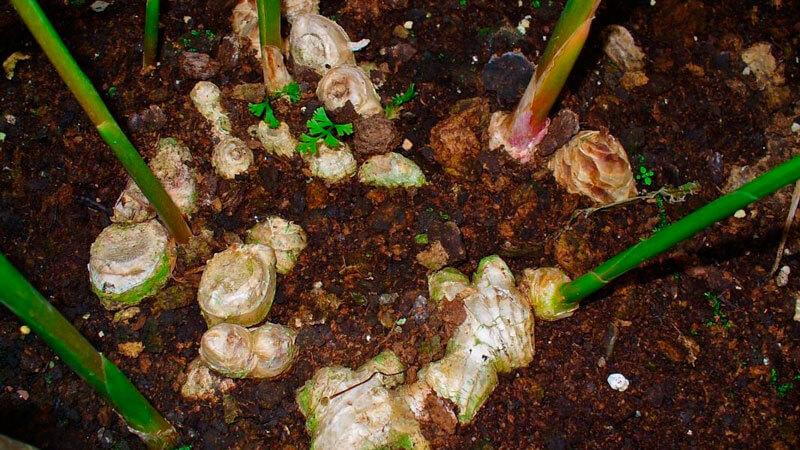
Planting diagram
To land, you need to follow the following sequence of actions:
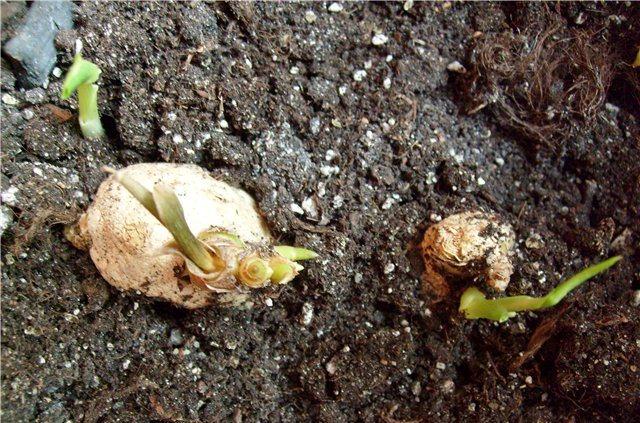
- it is necessary to prepare holes 6-8 cm deep;
- the prepared planting material is placed in the hole with the bud facing up;
- the ginger root is sprinkled with soil and compacted slightly;
- watered with warm water.
The top of the bed must be covered with plastic film, which will act as a greenhouse.
Ripening time
On average, the crop takes nine months to mature. Therefore, planting in the ground should be done as early as possible.
Important: Ginger has a long growing season. Therefore, to obtain a harvest, it is necessary to use seedlings.
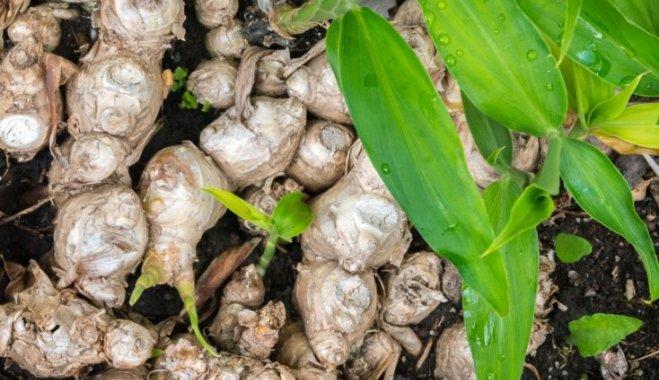
Care
Proper care will reduce the risk of plant diseases and speed up the ripening process.
Watering
After planting in open ground, the seedlings require a lot of moisture to develop. Watering should be done daily; without adequate moisture, the bud may die.
After the first shoots appear, watering is carried out every 2-3 days; if the soil is wet, the moistening process is skipped.
Top dressing
Fertilizer application is carried out as follows:
- every 10-15 days, organic fertilizers are added (most often, mullein diluted with water 1:10 is used);
- after the sprouts appear, potassium fertilizers are added;
- Phosphorus fertilizers are used when forming flowers.
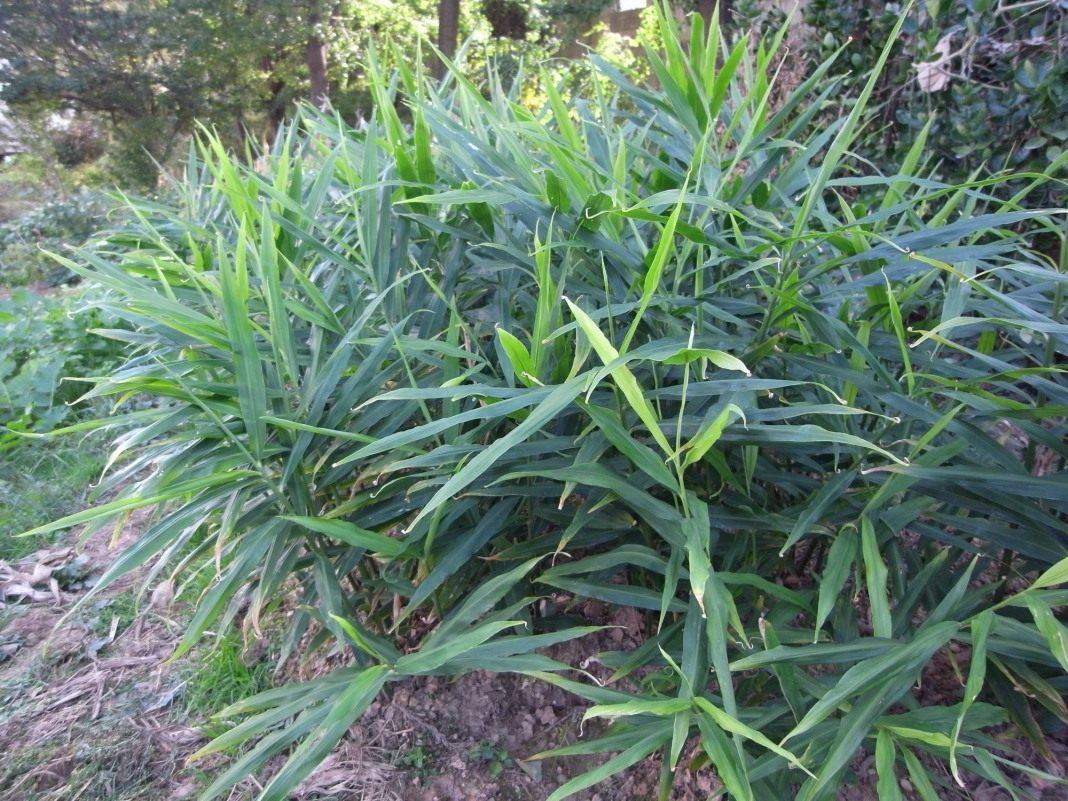
Fertilizers must be applied after watering.
Loosening and weeding
Weeding is done regularly when weeds appear. Weeds growing near the roots must be removed by hand. Loosening the soil reduces the risk of root rot and also oxygenates the soil. Loosening is performed every 3-5 days.
Protection from pests and diseases
Thanks to its vibrant aroma, ginger is rarely attacked by pests and diseases. In rare cases, the following may occur:
- Spider mites are plant sap-feeding spider mites. To remove them, spray the crop; this will strengthen the plant and eliminate the pest.
- Root rot is caused by improper care. To resolve the problem, loosen the soil and add wood ash. In advanced cases, saving the plant is impossible.
 To prevent diseases, it is necessary to regularly inspect the plant for damage and take necessary measures in a timely manner.
Light
The plant should be exposed to direct sunlight for no more than 5-6 hours without interruption. Partial shade is recommended for the remainder of the day.
Temperature
For sprouts to emerge, the temperature must remain constant at at least 20 degrees Celsius. Therefore, it is recommended to use plastic bed covers. During growth, the air temperature must remain at least 25 degrees Celsius; otherwise, the plant will stop developing.
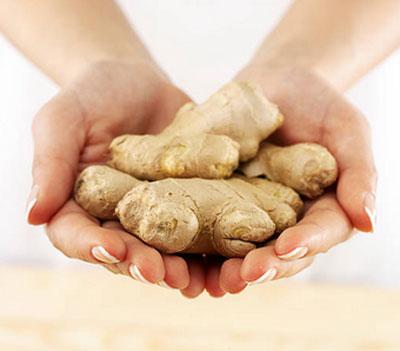
Before the ripening period, the temperature can be lowered to 15 degrees, this will allow the plant to enter a dormant stage.
Harvesting and storage
Under normal conditions for ginger, ripening occurs after the leaves turn yellow.
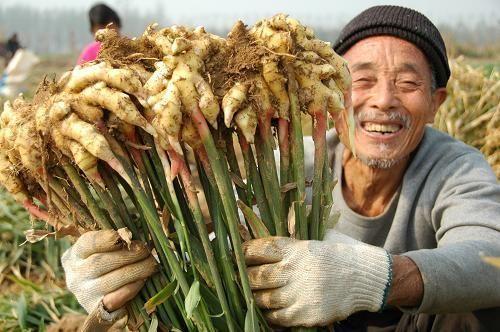
However, in our regions, the harvest is collected in early November, when the plant can no longer grow and develop.
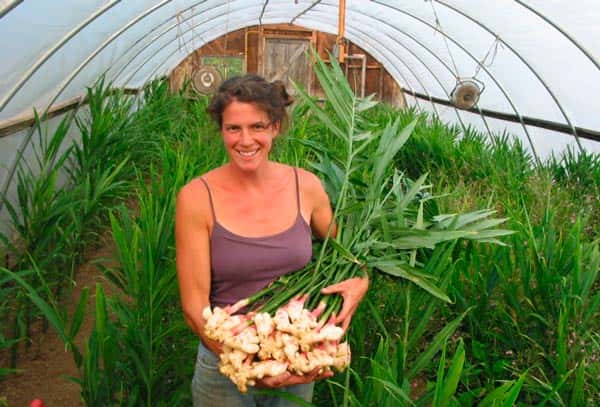
After the roots are dug up, they are washed with water to remove any soil particles. The peeled ginger is wrapped in a paper towel and placed in a paper bag. These packages should be stored in the basement or in the refrigerator's vegetable drawer.
For decorative purposes
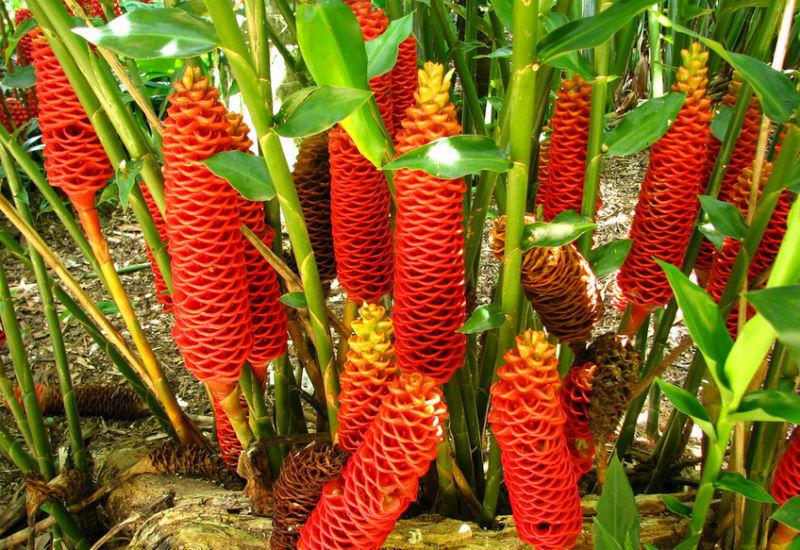
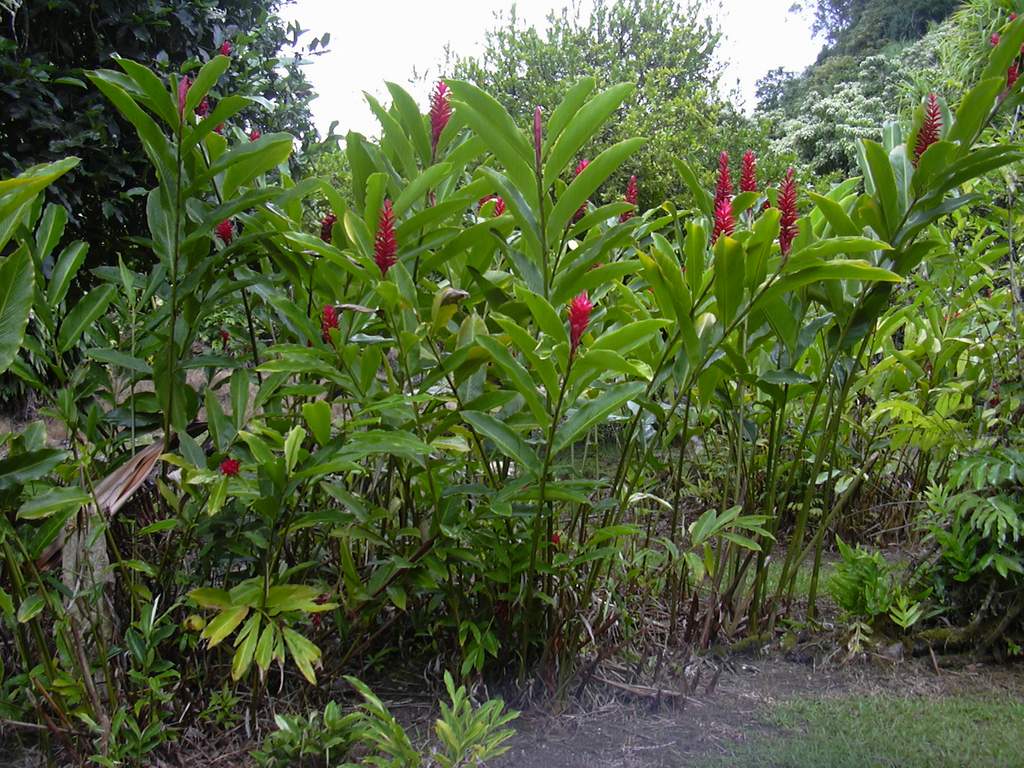
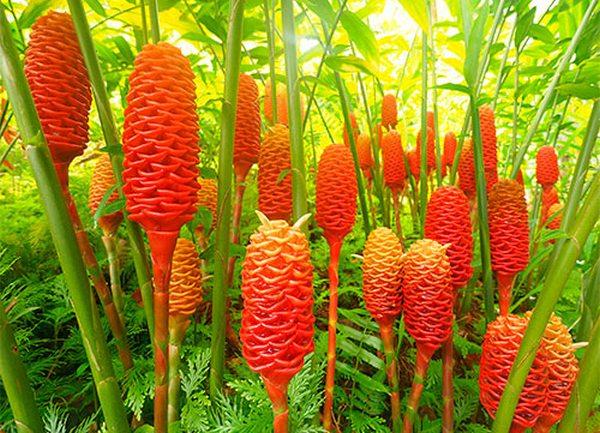
Depending on the variety, ginger is distinguished by attractive inflorescences, brightly colored flowers, and a pleasant lemon scent. Flowerbeds of this tropical plant are often seen in gardens. Furthermore, it is undemanding in its surroundings and can be used in compositions.
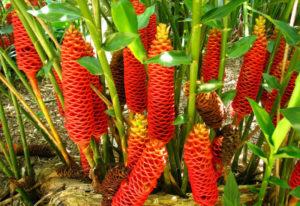
Important: When growing the plant as an ornamental, the roots are not dug up for the winter but left in the soil.
Difficulties of care and features
Greenhouses are most often used for growing crops, as roots planted in the ground can take a long time to germinate. In a greenhouse, the gardener maintains the necessary temperature for plant growth.
It's also important to regularly monitor soil moisture; insufficient water will kill ginger. The plant grows tall, reaching up to 1 meter, so windowsills aren't the best location.
Reproduction
Propagation is done by root cuttings, selecting an undamaged specimen. The root is soaked in water and divided into small pieces, each containing a bud.
Regional features
Growing crops in different regions may have its own characteristics that must be observed.
Ural
Growing ginger in the Urals is possible. It's recommended to start the crop in seedling containers in March. Planting in the ground doesn't take place until May, and the crop is covered with plastic wrap until warmer weather arrives.
Siberia
In this region, planting roots in seedling containers begins in mid-March. The plant can be transplanted into the ground under plastic film once the temperature reaches 20 degrees Celsius. However, gardeners recommend growing ginger in a greenhouse.
Central Russia
In the middle zone, the crop matures within 7-8 months, so the roots can be planted in open ground after the air temperature reaches 20-25 degrees.
Krasnodar Krai
We grow ginger in this region in greenhouses; in May, the seedlings are planted in open ground.
Moscow region
The crop is planted outdoors in April and covered with plastic film. It can be grown on windowsills and in a greenhouse throughout the year.
Answers to questions
Is the garden suitable for cultivation culture?
Growing the crop in the garden is possible; ginger feels good in the shade, but it is necessary to maintain a distance of at least 2-3 meters between trees.
 Correct Neighborhood of ginger in the garden?
The plant isn't picky about its neighbors. It's important to divide the garden into sections correctly and select plants whose roots aren't located on the surface; otherwise, the plant will suffer from nutrient deficiencies. Ginger, in turn, will repel pests from other crops thanks to its scent.
Reviews
Marina Nikiforova, 43, Oryol: "Ginger is a useful plant. I regularly grow it on my windowsill. Besides its attractive appearance, it adds a fresh scent to the apartment. The roots are small."
Nikolai Artemyev, 56, Odessa: "My wife and I grow ginger at our dacha. We prepare seedlings on the windowsill, then plant them in the ground. It's a beautiful plant with red flowers. The young shoots can be used in salads; they have a delicate lemon flavor."
Ginger contains many beneficial components. It can be used as a spice or as an immune-boosting supplement. Proper care can help you grow this tropical plant at home.
Related posts:
 How to use ginger for weight loss at home
 How to properly freeze ginger at home in the freezer for the winter and is it possible
 The beneficial properties and harm of ginger for human health, medicinal use of the root
 The benefits and harms of ginger for the female body, medicinal properties and contraindications
 What ginger looks like and where it grows in Russia, description of species and cultivation
 The beneficial and medicinal properties of ginger for men, possible harm and contraindications
 How and where to properly keep ginger root fresh at home
 Growing ginger from root at home and plant care recommendations