
Eastern drinks and dishes are given a unique flavor by using unique spices and seasonings, including the seemingly unassuming ginger root. You can use ground ginger, which is available in any supermarket, but its taste and aroma are significantly different from fresh ginger.
Using the entire root at once is impossible, as only a small portion is required for culinary masterpieces. This raises the question of how to properly store ginger at home so it can be used again. There are several proven methods for this purpose. The shelf life of ginger rhizomes depends entirely on the chosen storage method and the quality of the product.
Methods for storing fresh root
Only fresh ginger, free of visible defects and obvious signs of spoilage, should be selected for storage. It can be stored along with other preserved vegetables in a low-humidity cellar, with the temperature maintained between 0 and +4°C. C. Wrap it in aluminum foil or baking paper to protect it from light and store it in a cool place. It is recommended to store fresh ginger in these conditions for up to six months.
Every 14 days, the supplies are rearranged and inspected for mold or rot.
Ginger can also be stored in the refrigerator. To do this, wrap the root in a cellulose bag and place it in a vegetable drawer. This way, it will retain its properties for at least a week.
To maximize shelf life, you should:
- select the freshest, unpeeled roots that do not show signs of spoilage or significant damage;
- carefully wipe the root vegetable with a thick paper napkin or towel;
- wrap each root separately in a regular napkin;
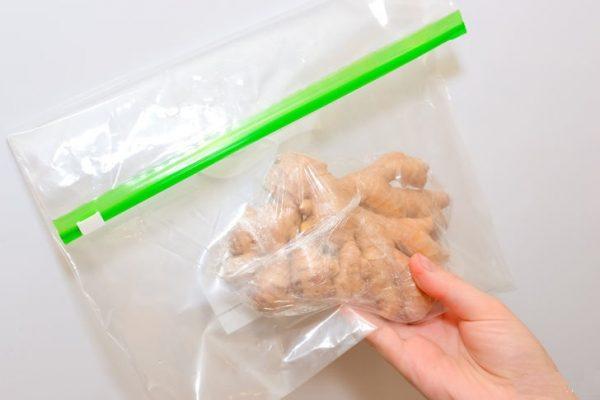
- Place root vegetables, wrapped in regular napkins, in cellophane bags with special fasteners, removing the air from them beforehand;
- The root must be kept in a vegetable drawer.
The peeled root should be cut into small pieces and placed in a glass or ceramic container. Then, add vodka, cooled boiled water, or strong wine and store in a cool place. Ginger rhizomes can be stored in water for up to 30 days, and in vodka and wine, for twice as long.
To freeze or not to freeze
Storing ginger in the refrigerator is recommended only for short periods of time. Freezing can extend its shelf life, although this is not a good option for preserving. To keep ginger fresh, you will need:
- scrape the skin off the rhizome with a sharp knife;
- cut the root into thin slices, strips or grate on a coarse grater;
- place the prepared product into containers or special bags for freezing small volumes;
- put in the freezer.

This type of frozen food does not need to be defrosted even before using it for culinary, confectionery or beverage purposes. The shelf life is up to one year, the taste is completely preserved, but all the beneficial components evaporate. This is why housewives prefer to set aside some free space in the refrigerator and not freeze ginger rhizome.
We process and store
It's not always possible to store fresh ginger at home; sometimes it needs to be processed quickly. The best way to preserve ginger is by one of the following methods:
- pickling;
- preparation of alcohol infusion;
- alcohol tincture;
- preparing a decoction.
To make the pickled mixture, peel 350g of ginger root, then cut into thin rings and place in a glass jar. The marinade is prepared using the following ingredients:
- 6 tbsp. sugar;
- 4 tsp salt;
- 0.5 tbsp. rice vinegar.
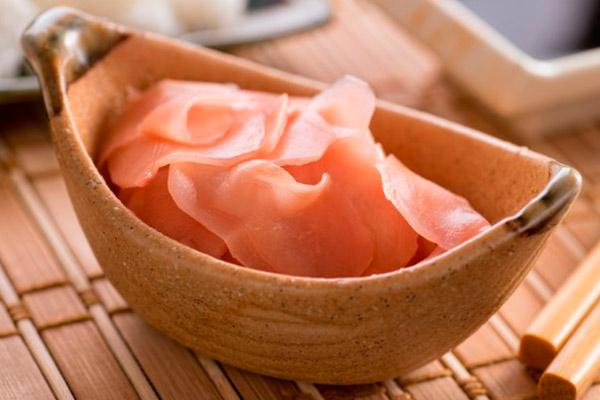
Boil the marinade, pour it over the prepared root vegetable, and cover with a lid. Store in the refrigerator for about three months.
An alcohol tincture is prepared from unpeeled rhizomes (40 g), which are crushed and placed in a dark glass container. 250 ml of pure alcohol of at least 70% strength is added. This mixture is left to steep for a couple of weeks, after which it is used to treat ailments, diluted with distilled water in a ratio of 1:4.
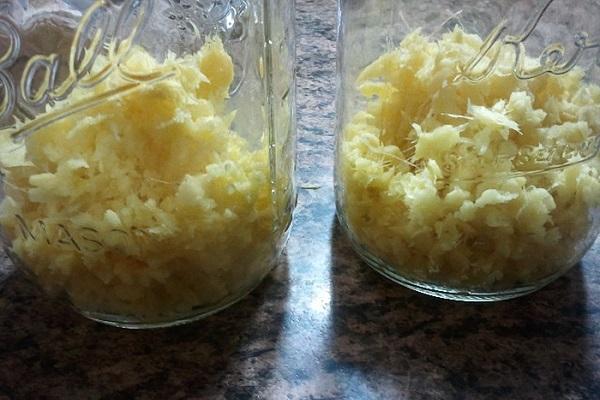
Whole peeled ginger rhizomes are infused in any strong spirit (such as sherry, vodka, or rum). A glass or ceramic container is required. The infusion can be stored in a cellar, pantry, or basement for a very long time. It can be used in both cooking and baking.
The decoction has the shortest shelf life—only a few hours. It is prepared just before use. Cut a 5-cm-long piece of ginger root into small pieces, add a glass of clean water, and simmer in a double boiler for fifteen minutes, keeping the lid on. Simply remove the decoction from the stove and let it cool.
Dry storage
If you have a large amount of rootstock, it's a good idea to prepare dried ginger from it. Since dried ginger is neither heated nor frozen, it retains all its beneficial properties. Refrigerators and freezers are often tight on space, so storing dried ginger saves space.
You only need to perform the following operations:
- wash the root to remove dirt and any plaque that has formed;
- Using a sharp knife, carefully scrape off the skin;
- cut the ginger into thin rings or strips (try to make them transparent);
- cover a baking sheet and spread the chopped root on it in 1 layer;
- put it in the oven to dry for 60 minutes, preheating it to 50 WITH;
- take out the sheet and turn all the pieces over to the opposite side;
- Place in the oven for another 60 minutes.
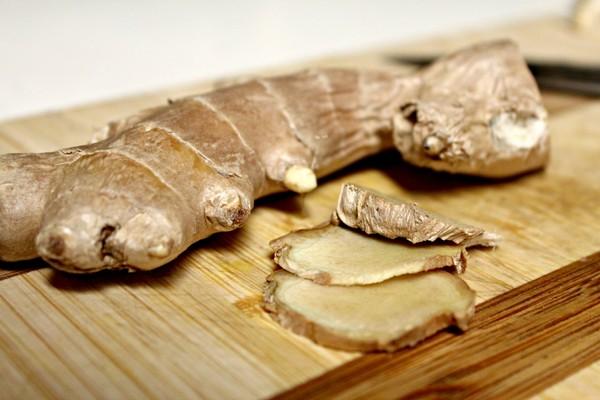
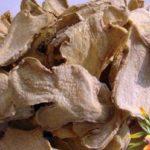
Can dry ginger and naturally. To do this, the slices are laid out on a flat surface and left for several days in a dark, well-ventilated area. This preparation breaks easily and can be stored whole or ground into a powder.

How long ginger can be stored depends directly on the chosen storage location. It retains its properties for up to six months in a tightly sealed glass or ceramic container under standard home conditions, while its shelf life in the refrigerator increases to two years.
As an additive to desserts and drinks
Ginger is used as a dessert additive by finely chopping the rhizome and adding honey. An alternative option for those who abstain from sweets is to add lemon juice. After preparing this interesting combination, it is added not only to desserts but also to winter sauces for meat dishes and drinks. This ginger should be stored for no longer than 14 days and should be kept in the refrigerator.
To strengthen the body's defenses in winter and during the transitional period, the root is prepared using the following method:
- 120 g of peeled rhizome should be grated on a fine grater;
- Peel 4 medium lemons and cut them into small cubes;
- mix everything in one bowl and grind using a blender;
- Pour into a glass or ceramic container and mix with 250 g of honey.
This preparation is stored exclusively in the refrigerator.
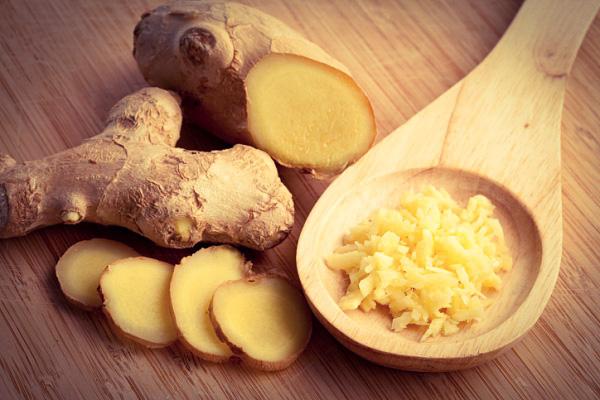
Storage in the ground
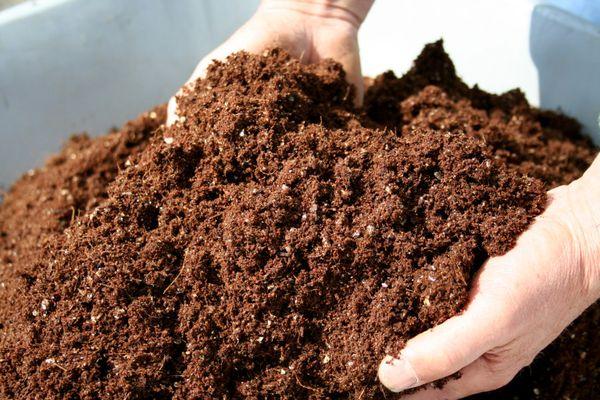
Unpeeled ginger roots are stored well in a nutritious soil mixture, for the preparation of which you will need:
- humus;
- peat;
- coarse river sand.
All ingredients are taken in equal proportions. The ginger roots are placed in a prepared box or pot, covered with potting soil, and stored in a basement or pantry. The prepared ginger root should be stored in a cool, dark place. Stored in a bright, warm place, the root will sprout and produce a good harvest of herbs, which are also recommended for use in salads and tea.
Making candied fruits
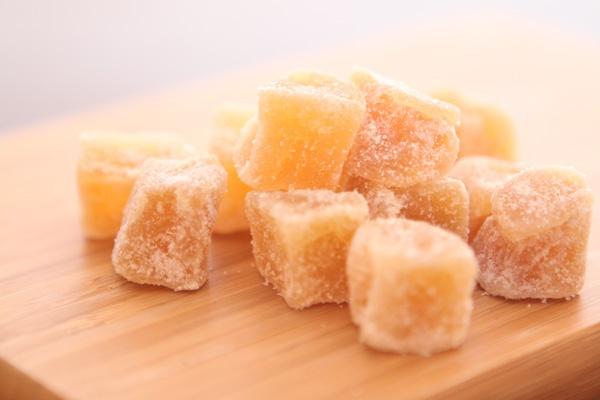
Chopped ginger root is used to make a favorite delicacy—candied ginger. The preparation process is as follows:
- 250 g of root, peel and cut into small pieces;
- pour the ginger into a suitable container, add 0.5 liters of clean water and simmer for 60 minutes;
- cook syrup from half a glass of water and 220 g of granulated sugar;
- discard the boiled root vegetable into a sieve or colander and wait until it drains well;
- pour the pieces into the syrup and simmer for another 60 minutes until they become transparent;
- lay out a sheet and spread the boiled ginger in 1 layer;
- dry the candied fruits in a preheated oven at 40 From the oven;
- the baking sheet is removed and each slice is turned over to the other side;
- place in the oven for a little while longer;
- take out and roll in granulated sugar or powdered sugar.
Candied fruit prepared according to this recipe can be stored in a tightly sealed ceramic or glass jar in the refrigerator for up to one month. It has been shown to relieve nausea and is used to prevent motion sickness.
Take a look Also
The right purchase is half the battle
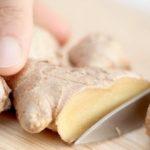
Ginger sold in supermarkets has the appearance of a dense rhizome with a thin skin. It can be almost black or whitish in color. This doesn't determine the freshness of the root, but rather reflects its pre-processing method. Mechanical peeling and rinsing under clean water preserves ginger's natural dark color. When treated with solutions containing chlorine, the root crop acquires a whitish color.
The purchased product must be high-quality and fresh. This affects how well it retains its original flavor, aroma, and beneficial components. The fresher the ginger, the longer its shelf life at home.
Its quality is determined by the following parameters:
- Ginger rhizome has a dense texture;
- ginger is quite heavy;
- no rot, plaque or mold;
- the skin is thin and smooth;
- the root has no visible damage, the color is uniform;
- the rhizome is of regular shape, smooth and dry;
- The juicy and dense pulp is colored greenish-yellow or dark yellow.
You should think about how to store purchased ginger and how fresh it is while you're still in the supermarket. Otherwise, you'll be disappointed not only with its taste but also with its shelf life.
Possibilities of use
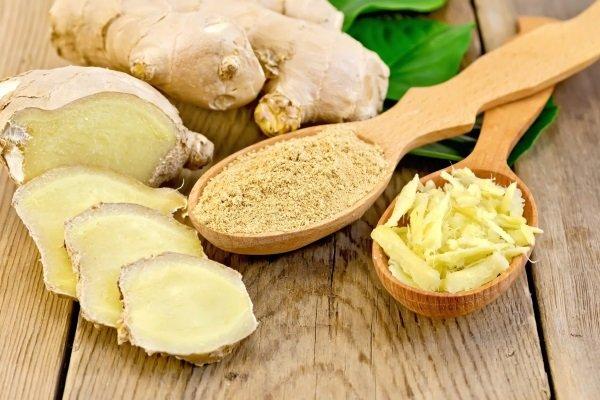
How you store ginger at home determines how you use it. Here are some common ways to use ginger preserves:
- dried and fresh roots are used as spices for meat and fish dishes;
- the root vegetable ground to a powdery state becomes an ingredient in confectionery;
- grated frozen or fresh rhizome is added to alcoholic or non-alcoholic drinks;

- dry or marinated pieces will come in handy when preparing sauces or marinades;
- dry crushed ginger is used to prepare mixtures of seasonings and spices;
- pickled preparations are used to make salads;
- Thin slices of ginger root, prepared as candied fruit, increase appetite, relieve nausea and improve digestion.
Thanks to its abundance of beneficial components, ginger rhizome has also found use in folk medicine. It helps boost the body's defenses during the off-season, normalizes hormonal levels, stabilizes mental health, and improves metabolism. Ginger is also effectively used in the fight against cancer.
Related posts:
 How to grow ginger in the open ground at your dacha, planting and care
 How to use ginger for weight loss at home
 The beneficial properties and harm of ginger for human health, medicinal use of the root
 How to properly freeze ginger at home in the freezer for the winter and is it possible
 The benefits and harms of ginger for the female body, medicinal properties and contraindications
 The beneficial and medicinal properties of ginger for men, possible harm and contraindications
 What ginger looks like and where it grows in Russia, description of species and cultivation
 How to properly dry ginger root at home using an oven, electric dehydrator, or air fryer