
- Beneficial properties of ginger
- Is it safe to consume ginger in early and late pregnancy?
- In what cases is ginger recommended for pregnant women?
- Contraindications and restrictions
- How to properly consume ginger during pregnancy
- Ginger tea for toxicosis and colds
- Pickled ginger
- Ginger for cough
- Helpful video: Ginger tea recipe
Ginger during pregnancy helps relieve certain illnesses and side effects, such as acute respiratory infections, flu with all its attendant symptoms, and morning sickness. It contains a large amount of salts and vitamins essential for a successful pregnancy. However, not all preparations made from the brown rhizome are recommended for pregnant women.
Beneficial properties of ginger
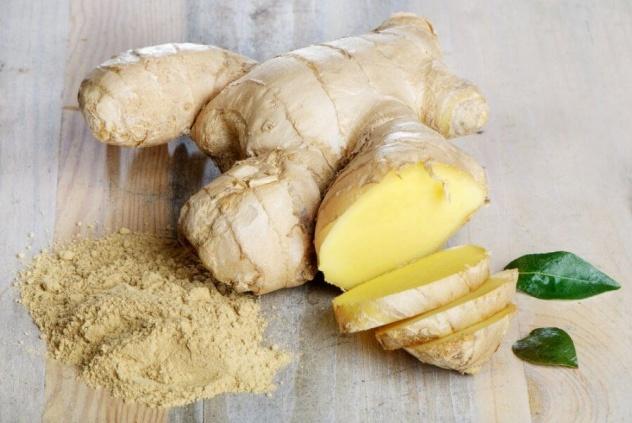
Ginger is used during pregnancy not only as a preventative measure but also as a natural remedy. What are the benefits of this seemingly inconspicuous root with its pungent taste and strong, distinctive aroma? First and foremost, it has a strong tonic effect, boosts energy, and improves mood.
In addition, the composition of ginger allows for other positive effects:
- eliminates spasms associated with uterine tone in the initial stage;
- has an antispasmodic effect, thereby eliminating migraines and headaches;
- promotes good digestibility of food;
- has an antihistamine effect;
- the product is not an allergen;
- If you add honey and lemon to tea with ginger, you can calm your nerves and improve blood circulation.
Ginger contains a high amount of vitamins, making it indispensable during the height of the cold and flu season. With the help of essential oils contained in the chemical composition, you can strengthen your own immunity and overcome infectious diseases more quickly, as well as ease their progression.
Is it safe to consume ginger in early and late pregnancy?
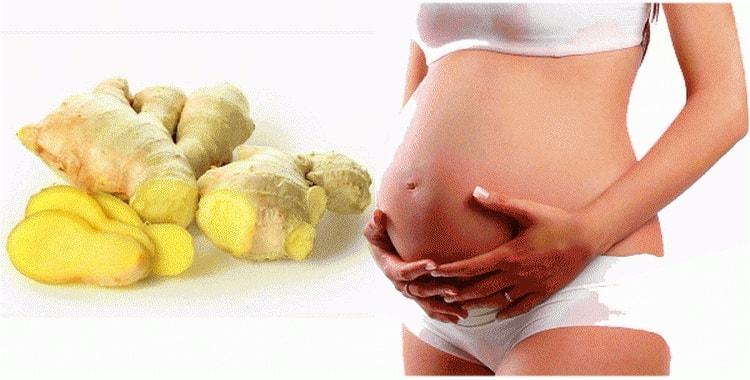
During early pregnancy, ginger is absorbed significantly better by the expectant mother's body than synthetic medications. However, it's important to avoid overdosing and closely monitor for side effects.
Women in the early stages of pregnancy often have to cope with sudden bouts of nausea.
Ginger tea can help regulate stomach and intestinal function and relieve unpleasant morning symptoms. Morning sickness typically subsides as the second trimester progresses. The second trimester is characterized by a worsening of chronic medical conditions rather than nausea.
If you have heart or vascular problems, or cystitis, it's best to avoid ginger or use it with extreme caution. The third trimester of pregnancy is considered the healthiest period. The third trimester marks the time when expectant mothers can return to their normal diet. Ginger root during this period helps stabilize metabolic processes in the body's transition, relieves insomnia, and calms the nerves.
The health of the expectant mother's blood vessels is of great importance. If she is prone to hypertension or other heart problems, it is best to avoid consuming this medicinal plant.
In what cases is ginger recommended for pregnant women?
The benefits and harms of ginger Folk healers and traditional healers have studied this spice very well since ancient times. It's no longer a secret that this spice is widely used in cooking. Recommendations for its use can be found in cuisines around the world. For expectant mothers, this miraculous remedy has a positive effect by helping combat the unpleasant symptoms of morning sickness in the early stages.
Ginger root is equally valued for its calming effect on the nervous system. Pregnant women also often experience serious stomach and intestinal problems, which this miraculous plant can also help address. Thanks to its rich chemical composition, it is used to relieve leg swelling and as a natural antispasmodic.
Hot tea, to which a little grated fresh ginger root is added, is used as an effective remedy against seasonal colds.
Contraindications and restrictions
Ginger root can sometimes have more than just positive effects during pregnancy. Like any herb with medicinal properties, it has limitations and contraindications. Pickled ginger often causes bloating and excessive gas in the intestines, as well as digestive problems due to the vinegar in the marinade.
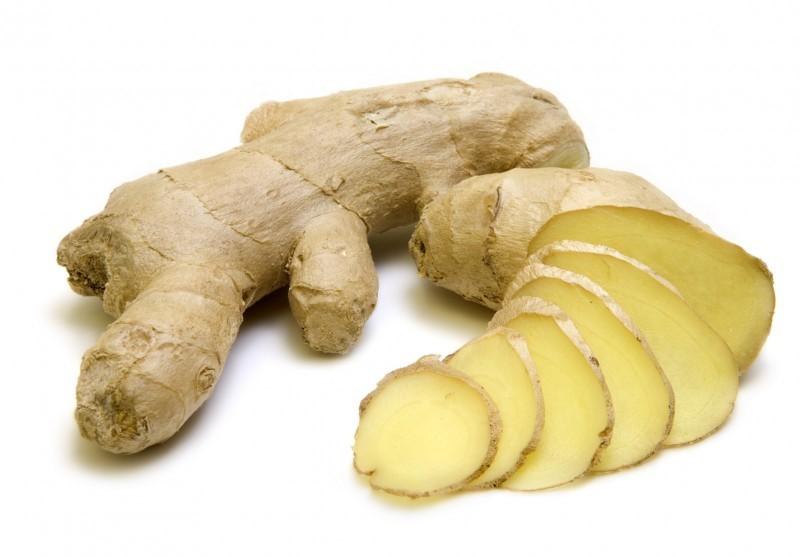
Also, expectant mothers should play it safe and avoid eating rhizomes in the following cases:
- in acute cases of colds;
- if detected in the acute stage of liver disease;
- if there is clogged blood vessels or a congenital tendency to hypertension;
- when heart disease is detected;
- in the presence of hemorrhoids.
If a mother-to-be wants to give birth to a healthy child, it is better not to risk her own health and avoid eating pickled ginger.
How to properly consume ginger during pregnancy
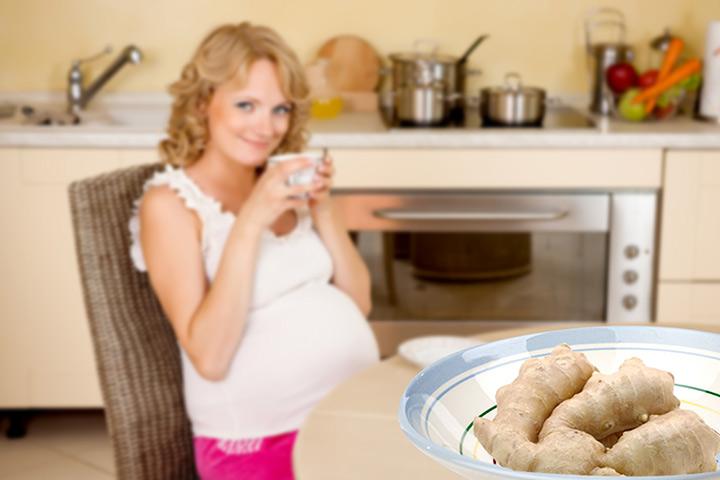
During pregnancy, ginger tea can easily replace valerian or motherwort, which doctors prescribe for relaxation or sedation, but which are essential for expectant mothers. To make it, simply take 50 grams of peeled ginger rhizome and steep it in one cup of boiling water, then let it steep for 20 minutes. The resulting infusion shouldn't be strong. If there are no contraindications, you can add a slice of lemon and a little honey.
Ginger tea for toxicosis and colds
Nausea associated with morning sickness disrupts a woman's daily routine, forces her to change her daily routine, and causes a host of other inconveniences. The same thing happens with a cold. Thanks to its blood-thinning properties, ginger helps pregnant women navigate the first trimester more easily.
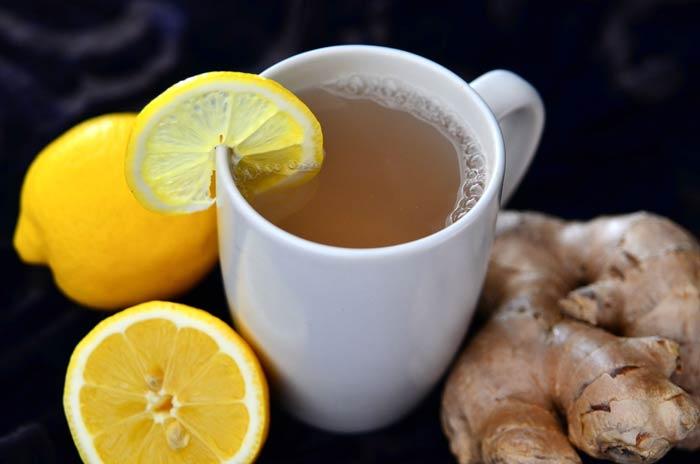
When treating a cold, you can drink up to 1 liter of this medicinal decoction per day. Make a fresh batch each time. This remedy also helps with coughs, sore throats, and other symptoms of seasonal colds. The effect of this remedy is enhanced by adding a little honey or a slice of lemon. It is forbidden to drink ginger tea if you have a significantly elevated body temperature!
Pickled ginger
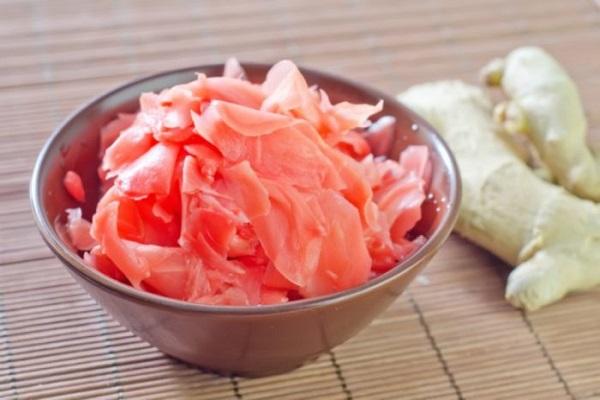
Pickled ginger for pregnant women has generated mixed reviews from both mothers and doctors. Clearly, it retains all its beneficial properties and components in this form, while having a milder flavor. However, the ingredients used in preparing the rhizomes as a seasoning are not recommended for women preparing for childbirth. These ingredients include vinegar.
Pickled ginger is safe for pregnant women, but should be consumed with extreme caution and in very small quantities. Otherwise, bloating, increased gas, and other typical symptoms may worsen your condition. It's best to use it daily, in small amounts, as a complement to sushi or other favorite dishes.
Ginger for cough
Using ginger for colds during pregnancy helps clear mucus from the lungs and relieves a sore throat. To prepare the remedy, peel the root and grate it. Pour 1 liter of hot water over the resulting mixture and bring to a boil. Let it steep for 20 minutes, then strain, mix with lemon and honey, and drink in small doses throughout the day.
Helpful video: Ginger tea recipe
Ginger tea for relieving the symptoms of seasonal colds or flu is prepared using the following technology:
- A thin layer of skin is removed from the rhizome using a sharp knife.
- The peeled root is grated on a coarse grater.
- Mix this mixture with two tablespoons of honey, a small amount of cinnamon, cloves, and add a little nutmeg.
- Pour 1 liter of hot water into the resulting mixture, put on fire and bring to a boil.
- The finished drink is left to cool, then strained and consumed.
You can learn more about the process of making ginger tea from the video.
Related posts:
 How to grow ginger in the open ground at your dacha, planting and care
 The beneficial properties and harm of ginger for human health, medicinal use of the root
 How to use ginger for weight loss at home
 How to properly freeze ginger at home in the freezer for the winter and is it possible
 The beneficial and medicinal properties of ginger for men, possible harm and contraindications
 The benefits and harms of ginger for the female body, medicinal properties and contraindications
 How and where to properly keep ginger root fresh at home
 What ginger looks like and where it grows in Russia, description of species and cultivation