
Gardeners often ask: can ginger be frozen at home? Will the root's distinctive flavor and beneficial properties be preserved when stored in a regular freezer?
Prices for this spicy root fluctuate seasonally. Therefore, gardeners are tempted to buy large quantities at once and prepare dishes as needed. But the problem immediately arises: how to preserve the spice over time.
Some gardeners pickle the spice. However, this method makes it impossible to add ginger to baked goods and drinks. Dried ginger It's difficult to prepare as a side dish. Freezing the product is the optimal way to store the root.
How to choose ginger
Gardeners want to freeze high-quality roots. When defrosted, they should retain their spicy flavor and distinctive aroma. To achieve this, they need to choose the right spice.
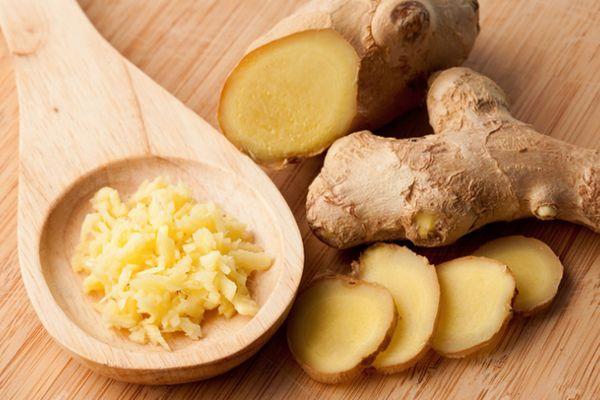
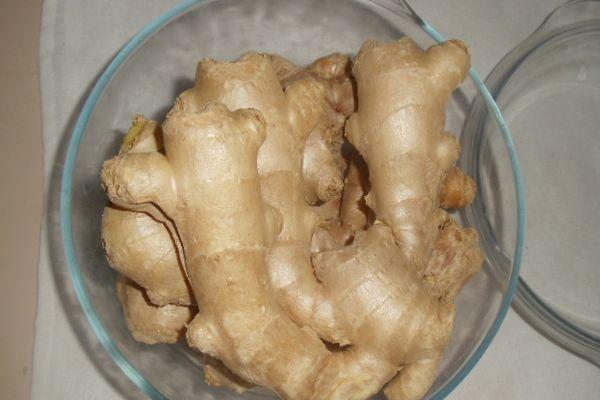
Only fresh ginger should be frozen. To determine its freshness, carefully inspect the product. Fresh ginger:
- has a bright aroma;
- releases juice when broken;
- does not have clearly defined growth points;
- has a whole dry skin of a characteristic grey-golden colour.
Fresh ginger root feels firm and elastic to the touch. It has no dark spots that give way when pressed.
When purchasing a spice, inquire about the origin of the plant. Asian varieties have a distinctive ginger aroma and affect shelf life. Asian ginger has a distinctive honey-colored peel. It has a strong scent even when undamaged.
How to peel ginger
Before freezing, ginger should be thoroughly washed with water and a brush. Then, the spice should be peeled. There are some simple steps to do this:
- The root is scraped off with a regular teaspoon. The area of skin removed at a time is small. Removing the skin completely will take a long time.
- The spice's surface is peeled with a regular knife, removing any thicker skin at a time.
- Ginger is peeled with a vegetable peeler. These tools come in a variety of shapes, so you can find the one that's most comfortable for you.
- A unique method for removing the skin from the root is to use a dish sponge. Use only new metal sponges. Soak the ginger in cold water for 10 minutes. Then wipe it dry with the sponge. Throw away the sponge after use.
- A variation on the metal scrubber is a nylon brush with stiff bristles. After soaking, scrub the product with the brush until the skin is completely clean.
Whatever method the gardener uses, the main thing is to obtain a perfectly clean surface before freezing.
What kind of ginger can be stored?
It's recommended to use only healthy, fresh ginger for freezing. The roots should be firm and have a distinctive aroma. The skin should be free of damage and dark spots.
The appearance of clearly visible growth points indicates that the ginger was harvested long ago. It has been stored long enough and is ready to sprout. This product should not be frozen.
If the root smells damp or moldy, it was stored in improper conditions and has gone bad. It is forbidden to freeze it or use it as food: mold fungi can cause severe poisoning..
What to freeze in
Various packaging options are used for freezing ginger. It can be frozen in tightly sealed food-grade containers. Plastic containers with appropriate labels are suitable for this purpose. They are easy to stack when freezing large quantities. This saves freezer space.
Owners of large freezers prefer to freeze peeled ginger whole. When doing this, it's best to wrap it in foil. Then, to prevent freezing, place it in a plastic bag.
For packaging portions of prepared foods, it's convenient to use plastic food wrap. You can wrap the product several times. It's important to avoid any gaps.
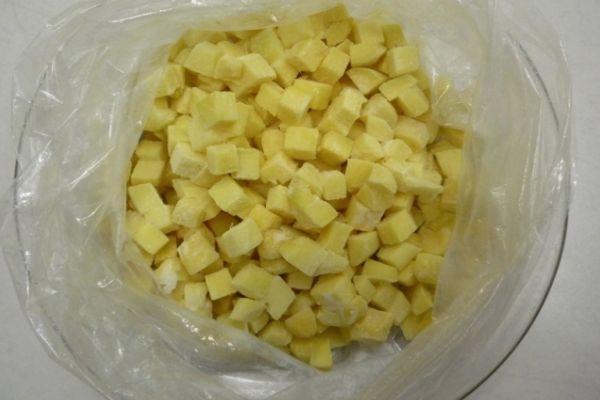
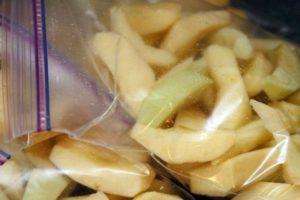
Some gardeners freeze sliced ginger, wrapping it in foil in individual portions. These frozen portions are then placed in a plastic bag or container.
It is important to remember: properly packaged ginger retains its beneficial properties and taste when frozen.
Freezing
Freezing is one of the possible ways to preserve food for a long time. Freezing preserves the maximum amount of vitamins (especially vitamin C). Individually frozen foods are convenient for preparing side dishes, sauces, baked goods, and drinks. Freezing takes much less time than other types of preserving.
To preserve the flavor and nutrients, frozen ready-to-cook products should be frozen using the "quick freeze" setting. After 1-2 hours, switch the freezer to the normal setting. Store frozen ready-to-cook products at a temperature no higher than -18°C.
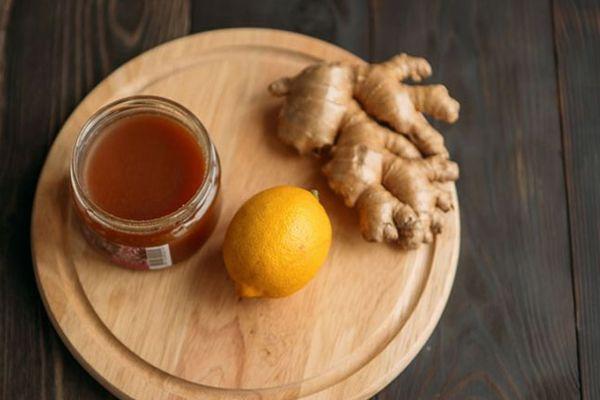
To obtain high-quality ginger, you should follow the general rules for freezing:
- the root is frozen for the winter to prepare dishes and drinks in small portions;
- Re-freezing defrosted ginger is prohibited;
- Frozen ginger should be stored at a temperature no higher than minus 18 degrees Celsius.
It is important to remember that the shelf life of the root depends on the freezing method: frozen whole should be stored for no more than 2 months, wrapped in foil and placed in a plastic container - up to 4 months.
Freezing the whole root
This freezing method is preferred by owners of large freezer spaces. Healthy ginger root should be washed, dried, and peeled. The peeled ginger is then wrapped in foil and placed in the freezer. This product will keep for 1-2 months.
Take a look Also
To extend the frozen shelf life to 3 months, wrap the root in foil and place it in an airtight container, such as a bag or container. This method of packaging preserves the nutritional and flavor properties of the product. However, the time saved on freezing will have to be spent on processing before final use.
Freezing sliced ginger root
Gardeners are wondering if any type of ginger can be frozen. Healthy, fresh root can be frozen in any form.
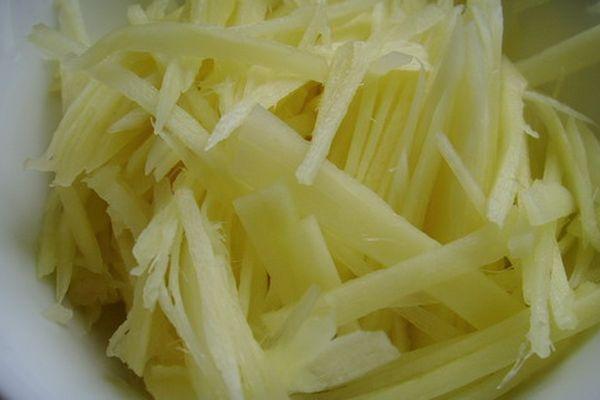
Gardeners often prefer to freeze sliced, peeled ginger. It's convenient for adding to garnishes or using in drinks. Freezing the root follows these guidelines:
- wash and peel the product;
- cut into random pieces: slices, sticks, strips (you can use a decorative cutter);
- Place the pieces in piles on a parchment-lined plate;
- cover the top with cling film;
- place in the freezer for 1-2 hours;
- then remove the film and transfer the piles into a plastic bag or food container.
Ginger prepared using this freezing method can be stored for up to 1 year. It's important not to exceed the maximum freezing temperature of -18 degrees Celsius.
Freezing grated ginger
Sometimes it's convenient to freeze grated ginger. It takes up little space and is easy to use.
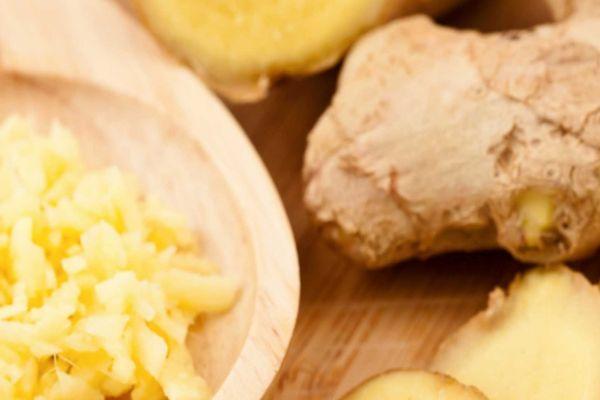
How to proceed:
- clean the spice and grate it on a coarse grater;
- line a plate with baking paper or parchment;
- Using a spoon, carefully place the grated product on a plate;
- cover the top of the dish with cling film (to preserve freshness);
- place in the freezer for 2-3 hours;
- remove the plate, transfer the piles into a bag, and release the air by pressing.
Frozen ginger retains all its beneficial properties. It's convenient to take it individually and add it to baked goods or hot dishes. An additional benefit of this method of freezing is its maximum shelf life of one year.
How to Freeze Ginger for Long-Term Storage
Often, frozen semi-finished products are used solely as raw materials for making medicines. In this case, shelf life is crucial. It's important not only to produce a delicious drink but also to cure a cold. Long-term frozen storage should preserve the beneficial properties.
When buying a large batch of a product and then freezing it, you want to ensure a decent-tasting semi-finished product. Dishes prepared from frozen food should be indistinguishable from those made from fresh food.
It's a shame to waste time and money only to end up with something worthless from frozen spices. That's why it's essential to prepare high-quality frozen spices.
Some gardeners want to preserve frozen produce until the next harvest. They're wondering how to freeze ginger at home so it lasts a year.
Take a look Also
The following recommendations should be followed:
- choose only fresh and healthy roots;
- wash and clean the product thoroughly;
- Store frozen food in double sealed packaging;
- prepare the semi-finished product immediately before freezing;
- For freezing, use only food foil and film;
- Use containers with appropriate markings for freezing;
- pack frozen food in special plastic bags;
- Grind the semi-finished product before freezing using a grater or cut into pieces;
- observe freezing hygiene;
- Do not refreeze defrosted product.
By following the freezing recommendations, the gardener will always have a tasty spice on hand.
Shelf life when frozen
The shelf life depends on the tightness of the packaging. Frozen in a double-wrapped container with the air released, the root can be stored for up to a year. Stored in plastic containers, it can be stored for up to 8 months. Wrapped in cling film or plastic wrap, it can be stored for up to 3 months.
The freezing method also affects shelf life. Whole frozen semi-finished products have a short shelf life: up to six months. Shredded or sliced products have a shelf life of up to a year.
When freezing, keep the packaging intact to preserve the product's quality. Do not eat products from opened containers.
How to defrost properly
To preserve its beneficial properties, frozen spices should be defrosted properly. Only the amount required for use should be removed from the packaging.
Thawing occurs upon exposure to air. The root is peeled of all membranes and placed in a shallow container to drain the liquid. Thawing should occur at a temperature of 18-20 degrees Celsius. Complete defrosting takes 30 minutes to 1.5 hours.
Some gardeners place unpacked frozen produce on the bottom shelf of the refrigerator. Defrosting occurs at 4-5 degrees Celsius. This method takes longer.
Do not use a microwave oven for defrosting. This will result in loss of consistency and flavor. After defrosting, the product should be used as intended. It is not recommended to prepare meals or drinks from frozen semi-finished products. They will taste inferior to those prepared from fresh product.
Related posts:
 How to use ginger for weight loss at home
 How and where to properly keep ginger root fresh at home
 What ginger looks like and where it grows in Russia, description of species and cultivation
 How to grow ginger in the open ground at your dacha, planting and care
 11 step-by-step recipes for pickled ginger at home, with and without vinegar
 How to properly dry ginger root at home using an oven, electric dehydrator, or air fryer
 The beneficial properties and harm of ginger for human health, medicinal use of the root
 The beneficial and medicinal properties of ginger for men, possible harm and contraindications