
- General information
- Medicinal ginger root
- Beneficial properties of ginger
- Ginger root: harm to the body
- The benefits and harms of pickled ginger and candied fruits
- The benefits and harms of ginger tea
- The benefits and contraindications of ginger for women
- The benefits and contraindications of ginger for men
- How to Eat Ginger: Healthy Recipes
- How to store ginger root
Zingiber officināle, or ginger, thrives in warmth and is rare in the wild, but is found in southern Asia and Barbados, Australia, and Oceania. China, Vietnam, and West Africa supply the root, prized as a perennial, to most countries, where it is cultivated for industrial purposes.
Ginger, believed to have magical properties, has long been used to improve digestion, neutralize poison, prolong youth, and restore memory. In Asia, rhizome remedies were used to treat virtually all ailments. People have known about ginger's benefits, as well as its potential for harm, for centuries.
General information
This plant, now used almost worldwide, has a straight stem, pointed leaves, and a thick, branching root reminiscent of deer antlers. The flowers are blue or purple, somewhat orchid-like.
Although this beneficial herb had been cultivated in Asia for several thousand years, sailors brought this amazing plant to Europe in the Middle Ages, when entire cities were wiped out by the plague. Everyone wanted to escape the terrible disease, but the imported root commanded enormous prices, and only the wealthy could afford it.
Ginger's unique properties are confirmed not only by numerous testimonials but also by modern scientific research. The herb is now used as a spice due to its unique aroma and sweet taste.
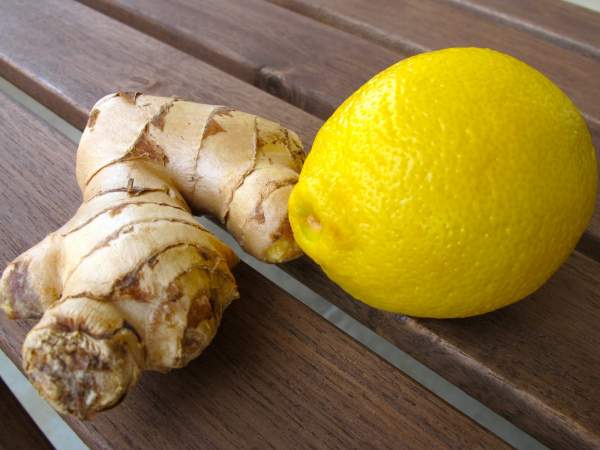
Medicinal ginger root
Although this heat-loving perennial has attractive flowers, it is not valued for its beauty or ornamental value. The herb is cultivated not for its above-ground parts, but for its rhizome. It is this rhizome that contains virtually all the beneficial substances responsible for ginger's medicinal properties.
According to scientists, the essential oils found in the root contain hundreds of organic compounds. Cineole is a key component of antiseptics, as well as medications used to treat coughs, colds, and viral infections.
Citral is present in anti-inflammatory and hypotensive drugs; vitamin A is synthesized from it, which is necessary in the treatment of eye diseases and intracranial hypertension.
You can understand the healing properties of ginger if you know what else the root's composition can offer. In addition to beneficial organic compounds, it contains:
- macro- and microelements;
- amino acids;
- dietary fiber;
- vitamins.
The use of ginger for medicinal purposes is indicated for bronchial asthma, atherosclerosis, dermatitis, tonsillitis, and kidney disease.

Remedies prepared from the plant root:
- Improve blood circulation.
- They speed up the digestion of food.
- Reduces discomfort in joints.
- They help cleanse the body.
Ginger strengthens the immune system, improves energy, normalizes cholesterol levels, and supports thyroid function. Curcumin, a natural antibiotic, helps fight germs.
Beneficial properties of ginger
The plant's rhizome is used to make spices, decoctions, tinctures, and teas. This ingredient is used in culinary recipes both raw and preserved. The effects of ginger on the human body are difficult to overestimate. Including this product in your diet is important not only when health problems arise but also to prevent illness. If you consume ginger:
- Acne and pimples disappear, skin becomes clearer.
- Fears and nervous tension pass.
- Blood pressure readings are decreasing.
- Digestion improves.

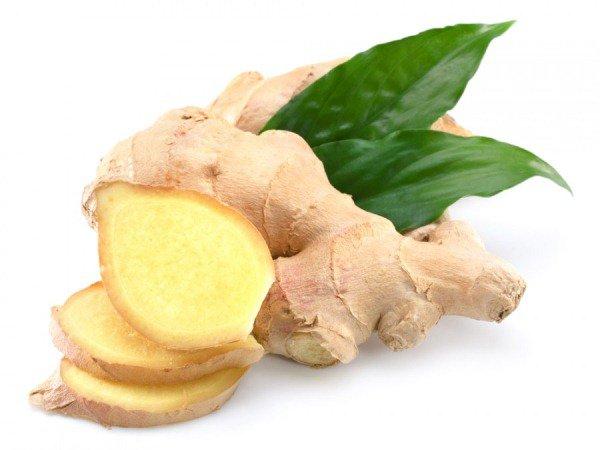
Regularly drinking ginger tea with honey or lemon can help you lose weight. Including this herb in your diet can help relieve cramps, nausea, constipation, and diarrhea.
Many people remember the beneficial properties of ginger when they experience a cough or nasal discharge. A decoction can help alleviate colds and speed recovery. The spice improves the flavor of food and stimulates appetite.
Ginger root: harm to the body
Although this heat-loving herb has many amazing properties, a huge number of different components can cause allergies and have a negative impact on the human body.
If you abuse ginger:
- The skin becomes dry and irritated.
- I suffer from insomnia.
- Vision is impaired.
- Heartburn appears.
Such problems arise with prolonged use and exceeding the recommended single dose. While understanding ginger's properties, it's important to remember that it can cause serious harm, as well as benefit.
Herbal infusions or tea should not be consumed at high temperatures, as this often leads to increased fever. Remedies made from the perennial rhizome are contraindicated for certain conditions, as is any medication. Ginger contains too many different compounds that can trigger allergies.

People with heart conditions or stomach problems should avoid this healthy product. Ginger root is very dangerous for patients with:
- with ischemia and stroke;
- hepatitis or cirrhosis;
- nephrolithiasis and enteritis.
This beneficial herb can increase bleeding and impair tissue healing in cases of damage to the oral mucosa. Although this perennial herb can relieve nausea in pregnant women, it cannot be ruled out as potentially harmful to the fetus. It is contraindicated to consume this spicy herb with antihypertensive medications or medications that stimulate the heart muscle.
The benefits and harms of pickled ginger and candied fruits
Even without contraindications, the root of this exotic plant sometimes doesn't produce the desired results. Although it's used in various diets, those who dream of losing a few pounds aren't always successful. Candied ginger, on the other hand, can actually promote weight gain.
Unprocessed, raw, and nutritious, the root contains no more than 80 kcal per 100 g, while sweet candied ginger contains almost 300. Ginger's properties are preserved during the cooking process, and most of its compounds are not lost, but you certainly won't lose weight by eating this delicacy.
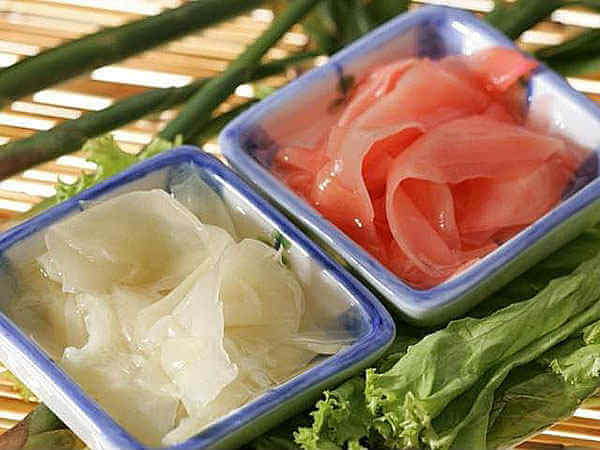
Many people love both sushi and the salad served with this dish. The pickled ginger used in the preparation doesn't boast a significant calorie count, but it's very harmful for those suffering from gastritis or stomach ulcers. Rice vinegar, which is an irritant to the mucous membranes, is added to the marinade. Overindulgence in this healthy spicy food can cause nausea and sometimes diarrhea, but in moderation it's harmless to healthy individuals. However, the spicy appetizer does increase appetite, which can lead to extra pounds.
The benefits and harms of ginger tea
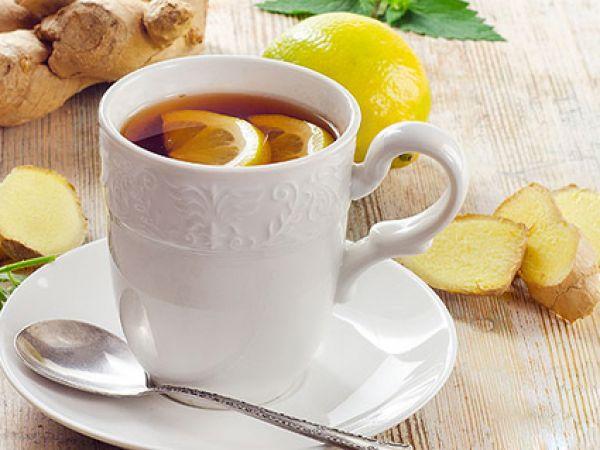
A drink made from this herbal perennial improves energy, warms, and restores strength. It has a unique taste and aroma, and pairs beautifully with honey and cinnamon. The beneficial properties of ginger are well-documented and have been confirmed by scientific research. To make ginger tea, take fresh ginger, crushed into circles, or powdered, and steep it in boiling water.
This yellowish drink is very beneficial because it strengthens the immune system, helps you forget about colds, relieves runny noses, eliminates sneezing, and saturates the body with minerals, amino acids, and vitamins.
Drinking tea speeds up the digestion process and helps digest food better, but you should not drink it in the evening to avoid staying awake at night.
Despite the undoubted benefits, infusions and decoctions from the root can also cause harm.
People suffering from:
- stomach ulcer;
- nephrolithiasis;
- stomatitis.
Patients with liver problems, acute ischemia, or stroke should not consume the drink; instead of receiving benefits, they may lose their health.

The benefits and contraindications of ginger for women
In ancient times, beautiful women rubbed the plant's juice into their hair to make it thicker and fuller, and used it as rejuvenating masks to soften their skin and hide fine wrinkles. Women used this beneficial herb to treat infertility and restore their libido.
Infusions of the rhizome relieve discomfort and pain during menstruation. Ginger during pregnancy It relieves morning sickness, which often occurs in the first trimester and is accompanied by severe nausea and vomiting. However, from the fourth month onward, expectant mothers should consume the herbal decoction or tea with caution to avoid harming the baby.
Ginger has a positive effect on the reproductive system, can treat inflammation in the female organs, and can alter hormonal balance, but if you are intolerant to any of the components present in the root, it causes an allergy rather than providing any benefit.
It's easy to understand the harm of ginger: if you overuse ginger infusion or tea for hypertension, instead of benefiting, your health will sharply deteriorate and your blood pressure will rise. Consuming ginger as a seasoning or snack is contraindicated for those with ulcers, enterocolitis, liver disease, heart failure, or high fever.
The benefits and contraindications of ginger for men
The rhizome's multi-component composition has a remarkable effect on various organs. Drinking the tea or beverage boosts immunity and eliminates harmful substances. Many believe the root serves as an aphrodisiac for men, restoring potency and preventing inflammation in the genitourinary system.
Organic acids and vitamins B and A improve blood circulation in the pelvic area, while zinc accelerates testosterone synthesis. A healthy drink made from this perennial helps with hangovers.
Ginger's harmful properties manifest when consumed in large doses, and contraindications have been identified. Even this beneficial tea can raise blood pressure in people with hypertension, increase heart rate even more in people with tachycardia, and irritate the mucous membranes in people with erosions and ulcers.
How to Eat Ginger: Healthy Recipes
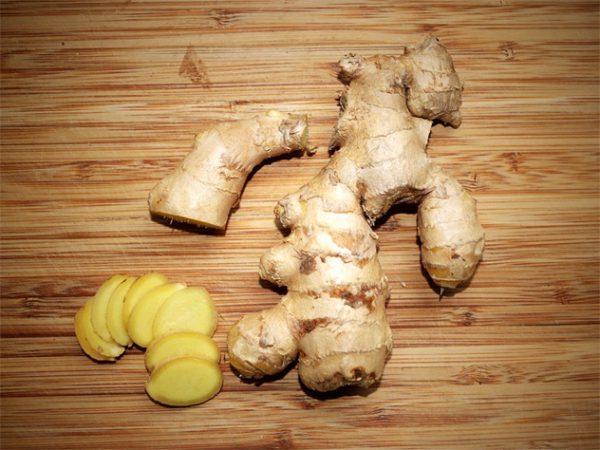
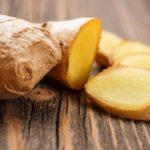
Before purchasing the rhizome of this wonderful perennial, it's important to know what it looks like, as there are several varieties that differ in scent, shape, and skin and flesh color. The most expensive and beneficial is the Bengal variety of this perennial. The black root is placed in boiling water, and the bleached root is obtained by soaking in lime. Chemicals are used in growing this crop, so before consuming the product, it's important to:
- wash well under the tap;
- remove the peel;
- Place in cool water for at least an hour.

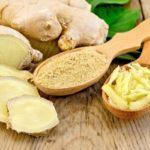
Without this, the benefits of ginger may be questionable. Spices and seasonings are very popular. They are sold as a sand-colored powder, have a rich aroma, and significantly enhance the flavor when added to a dish. How to take ginger depends on the purpose for which it is being used.
To lose a couple of kilograms, which is sometimes useful, grind the root, pour 8 cups of boiling water over it and, together with 2 cloves of garlic, leave it to steep for several hours.
For intestinal upset, mix yogurt with 100 ml of water and add a pinch of powdered rhizome of the herb and nutmeg.
For colds, ginger can be used to improve health, boost energy, and restore strength. Brew it like regular tea with honey, a slice of lemon, cinnamon, or mint. Add two tablespoons of the beneficial rhizome, sliced or grated, to a cup of boiling water.
To make a ginger decoction, take 100 grams of fresh product, remove the peel, pour boiling water over the thin slices, cover and leave for 20 minutes.
An incredibly healthy drink is made like regular tea, adding sugar, 2 tablespoons of dried ginger, and a few pieces of fresh ginger. Bring the mixture to a boil and simmer for 3-4 minutes, then add warm boiled milk and a spoonful of cardamom. The drink is beneficial when served hot.
How to store ginger root
Finely powdered herbs retain their aroma for several months in airtight containers. They are used to season dishes and brew tea. To preserve the freshness of the beneficial rhizome, the product should be refrigerated for several days and soaked in water before consumption. However, don't expect the aroma to remain strong and pungent.
To preserve the beneficial properties of fresh ginger, it's best to dry it. To do this, peel it, wash it, chop it into thin slices, and place it on a parchment-lined baking sheet. Initially, set the temperature to no more than 50°C, then increase it by another 20°C. Place the dried ginger in a jar. You can also marinate the rhizome in grape or apple cider vinegar for a healthy and delicious result.

Related posts:
 How to grow ginger in the open ground at your dacha, planting and care
 How to use ginger for weight loss at home
 The benefits and harms of ginger for the female body, medicinal properties and contraindications
 The beneficial and medicinal properties of ginger for men, possible harm and contraindications
 How to properly freeze ginger at home in the freezer for the winter and is it possible
 How and where to properly keep ginger root fresh at home
 What ginger looks like and where it grows in Russia, description of species and cultivation
 Growing ginger from root at home and plant care recommendations