
Native to Asia, ginger is increasingly becoming a part of everyone's diet. It's used as a medicine, an immunomodulator, a spice, and simply to improve appetite and taste. This unique plant is cultivated in virtually every country, and there are farmers who grow it in Russia. Some housewives have learned to grow this miracle root on their windowsills without knowing all the nuances of its origins and growing conditions. A full understanding of this flower can only be achieved by learning its history and where it grows.
Description of the plant
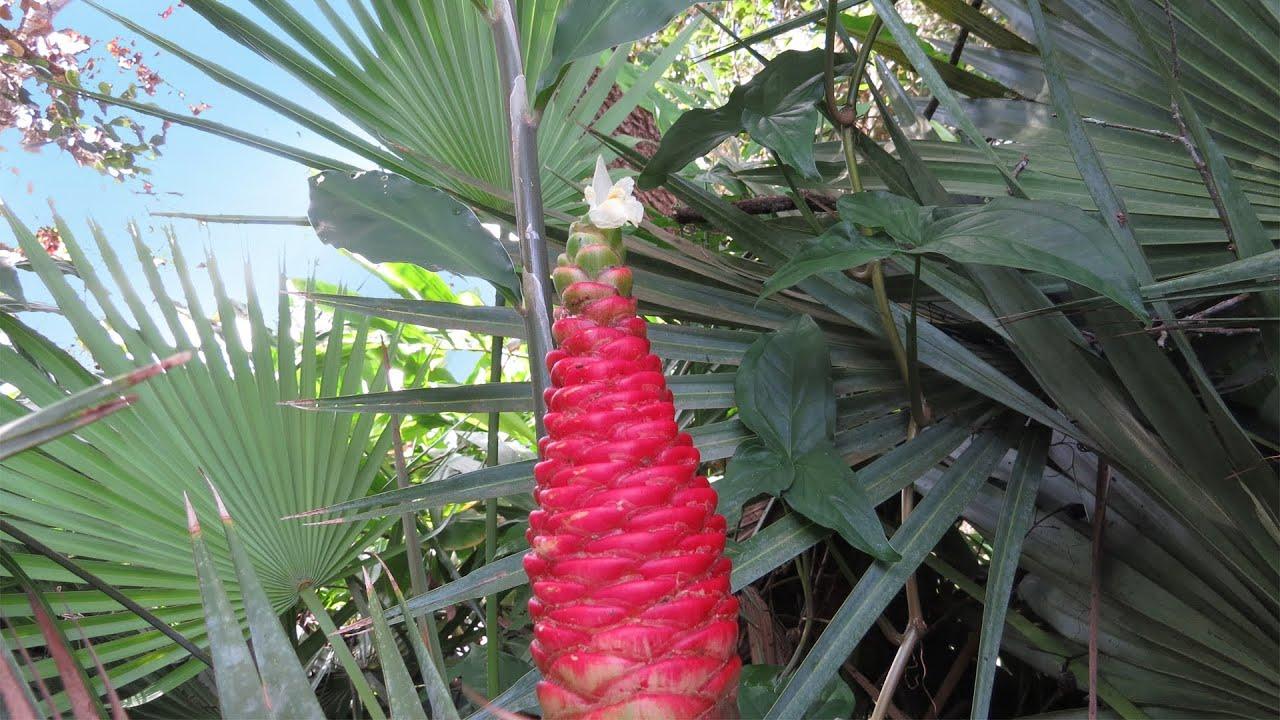
Ginger, or horned root, gets its name from the unusually shaped stolons that form around a central root. It is a perennial herbaceous plant.
Its structure is very interesting and deserves special attention:
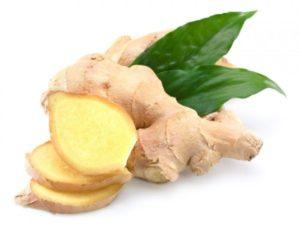
- The main flowering root has a fibrous structure. What is mistaken for the root and brewed into tea is actually a modified shoot, a thickened rhizome located around the main root.
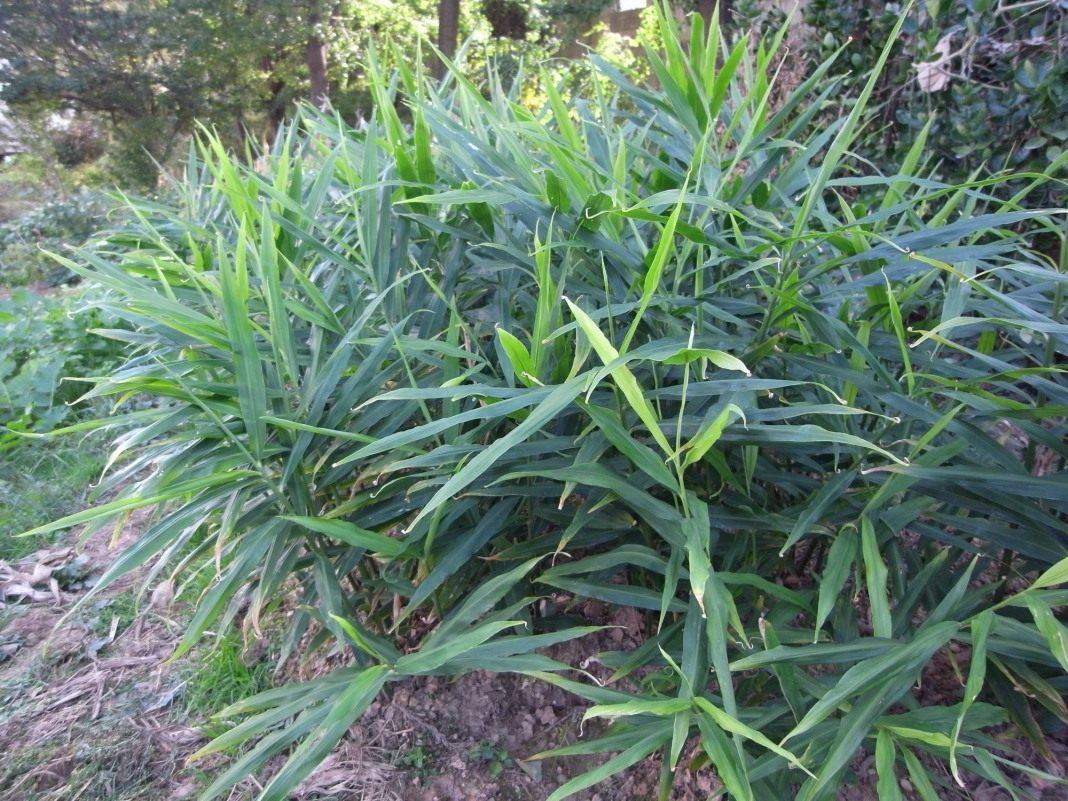
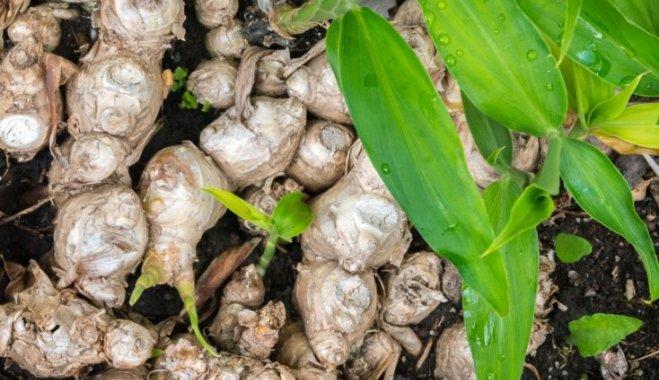
- Green shoots extend from the thickened underground portion, terminating above ground in the vegetative part, the foliage. This thickening has a somewhat segmental structure, with aboveground shoots extending from each segment.
- The stem part is erect and hollow in cross-section.
- The leaves are long, narrow, and have entire margins. They are pointed at one end and heart-shaped where they attach to the petiole.
- Ginger flowers are very interesting. They are borne on short, thick stems. The stem's thickness is needed rather to support the sturdy flower stalk. The color range of the inflorescences varies depending on the variety.
- In place of the flower stalks, fruits are formed in the form of a three-valved capsule.
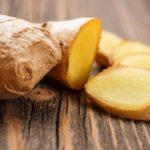
Only the thickened rhizome is used for consumption. It is valued for its rich chemical composition, which provides healing benefits to the human body.
Types
Humans have long been accustomed to domesticating not only animals but also various plants. This is due to many years of observation. Some are appreciated for their beauty, others for their health benefits. Ginger is also on this list. What was it like before domestication, and what has it become since living alongside humans?
Wild
According to Chinese and Tibetan teachings, "the natural habitat of wild ginger is where the plant's power is formed from the perspective of its spirit." This applies to the Himalayas, Tibet, Ethiopia, Burma, and Thailand. Many monks who revered and even worshiped it believe that its rhizome is given to the plant for respiration, energy production, and the infusion of strength.
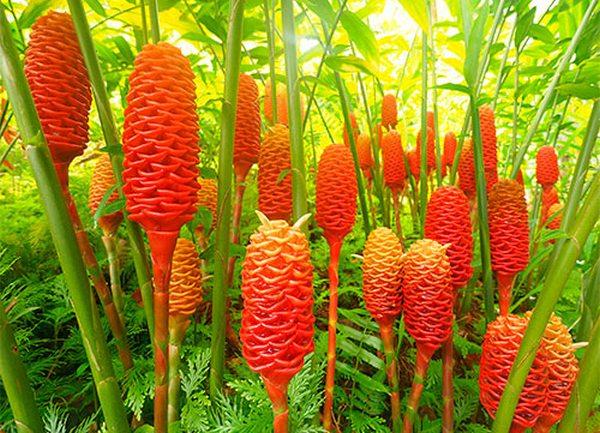
For a long time, Asians treated ginger as a living thing. They used its roots for divination. Examining its bizarre shapes, they compared them to certain circumstances. Wild ginger thrives in warmth and moisture, so these factors must be taken into account when cultivating the plant.
To fully mature, the plant requires natural conditions. Growing it indoors will not yield useful roots. Its purpose will be to decorate the interior.
Cultivated
Ginger was first domesticated in the northern Indian regions. It was introduced to Russia during the Kievan Rus' period. From then on, it began to be used in cooking and folk medicine. Post-war, ginger's popularity declined sharply, owing to the devastation in the country. It was only recently, in the 1970s, that the supply of various ginger products regained momentum.
Today, stores offer all sorts of culinary masterpieces with ginger, teas, powders, and much more. If you have a root at home, you can watch as shoots emerge. Many gardeners have noticed this and started trying to grow it at home.
Today, several farms in the Nizhny Novgorod and Kharkiv regions are growing ginger in greenhouses. The results are quite good. While the root isn't being produced on an industrial scale, it's likely soon.
Consequences of unsuitable climatic conditions
Wild ginger is native to tropical countries with a sharply continental climate. Regularly high humidity combined with constant warmth and light are the plant's growing conditions. In Russia, anywhere, growing the root in open ground is simply impossible.

Reproduction
In the wild, the plant reproduces through seeds. Furthermore, the rhizome continually grows new segments, each producing a separate shoot. At home, ginger is grown exclusively from store-bought roots.
The main condition when choosing a product for planting should be freshness and the presence of kidney-shaped protrusions from which shoots will subsequently emerge.
If there's even one dry part on the root, the plant won't grow. If planted in the ground, such seedlings will quickly rot.
History of distribution
Ginger roots were originally used as a means of payment by Phoenician traders. After they decided to taste the root, it became a fragrant spice. Its price skyrocketed. Now, the same traders began selling it throughout the Mediterranean, bringing word of this ginger wonder to Egypt.
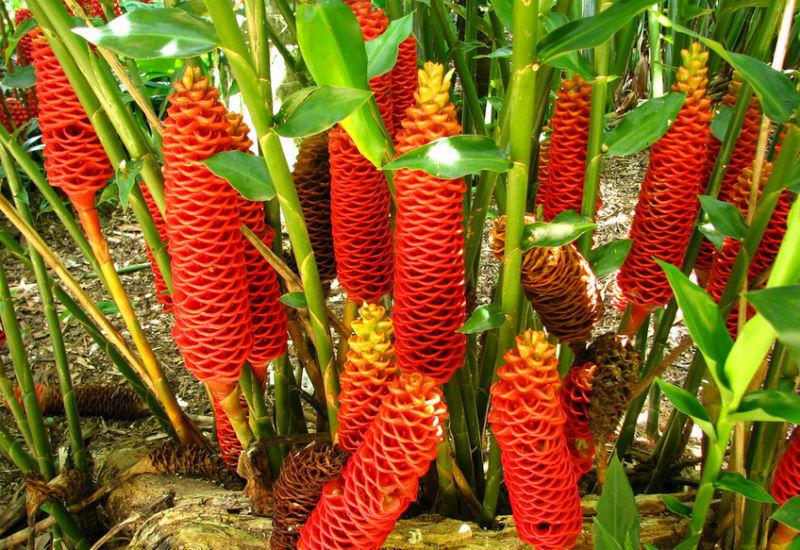
Roman scholars began actively studying the properties of the root. It subsequently became an ingredient in many folk remedies. Roman physicians used it to treat eye problems and overeating (bloating).
The root's further spread brought it to Africa. There, it became popular not only among healers but also among culinary experts. Africans learned to use ginger for sore throats and other upper respiratory tract inflammatory conditions.
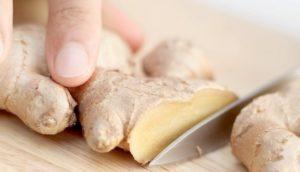
The next stage in ginger root's journey was its appearance in Chinese markets. During this time, legends and treatises began to be written about the plant. Chinese scientists further studied its healing effects on humans and identified a number of beneficial properties:
- A natural antiseptic, it can combat pathogenic microflora during viral diseases and flu.
- The root promotes health improvement and acts as an antioxidant.
- Increases immunity.
And this is only part of the significance of ginger. And its study hasn't stopped there. Today, this mysterious root is present in virtually every traditional medicine.
Habitat
Ginger plantations can be found in China, Australia, India, and Indonesia, in African countries, and on the islands of Barbados and Jamaica. It has been actively cultivated in the Americas since the 16th century. Generally speaking, ginger grows wherever growing conditions are favorable.
How it is grown in its homeland
The plant is rarely found in the wild in the tropics. Ginger is primarily seen growing in the fields of farmers cultivating it. Special agricultural techniques have been developed for cultivation in warmer climates. These include regular watering of the roots and surfaces, specialized fertilizers, and a comprehensive system of loosening and weeding. All agricultural techniques are mechanized.
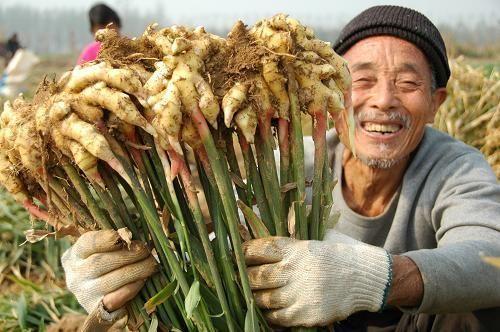
Asian growers have built an entire business on tourists who come to see ginger growing. They have the opportunity to sample the organic product, take home a root or even a rooted plant. Some study the theory of its cultivation to try it in their own countries.
Is it possible to grow it here?
Many people are trying to grow ginger these days, and it's quite fruitful. The plant grows, but it's impossible to obtain a marketable root.
In flower pots
Summer residents plant the flower in pots, placing them on windowsills:
- To do this, a part of the root is placed in a plastic bag for germination.
- After the buds begin to sprout, the plant is placed in a pot.
- The root is planted in any fertile soil, deepening it by 4 cm.
- Cover the top with film with holes.
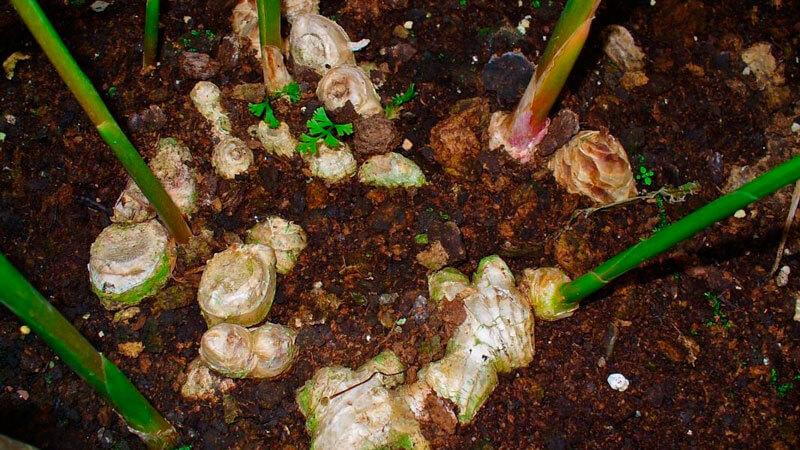
When shoots appear from the soil, the film is removed and the ginger is cared for like other houseplants.
Important! Avoid placing the pot in direct sunlight; it prefers partial shade.
Planting begins in February, when the warm summer season arrives. The pot of ginger can be placed in the garden under a tree. And when the autumn cold sets in, bring it indoors and dig up the resulting plant.
Heated greenhouses
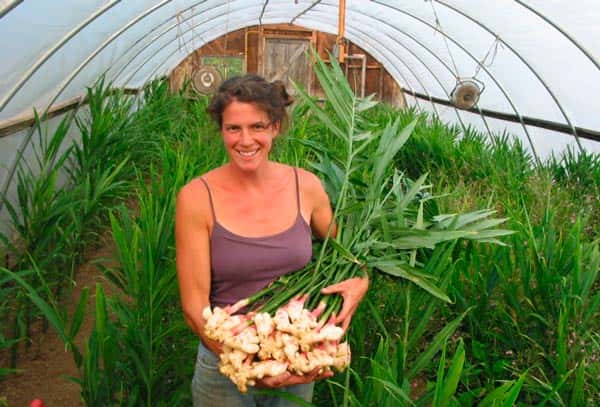
With the onset of the greenhouse season, the plant is transplanted into a heated greenhouse. This should be done in early spring. Heated conditions allow for an extended growing season until all shoots emerge and dry completely. Installing devices in the greenhouse to maintain constant humidity is essential for growth. Growing ginger in such greenhouses is expensive.
Combined method
The combined method involves initially planting and growing ginger indoors, and with the opening of the unheated greenhouse season, the plant is placed under cover and grown until late autumn.
Beneficial properties
The benefits of ginger are figuratively divided for women and men.
For women
Thanks to its rich content of micro- and macronutrients, as well as vitamins, ginger helps improve the condition of hair, skin, and teeth. Natural vitamin C makes skin firm and white, reduces fine lines and wrinkles, and prevents the formation of new ones.
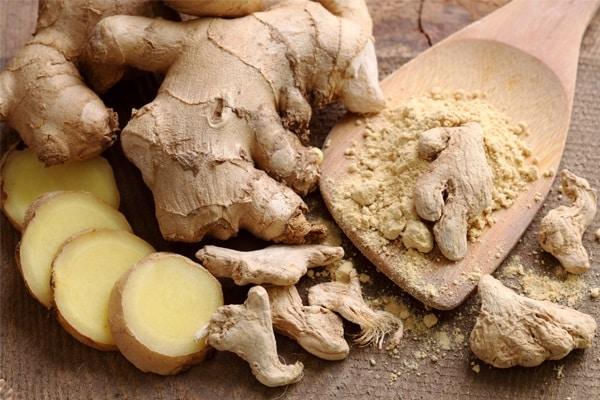
To improve hand skin and strengthen nails, try ginger baths. The root is valued for its low calorie content, making it suitable for any diet. It can convert fat into muscle mass.
And another important point: ginger has long been considered a natural aphrodisiac. Adding a pinch of powder to food increases libido.
For men
The benefits of ginger for the elderly are nothing new. Eating it can reduce the risk of strokes and heart attacks by strengthening the heart muscle. Potassium and magnesium lower blood pressure. Furthermore, ginger root is considered a man's "core," meaning that when consumed, it can cause a certain arousal in men. Sensing this, they begin to consume it regularly. The benefits of the root are still being studied. However, most people consume it during cold and flu season.
Now everyone knows where this perennial plant grows. It's more common in cultivation than in the wild. But even if you manage to grow it at home, you're unlikely to get the large-scale product you see on store shelves. Only thanks to foreign farmers are all countries without the conditions necessary for its growth supplied with ginger.
Related posts:
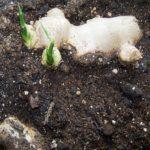 How to grow ginger in the open ground at your dacha, planting and care
 How to use ginger for weight loss at home
 How to properly freeze ginger at home in the freezer for the winter and is it possible
 The beneficial properties and harm of ginger for human health, medicinal use of the root
 The benefits and harms of ginger for the female body, medicinal properties and contraindications
 How and where to properly keep ginger root fresh at home
 The beneficial and medicinal properties of ginger for men, possible harm and contraindications
 Growing ginger from root at home and plant care recommendations