
Popularity ginger is associated with beneficial The root's properties are also beneficial. Furthermore, dried and powdered ginger can impart a distinctive flavor and aroma to various dishes and drinks. Nutritionists recommend incorporating the spice into your diet to help shed extra pounds, while therapists recommend adding the powder to drinks during cold and flu seasons. Knowing how to dry ginger at home can help, ensuring its beneficial effects.
Why do you need to dry ginger root?
Ginger is difficult to grow in gardens, so fresh ginger root can be purchased at the store. For best and long-lasting shelf life, it's important to dry it properly. Don't worry about losing its beneficial properties.
When dried, the roots retain their qualities.
The powder is actively used during culinary processing, including as a spice in:
- salads;
- soups, vegetable and mushroom appetizers;
- pies and ice cream;
- marinades and sauces.
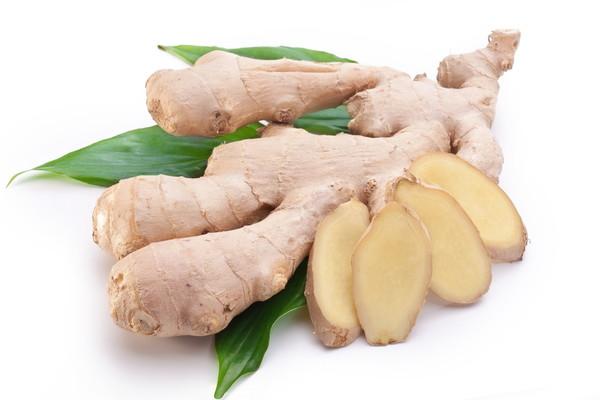
In addition to its unique flavor, dried ginger imparts a refined aroma to food. However, it's important to use ginger properly, adding the spice to meat dishes and soups 15 minutes before the end of cooking, and to sauces after they've been removed from the heat. Don't sprinkle ginger powder by the spoonful; use only 1 teaspoon per kilogram of meat, for example. For drinks, add a pinch of the spice on the tip of a knife.
The dried root, pre-crushed, is mixed with other spices. Mustard seeds are suitable for this purpose, and pomegranate seeds enhance the healing effect.
For those on a diet, salads are dressed not only with ginger powder, but also with lemon, and olive oil is suitable for dressing.
The dry root is good for hair. It's added to masks along with sesame oil to eliminate oily hair, and when combined with an egg yolk and a tablespoon of honey, ginger helps restore hair structure. Dried rhizomes are used to combat seborrhea and dandruff.
Take a look Also
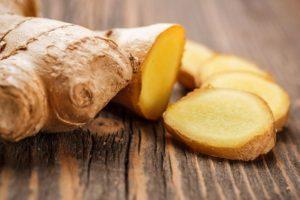
Many traditional healers offer recipes that call for the dried root to normalize the body's pathological condition.
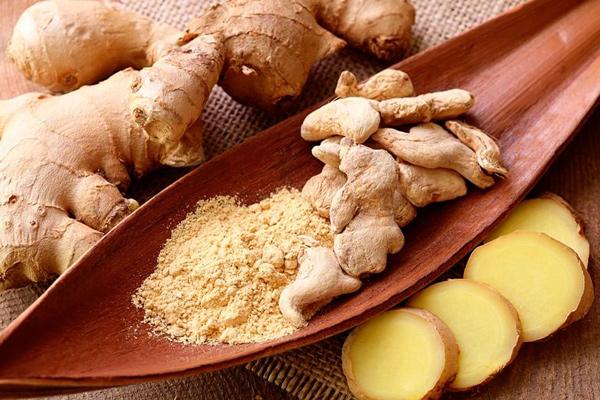
A few words about the benefits of ginger root
Drying ginger root is necessary so that the root vegetable helps:
- lift your spirits;
- prevent the development of cancer;
- strengthen the immune system;
- remove toxins from the body;
- increase appetite;
- normalize digestion;
- improve brain function;
- increase potency in men.
Dried ginger is irreplaceable in the fight against viral diseases and their prevention. Drinks and tea with cinnamon root powder are recommended. For rheumatic pain, a few drops of ginger oil combined with eucalyptus oil provide relief after a massage.
Ginger root, what is it like?
Ginger as a plant isn't particularly valuable. Resembling a reed with long, thin leaves, it grows in the tropical forests of Asia. The fleshy rhizome contains essential oils that impart a distinctive aroma to dishes. Phenolic compounds like gingerol give the spice its pungent flavor. Black ginger is found in the wild, and it's dried at home. White ginger is also available in stores. It can also be dried, but it must be thoroughly washed. The root's white color comes from soaking it in a solution of hydrocyanic acid or bleach.
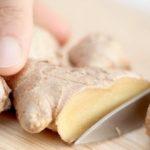
Before drying, it is better to remove the skin from the rhizome, cutting off the side shoots.
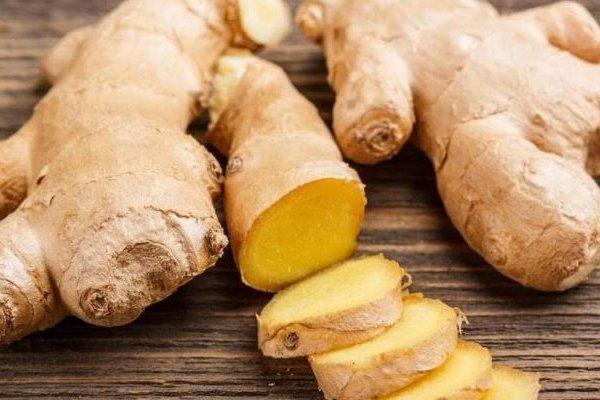
How to properly dry ginger root
Many gifts of nature are preserved for the winter by drying. This process is carried out in various ways. Most often, the cut pieces are simply laid out in the shade, and after a while, in the hot summer, the product is ready for storage. Drying methods vary, but certain rules must be followed. Avoid exposing the rhizome pieces to direct sunlight. The process proceeds more quickly with good ventilation. Avoid storing foods with strong odors nearby.
It is better to dry everything separately, in batches.
If moisture gets on the root pieces, they will rot, and the work will be in vain.
Natural warmth
The sun's heat is ideal for drying natural gifts. It doesn't require any energy. After spreading the sliced ginger root on a baking sheet or tray, find a spot under a tent out of direct sunlight. It's important that the area is well ventilated.
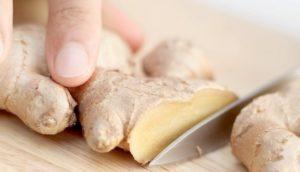
To quickly dry the product, cut it into thin rings. Piling the ginger in a heap is not recommended, as this will prevent it from drying and will cause it to become soft and rot. Turn the pieces every two days and remove any damaged or rotten ones. If the nights are cold and there is heavy dew, it's best to bring the ginger indoors.
Dried roots are placed in cotton bags or glass containers and placed in a cupboard. Store ginger at a temperature of 18-20 degrees with optimal air humidity.
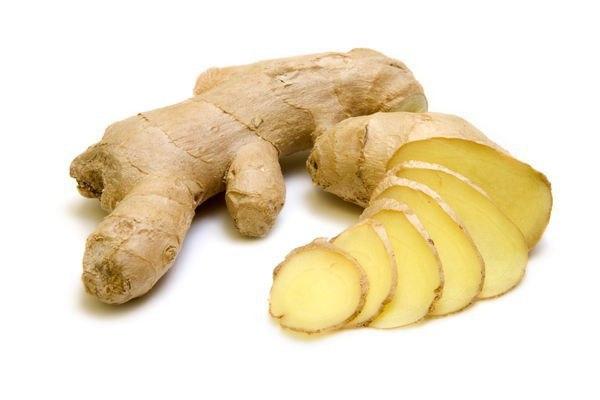
Dryer
Manufacturers delight gardeners with devices designed for drying mushrooms and garden produce. Ginger root can also be prepared in an electric dehydrator. Before preparation, wash the root and peel it, removing a thin layer of skin. To thoroughly dry the ginger, slice it into 4-millimeter-thick slices.
The product is spread on a rack to dry evenly. Setting the unit to 60 degrees Celsius (140 degrees Fahrenheit), the root is ready in 6-9 hours, depending on the unit's power.
The main rule when using a dehydrator is to avoid placing other foods together with ginger, otherwise they will become infused with the spice's aroma. The trays should also be changed frequently to ensure the ginger pieces dry evenly and quickly.
Oven
If you don't have an electric dehydrator, you can dry the ginger in the oven using the same method. Preparation is similar: wash and chop the roots. To avoid eye irritation while peeling the roots, it's best to do this under running water. Finally, spread the ginger petals in a thin layer on a baking sheet lined with parchment paper.
Initially, set the oven temperature to 50 degrees Celsius (122 degrees Fahrenheit) with the door slightly open. This will prevent moisture from remaining inside the oven and allow it to escape. After 1.5-2 hours, increase the temperature to 70 degrees Celsius (158 degrees Fahrenheit). If you're using a convection oven, you can increase it to 75 degrees Celsius (165 degrees Fahrenheit).
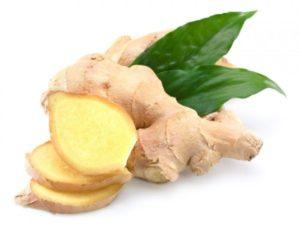
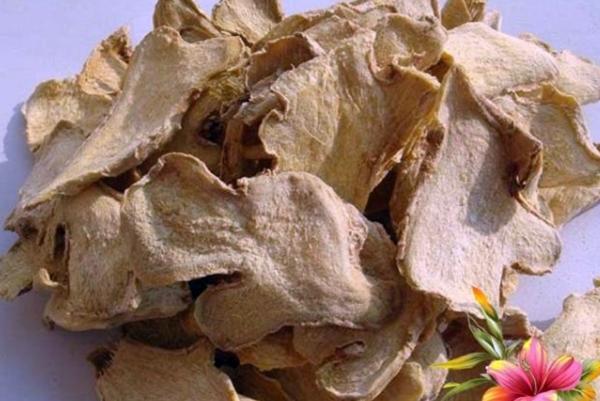
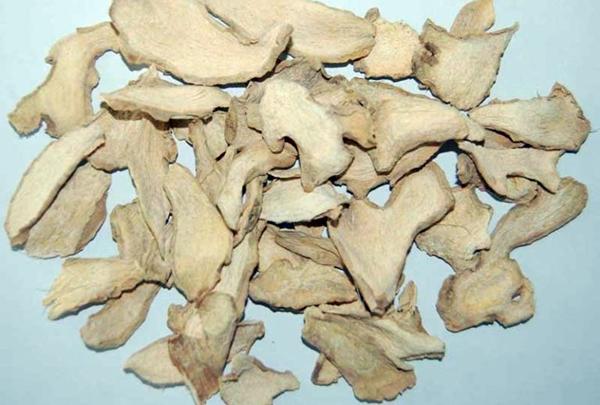
During the procedure, the condition of the pieces is monitored, as they must not be overdried. Increased brittleness of the petals indicates they are ready. Remove the tray of ginger and let it cool completely. The dried slices are either stored whole in jars or ground into powder.
Air fryer
The fans in an air fryer cook the dried product faster than in other appliances. Place the rhizome pieces on the oven racks. Open the lid slightly to remove excess moisture. The constant flow of hot air inside helps dry the ginger quickly and thoroughly.
It's best not to microwave the roots, as the oven door is not open. The moisture that accumulates inside will prevent the pieces from drying completely.
Attic spaces
For rural residents, it is possible to dry ginger in the attic, but you just need to know how to do it correctly.
Choose a location indoors where sunlight doesn't fall directly on the tray containing the rhizome pieces. The attic must be well-ventilated. Ginger won't dry quickly in a tightly sealed space. Since summer is teeming with insects and flies that will feast on rotten pieces, cover the slices with gauze or a thin cloth. This drying method requires constant monitoring of the ginger root. Only good weather and optimal room temperature and humidity will ensure proper drying.
Related posts:
 How to grow ginger in the open ground at your dacha, planting and care
 How to use ginger for weight loss at home
 The beneficial properties and harm of ginger for human health, medicinal use of the root
 How to properly freeze ginger at home in the freezer for the winter and is it possible
 How and where to properly keep ginger root fresh at home
 The benefits and harms of ginger for the female body, medicinal properties and contraindications
 The beneficial and medicinal properties of ginger for men, possible harm and contraindications
 What ginger looks like and where it grows in Russia, description of species and cultivation
I prefer to dry ginger naturally. I don't buy it pre-ground; I dry it myself and grind it, sometimes into powder. I love adding it to baked goods; gingerbread cookies are a favorite treat for kids!