
- Is it possible to grow watermelons in a garden plot?
- Selecting a variety
- How to properly grow watermelon outdoors
- Planting dates
- Selecting a site and soil
- Preparing planting material for sowing
- Planting watermelons from seeds
- Seedling method of cultivation
- Further care
- Watering and fertilizing
- Pruning the whips
- Topping
- Pollination
- Treatment against diseases and pests
- Specifics of cultivation in different regions of Russia
- Harvesting and storage of crops
- Potential problems when growing
Growing watermelons requires a comprehensive approach. To ensure a good harvest and avoid problems, a number of factors must be considered. Selecting the right variety, choosing the right location and soil, and caring for the plants all play a crucial role.
Is it possible to grow watermelons in a garden plot?
Breeders have developed a large number of varieties and hybrids adapted to growing in a variety of climates. This allows watermelons to be grown indoors and then transplanted outdoors. Direct planting in the ground is also possible.
Selecting a variety
The key to trouble-free fruit growing is choosing the right variety suited to the specific climate. Most often, gardeners prefer hybrid varieties due to the following qualities:
- resistance to common diseases;
- ability to grow in changeable weather conditions;
- early ripening of the crop.
How to properly grow watermelon outdoors
Planting and growing watermelons requires following basic agricultural practices. Proper preparation and seeding simplify subsequent care.
Planting dates
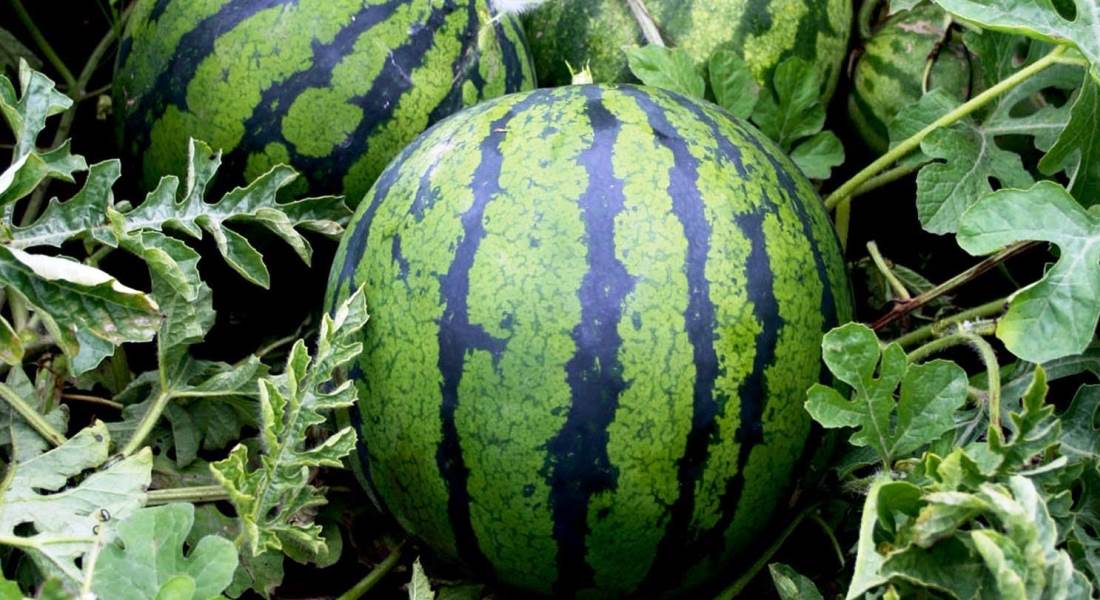
Sowing begins when favorable temperatures for germination have reached above 15°C (59°F) and the soil has warmed to a depth of approximately 10 cm. Seedlings are planted no earlier than the end of May. By the time they are transplanted, the seedlings should be 30-35 days old. Taking this into account, the seeding period for seedlings is determined, which falls in the second half of April.
Selecting a site and soil
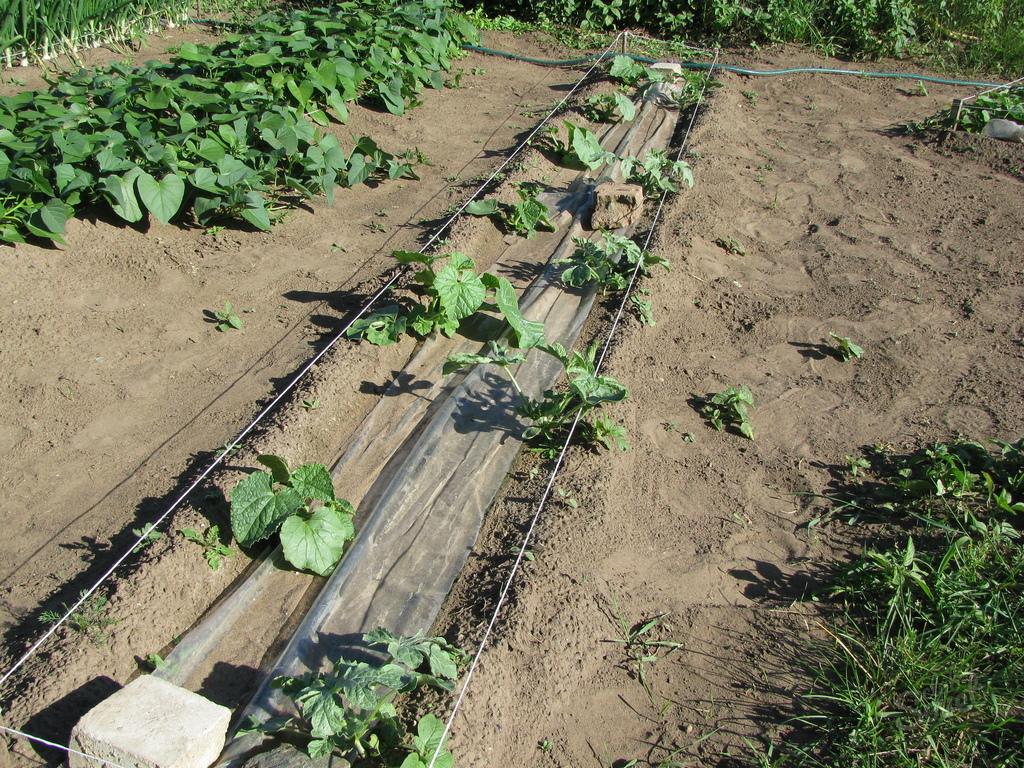
For vigorous watermelon growth, the site should be well-lit throughout the day and protected from drafts. Fertile, light, and well-drained soil is suitable for this melon crop. Optimal predecessors are legumes, cruciferous vegetables, tomatoes and potatoes..
Preparing planting material for sowing
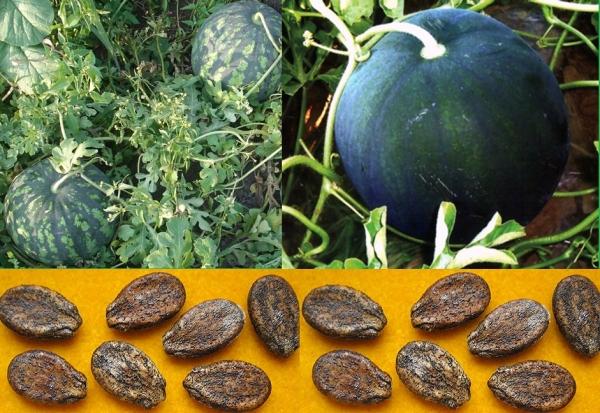
The first step in seed preparation is calibration. This involves separating the seeds by size for planting in different containers, as larger seedlings interfere with the development of smaller ones.
Also during the calibration process, it is necessary to inspect the seeds and weed out damaged specimens.
To speed up seed germination, warm the seeds for half an hour before planting by immersing them in water heated to 50 degrees Celsius. To disinfect, soak the seeds in a potassium permanganate solution for 20 minutes and then allow them to dry naturally.
Planting watermelons from seeds
In light, loose soils, watermelon seeds are planted to a depth of 4-8 cm. When planting in heavy soil, the seedlings should be planted no more than 4-6 cm deep. Furrows are made in the selected area for sowing. If watermelons are planted in rows, the space between plants should be 0.7-1.5 m. A minimum of 1.5 m should be left between rows. Watermelons should be planted over a large area, as the plant relies on its roots for nutrition.
Seedling method of cultivation
It's recommended to plant seedlings during a prolonged, cool spring. According to standard technology, seeds are placed in peat pots filled with a mixture of humus, peat moss, and turf soil. The soil is moistened and the seeds are buried 3-4 cm deep, after which the containers are covered with plastic wrap and left in a warm place. When sprouts begin to emerge, the seedlings are moved to a cooler room.
Seedlings can be planted in open soil towards the end of May to make it easier for the plants to adapt to the new conditions.
Further care
After planting watermelons in their permanent location, care is required. When growing in a garden, watering, pruning, pruning, and fertilizing are essential. Comprehensive and proper agricultural practices are key to achieving a large harvest with excellent flavor.
Watering and fertilizing
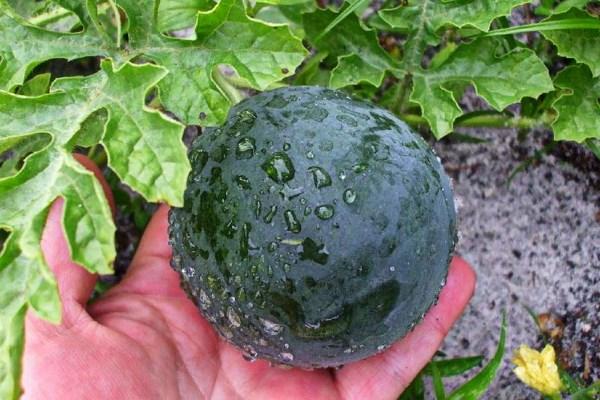
Watermelons have taproots that extend below 1 meter, while lateral roots occupy a large area in the upper soil layers. After planting, water the plant sparingly but generously, using 3 buckets of water per square meter of soil. During flowering, water at least twice a week. Once the plants reach maturity, stop watering.

A fertilizer consisting of a solution of mullein or chicken manure is added to the soil during the formation of shoots. Superphosphate is also applied during this period to enrich the soil with minerals. A second application of fertilizer is applied during the formation of fruit buds.
Pruning the whips
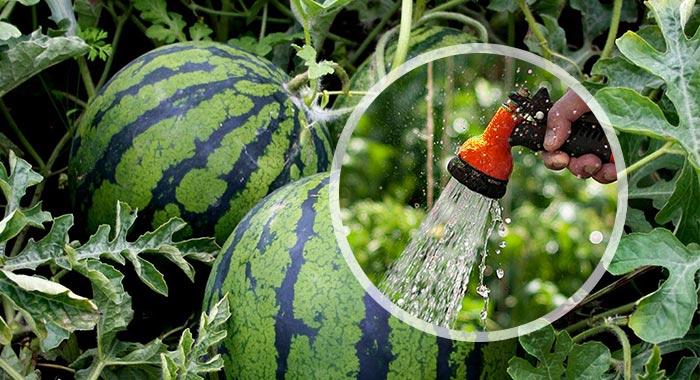
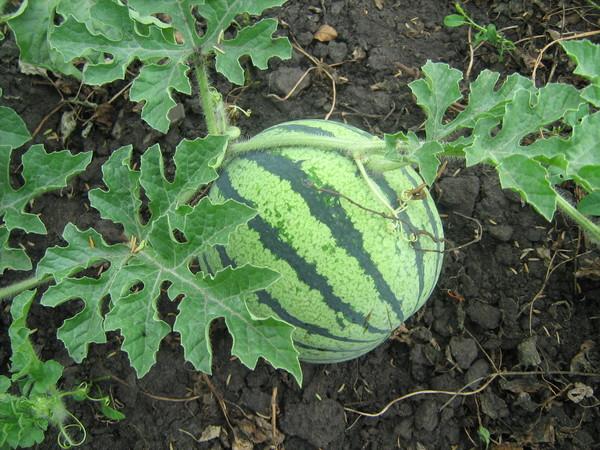
Once a sufficient number of fruits have formed, the vines should be trained so that several leaves remain above the ovaries. The main shoot will continually grow new shoots, so weekly side shoots are required. The gardener can choose one of the following plant training schemes:
- Several ovaries are left on the main shoot, while the side shoots are completely stripped of their ovaries. Each side shoot is trained so that a few leaves remain on it.
- Ovaries are left on the plants every 5 leaves. The remaining ovaries are cut off.
- After fruit has formed on the side shoots, all side shoots are removed from the main stem. This leaves no more than six fruits on the plants. Up to two ovaries are left on each side shoot, and the top is trimmed to a height of three leaves.
Topping
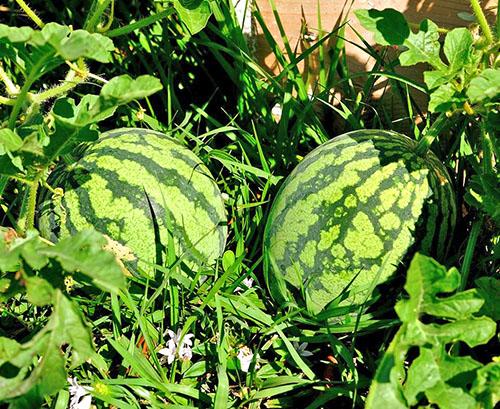
When pinching, it's important not to damage the main stem, as the bush's development depends directly on it. Only shoots and lateral tendrils should be removed. It's not recommended to leave a large number of ovaries on a single plant, as a bush can produce approximately 4-6 fruits, depending on the variety. When the plants begin to actively produce fruit, stop pinching.
Pollination
Pollinating watermelons requires the use of specialized insects or creating favorable conditions to attract them to the plot during flowering. Adequate pollination improves flavor and increases yield. Male flowers on watermelons produce pollen, which is carried by insects to the female flowers. Wind-borne pollen dispersal is ineffective.
Treatment against diseases and pests
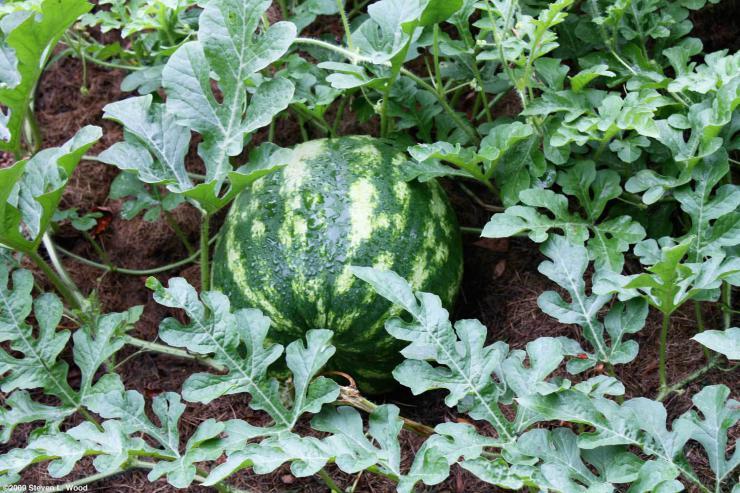
Unfavorable environmental conditions or neglect of agricultural practices lead to pest attacks and disease. Among the pests that attack watermelons are aphids, cutworms, meadow moths, and wireworms. If insects are detected early, spraying with biological products is used to control them.
In case of accumulation of parasites in large numbers, it is better to use insecticides.
Diseases common to this crop include anthracnose, ascochyta leaf spot, powdery mildew, and downy mildew. Colloidal sulfur and fungicidal treatments are used to combat these diseases.
Specifics of cultivation in different regions of Russia
Depending on the growing region, watermelons need to be grown with consideration for the surrounding conditions. In the central and central Black Earth regions, it's best to choose watermelon varieties with a growing season of no more than 80 days. When growing in Khabarovsk and nearby cities, frost-resistant varieties are preferable. In Crimea, late-ripening varieties are allowed due to the warm climate.
Harvesting and storage of crops
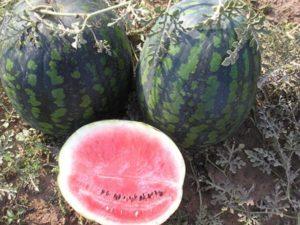
To ensure long-term storage of watermelons, it's important to harvest them immediately after ripening. Signs of ripeness include:
- drying out of the tail;
- absence of plaque;
- formation of a clear pattern on the surface;
- ringing sound when tapped;
- the presence of yellowish spots on the crust.
The fruits can be stored in the refrigerator at a temperature of 2 to 5 degrees Celsius. Late-ripening watermelon varieties can retain their flavor and quality for 10 to 15 weeks. Early, thin-skinned varieties can be stored in the refrigerator for about 5 to 7 weeks. Before storing the fruits, you need to inspect them and make sure there is no damage that may have occurred during harvesting.
Potential problems when growing
If you encounter problems while growing your watermelons, it's helpful to know a few tips. If your watermelons aren't growing well, you can apply unscheduled fertilizer or cover them with plastic. If the bushes are overgrown, you'll need to shape them by pruning.
Related posts:
 The best eggplant varieties for growing in a polycarbonate greenhouse: planting and care
 How to grow grapes in the Moscow region in open ground without a greenhouse
 The best grape varieties for growing in the Urals, planting and care rules in summer
 How to propagate and grow peas, cultivation technology, and care in open ground
 80 Best Eggplant Varieties for Different Regions with Descriptions and Characteristics
 Descriptions of the 20 best cherry varieties for the Moscow region, their planting and care
 Description of the best varieties of onions, planting and care in open ground
 Description of the Velika grape variety, cultivation and care tips