
- Regional features of the Moscow region
- Types and purpose
- Early
- Average
- Late
- Winter-hardy
- Self-pollinating
- Sweet
- Low-growing or dwarf
- Yellow-fruited
- Resistant to coccomycosis and moniliosis
- Recommended varieties
- Valery Chkalov
- Iput
- People's Syubarova
- Ovstuzhenka
- Homestead yellow
- Jealousy
- Tyutchevka
- Fatezh
- Chermashnaya
- Raditsa
- Veda
- Orlovskaya pink
- Michurinka
- Bryansk pink
- A gift for Stepanov
- Leningrad Black
- Lena
- Teremoshka
- Red Hill
- Gronkavaya
- How to choose the right variety
- Ripening time
- Soil requirements
- Frost resistance
- How to plant in open ground
- Recommendations for choosing deadlines
- How to select and prepare planting material
- Requirements for neighbors
- Site selection and preparation
- Planting diagram
- Care instructions
- Watering
- Top dressing
- Crown formation
- Sanitary pruning
- Preparing for winter
- Features of caring for columnar cherries
- Harvesting and storage
When choosing cherry varieties for the Moscow region, it's important to consider a number of important criteria. First and foremost, consider the region's climate. The Moscow region is characterized by fairly severe winter frosts and spring temperature fluctuations. These factors should be taken into account when choosing a variety. It must be resistant to low temperatures and recurrent frosts.
Regional features of the Moscow region
The Moscow region enjoys a temperate climate. Temperatures drop less frequently than in the northern regions. This region also doesn't experience the same droughts as the south. However, when choosing a cherry variety, it's important to consider many factors. This will help ensure a bountiful cherry harvest.
Types and purpose
For growing in the Moscow region, it's best to choose specific varieties that suit the region's climate. Today, many varieties of this crop are known. Depending on their intended use, they are divided into different categories.
Early
Early cherry harvesting in the Moscow region typically begins in mid- to late June. In some cases, the crop can begin bearing fruit in early summer.
Average
Mid-season varieties begin to yield in late June or early July. In rare cases, this period occurs in mid- or late July.

Late
These cherry varieties ripen later than others. They begin bearing fruit in mid- to late July.
Winter-hardy
When choosing a variety, focus on frost resistance. To prevent a young tree from dying in its first few years, choose varieties such as Iput, Krasnaya Gorka, or Gronkavaya.
Self-pollinating
When choosing a single variety for your garden, it's best to focus on self-pollinating varieties. The most popular varieties in this category include Fatezh, Iput, and Ovstuzhenka. The Valery Chkalov and Tyutchevka varieties are also suitable.
Sweet
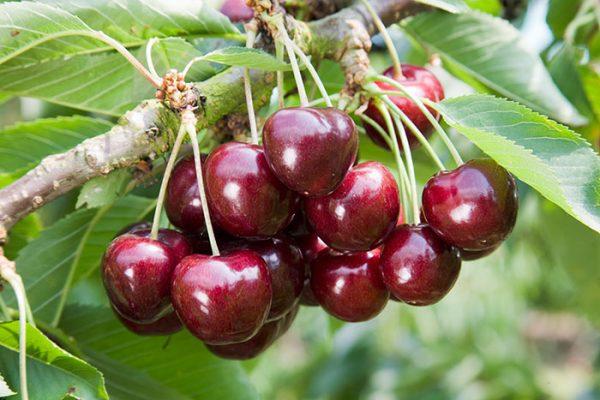
Many gardeners prefer sweet cherry varieties. The most popular include Valery Chkalov, Veda, and Iput.
Low-growing or dwarf
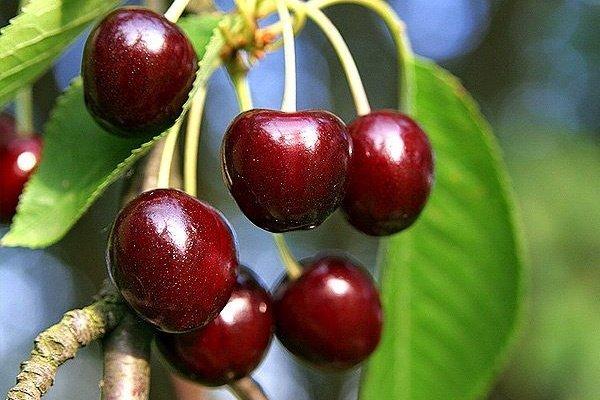
Medium-sized varieties are ideal for the Moscow region. However, short dwarf trees are considered more suitable. It's important to note that they are less robust, so their branches cannot withstand strong winds for long periods. Relatively small varieties include Krasnaya Gorka, Tyutchevka, and Iput.
Yellow-fruited
Yellow cherries don't have the same rich flavor as red varieties. However, many people in the Moscow region also grow yellow-fruited varieties. The most popular include the Orlovskaya Yantarnaya and Leningradskaya. The most common variety is the Priusadebnaya Yellow.
Resistant to coccomycosis and moniliosis
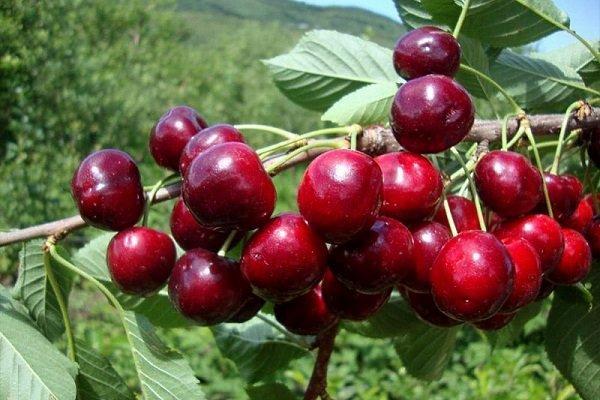
When choosing a variety, many gardeners prefer trees that are resistant to moniliosis and coccomycosis. These include Ovstuzhenka, Fatezh, and Bryanskaya Rozovaya.
Recommended varieties
A wide variety of cherry varieties are suitable for growing in the Moscow region, allowing you to choose the best option.
Valery Chkalov
This early cherry tree was bred in the 1950s and has enjoyed great popularity ever since. It is a fairly tall tree, reaching 6 meters and boasting a thick trunk. It is characterized by a broad, medium-density crown.
This is a mid-season crop that begins to bear fruit in its fifth year. A tree can yield up to 60 kilograms of cherries. The fruits are large, weighing up to 8 grams. They have a dark red hue. The stalk is firmly attached to the berries.
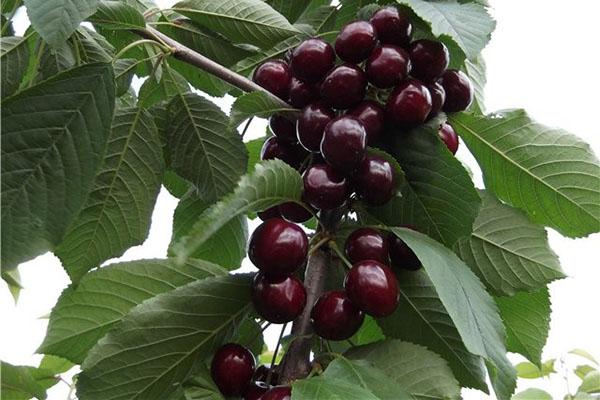
This variety is often used for canning. It has average frost resistance. The tree can withstand temperatures down to -23 degrees Celsius. Recurrent frosts can kill 60-70% of flower buds. The plant is susceptible to coccomycosis and gray mold. It is considered relatively resistant to other fungal infections.
Iput
This is an early variety, producing fruit in late June. The tree reaches 4 meters in height and has a wide, pyramidal crown. It can yield 25-50 kilograms of fruit. The cherry's color changes as it ripens, becoming almost black. The fruits weigh about 5 grams and easily detach from the stems. Inside, the flesh is sweet and juicy.
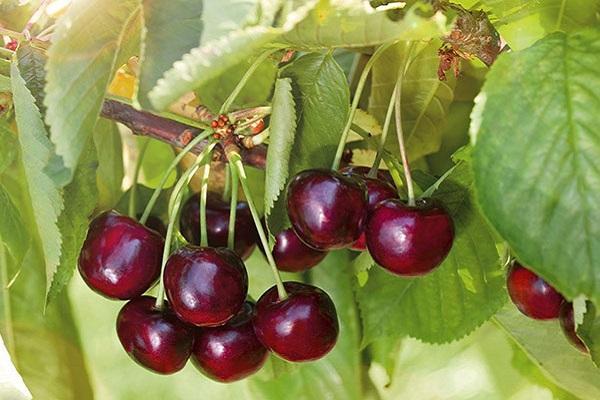
However, this variety does have some drawbacks. The fruits may crack during rainfall. The tree is demanding regarding soil composition. Its advantages include resistance to frost and fungal infections, a long shelf life, and good transportability.
People's Syubarova
This crop is considered self-fertile, with self-pollination rates reaching 90%. The variety was developed by Belarusian scientists. It is characterized by an impressive tree height—up to 5-6 meters. It has a broad crown and produces 55 kilograms of fruit.
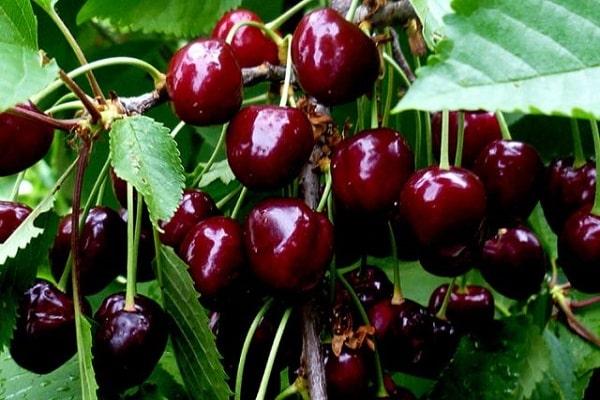
The first fruits are produced four years after planting. They have a scarlet hue and smooth skin. The berries weigh 6 grams. This variety tolerates frost and wind well. Its strong branches can easily withstand even heavy snowfall.
This variety is considered undemanding regarding soil composition. It is characterized by uniform fruit ripening and resistance to coccomycosis and other fungi.
Ovstuzhenka
The variety was added to the State Register relatively recently, in 2001. It is characterized by small trees that grow quickly. The cherry tree has a dense, spherical crown.
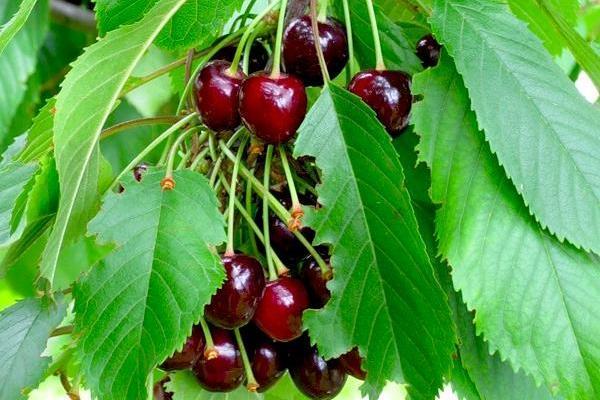
The tree bears its first harvest after 4-5 years. The plant produces up to 16 kilograms of fruit. Each fruit weighs 5 grams and is oval-shaped and red in color. The variety is resistant to fungal infections.
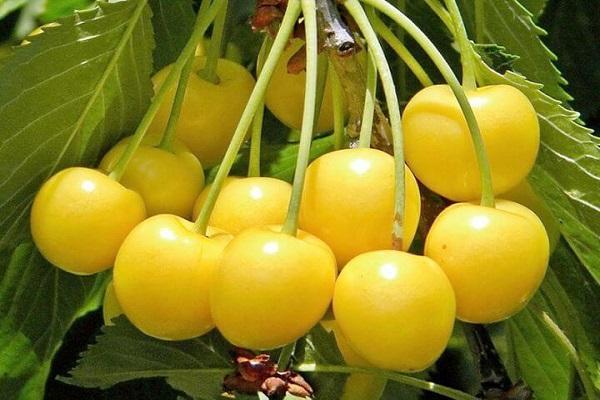
Homestead yellow
This early variety is considered self-fertile. The tree develops rapidly but only produces fruit after six years. The fruits are yellow and round, weighing 5.5 grams.
The flesh is very juicy and has colorless juice. The cherry has a sweet and sour taste. The berries do not crack in rainy weather. An advantage of this variety is its resistance to recurrent frosts.
Jealousy
This mid-season variety produces fruit in late June. It begins bearing fruit after five years. The trees are medium-sized and grow quickly. Each crop yields up to 30 kilograms of berries.
The fruits are dark red and weigh 5-8 grams. The stalk separates easily from the drupe without releasing juice. The variety is frost- and fungus-resistant. The berries do not crack in rain.
Tyutchevka
This late-maturing crop is virtually non-self-pollinating. The plant is considered a high-yielding cultivar. The trees are medium-sized and develop rapidly. They are characterized by a spherical shape. The first fruits can be harvested after five years. They are dark in color and contain cartilaginous flesh. The berries weigh approximately 5 grams.
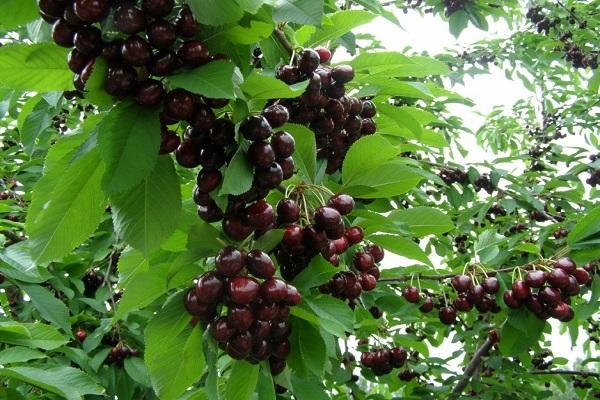 The tree is frost-resistant. Without shelter, it can withstand temperatures down to -25 degrees Celsius. The berries have excellent flavor. They store well and are easy to transport.
High humidity, however, causes the berries to crack. The fruits easily detach from the stems. The tree is resistant to moniliosis.
Fatezh
This mid-season variety was added to the State Register in 2001. The trees are medium-sized, not exceeding 5 meters in height. The crown is spherical. The plant produces fruit in 4-5 years.
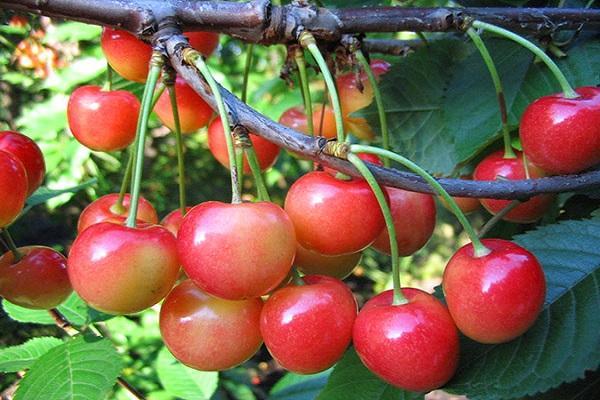
A tree can yield up to 50 kilograms of fruit. The drupes are round and weigh 6 grams. The cherries have a reddish-yellow hue. Inside, there is a pale pink, firm flesh.
The crop is frost-resistant. However, the buds are less frost-resistant. The plant is virtually immune to fungi. Its main drawback is its tendency to produce gum.
Chermashnaya
This is a relatively new variety that produces yellow fruit. It was added to the State Register in 2004. The trees are medium-sized, reaching a height of no more than 5 meters. The crown is oval. The first fruits appear after 4-5 years. Young trees produce 12 kilograms of berries. A mature tree can yield 30 kilograms of berries.
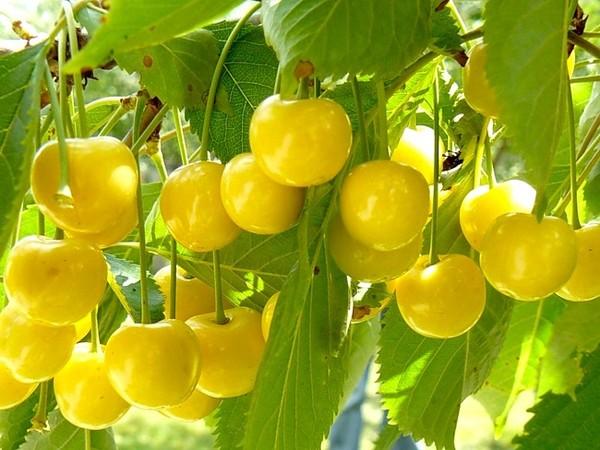
This variety requires pollinators. The fruits are yellow with a pink blush, weighing 4.4 grams. The cherry has firm, juicy flesh and a sweet-tart flavor. It is frost- and fungus-resistant. A short shelf life is considered a drawback.
Raditsa
This variety is characterized by rapid growth, reaching 4 meters in height. It has a medium-density crown. Pollination is required. Harvesting begins in 4-5 years. The drupes are elongated and dark in color. The fruits weigh 4.5 grams. The stems easily detach from the branches. This variety can withstand temperatures down to -35 degrees Celsius. It is resistant to moniliosis and coccomycosis.
In rainy weather the fruits do not crack.
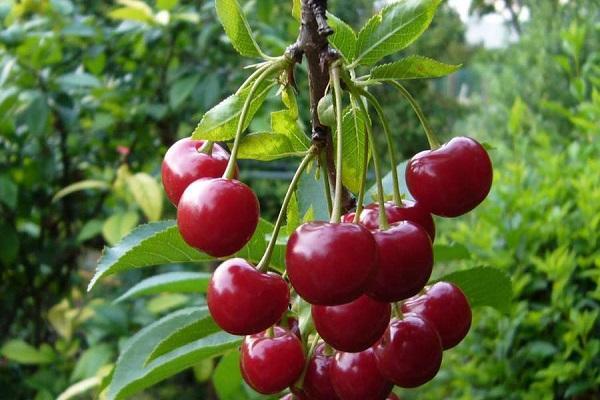
Veda
This late-ripening variety is grown in the central regions. The tree is compact, growing no taller than 2.5 meters. This makes it much easier to care for. The plant is characterized by a rounded crown.
The berries are dark in color and weigh 6 grams. A single plant produces 25-65 kilograms of berries. They are easily transported. The tree is frost-resistant, has a sweet flavor, and is characterized by its versatility.
Orlovskaya pink
This dessert variety is characterized by a mid-season ripening period. The harvest begins as early as mid-July. The tree reaches 3.5 meters in height. The crown is pyramidal. The first harvest appears after three years.
The fruits are round, weighing 4 grams. They are pink in color and have juicy flesh. The tree is relatively resistant to fungi and has average frost resistance.
Michurinka
This is a late-ripening variety, producing fruit in 5-6 years. The tree is medium-sized and characterized by rapid growth. The fruits are dark in color and weigh 7 grams. The berries are distinguished by a short stalk that easily separates from the shoots.
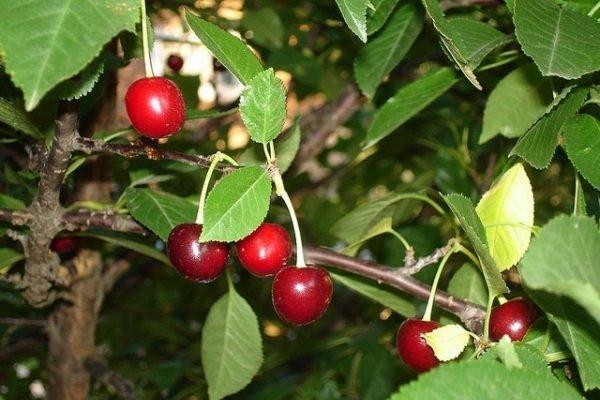
This variety is versatile and easy to transport. The plant requires pollinators and can be easily grown in the Moscow region. It is frost- and drought-resistant and resistant to coccomycosis.
Bryansk pink
This variety was developed relatively recently. When cultivated according to recommended practices, it produces a bountiful harvest. It is considered a late-ripening plant. A single tree can yield 20-30 kilograms of berries. They are round and pink in color. The skin is speckled. The fruits weigh 5 grams and contain yellow flesh.
This cultivar is characterized by slow growth. Harvesting occurs only after five years. The berries can be stored in the refrigerator for two weeks. They are known for their versatility. The tree easily tolerates recurrent frosts. The cultivar is resistant to moniliosis and coccomycosis.
A gift for Stepanov
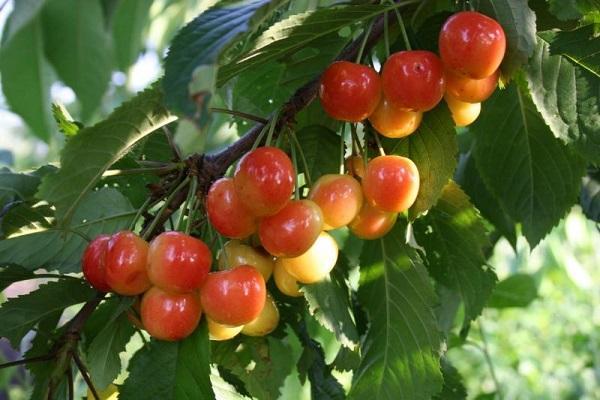
This new variety was added to the State Register only in 2015. The fruit ripens in mid-July. The tree reaches 3.5 meters in height and has a pyramidal crown. Harvesting begins after four years. Each plant yields 60 kilograms of dark-colored fruit weighing 4 grams.
Sweet cherries have a sweet flavor. They should be picked immediately after ripening, otherwise the berries will fall from the tree. They can be used for canning, but their transportability is limited. The berries are characterized by very thin skins.
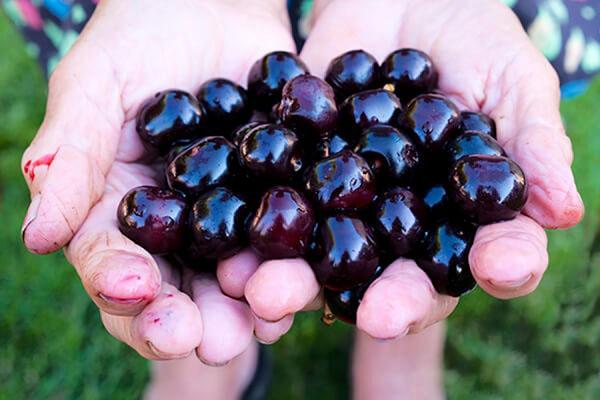
Leningrad Black
This variety is characterized by a medium size. The tree has a spreading crown. The fruits are heart-shaped and dark burgundy in color. The cherries have a sweet taste with a slight bitterness. The berries ripen late and do not fall off.
Lena
This late-ripening variety has a medium-sized tree with a rounded crown. The plant requires pollinators. Fruiting begins after four years. The berries are large and dark in color, weighing 6-8 grams.
The plant is resistant to most diseases. It is not susceptible to coccomycosis or moniliosis. It is also resistant to clasterosporium.
Teremoshka
This variety is characterized by a mid-season ripening period. The trees are small in size and have a rounded crown. The plant requires pollinators. It produces dark-colored fruits weighing 6 grams. The berries have a sweet flavor and practically do not crack in rainy weather.
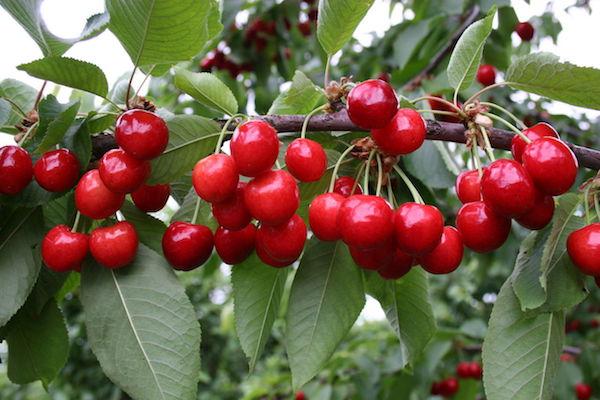
The tree can withstand temperatures down to -34 degrees Celsius. It is highly resistant to fungal infections. The berries have a firm texture and are easy to transport.
Red Hill
This early-ripening variety was developed in 2001. It is characterized by early fruiting. The first harvest can be obtained after four years. Each tree can yield 45 kilograms of cherries. The trees are small in size and have a rounded crown. The fruit can be harvested in mid-July.
This variety is self-sterile, so it requires pollinators. The fruits are round and form clusters. They have a sweet, slightly tart flavor. The berries are golden in color and weigh 5 grams.
Gronkavaya
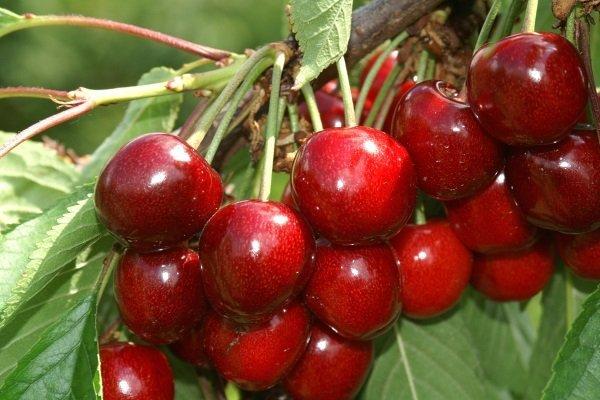
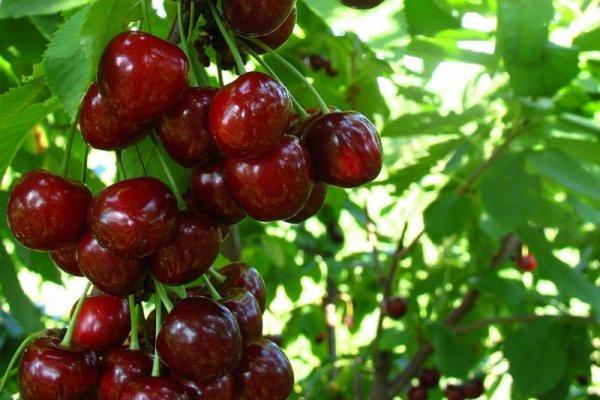
This early variety is characterized by rapid growth. The fruits ripen in late June. The first harvest is obtained after four years. The variety is considered self-sterile and requires pollinators. A tree can yield up to 30 kilograms of berries. The plant reaches a height of 4-5 meters.
The fruits are heart-shaped and dark in color. The average weight is 4.6 grams. The variety is resistant to moniliosis and coccomycosis. The cherry is suitable for transportation. The crop is drought-resistant and can withstand temperatures down to -27 degrees Celsius.
How to choose the right variety
When choosing a variety for growing in the Moscow region, consider the region's climate. Even zoned crops can be damaged by frost.
Sweet cherries require warm weather, fertile soil, and adequate light. These conditions are rarely found in the Moscow region. Therefore, breeders are working to increase the plant's hardiness.
Ripening time
Various varieties of cherries can be grown in the Moscow region. Early-ripening trees produce fruit in the second half of June. Mid-season varieties begin to bear fruit in mid-July. Late-ripening cherries yield fruit in August.
Soil requirements
Cherries don't tolerate heavy soil well. Light, sandy soil is also unsuitable. Nutritious loamy soil is considered ideal. Deep soils are not recommended for planting.
Stagnant water will lead to the death of the tree.
Frost resistance
For growing in the Moscow region, it's best to choose frost-resistant plants. Today, breeders offer many varieties that can withstand temperatures as low as -35 degrees Celsius.
How to plant in open ground
To ensure good crop development and a bountiful harvest, it is important to carry out planting work correctly.
Recommendations for choosing deadlines
Cherry trees can be planted in spring or fall. If planting in the fall, it's best to do so in September or October. For the Moscow region, early October is the optimal time. It's important to plant before the first frost.
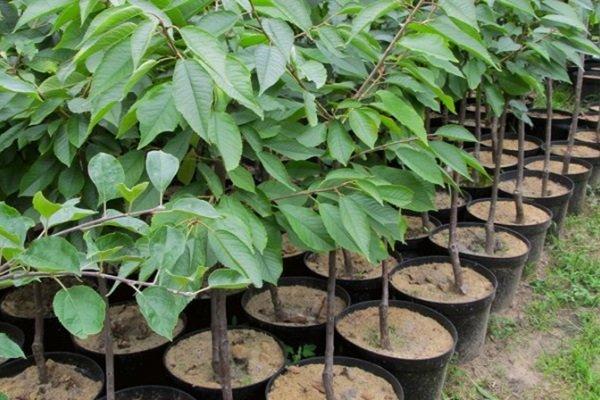
If seedlings were purchased in the spring, planting them at that time is also acceptable. It's recommended to choose a specific time based on the weather. This is done before the buds open, between spring frosts. Cherries are typically planted in late or early May. In early spring, planting can be postponed until early April. However, the tree is not planted in the summer.
How to select and prepare planting material
To ensure a bountiful harvest, it's important to choose the right seedlings. It's best to purchase planting material from specialized nurseries. You can also contact trusted sellers.
Two-year-old trees are suitable for planting. It's important that they have a well-formed crown. The tree should have three to four full branches up to 40 centimeters long. The trunk diameter should be at least 15 millimeters. Plants older than two years have difficulty transplanting. In this situation, there's a high risk that they won't survive.
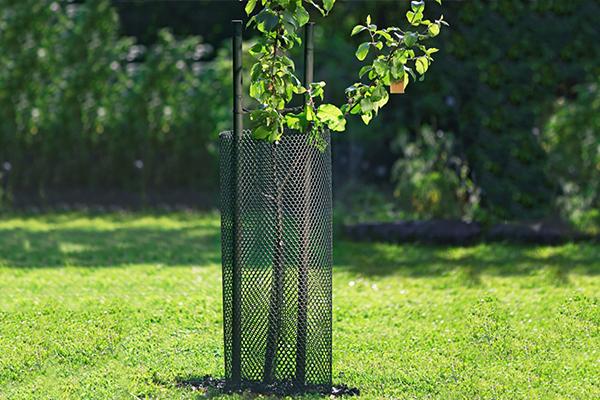
It's important to note that the tree's roots should be sufficiently developed, free of growths or damaged areas, and should be up to 30 centimeters long.
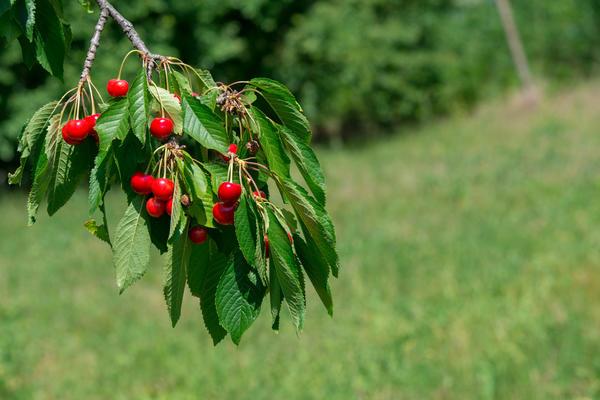
Before purchasing, examine the condition of the bark. It should be smooth and uniform, without any damaged areas. If the bark is wrinkled, this indicates the plant is excessively dry. Such a plant will not thrive. The condition of the buds, which are responsible for the emergence of new shoots, is also important. They should be vibrant and undamaged.
Requirements for neighbors
Cherries have strong, shallow roots that can be a nuisance to neighboring plants. Therefore, they should not be planted near the following crops:
- Apple trees are pome fruits that outcompete stone fruits. The distance between apple and cherry trees should be at least 10 meters.
- Pear competes with cherries for nutrients. This negatively impacts the yield of both plants.
- Raspberries share the same diseases, so they can infect each other. Experts recommend maintaining a distance of at least 15 meters.
- Apricot and peach trees have different care requirements. Cherry trees should be kept at least 7 meters away.
- Nightshade plants contribute to the spread of various diseases.
- Trees with powerful roots – these include poplar, spruce, linden, pine.
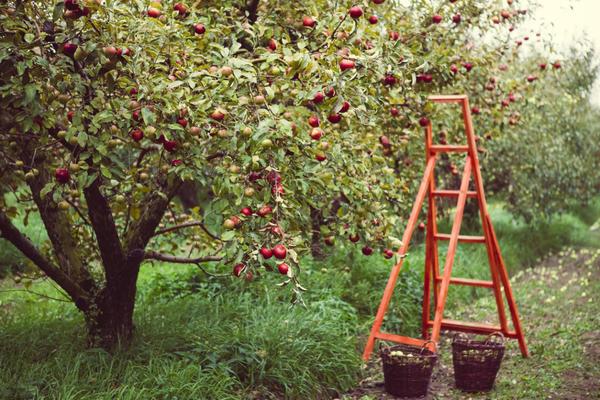
The following crops are allowed to be planted near cherry trees:
- Cherry – this proximity ensures cross-pollination. However, it's important to ensure that the crowns of the plants don't overlap. The minimum distance is 6 meters. For larger crops, a 10-meter interval is suitable.
- Plum is a fairly favorable neighbor for cherries. The trees can be planted quite close, taking into account the size of their crowns. The average distance is 5 meters.
- Honeysuckle – the crop can be planted in the area around the tree trunk.
- Barberry is a worthy neighbor for cherry trees. It is planted at a reasonable distance.
Take a look Also

Site selection and preparation
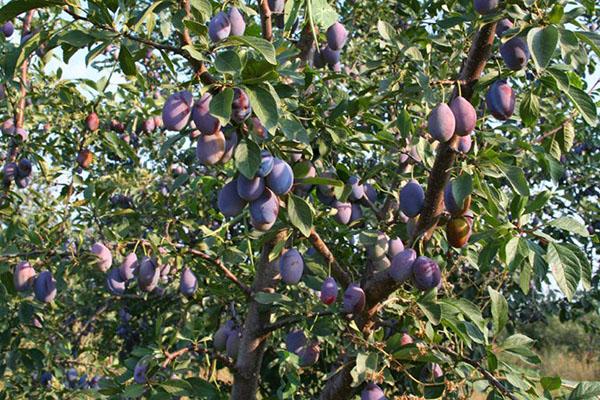
Cherry trees thrive in a well-lit location, protected from strong winds. Most cherry varieties are not self-pollinating, so they are planted in groups.
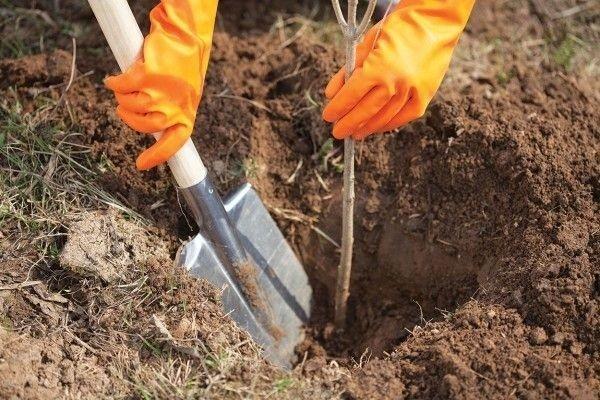
Before planting, dig holes measuring 70 x 70 x 70 centimeters. Add wood ash and sodium sulfate to these holes. Superphosphate can also be used. This fertilizer will help achieve the desired soil acidity.
Planting diagram
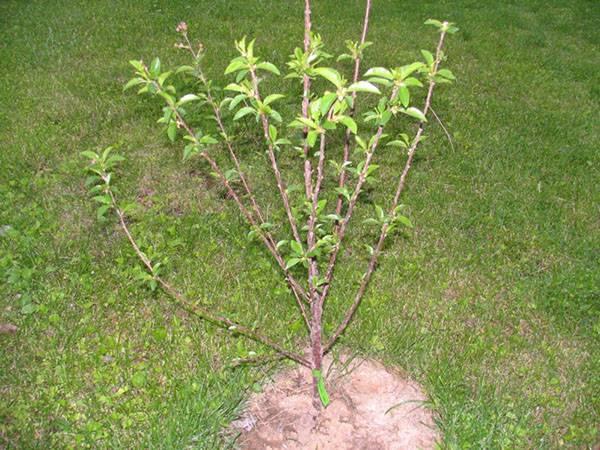
To plant a cherry tree, place the plant in the center of the hole and cover it with regular soil. The tree will need support on the south side. A stake will not only prevent the tree from falling over but also help protect it from sunburn.
Maintain a minimum distance of 5 meters between trees. Ensure that the crowns of the trees do not intertwine.
Care instructions
To ensure abundant fruit production, cherry trees require high-quality care. This care must be comprehensive.
Watering
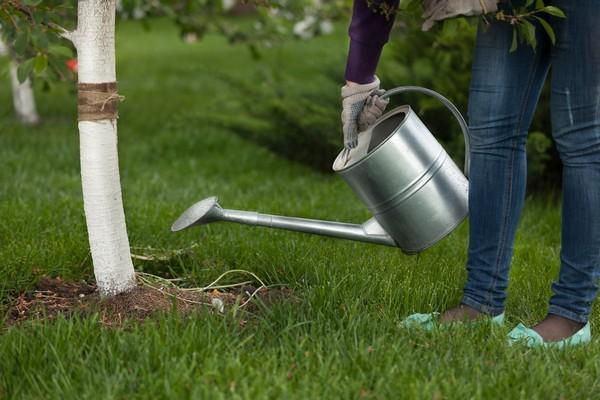
Excessively dry soil reduces crop yield. Overwatering can cause berries to crack and rot. Therefore, it's important to choose the right watering schedule. It depends on the soil composition, rainfall frequency, and the gardener's resources.
Cherry trees require at least 3-4 waterings during the season. These two waterings should be combined with the use of complex fertilizers.
Top dressing
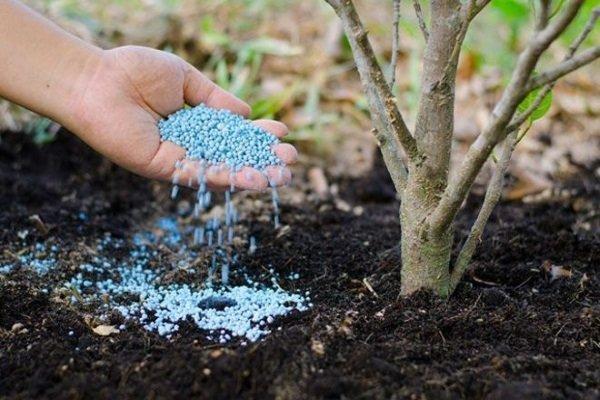
Young plants do not require additional feeding. They have sufficient nutrients from the planting process. In subsequent years, the soil should be fertilized in spring and fall. In spring, cherry trees require nitrogen fertilizers to stimulate growth. In fall, apply fertilizers containing potassium and phosphorus.
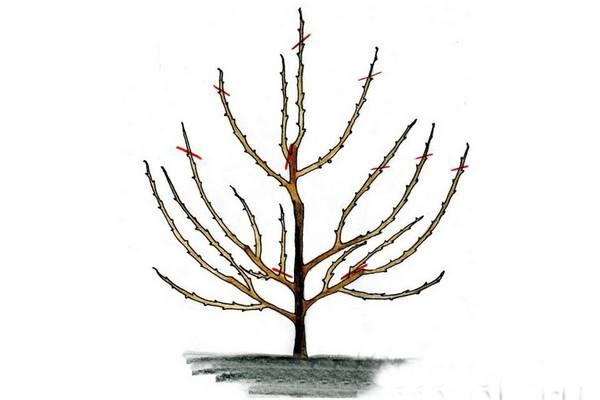
Crown formation
To create a beautiful and strong crown, formative pruning is performed. Proper pruning helps achieve a bountiful harvest and improves the plant's resistance to disease.
Sanitary pruning
This type of pruning is aimed at removing dried, infected, and broken branches. These should be burned. Unscheduled pruning can also be performed. It is aimed at removing branches that cannot support the weight of berries during a large harvest.
Preparing for winter
Even frost-hardy varieties need to be prepared for winter. To do this, the area around the tree trunks should be mulched in October. Fallen leaves and peat are used for this purpose. The tree trunks are covered and tied with spruce branches. This will provide additional protection from rodents.
To improve the winter survival of mature plants, senication is performed. This procedure should be carried out in the first half of August. For this, it is recommended to take 1.5 kilograms of superphosphate and mix it with a bucket of water. Let the solution sit for two days, stirring occasionally.
Let the prepared mixture settle. Then, add 25 grams of bone glue mixed with 5 liters of water. Apply the mixture to the trees. It is recommended to apply the mixture in the evening. This should be done in dry, windless weather. This will ensure the maturation of young shoots and make them more frost-resistant.
Features of caring for columnar cherries
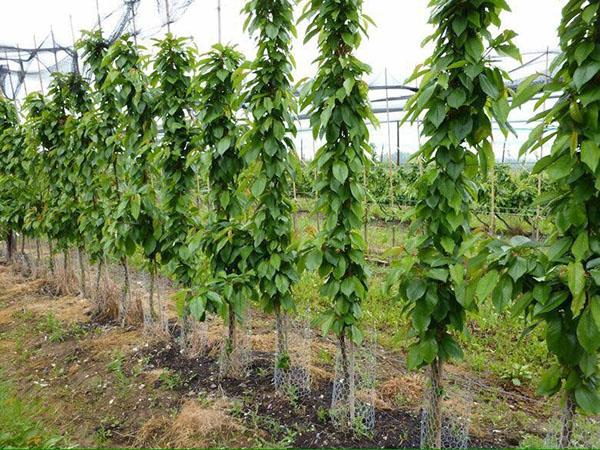
Columnar cherry It has a distinctive shape. The trunk reaches 3-4 meters in height. However, the fruiting branches are small and form a cylindrical shape. This cultivar offers many advantages:
- For 1 tree you only need 0.5 square meters.
- The culture is resistant to temperature fluctuations that are typical for the Moscow region.
- The first harvest is quick. Fruit can be harvested within the first year after planting.
- The berries have excellent taste and tolerate transportation well.
- It has excellent decorative properties.
- It is easy to care for, requiring only sanitary pruning.
Columnar cherries should be planted with other varieties that have the same flowering phase. This will ensure cross-pollination and a superior harvest.
Growing a cherry tree is easy. To ensure proper development, the tree requires regular loosening, watering, and pest control. In the spring, it's recommended to spray the tree with a fungicide.
Harvesting and storage
It's recommended to pick cherries when the characteristic coloring appears. Don't pick unripe cherries, as they don't have the best flavor and won't reach the desired sweetness. Overripe berries fall off and attract numerous pests and birds.
Harvesting should begin in the morning, after the dew has fallen. It is not recommended to harvest after rain, otherwise the harvest will not be preserved for long.
Ripe cherries don't keep for long. At room temperature, they can be kept for 5-7 days. Refrigerated, they can last up to 3 weeks. However, to do this, the berries must be completely dry.
To preserve berries for a longer period, freeze them. To do this, thoroughly wash and dry the cherries, then place them in airtight containers and freeze. After defrosting, eat them immediately or use them in desserts. Do not refreeze the berries.
A wide variety of cherry varieties can be grown in the Moscow region. To choose the best one, consider the berries' ripening time and frost resistance. To ensure a bountiful harvest, proper planting and high-quality care are essential.
Related posts:
 Planting and caring for cherries, feeding and growing rules
 The best grape varieties for growing in the Urals, planting and care rules in summer
 The health benefits and harms of cherries, rules of consumption, and their effects on the body
 Description and cultivation of the Bryansk pink cherry variety, pollinators
 Methods for planting and propagating cherries at home
 Description and cultivation of the 15 best cherry plum varieties for the Moscow region, planting and care rules
 Description and characteristics of the 27 best plum varieties for the Urals, planting and care
 Description of the Vasilisa cherry variety, cultivation and care