
- Description and characteristics of the species
- The merits of culture
- Reproduction
- Care
- Self-fertility
- Automation of berry picking
- Unique decorativeness
- Popular varieties
- SEM
- Sabrina
- Helena
- Yellow
- Black
- Silvia
- Little one
- Delight
- Queen Mary
- Little Sylvia
- Curly
- Methods of reproduction
- Graft
- Sowing the seed
- Cuttings
- How to plant
- Selection and preparation of seedlings
- Choosing a location
- How to prepare a site
- Arrangement of the planting hole
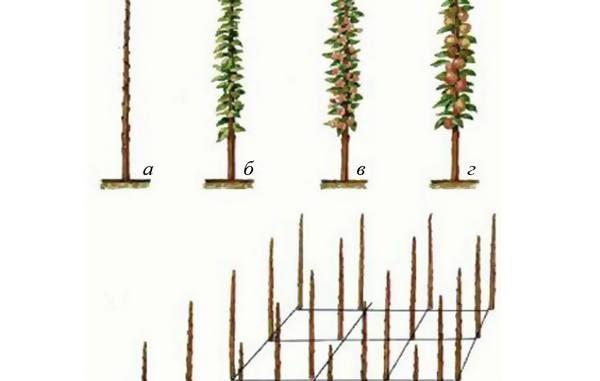
- Planting diagram
- Recommendations for choosing deadlines
- Rules of care and cultivation
- Regular watering
- Weeding
- Top dressing
- Soil correction
- Preparing for winter
- Protection from rodents
- Trimming
- Crown formation
- Protection from diseases and pests
- Application in landscape design
- Classical
- Hedge
- Cup-shaped
A small plot severely limits gardeners' plant choices. To grow as many crops as possible, they must select compact yet productive plants. Columnar, high-yielding cherries are ideal for a small garden. These trees allow for healthy berries to be harvested at minimal cost. Breeders annually introduce new varieties with improved characteristics, suitable for cultivation in all regions where agriculture is developed.
Description and characteristics of the species
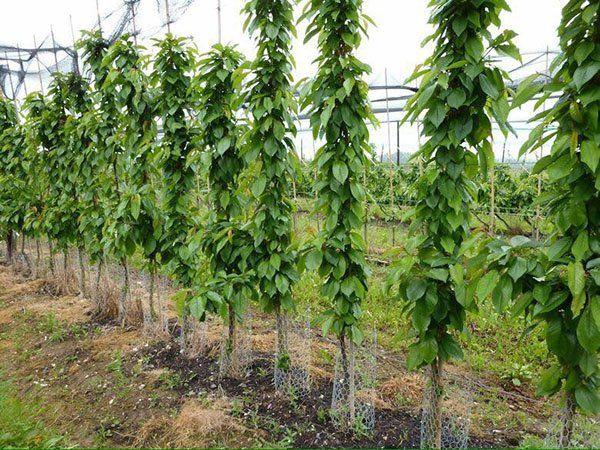
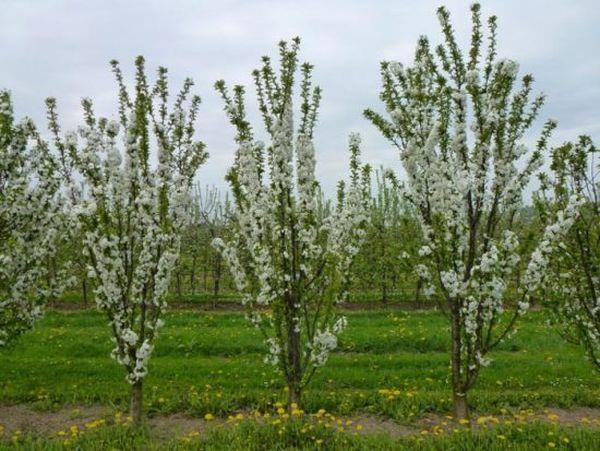
Columnar cherries have certain characteristics that distinguish them from other varieties that are less suited to growing in confined conditions:
- the tree grows only in height and has compact dimensions;
- the height of an adult plant does not exceed 3 m, its shape is cylindrical;
- Due to the fact that the cherry tree does not grow in width, the distance between neighboring trees is kept minimal, which significantly saves space on the site;
- It is very convenient to collect the ripened crop;
- Columnar cherry not only produces a bountiful harvest of delicious fruits, but also decorates the garden with its unusual appearance.
When purchasing planting material, ensure that the top bud is not damaged. Otherwise, the seedling will not grow and bear fruit.
The merits of culture
Columnar cherries offer a number of advantages that distinguish them from other varieties. They also have certain drawbacks, which is why some gardeners still plant classic, time-tested varieties in their plots.
Reproduction
Columnar cherries are propagated indoors by grafting, seeds, and pits. However, in the latter case, the chance of preserving the varietal qualities is only 50%.
Care
The tree is unpretentious and requires little care. However, during its first year, the seedling will need protection from wind and dry soil. Subsequently, the cherry tree will require regular and consistent watering, fertilizing, and preventative treatment against diseases and pests.
Self-fertility
Columnar cherry varieties include both self-fertile and those requiring planting near pollinators. This factor should be taken into account when purchasing a seedling.
Automation of berry picking
Columnar cherry varieties are often chosen for cultivation not only by gardeners, but also by professional farmers, since these plants offer the opportunity to automate the berry harvesting process and use mechanization for this purpose.
Unique decorativeness
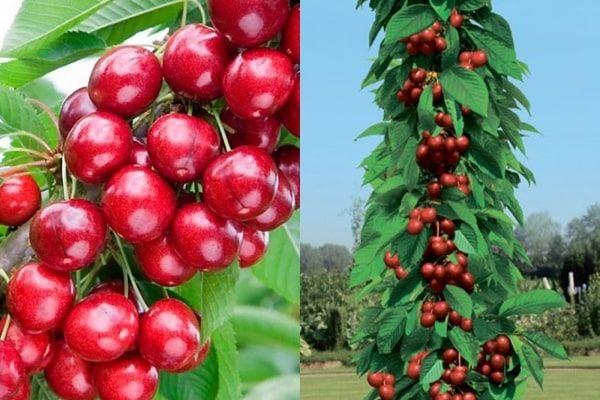
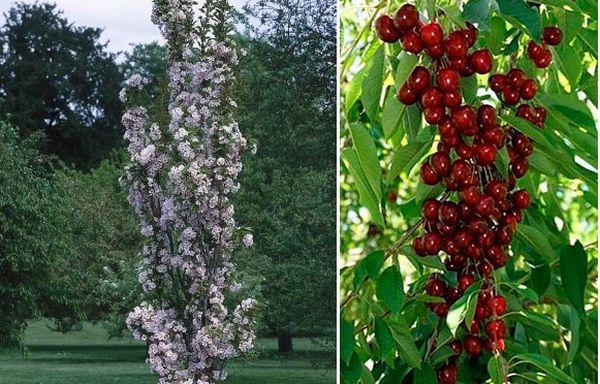
The columnar plant not only serves as a source of tasty and healthy berries during the summer season, but also as a true decoration for the garden. Its unusual appearance is actively used by landscape designers.
Popular varieties
The diversity of varieties and excellent taste of the harvest contribute to the growing popularity of columnar cherries. Some of them are particularly popular among gardeners.
SEM
This variety serves as a universal pollinator and can be planted with any other cherry tree, increasing yields. The fruits are sweet and small. It is an early-ripening variety. The plant's life cycle lasts 15 years.
Sabrina
Sabrina is not suitable for cultivation in regions with harsh climates due to its low frost resistance. The tree reaches a height of 3 m, and its diameter can exceed 1 m. It is highly disease-resistant and is almost immune to insect attacks. The fruits are sweet and juicy, and the yield is high.
Helena
This compact tree, no more than 3 m tall and no more than 1 m wide, produces a bountiful harvest of ruby-red berries weighing approximately 13 g. They have a rich flavor and firm flesh. Each cherry tree produces up to 14 kg of fruit per season. The plant's life cycle lasts 25 years. It has good frost resistance, making it suitable for growing in temperate climates.
Yellow
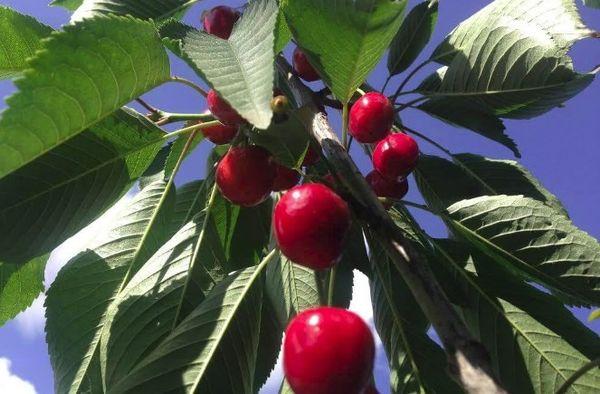
This new variety, introduced to gardeners, is still a rarity, and obtaining a seedling is proving challenging. A mature plant yields up to 15 kg of fruit. The fruits are large, juicy, and firm. A significant advantage of this variety is its yellow berries, which are unattractive to birds, allowing them to remain on the tree longer. The cherry tree has a lifespan of 20 years.
Black
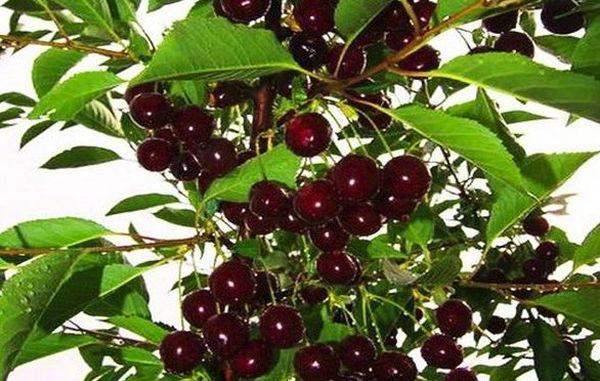
This variety is resistant to temperature fluctuations, but still requires additional protection during the winter. The tree grows to a height of approximately 2 m, with a crown width of no more than 50 cm. The large cherries develop a ruby color and a beautiful glossy sheen when ripe. The flavor is rich and pleasant.
Silvia
An early variety, it is less susceptible to the negative effects of insects and microorganisms. During the winter, the cherry tree requires shelter and protection from temperature fluctuations. Yields are high. The berries are suitable for transportation and long-term storage, making them often grown commercially.
Little one
The cherry tree grows to a height of no more than 2 meters, with a crown diameter of 0.8 meters. Its distinctive features include a strong aroma and a balanced sweet and sour flavor. This variety is suitable for cultivation in Siberian conditions, but requires adequate winter protection. The fruit is suitable for fresh consumption and all types of processing.
Delight
A mature tree grows up to 2.5 m in height, with a crown width of approximately 1 m. Yields are stable. This mid-early variety is highly resistant to fungal diseases and is resistant to pests. Cherry fruits weigh approximately 15 g and turn a beautiful scarlet color when ripe. They have a sweet flavor and firm flesh. The tree begins bearing fruit in the second year after planting.
Queen Mary
This variety is not suitable for growing in harsh climates. Even in temperate climates, the plant requires winter protection. This drawback is compensated for by the excellent flavor of the fruit and abundant harvests. Characteristic features include the rich aroma of the ripe berries and their vibrant color.
Little Sylvia
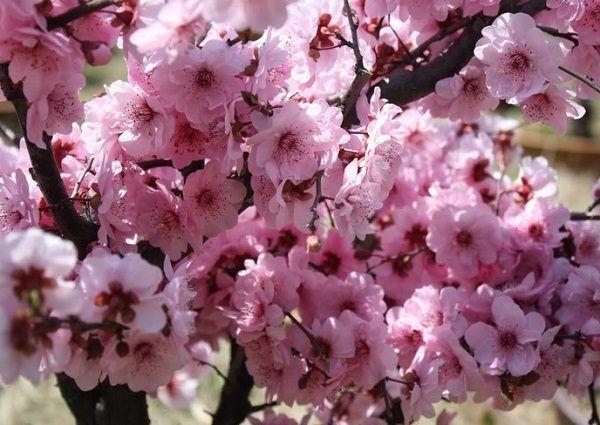
This variety differs from the common Sylvia cherry tree in its miniature size. Its height does not exceed 2 m, and the crown width is 0.5 m. The harvest is near the end of June. The fruit characteristics are similar to those of the common Sylvia.
Curly
This new cherry tree for domestic gardeners differs from its counterparts in that its crown tends to branch out, forming a lush, beautiful column. This tree not only yields a rewarding cherry harvest but also serves as a true garden ornament. The fruit is highly palatable. It can be transported long distances and used for processing.
Methods of reproduction
Gardeners aren't always able to obtain a seedling of the desired columnar cherry variety, so they use several proven propagation methods to grow young trees themselves.
Graft
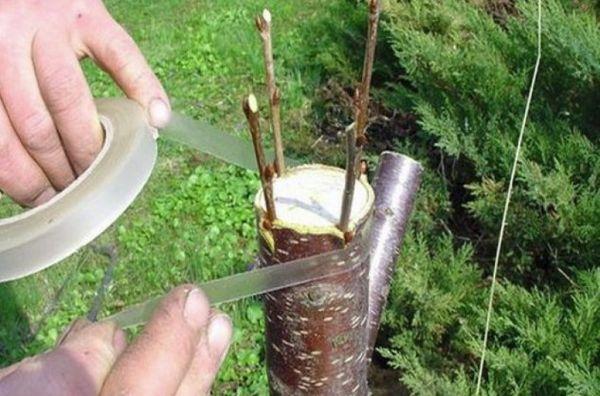
When propagating cherry trees by grafting, two-year-old seedlings are selected as rootstocks. The scion should be grown alongside several rootstock shoots.
Sowing the seed
This method is primarily used by breeders to develop new varieties, as the chance of preserving varietal qualities is limited to 50%. To plant cherries, a mixture of nutrient-rich soil and sand is prepared in a 1:1 ratio, and the pits are sown into it. The sprouted plants are left indoors until May, after which they are transplanted into the garden bed. The trees are sent to their permanent growing location only after a year, when they have already become stronger.
Cuttings
Cuttings for propagation are taken from a healthy, mature tree, treated with a rooting stimulant, and planted in loose soil for rooting. After two weeks, the seedlings begin to develop a root system. They will need adequate shelter for the winter, and the following year, the young plants are transplanted to their permanent location.
How to plant
Planting columnar cherries on a plot has certain peculiarities and is somewhat different from a similar procedure for ordinary varieties.
Selection and preparation of seedlings
The first thing to pay attention to when choosing a columnar cherry tree seedling is the apical bud. If it is damaged, the tree will not grow upward, and you may never get a harvest. The plant's root system should be well developed and free of fungal or other diseases. The seedling should not be mechanically damaged.
Choosing a location
A well-lit location, protected from strong winds and drafts, is ideal for planting cherry trees. Loose, nutrient-rich soil is preferable. Avoid planting trees in low-lying areas or near groundwater tables.
How to prepare a site
In the area where you plan to plant cherries, remove all weeds in advance, till the soil, and apply fertilizer. If planting is planned for spring, it's best to fertilize the bed in the fall. To achieve this, add not only organic matter but also superphosphate, which will have time to decompose and enrich the soil with essential micronutrients before the onset of warm weather.
Arrangement of the planting hole
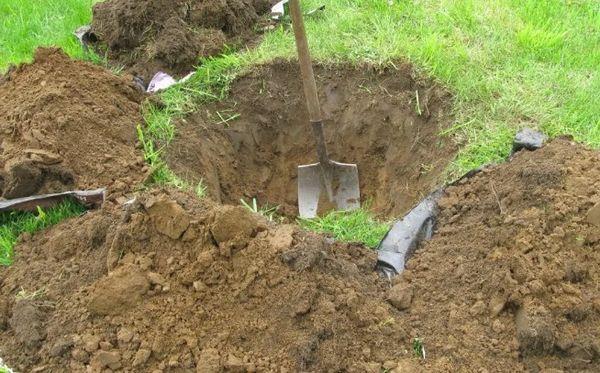
To plant a columnar cherry tree, dig a hole measuring 70 x 70 cm. Place a 0.25-0.3 cm thick mixture of compost and manure at the bottom. Add a 10 cm layer of sand on top, followed by a layer of organic or multi-component fertilizer. To protect the roots from overwatering, you can first place a drainage layer of broken brick or small stones at the very bottom.
Planting diagram
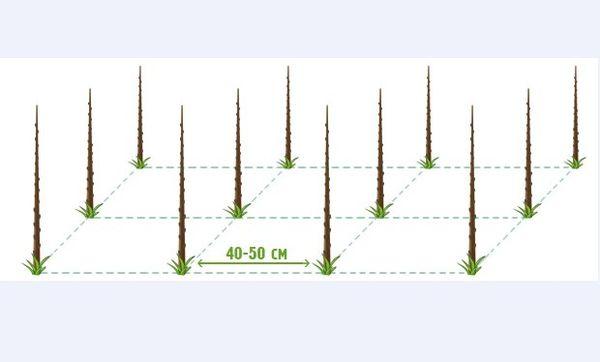
The seedling is placed in the prepared planting hole, the roots are carefully spread out, a wooden stake is inserted for support, and the hole is filled with nutritious soil mixture. After this, the tree is tied to the support and watered generously. 20-30 liters of water are poured under each plant.
Leave at least 2.5 m between columnar cherry trees. Otherwise, they will simply shade each other, preventing normal development.
Recommendations for choosing deadlines
Cherry trees can be planted in either spring or fall. In the Moscow region and temperate climates, spring planting is preferable, as the seedlings often don't have time to establish roots before the cold weather sets in and freeze over the winter.
Spring planting takes place before the sap begins to actively flow, when the threat of severe night frosts has passed. This typically occurs in April.
Rules of care and cultivation
Columnar cherries produce a good harvest if properly cared for. This process has a number of nuances that are useful for both novice and experienced gardeners.
Regular watering
When watering, it's important not to allow the soil to dry out. However, overwatering also negatively impacts the cherry tree's health. During the first few years, the plant requires daily watering at a rate of 4 liters per tree. Once fruiting begins, reduce the frequency of watering and increase the amount of water. Adjust the amount of water applied depending on weather conditions. Overwatering the soil promotes the development of fungal diseases.
Weeding
After each watering or heavy rainfall, the soil around the cherry tree trunk must be weeded, removing weeds.
Top dressing
Columnar cherry trees are fertilized three times during the growing season. The first application is done immediately after the snow melts. Fertilizers containing nitrogen, phosphorus, and potassium are used. Afterward, the soil is watered. The second application is done in the summer, using urea. The final application is done in the fall. Potassium sulfide is best used during this period. Fertilizers containing nitrogen are applied exclusively in the spring.
Soil correction
The soil composition isn't always suitable. If the soil is clayey, sand should be added when planting cherries. If the soil is sandy, clay should be added. Wood ash or dolomite flour can be used to deoxidize the soil.
Preparing for winter
To protect the crown of columnar cherry trees from winter cold, wrap them in burlap, agrofibre, or spandex. The resulting structure is secured with rope or wire. Avoid using polyethylene or other non-breathable materials for covering.
Protection from rodents
Hares and other rodents can destroy young cherry tree saplings. To protect them, gardeners tie spruce branches around the trunk.
Trimming
Columnar cherry trees should be promptly trimmed of dry branches and shoots showing any signs of disease. Decorative pruning and shaping are optional.
Crown formation
Crown shaping for columnar trees is optional. By default, they will grow vertically, forming a beautiful column with vibrant fruit. To enhance their decorative qualities, gardeners have developed several shaping techniques and use them depending on their preferences and design ideas.
Protection from diseases and pests
To prevent disease and pest damage, it's recommended to carry out preventative treatments on columnar cherries in a timely manner. In the spring, before bud break, trees are sprayed with Bordeaux mixture. The treatment is repeated in May to prevent the development of fungal diseases.
As soon as buds begin to form on the cherry tree, treat it with ferrous sulfate, and in autumn, treat the soil around the tree with a urea solution. This work should be completed before the leaves fall. Before the cold weather sets in, remove and burn any debris and leaves from the area.
Application in landscape design
Columnar cherry varieties are grown not only for their harvest but also for landscape decoration. For this purpose, the trees are pruned to achieve the desired appearance.
Classical
The classic method of shaping the crown of a columnar cherry tree is to pinch the shoots, which stimulates their rapid formation and growth.
Hedge
This design is ideal for small plots. Trees are planted close together, and their side branches are pruned by 10 cm each season. The disadvantage of this method is that abundant harvests can only be obtained in the first five years. Subsequently, the crowns of the plants begin to intertwine, and yields drop sharply. The hedge is primarily decorative.
Cup-shaped
With some effort, a gardener can shape a columnar cherry tree into an unusual, cup-shaped crown. This requires pruning the upper part of the trunk and shoots annually. The tree begins to grow wider rather than taller. This technique is only suitable for dwarf varieties.
Related posts:
 Planting and caring for cherries, feeding and growing rules
 Description and cultivation of the Bryansk pink cherry variety, pollinators
 The health benefits and harms of cherries, rules of consumption, and their effects on the body
 Descriptions of the 20 best cherry varieties for the Moscow region, their planting and care
 Description and characteristics of the Veda cherry variety, planting and care scheme
 Description of the cherry variety Lyubimitsa Astakhova, planting and care
 Description and characteristics of the Tyutchevka cherry variety, planting and care
 Description and characteristics of the Valery Chkalov cherry variety, planting and care
