
- Description and Features
- What does it look like?
- Characteristics
- Height of a mature tree
- Flowering and ripening period
- Productivity and fruiting
- Transportability
- Drought resistance
- Frost resistance
- Advantages and disadvantages of the variety
- How to plant correctly
- Choosing a location
- How to select and prepare seedlings
- Recommended timeframes
- How to prepare a site
- Requirements for neighbors
- Planting diagram
- Pollinators
- Early ripening
- Zhabule
- Aprilka
- Early June
- Bigarreau Burlat
- Care instructions
- Watering mode
- Fertilizer
- Crown formation
- Sanitary pruning
- Preparing for winter
- Abundant watering
- Hilling the trunk
- Mulching
- Tree trunk circle
- Spring processing
- Diseases and pests
- Clusterosporiasis
- Coccomycosis
- Scab
- Moniliosis
- Gum flow
- Gypsy moth
- Aphid
- Cherry moth
- Cherry fly
- Weevil
- Regional features
- Middle zone
- Kuban
- Southern regions
- Urals and Siberia
- Harvesting and storage
Breeders have developed numerous cherry varieties, varying in tree size, berry color, yield, and ripening time. But to this day, many gardeners and vegetable growers prefer old, tried-and-true fruit crops that have been grown in their orchards and vegetable plots for over half a century. The cherry with the astonishing, heroic name of Valery Chkalov is one such variety.
Description and Features
The Valery Chkalov cherry variety was developed by Soviet breeders in the early 1950s. The fruit was submitted to state trials, which lasted over 20 years. It was only in 1974 that the new cherry variety was added to the official register of fruit crops, with a recommendation for cultivation in the North Caucasus Federal District and southern regions of the country.
The sweet cherry, heroically named Valery Chkalov, is considered an early-ripening variety. This berry requires additional care, but the excellent flavor and high yield outweigh any growing difficulties and shortcomings.
What does it look like?
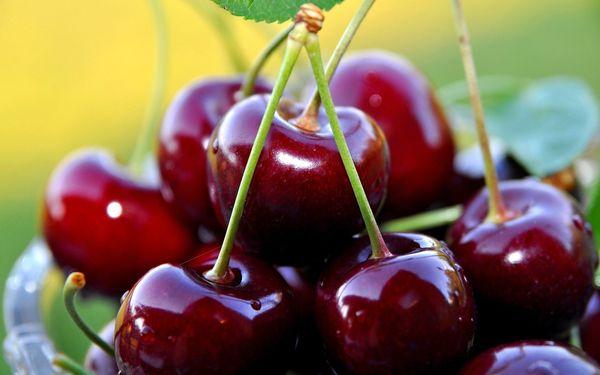
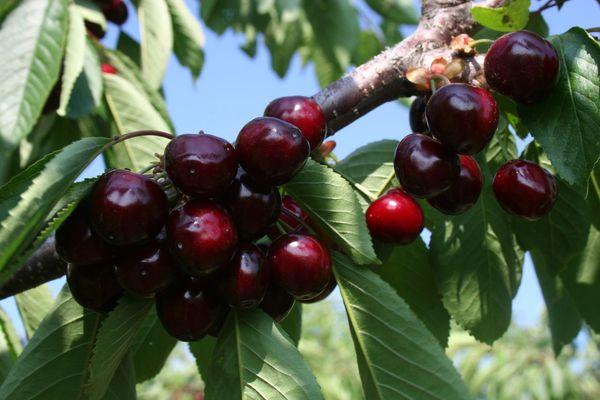
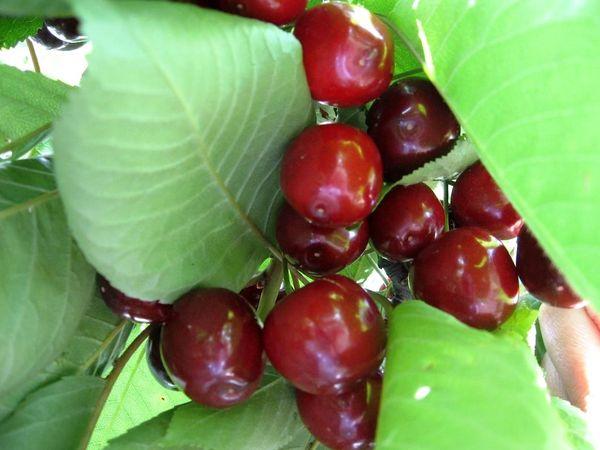
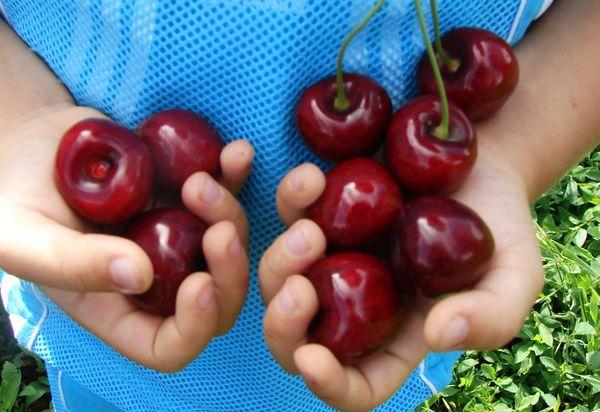
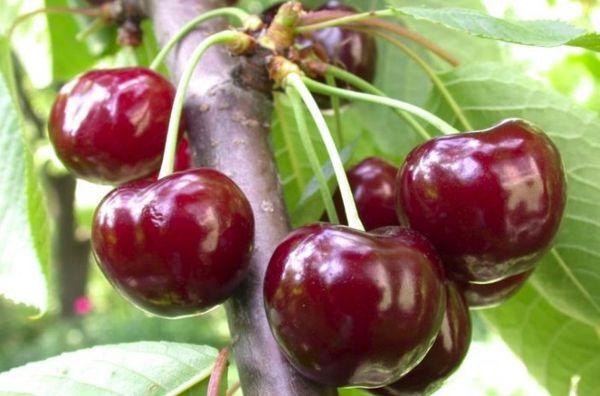
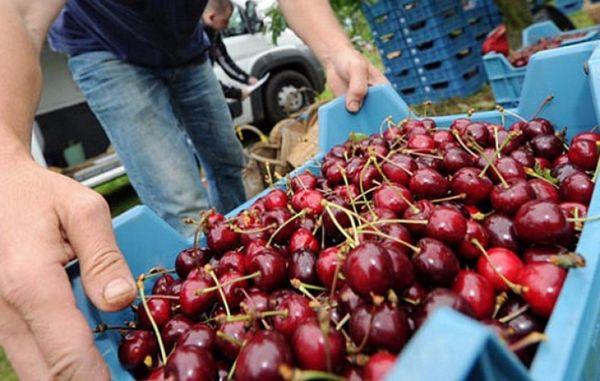
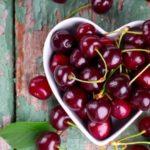
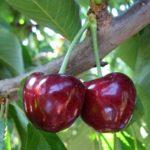
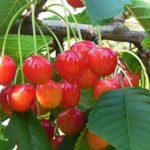
Ripe berries are large, weighing up to 8 g, dark cherry-colored, with juicy flesh and a sweet-tart flavor. This variety is considered a dessert variety and is recommended for universal use. The berries are consumed both fresh and processed.
Important! Valery Chkalov cherries contain virtually all the B vitamins, vitamins A and C, minerals, and essential amino acids.
Characteristics
Fruit trees grow and develop quickly, delighting each year with delicious and nutritious fruits. However, berry crops have their own characteristics and requirements that must be met to ensure a high-quality and abundant harvest.
Height of a mature tree
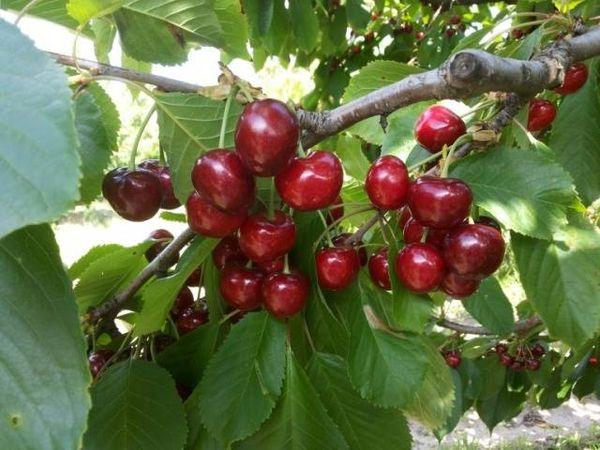
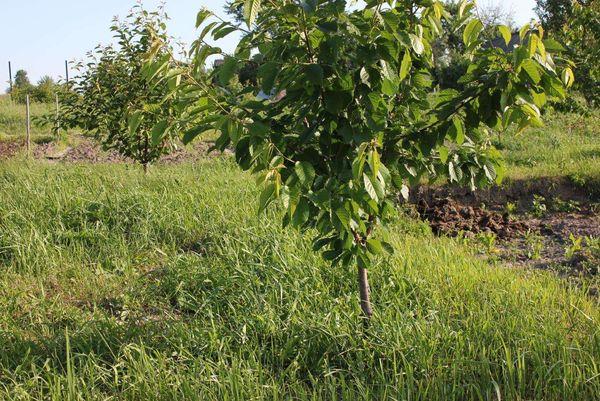
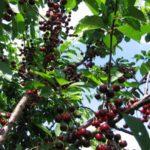
Trees of this variety grow from 5 to 6 m, with a pyramidal, wide, spreading crown and powerful skeletal branches of brown shades, growing at a right angle to the main trunk of the plant.
The leaf blades are large, up to 19 cm long, oval, with teeth along the edges and a sharp tip, dark green in color.
Flowering and ripening period
The trees enter the flowering phase in early May. Inflorescences emerge on the branches, revealing large, white flowers. After flowering, berries form in the inflorescences. The first harvest of ripe fruit appears in mid-June.
Important! The Valery Chkalov cherry variety is not self-pollinating; it requires the right pollinating neighbors to bear fruit.
Productivity and fruiting
Cherry trees begin bearing fruit in the fourth to fifth year of outdoor growth. Peak yield occurs when plants are 10 years old. It is at this age that cherry trees produce their heaviest berry yield.
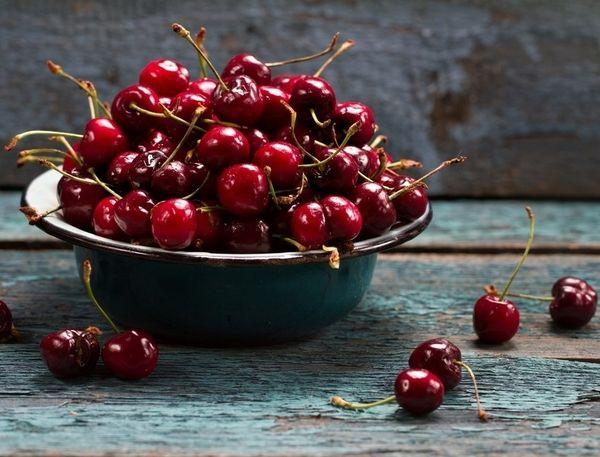
The variety is considered high-yielding. A single tree yields up to 65 kg of ripe, healthy fruit.
The maximum yield from one cherry tree of the Valery Chkalov variety was more than 170 kg.
Transportability
After harvesting, the berries with dense pulp retain their marketable appearance well and can be transported over long distances.
Drought resistance
Prolonged drought negatively impacts berry yield and flavor. Cherry trees are watered based on the same agricultural practices used for fruit crops.
Frost resistance
The Valery Chkalov cherry variety does not tolerate severe frosts or sudden temperature fluctuations. Spring frosts are especially damaging to this fruit crop, as they cause the trees to lose their fruit buds.
The minimum winter temperature that the plant can survive is -23 degrees.
Important! Proper and timely preparation for winter dormancy will help maintain plant health and fruiting.
Advantages and disadvantages of the variety
To grow Valery Chkalov's cherry tree, it's essential to thoroughly understand all the advantages and disadvantages of the cultivar.
Advantages:
- High yield variety.
- The berries ripen at the beginning of summer.
- Relative resistance to low temperatures.
- Excellent taste and large fruit size.
- Stable, annual fruiting.
When growing berry trees in cold climates, the variety's yield is reduced by half.
The main drawback of the Valery Chkalov cherry tree is its low resistance to diseases and pests. However, with proper and timely preventative treatments, the risk of fungal and insect damage is significantly reduced.
How to plant correctly
The key to a large harvest is proper planting of seedlings, choosing the right location, and adhering to the deadlines.
Choosing a location
Cherry trees require light. They should be planted in well-lit, sunny areas, sheltered from northerly winds and drafts. Groundwater levels should be at least 3 meters above the soil surface, and the trees should be located 4-6 meters away from buildings.
It's not recommended to plant fruit trees in lowlands or marshy soils. The best places to grow cherries are at slightly elevated elevations.
How to select and prepare seedlings
The speed of tree development, yield, and resistance to frost and disease depend on the quality of the selected planting material.
- Plants 1-2 years old and 90 to 110 cm tall take root best. Young trees better tolerate the stress of transplanting into open ground.
- The trunk of the seedling is smooth, uniform in color, without obvious damage or lesions from diseases, pests, or rot.
- The presence of branches with buds or green leaves is required.
- The roots are well-moistened and free of growths, knots, and damage. If there are any unidentifiable mold or rot signs on the rhizome, the seedling is not suitable for growing.
- Varietal fruit crops always leave a grafting mark on the lower part of the conductor.
Tip! Before planting in open ground, place trees in containers of warm, settled water for 10-15 hours, then treat the roots with a weak solution of potassium permanganate.
Recommended timeframes
The planting schedule is calculated taking into account the climatic characteristics of the growing region.
In the south, cherries are planted in open ground in the fall, after the leaves have fallen.
In temperate climates, planting trees is recommended in the spring, before the growing season begins. Over the summer, the seedlings will take root and develop, allowing them to survive the winter without problems.
How to prepare a site
Preparation of the land for planting fruit crops begins 4-6 weeks before the planned work.
Cherry prefers fertile, loose soil with neutral acidity and moisture.
- The soil is dug up to a depth of 30-35 cm, weeds are removed and the soil is loosened.
- Humus, organic matter and mineral fertilizers are added to the soil.
- Heavy, clayey soils are diluted with sand and humus, and acidity is reduced with lime.
- On the prepared area, planting holes are dug at least 70 cm deep and wide.
- The distance between plantings is from 2 to 2.5 m, between rows 4-5 m.
- A thick layer of drainage is placed at the bottom of the hole, fertile soil is poured on top and watered.
Important! If soil moisture is high and groundwater levels are close, drainage ditches or artificial embankments of fertile soil should be created.
Requirements for neighbors
Valery Chkalov recommends planting other fruit varieties or cherries near cherry trees. Beautiful flower beds and flower gardens are created under tall trees, along with garlic, herbs, onions, or currant bushes.
To prevent fruit trees from becoming infected with diseases and pests, it is prohibited to grow plants from the nightshade family, sunflowers, raspberry bushes, and gooseberry bushes near cherry trees.
Crop rotation increases plant resistance to negative environmental factors.
Planting diagram
As soon as the time for planting the seedlings arrives and the land plot is fully prepared, the trees are transferred to open ground.
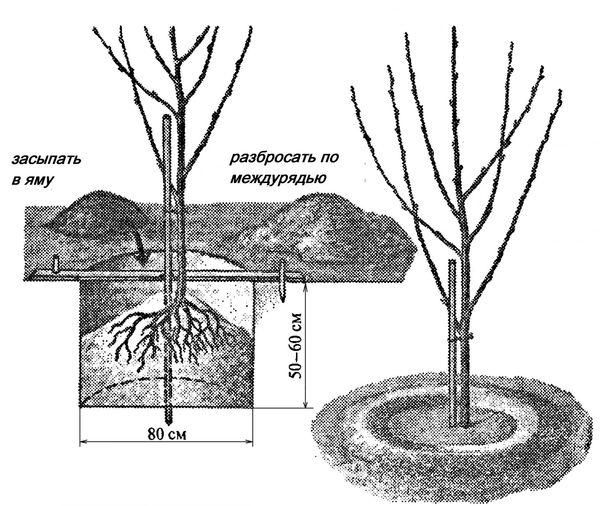
- A mound of fertile soil is created in the hole and a support peg is installed.
- The seedling is placed in the middle of the hole, distributing the roots evenly.
- The rhizomes are carefully covered with soil, being careful not to create any voids. The empty space between the roots and the soil creates favorable conditions for the growth of fungi, viruses, and parasites.
- The soil under the seedling is compacted and generously moistened with 2-3 buckets of water.
- The seedling is tied to a peg.
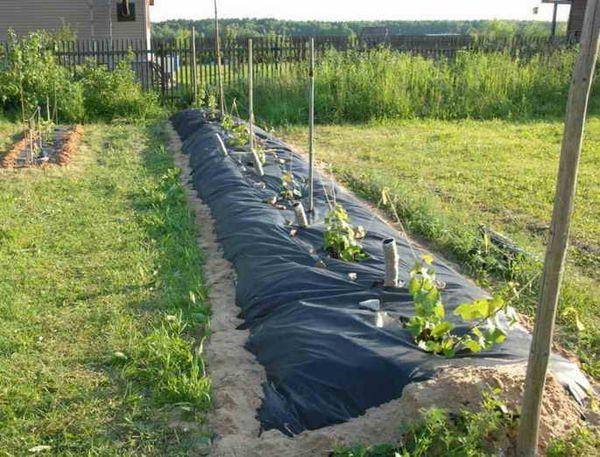
After planting is complete, the tree trunk circle is mulched with humus or dry grass.
Pollinators
The Valery Chkalov cherry variety is not self-pollinating. To ensure a productive harvest, sweet cherries or sour cherries with similar flowering times are planted nearby.
Take a look Also

Properly selected pollinators help increase yields and improve the taste of berries.
Early ripening
Due to its early ripening and high yield, this variety is often grown commercially. Its key characteristics include moderate frost and drought resistance, and a single tree yields up to 100 kg of large, red, sweet-tasting berries.
Zhabule
An old, proven cherry variety with an early ripening season, added to the register of fruit crops in the late 1940s. This red-fruited cherry produces berries up to 6 g in size, with a sweet flavor and firm flesh. It does not self-pollinate, but with proper care, a single tree can yield up to 140 kg of ripe berries.
Aprilka
The Aprelka cherry variety begins ripening as early as mid-May. The fruits are small, weighing 3 to 3.5 grams, dark red in color, and have a sweet flavor. They are not very tolerant of low temperatures. A single tree yields up to 80 kg of berries.
Early June
A large-fruited, early-ripening cherry variety. Berries weigh up to 8 g, with juicy, sweet flesh, and a dark red color. It does not self-pollinate, has excellent frost resistance, and is rarely affected by diseases and pests. A single plant yields up to 60 kg of fruit.
Bigarreau Burlat
It is considered the primary variety for commercial cultivation. A single plant yields up to 80 kg of ripe berries weighing up to 7 g, with firm, sweet flesh. This variety is not self-pollinating, is frost-resistant, and has natural immunity to some diseases and pests.
Care instructions
Proper and timely care of fruit crops is the key to a high-quality harvest of berries and a healthy plant.
Watering mode
Cherry trees do not tolerate excessive soil moisture well. In temperate climates, trees should be watered no more than once a month. During prolonged rainfall, watering should be avoided altogether.
In the southern regions, irrigation work is especially important during the flowering and fruit set period.
Water the trees in the morning or evening, pouring up to 8 buckets of water under each plant.
Fertilizer
From the second year of growth, fruit-bearing plants require additional feeding and fertilization. For this, organic fertilizers and balanced mineral complexes are used alternately.
During the flowering and ovary formation period, additional fertilizing with phosphorus and potassium is carried out.
Advice! Nitrogen fertilizers are used only in early spring to stimulate the growth of green mass in the tree.
Crown formation
Cherry tree crown formation is carried out in early spring or late fall. Each year, a new tier of skeletal branches is formed on the main tree, consisting of 3-5 of the strongest shoots.
After 5 years of growth, the tree's formation is completed, and sanitary and thinning pruning is carried out.
Sanitary pruning
With the arrival of spring and before the winter holidays, cherry trees undergo sanitary pruning Dried, frost-damaged, broken, and diseased or pest-infested branches are removed. Also, remove all shoots and branches older than 5 years that have ceased bearing fruit.
After pruning, the cut areas are treated with garden pitch or professional antibacterial agents.
Preparing for winter
To ensure that fruit crops easily survive the winter, do not freeze, and do not lose their ability to bear fruit, additional measures are taken in late autumn.
Abundant watering
Watering the tree abundantly before winter frosts will allow the plant's root system to survive and freeze.
Up to 100 liters of warm, settled water is poured under each cherry tree.
Hilling the trunk
Loosening the soil and hilling up tree trunks helps retain essential moisture and nutrients. Hilling also helps plant roots survive severe frosts.
Mulching
To insulate the root system and nourish it during the winter, the soil around the tree trunk is mulched with a thick layer of humus and covered with dry leaves or spruce branches on top.
Tree trunk circle
Before a tree's winter dormancy, the area around the trunk is cleared of dead leaves and weeds, and the soil is loosened. This protects trees from the spread of diseases and pests. Starting in the spring, the area around the trunk is cleared of weeds, loosened, and mulched as needed.
Spring processing
In early spring, before the growing season begins, carry out sanitary pruning, fertilizing and preventative spraying of fruit crops to prevent the spread of fungal infections and harmful insects.
Diseases and pests
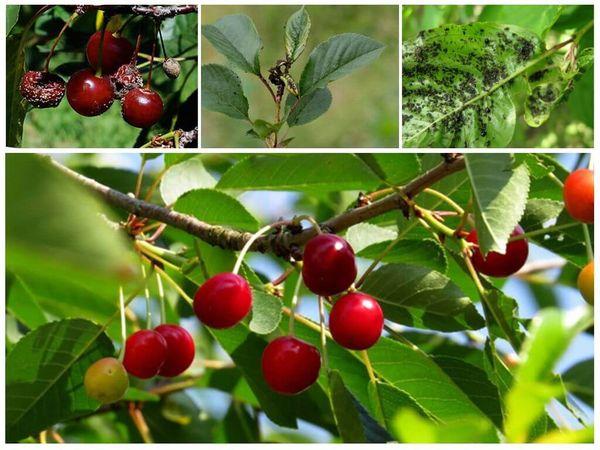
The Valery Chkalov cherry variety has a weak natural immunity to diseases and pests; without timely and proper care, the trees often become sick and infested with parasites.
Clusterosporiasis
Red spots appear on cherry tree leaves, which grow and develop into holes. The tree's foliage dries out, curls, and falls off completely. For treatment and prevention, treatment with copper sulfate and fungicides is recommended.

Coccomycosis
A fungal disease that affects tree leaves. Pink spots appear on the leaf blades, which then darken, leading to the complete loss of the cherry tree's foliage. Copper sulfate and fungicide-based products are used for prevention and treatment.
Scab
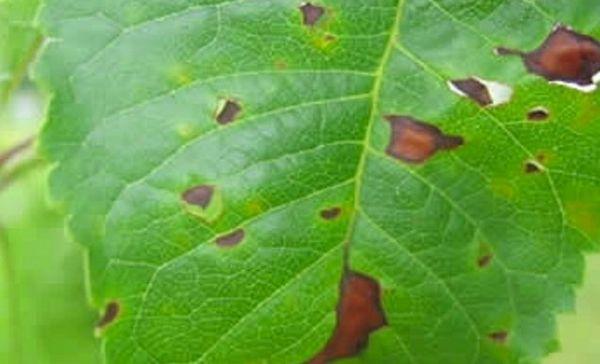
It manifests itself as brown spots on leaf blades. The leaves curl and dry out, the fruits stop ripening, and the ripe berries crack.
For treatment and prevention, trees are sprayed with solutions based on fungicides and copper.
Moniliosis
Gray mold affects the foliage, branches, berries, and bark of the plant. Branches turn black and dry out, while fruits become covered with a gray coating and rot. The disease spreads rapidly, requiring immediate treatment and prevention. Professional copper-based fungicide products are used.
Gum flow
Gum flow accompanies many fungal and viral infections of fruit crops. It manifests as wounds on the bark, from which a viscous yellow substance oozes.
Copper-containing preparations are used for treatment, applied to the plant wounds. Afterward, the damaged areas are coated with garden pitch.
Gypsy moth
The large caterpillar consumes everything in its path. To control the pest, spray cherry trees with insecticides during and after flowering.
Aphid
Aphids are the most common pest of fruit crops. These insects feed on the sap of cherry leaves and berries. If left untreated, the trees weaken and gradually die.
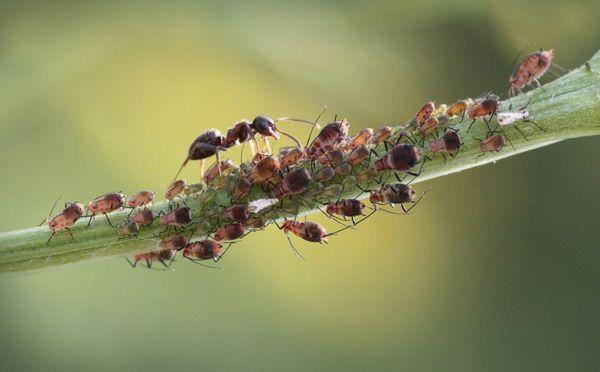
To combat aphids, professional insecticides, garlic infusions, onion decoctions, or ash solutions are used.
Cherry moth
The insect destroys leaves, flowers and buds of fruit crops, which contributes to a deterioration in fruiting.
In early spring, to prevent and exterminate pests, trees are treated with insecticide-based preparations.
Cherry fly
Before fruit appears, the cherry fruit fly feeds on tree sap, then lays its larvae on the berries. Once inside the fruit, the larvae develop and infect the berries.
To exterminate the cherry fly and prevent pest attacks, trees and soil are sprayed with professional pest control products in early spring.
Weevil
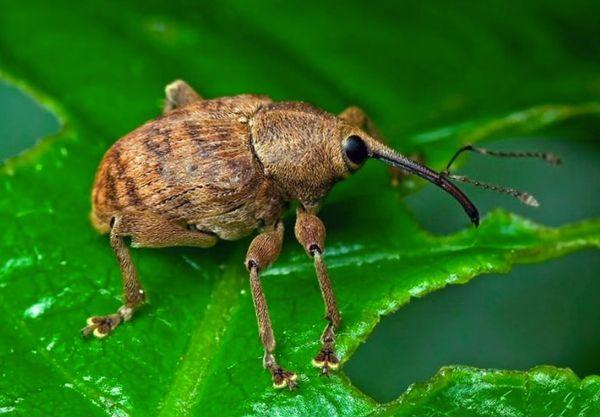
A fairly large beetle that feeds on green leaves and lays its eggs in berries.
Insecticide-based products are used to control weevils.
Regional features
The yield and flavor of Valery Chkalov's cherry berries directly depend on climatic growing conditions.
Middle zone
The fruit crop is resistant to the winters of the middle zone; in the absence of heavy rainfall, the berries ripen large and juicy.
Kuban
The largest harvests of the Valery Chkalov cherry variety have been recorded in the Krasnodar region.
Southern regions
With timely irrigation, this cherry variety grows and bears fruit well in all southern regions.
Urals and Siberia
Although this fruit crop is heat-loving, it is also successfully cultivated in the southern regions of Siberia and the Urals. Young seedlings are additionally insulated with special materials for the winter.
Important! Depending on the growing region, harvesting time may vary by 10-14 days.
Harvesting and storage
Ladders are used to harvest ripe cherries. To prolong their shelf life, the fruit is picked stem-first. The harvested berries are laid out on a flat surface under a canopy and sorted, separating firm fruits from soft ones, which are then processed.
The berries are placed in boxes or containers and sent for storage in a refrigerator or special chambers.
The shelf life of berries at room temperature is no more than 3 days, in the refrigerator, up to 10 days.
Related posts:
 Descriptions of the 20 best cherry varieties for the Moscow region, their planting and care
 Planting and caring for cherries, feeding and growing rules
 Description of the Drogana yellow cherry variety, planting and care
 The health benefits and harms of cherries, rules of consumption, and their effects on the body
 Description and characteristics of the Tyutchevka cherry variety, planting and care
 Characteristics and description of the Large-fruited cherry variety, pollinators and care
 Description and cultivation of the Bryansk pink cherry variety, pollinators
 Description of the best cherry varieties and cultivation in the Urals, planting and care