
- Features of the region
- Recommended varieties for growing
- The first swallow
- Firstborn
- Kozlovskaya
- Leningrad Yellow
- Red dense
- Dawn
- Iput
- Jealousy
- Ovstuzhenka
- Tyutchevka
- Compact Veniaminova
- Odrinka
- Veda
- Bryanochka
- Red Hill
- Pink sunset
- Teremoshka
- Bryansk pink
- Fatezh
- Cheryomaschnaya
- In memory of Astakhov
- Symphony
- Rechitsa
- How to plant
- Soil requirements
- Choosing a location
- Selection and preparation of planting material
- Planting diagram
- Care instructions
- Top dressing
- Watering mode
- Trimming
- Preparing for winter
- Defoliation
- Protection from diseases and pests
- How to care for the tree trunk area
- Common mistakes
Experienced gardeners have long been growing cherries, even in the Urals. Planting and caring for them are somewhat different from other regions and require strict adherence to agricultural practices. The tree produces abundant fruit only if provided with favorable growing conditions. All the effort is worth it after harvesting the delicious, beautiful, and nutritious fruit.
Features of the region
The Ural climate is unsuitable for farming, yet gardeners still grow crops with high tolerance to adverse conditions. These plants must withstand the cold winters and produce fruit during the short, cool summers.
When choosing cherries for cultivation in the Urals, select a frost-resistant variety (down to -30°C), with high yields and disease resistance. Also pay attention to the specific care and height of the mature tree, indicated in the varietal characteristics.
Recommended varieties for growing
The diversity of cherry varieties recommended for growing in the Ural climate is impressive. However, gardeners want to know which ones are the best and most reliable, so they don't waste time and effort growing this crop.
The first swallow
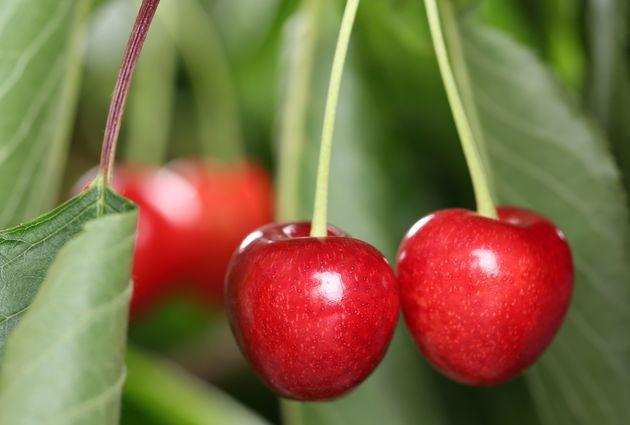
A frost-hardy variety with heart-shaped fruits and resistance to temperature fluctuations. Berries weigh up to 5 g. Their skin is glossy and dense. The harvest is suitable for transportation and processing.
Firstborn
A mid-late cherry with high frost resistance. Harvesting begins in July. Berries weigh up to 7 g. The flesh is sweet and juicy. The fruit is versatile.
Kozlovskaya
This variety was developed by renowned breeder I.V. Michurin. Its fruits are red, small, and have excellent flavor. The tree tolerates temperature fluctuations well and is frost-resistant. Yields are stable.
Leningrad Yellow
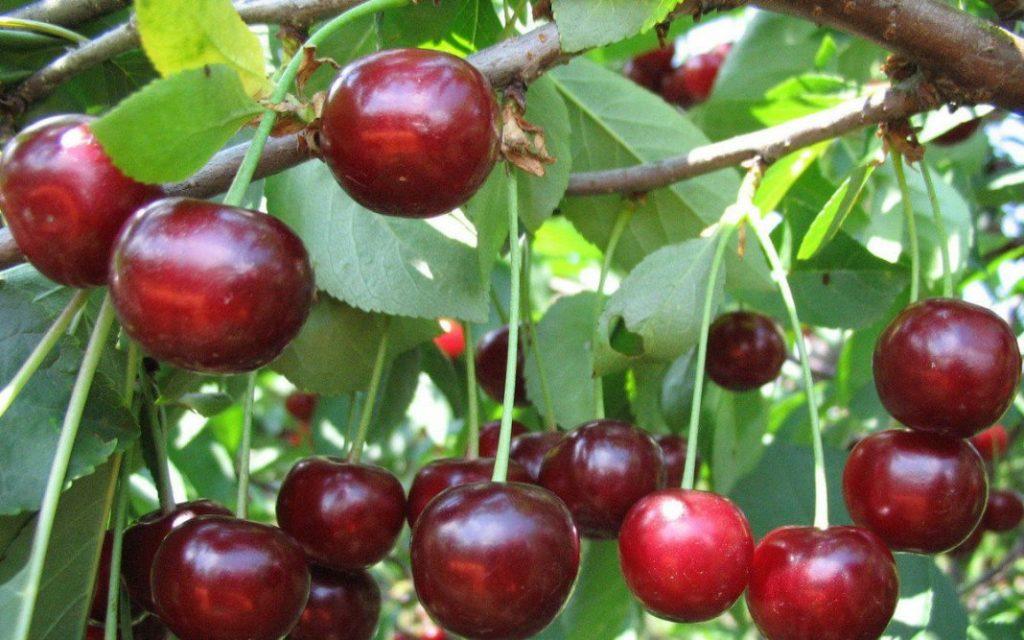
Sweet cherries are characterized by their late ripening period. The fruits are suitable for long-term storage and transportation, and have excellent marketability and taste. The tree is resistant to many diseases and pests (e.g., fruit rot and cherry blossom fly) and is winter-hardy. The yield is high, with berries weighing approximately 3.5 g.
Red dense
This cherry tree is tall and has a pyramidal crown. It has average cold tolerance and high yields. The tree is self-sterile and requires a nearby pollinator. Fruiting begins in the fourth year after planting. The average berry weight reaches 4.5 g. The harvest ripens in mid-July.
Dawn
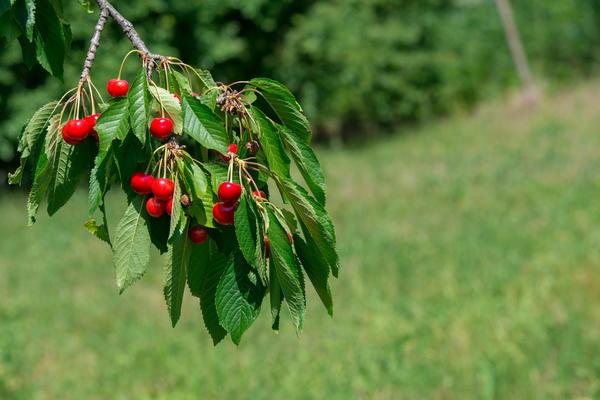
The tree is tall, with a spreading crown. The cherry is partially self-sterile, so to increase yield, a pollinator variety should be planted nearby. The berries are heart-shaped, weighing up to 4.5 g. When ripe, they turn orange-yellow with pink blush on the sides. The flavor is balanced, sweet and sour.
Iput
The variety's distinctive features include a pyramidal, spreading crown and large inflorescences. The fruits are medium-sized and, when ripe, acquire a dark red color and a glossy sheen. The flavor is pleasant, sweet and sour. The harvest is suitable for all types of processing.
Jealousy
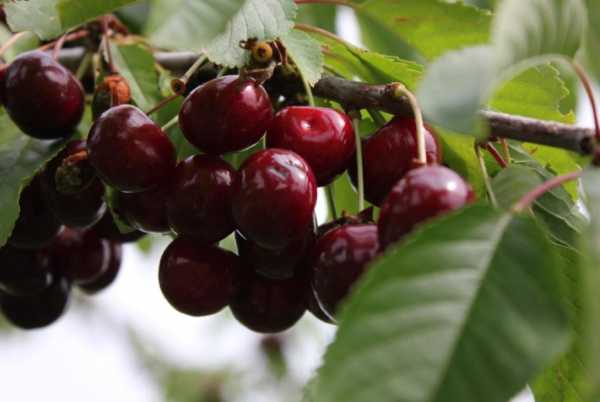
A mid-season variety named after the river of the same name. Its late flowering makes it resistant to frost. Fruits weigh 5-6 g and turn red-black when ripe. The flavor is excellent and balanced. The fruit is suitable for all types of processing and is suitable for transportation.

Ovstuzhenka
A winter-hardy variety producing fruits up to 7 g in weight. Once ripe, they become almost black. The harvest is suitable for processing but does not transport well. Fruiting begins in the fifth year after planting. The tree is short and spreading, making it easy to pick.
Tyutchevka
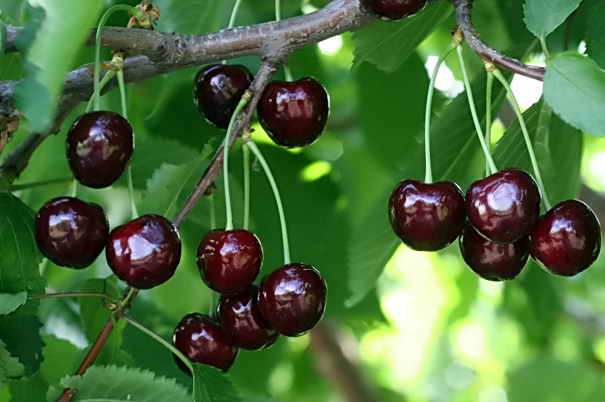
Sweet cherries are partially self-sterile and require nearby pollinator varieties. They are valued for their frost hardiness, high disease resistance, and consistent yield. The fruits are suitable for long-distance transport, have excellent flavor, and are highly marketable. If the soil is too waterlogged, the berries may crack.
Compact Veniaminova
A mid-season variety with a compact, low-growing tree. Fruit yields are high, with berries weighing up to 5 g. When ripe, they acquire a beautiful red-black color. The flavor is sweet. This cherry is self-sterile and requires planting near pollinators. The harvest ripens mid-early. The tree requires protection during the winter.
Odrinka
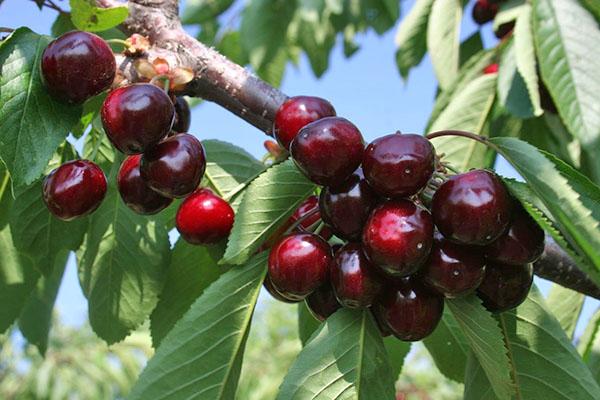
A popular cherry variety characterized by high resistance to fungal diseases and excellent frost hardiness. Fruiting is regular and consistent. The berries are small but delicious, and when ripe, they turn a deep red.
Veda
A relatively new variety, but one that has already gained popularity among gardeners, possessing excellent commercial and consumer qualities.
The tree adapts well to adverse factors and resists pathogens, and is characterized by good winter hardiness.
The harvest ripens uniformly. Thanks to the late flowering period, the fruit buds are not damaged by subsequent frosts. The cherry is self-sterile, so it needs to be planted near pollinating varieties.
Bryanochka
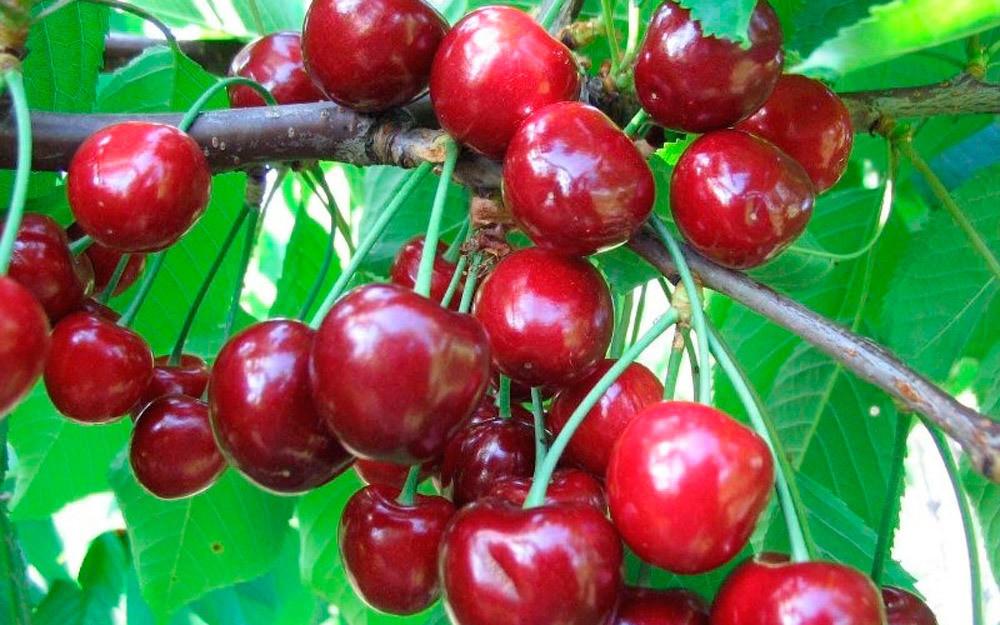
Distinctive features Bryanochka cherries The advantages of this variety are its tolerance to temperature fluctuations, cold hardiness, and high resistance to diseases and pests. The harvest ripens late. The tree is small but produces abundant crops every year. The fruits are tasty, firm, and suitable for transportation. The plant is self-sterile, beginning to bear fruit in the fifth year after planting.
Red Hill
A large-fruited, frost-hardy variety with excellent ripe berry flavor. It is highly resistant to pests and diseases. The tree requires little attention and is easy to care for, and its short stature makes harvesting much easier. The rich yellow fruits with a red blush do not transport well and are not suitable for canning.
Pink sunset
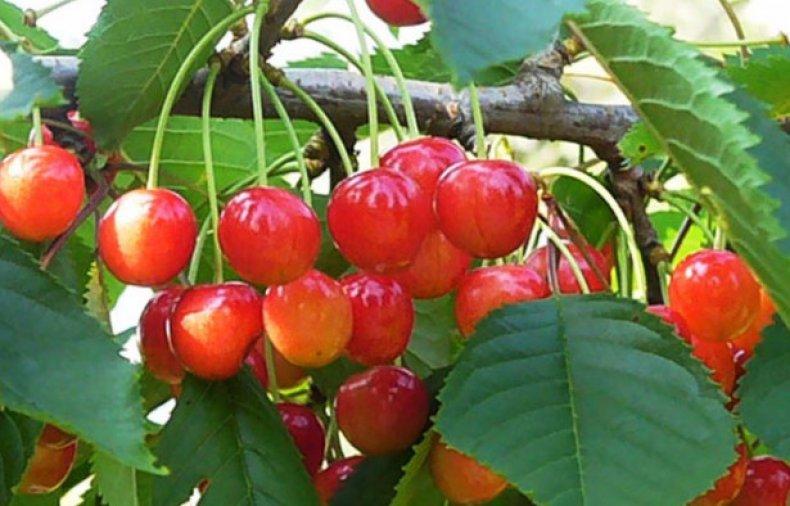
An early, frost-hardy cherry tree with a small, sparsely branched tree. The fruits turn a soft pink when ripe. Fruiting begins five years after planting.
Teremoshka
This variety is popular because its low-growing tree makes it easy to harvest ripe, sweet red cherries. It is characterized by high disease resistance and frost tolerance. The plant has moderate drought tolerance.
Bryansk pink
A medium-sized tree producing a bountiful harvest of pink-yellow berries weighing up to 5 grams. The fruit is suitable for transportation and short-term storage, as well as for all types of processing. The berries are sweet, with a subtle bitterness. They ripen towards the end of July, making this cherry a late-ripening variety.
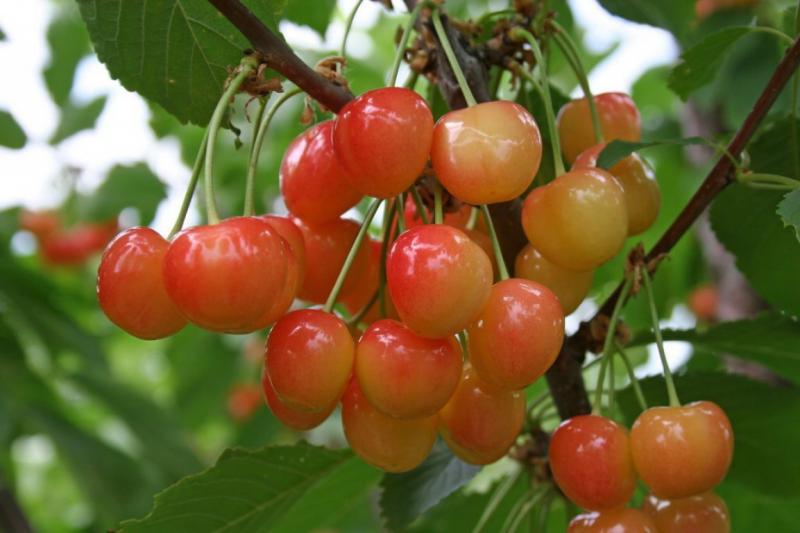
Fatezh
The best variety, zoned for variable climates with cold winters. The tree is short, making it quick and easy to harvest ripe fruits. The harvest is suitable for storage and transportation and is characterized by excellent flavor. The plant is resistant to fungal diseases. The cherry is self-sterile, so it must be planted near a pollinator variety.
Cheryomaschnaya
An early variety producing bright yellow fruit. Its sweet flavor distinguishes it from other yellow-fruited cherries. The tree is frost-hardy and disease-resistant. Among its drawbacks, gardeners note its self-sterility and the need for nearby pollinators.

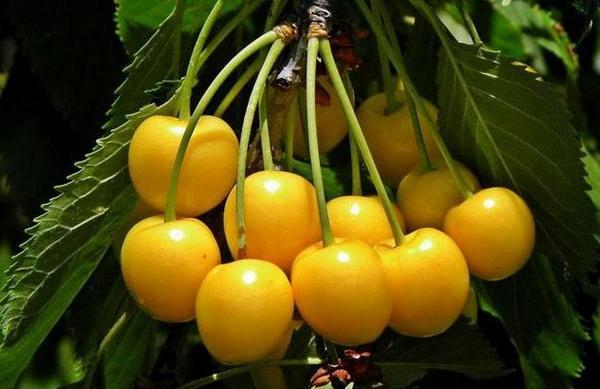
In memory of Astakhov
A drought- and frost-resistant cherry tree. Fruits reach 8 g in weight and are pink when ripe. Taste experts rated the variety at 4.8 points. For maximum yield, pollinators should be planted nearby.
Symphony
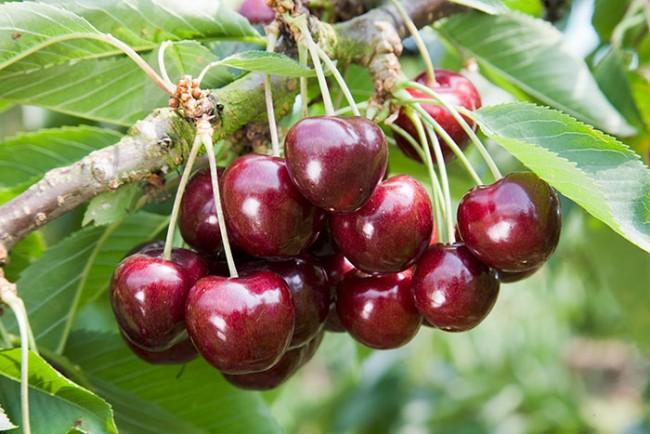
An early variety characterized by a tall tree with a spreading crown, excellent frost resistance, and disease resistance. The berries are medium-sized, red-black, juicy, and delicious. This cherry tree begins bearing fruit five years after planting.
Rechitsa
This variety has gained popularity because its berries begin to ripen after other cherry trees have finished fruiting. The tree bears fruit consistently every year and is resistant to diseases, pests, and frost. The fruit is suitable for long-term storage. To achieve maximum yield, a pollinator should be planted nearby.
How to plant
Planting cherry trees in the Urals has its own unique characteristics, although the process is generally the same as in other regions. It's important to time the planting correctly to simplify future care.
Soil requirements
For planting cherries, soil with a neutral acidity level is preferable. Before planting seedlings, acidic soil is limed and organic fertilizers are added to saturate it with nutrients.
Choosing a location
The site chosen for planting the cherry tree should be sunny throughout the day and protected from drafts and strong winds. Groundwater levels in the chosen area should be no closer than 2.5 meters.
Selection and preparation of planting material
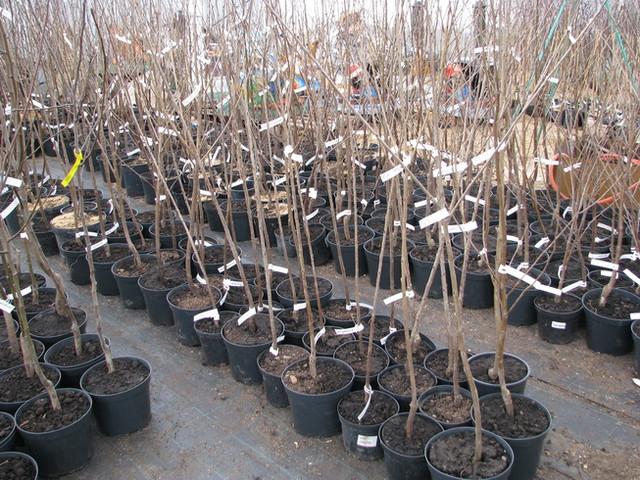
It's best to purchase cherry tree seedlings from reputable sellers, or even better, from a nursery. It's important to pay attention to the varietal characteristics and the plant's adaptability to the Ural climate.
Trees that are 2 years old and have a well-developed root system are best suited for planting.
It is unacceptable to purchase seedlings that show signs of disease or mechanical damage to the bark..
They can subsequently become a source of infection for other plants in the area. Before planting, the roots of young cherries are soaked in a growth stimulant.
Planting diagram
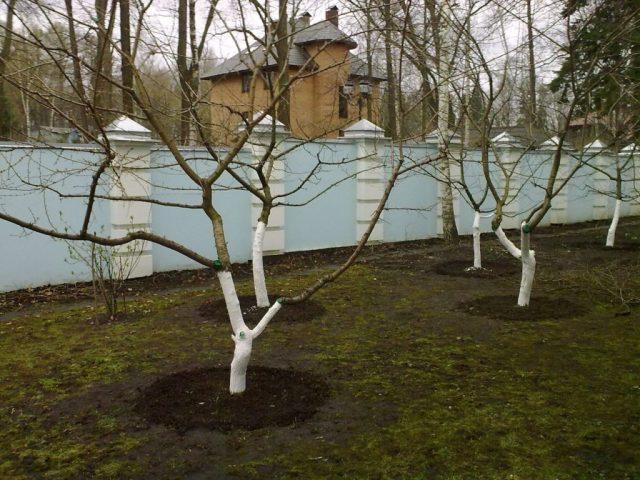
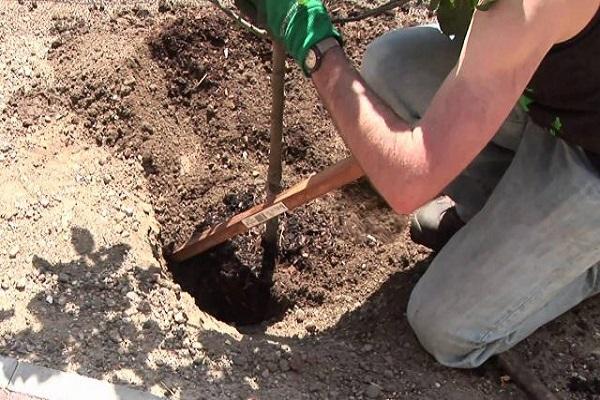
To plant a cherry tree, dig a hole measuring 70 x 90 cm. Organic fertilizer is mixed with the soil and placed in a small mound at the bottom of the hole. A drainage layer of broken brick or small stones is laid down first.
Place the seedling on the mound, carefully spread out the roots, and cover with soil. The root collar should be 3.5-4 cm above the soil surface. Tamp the soil down and water thoroughly.
The distance between adjacent trees or shrubs is approximately 3.5-4 m. This distance depends on the characteristics of the variety and the size of the mature tree.
Care instructions
To obtain a bountiful and high-quality harvest, cherry trees require proper care. In the Urals, these procedures have their own specific characteristics and nuances that gardeners must take into account.
Top dressing
When fertilizing cherry trees, be careful with nitrogen-containing fertilizers. They stimulate vigorous shoot growth and inhibit lignification. Nitrogen should be applied only in the spring. To prevent gum flow, apply calcium nitrate to the plants.
At the very beginning of autumn, it is advisable to spray with a mixture consisting of potassium sulfate and superphosphate.
To ensure that the cherry tree is properly prepared for the cold weather, foliar feeding with potassium monophosphate is carried out in August.
Watering mode
Cherries are moisture-loving plants, requiring regular watering. Even drought-resistant varieties experience reduced yields if the soil is not sufficiently moist. Watering should be done as the soil dries out.
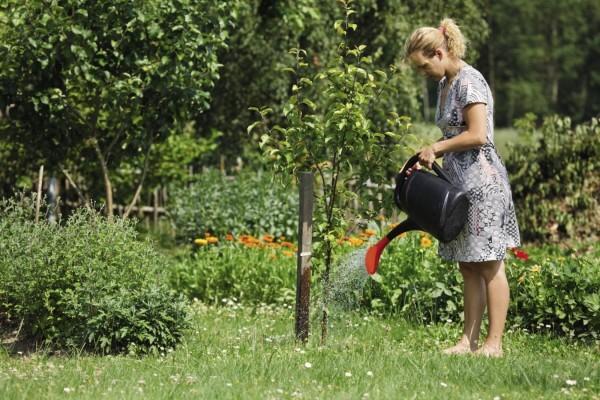 During the ripening period, overwatering can lead to cracking of the fruit, and overdrying of the soil can cause the roots to dry out.
To retain moisture and prevent the soil from drying out, it is advisable to mulch the area around the trunk.
Trimming
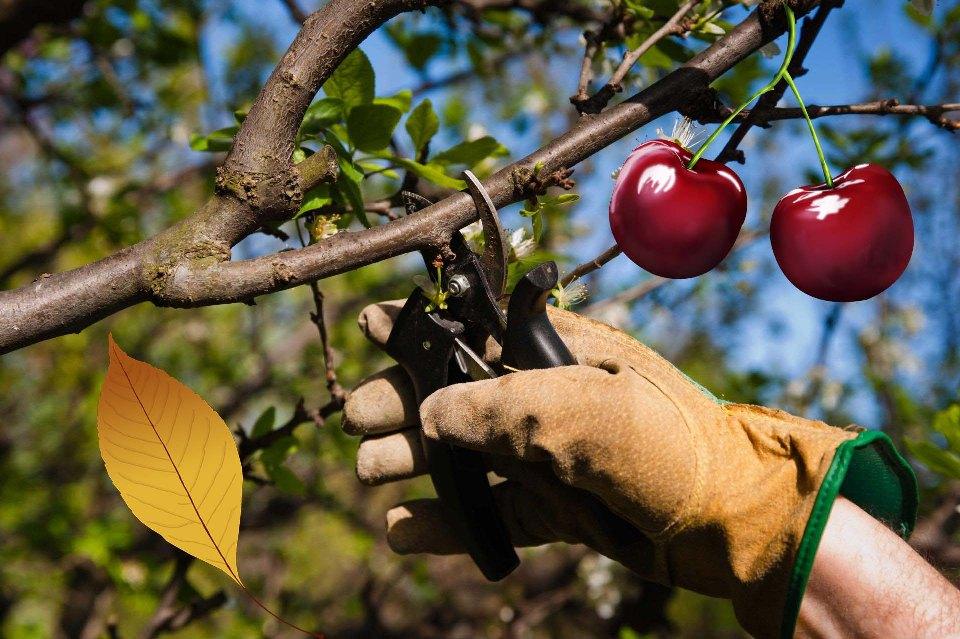
Cherry tree pruning in the Urals is typically done in the spring. It's recommended to finish the work before the buds begin to swell.
During the pruning process, the central shoot is shortened so that its length does not exceed 2.5 m.
Lateral stems, which can reduce yield, are also removed. Dry, broken, or diseased branches should also be removed. The cut areas are treated with garden pitch or another preparation designed for treating tree wounds.
Preparing for winter
Before the onset of cold weather, the soil around the tree trunk is loosened, watered generously, and fertilized. All weeds and undergrowth should be removed, and fallen leaves should be collected. After this, the area around the tree trunk is mulched with peat or sawdust. If the seedling is very young, it should be covered with agrofibre or another breathable material. Polyethylene should never be used for this purpose.
Defoliation
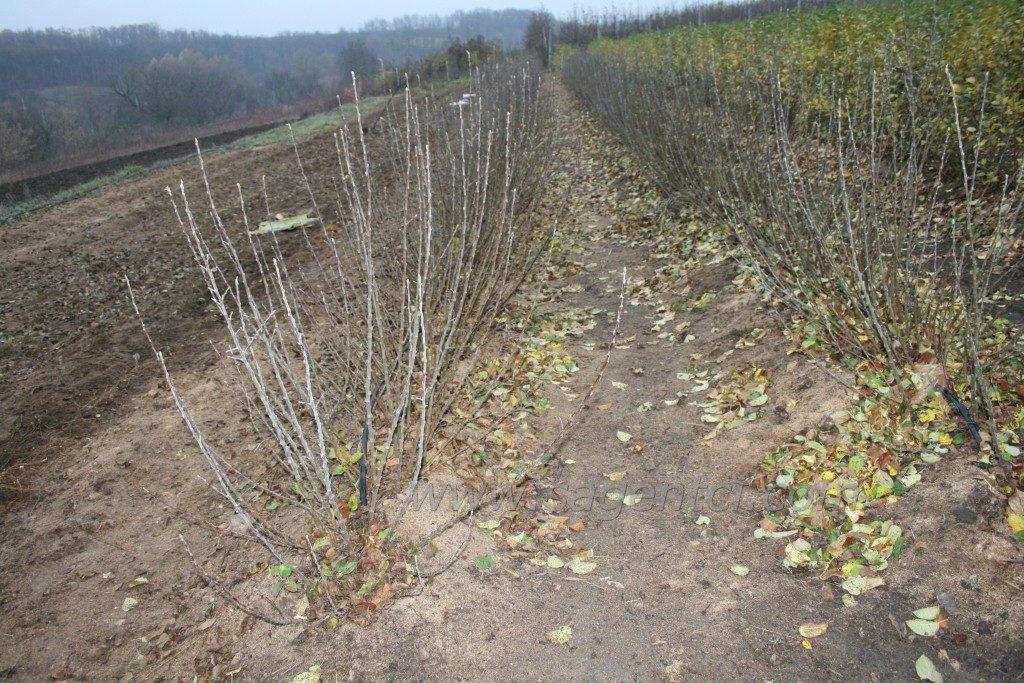
At the very end of summer, it's advisable to defoliate cherry trees grown in the Urals. This involves spraying with a urea solution or another defoliant to accelerate leaf fall. This not only increases the tree's winter hardiness but also promotes the formation of flower buds for the following season.
Protection from diseases and pests
Cherry varieties suitable for cultivation in the Urals are relatively resistant to diseases and pests. However, climate conditions are conducive to this, so gardeners are advised to regularly inspect their trees.
If the slightest signs of disease or pests are detected, it is necessary to immediately treat with insecticides or fungicides.
Immunomodulators, Bordeaux mixture, and adaptogens are often used for prevention. Treatments are primarily performed in the fall.
How to care for the tree trunk area
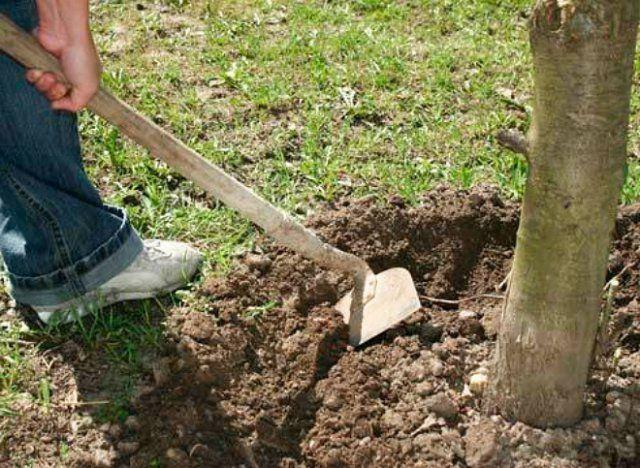
In early spring or fall, before the onset of cold weather, the area around the cherry tree trunk should be mulched. This not only helps retain moisture in the soil, but also controls weed growth, keeps the soil loose, reflects sunlight, and insulates the root system during winter. Periodically, the mulch layer is removed, the soil is treated with an antifungal agent, and a new layer of material is applied.
Common mistakes
When growing cherries in the challenging Ural climate, many gardeners, especially beginners, make common mistakes. These include:
- Incorrect selection of growing site and preceding crops. Cherries should not be planted in areas previously occupied by cabbage, plums, grains, onions, cherries, and strawberries. The best predecessors for cherries are considered to be apple trees, legumes, carrots, and pears.
- Violation of agricultural practices. In the Ural climate, cherry tree care requires a comprehensive approach.
- Planting a seedling in depleted soil. Trees cannot grow and develop in nutrient-deficient conditions, so if they don't die immediately, they significantly reduce the quality and quantity of their yield.
- Poor choice of variety. Only plants resistant to frost, temperature fluctuations, and disease are suitable for the Ural climate.
Related posts:
 Descriptions of the 20 best cherry varieties for the Moscow region, their planting and care
 Planting and caring for cherries, feeding and growing rules
 Description of the Drogana yellow cherry variety, planting and care
 The health benefits and harms of cherries, rules of consumption, and their effects on the body
 Characteristics and description of the Large-fruited cherry variety, pollinators and care
 Description and cultivation of the Bryansk pink cherry variety, pollinators
 Description of the Vasilisa cherry variety, cultivation and care
 Description and characteristics of the Tyutchevka cherry variety, planting and care