
- When is cherry tree transplantation necessary?
- When can I transplant?
- In the spring
- In summer
- In the fall
- Unfavorable neighbors for cherries
- Peach
- Pear
- Apple
- Rowan
- Currant
- Apricot
- How to properly plant cherry trees in open ground
- Selecting a seedling
- We determine the landing site
- Choosing the soil
- Recommended distance
- Preparing the planting hole
- Preparing the seedling
- Planting diagram
- How to care for cherry trees after planting
- Fixing to a peg
- Mulching
- Watering
- Weeding and loosening
- Trimming
- Gardeners' Tips
Cherries are woody plants that delight with their early, delicious berries. If the tree is planted correctly initially, relocating it is not necessary, but if mistakes were made early on, replanting is necessary. To ensure the tree grows and bears fruit, it's important to know how to properly replant cherries, the best age to do so, and the most favorable time.
When is cherry tree transplantation necessary?
In most cases, a young sapling is moved around the site, but sometimes it's necessary to move a mature tree. The most common reasons for this are:
- site redevelopment;
- construction of new premises;
- thinning of garden plantings;
- soil depletion.
There are other reasons that prompt gardeners to resort to such drastic measures. It's important to remember that replanting a fruiting tree can lead to negative consequences, including death. Therefore, it's recommended to weigh the pros and cons of this labor-intensive process beforehand and learn agricultural techniques that promote rapid growth and high-quality fruiting.
It's best to replant a three-year-old cherry tree, but not one older than six. Before replanting, be sure to carefully inspect the plant for any damage or signs of disease.
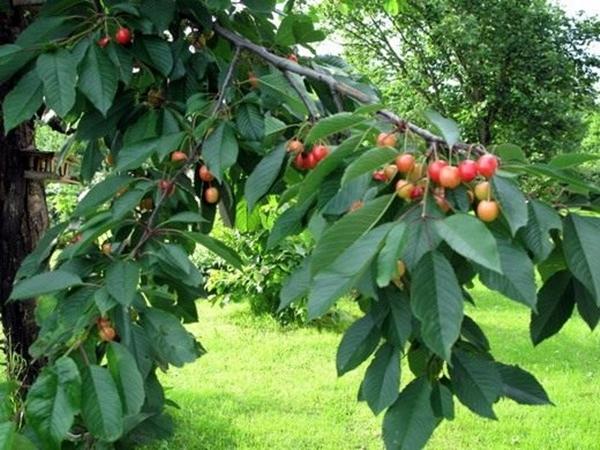
When can I transplant?
To minimize the risk of damage to branches and the central root, it's important to know when to transplant a tree. Mature trees react negatively to the process, so it's best to choose the right site for this fruit tree before planting it.
In the spring
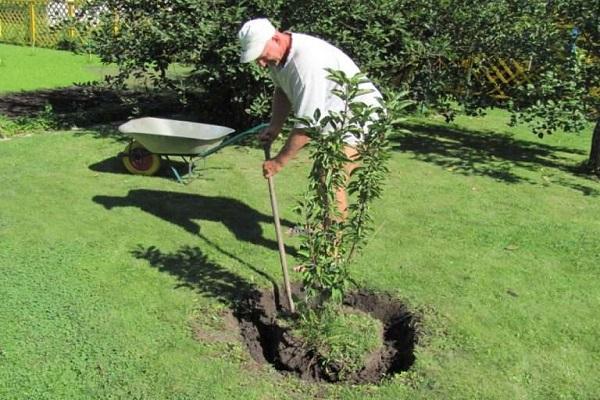
Spring is the best time to transplant young and mature trees. The key is to begin the process before the growing season. This is necessary to strengthen the central root and its branches. Over the summer, the tree will have time to establish itself in its new location, develop roots, and gain strength. During this period, the cherry tree will require more watering and fertilizing.
In summer
Summer is considered an unfavorable time for transplanting cherries. At this time of year, only young trees can be moved from one location to another, using transshipment. Any other method will not guarantee a successful outcome. It is recommended to transplant on cool, cloudy days; the best time is during periods of precipitation.
In the fall
In autumn, replanting is done mid-season, but everything will depend on the weather. If the autumn is warm and rainfall is sufficient, the process can be postponed until mid-November.
It is important to take into account that the plant must get stronger and adapt to the new location by mid-to-late November.

Unfavorable neighbors for cherries
When landscaping and planting any cultivated plants, it's recommended to consider their neighbors, as not all plants thrive in the same bed. For cherries, undesirable neighbors include cultivated plants that will inhibit their growth and development and can affect the yield and its quality.

Peach
Although these are both stone fruit crops, they require different care, so mixing them is not recommended. The distance between these two trees should be 10 meters or more.

Pear
These two trees are considered nutrient competitors. Planting them next to each other will result in poor yields for both crops.
Apple
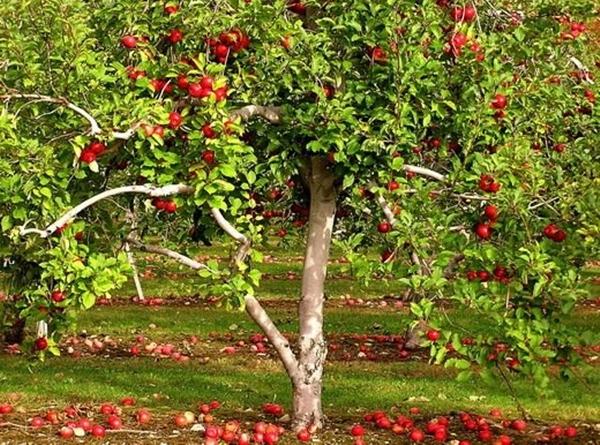
An apple tree will crowd out a cherry tree in the same area. The distance between these two crops should be at least 12 meters, otherwise, such proximity will negatively impact the cherry tree's growth.
Rowan
Most varieties of rowan can coexist with this crop in the same area, but before planting the tree, it is recommended to know that this plant has powerful rhizomes that can cause considerable inconvenience to its neighbors.
Currant
Red and black currants don't do well near cherries. The bushes stop growing, produce little fruit, and may die, so avoid them.

Apricot
Apricots and cherries are incompatible. If these two trees are planted close together, the apricot will bear fruit poorly, wither, and eventually die completely.
How to properly plant cherry trees in open ground
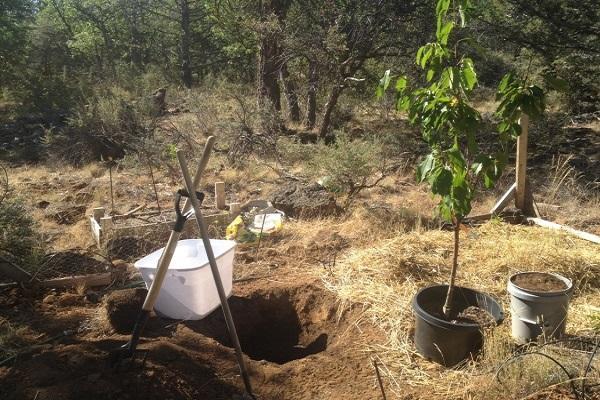
When replanting or planting, it's essential to consider the location and layout, and prepare the planting hole. Only high-quality planting material is suitable for this process. Replanting is a labor-intensive and time-consuming process, requiring proper execution of all steps.
Selecting a seedling
It is recommended to select seedlings whose varieties have proven successful in this particular region of the country. When selecting planting material, consider the following:
- The tree is about 1.5-2 years old.
- The appearance is not painful, there are no signs of any damage.
- The root system is intact, without damage or signs of decay, fully developed, with an intact central root and lateral shoots.
- Bark - no signs of disease or damage.
- The above-ground part is developed, without pathologies.
- The conductor is strong and healthy.
If you are purchasing container seedlings, you should pay attention to features such as foliage (normal green color), as well as all the nuances mentioned above.
We determine the landing site
This is a heat- and sun-loving tree. If you choose the right planting site, the harvest will be tasty and high-quality. Suitable site characteristics for this crop include:
- illumination of the area throughout the day;
- the site should not be in a lowland, it is desirable that there are no drafts there;
- the optimal location is south or southwest;
- an area without stagnant moisture, and the groundwater level is more than 130 cm.
If at least one of the conditions is not met, this can lead to frequent diseases and wilting of the plant, and then it will have to be transplanted to another site.
Choosing the soil
This plant is demanding when it comes to soil quality. It prefers fertile, light, permeable, and breathable soil. It should be neutral in pH. It should not be planted in heavy clay or peaty soil.
The optimal option for the site is considered to be a place with light sandy loam or loamy soil.

Recommended distance
This tree has spreading branches and a good root system, so it's recommended to take this into account when planting a young tree. If this information is ignored, nearby trees will grow poorly, wither due to a lack of space and nutrients, and bear virtually no fruit.
The recommended distance between cherry trees and other trees is 4.5 meters or more. It's recommended to plant 2-3 trees in a single plot, as this crop is cross-pollinated. Flowering should occur at the same time.
Preparing the planting hole
Preparation begins in advance. If planting is planned for spring, then everything is done in the fall. If this is not possible, preparation begins at least a month in advance. The preparation stages are:
- digging up the garden bed, removing weeds and their rhizomes;
- correctly established neighborhood;
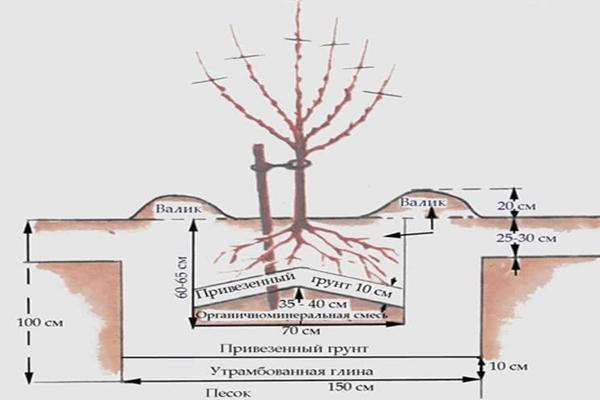
- digging a hole, the width of which is at least 110-120 cm, depth – 0.7-0.9 m;
- when digging, the top layer is set aside and then used;
- placement of a drainage layer at the bottom of the pit;
- fertilization – a mixture of fertile top layer and 10 liters of humus;
- A couple of weeks before planting, another mixture of fertilizers is added - 10 liters of soil and 100 g of superphosphate, 60 g of potassium sulfate.

Preparing the seedling
One and a half days before planting, soak the seedling in a liquid without any additives. After this time, carefully inspect the roots for rot and damage, which are removed. Now the cherry tree is ready for planting.
Planting diagram
A topsoil layer is added to the hole, which has already been filled with fertilizer, to prevent the young roots from coming into contact with the fertilizer. A support for the seedling is immediately installed in the hole. The seedling is then placed, allowing its root system to spread out. The hole is then filled with soil, which is compacted. After planting, the cherry tree is watered thoroughly and the soil is mulched.
How to care for cherry trees after planting
To ensure the tree thrives and stays healthy, it needs proper care afterward. During the first year, it's recommended to monitor the tree: secure it properly, mulch it, provide adequate and consistent watering, remove weeds, prune, and shape the crown.
Fixing to a peg
The stake is secured before the seedling is placed in the hole and after it has absorbed water. The young cherry tree is secured to the support with rope. Care must be taken to prevent the rope from rubbing the young bark, so a small piece of fabric or other material is placed between them.

Mulching
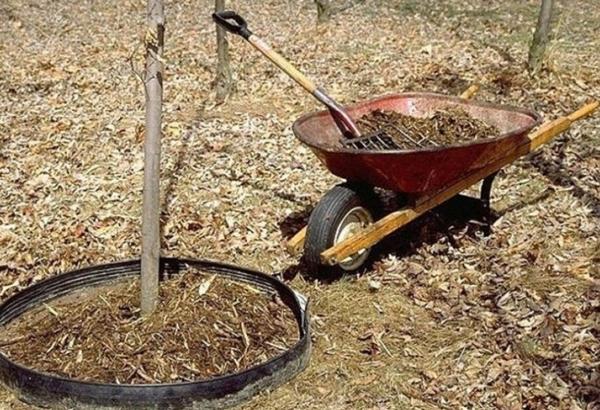
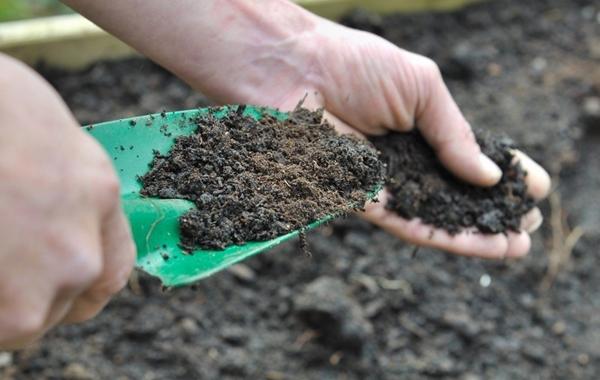
Mulch helps protect the tree's trunk area. Healthy leaves, wood shavings, peat moss, or high-quality compost are all good options.
Watering
Cherry trees require regular but moderate watering. Avoid allowing standing water under the tree. This will help the seedling grow stronger and adapt to its new location.
Weeding and loosening
Weeds are considered carriers of many diseases, which can be detrimental to a young tree. Therefore, throughout the season, especially if planted in the spring, it is necessary to regularly remove weeds from around the tree.
Trimming
Crown shaping and pruning are the main care procedures for a young tree. In the first year after planting, the tree is pruned, leaving only a meter in height.
In the second year, the crown is shaped in several stages. In the fall, all shoots are removed except for 3-4 well-positioned and developed skeletal shoots. These shoots are necessarily shortened by approximately a third. The central conductor is also shortened to a height of 1 m from the lower shoots.
In the third year, shoots on the second tier are removed, leaving only 2-3 good ones. The central conductor is pruned according to the same procedure.
In the fourth year, the third tier, considered the final one, is formed. It is recommended to leave only one or two high-quality, well-positioned shoots on this tier.
After all the manipulations have been carried out, the tree begins to bear fruit in the 4th-6th year, but a good harvest is obtained only after 8-11 years.

Gardeners' Tips
To achieve positive results from cherry tree transplantation, it is necessary to follow the advice of experienced gardeners and agronomists:
- Cherry tree varieties that can withstand such a complex procedure and thrive in a new location are transplanted.
- When replanting, handle the central root and branches carefully.
- When planting, take into account the availability of sunlight, but at the same time avoid the possibility of the young plant getting burned.
- Provide the young seedling with regular watering.
- Carry out pruning and crown shaping for four years.
- Treatment of infections and lesions, weed and pest control.
- When planting in the same area with other cherry varieties, the proximity of the trees is taken into account.
- Provide the seedling with the necessary conditions, including fertilizers.
If you follow the recommendations, replanting a cherry tree is easy. The main thing is to consider the tree's age, variety, and growing conditions before planting.
Related posts:
 How to plant walnuts, care for them, and grow them at home
 Peach tree care and agricultural secrets, pest control
 Methods for planting and propagating cherries at home
 How can you transplant an adult apple tree to a new location, and when is the best time to do it?
 Description of the Red Early apple tree variety, agricultural technology and specific care
 Timing and rules for peach pruning, formation scheme after harvesting
 Causes and treatment of cherry diseases, methods of pest control
 What to do and what is the best treatment if the leaves on a pear tree turn black?
Thanks for the information about replanting a cherry tree. It's still unclear how best to replant a 4-year-old cherry tree.
All you have to do is choose the time of year (spring is best, but fall is also possible) and the location where the tree will grow. Determine which neighbors the cherry tree will have so they don't interfere with its growth. Be sure to prepare the hole, drainage, and soil mix before you begin replanting. It's best to carefully dig around the tree or water the area around the trunk so that you can easily remove the cherry tree and its root ball. A helper is a good idea for this.