
- Description of the causes of diseases
- Types of diseases
- Fungal
- Bacterial
- Viral
- Non-infectious
- Signs of the disease
- Names of diseases and methods of treatment
- Clasterosporium, or holey spot
- Bacteriosis (cherry canker or cancer)
- Brown spot (phyllostictosis)
- Verticillium wilt, verticillium wilt, wilt
- Gum flow
- Scab
- Gummosis
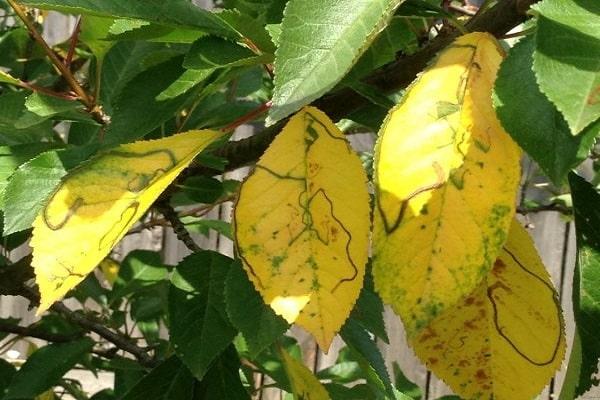
- Chlorosis
- Moniliosis, or gray mold
- White rust
- Coccomycosis
- Mosaic ringing
- Cytosporosis
- Pests and their control
- Cherry fly
- Cherry shoot moth
- Cherry black aphid
- Cherry pipe twister
- Geometrid moths
- How to control cherry sawfly
- What to do if the disease cannot be recognized
- Preventive measures
Cherry tree diseases and pests cause serious disruption to the tree's health. Almost all gardeners who grow cherry trees encounter problems sooner or later. Getting rid of infections or beetles is quite simple: spray with special products. Within a few days, the cherry tree fully recovers.
Description of the causes of diseases
Infection on tree leaves and shoots occurs for specific reasons. These include:
- over-watering of the tree trunk circle;
- nutritional deficiencies;
- dense crown;
- decreased immunity;
- sudden changes in temperature;
- incorrectly selected place for growing;
- infection from neighboring crops;
- transmission of infection by wind;
- preservation of bacteria and fungal spores in cherry roots;
- a large number of weeds;
- there is not enough space for the crown to develop freely.
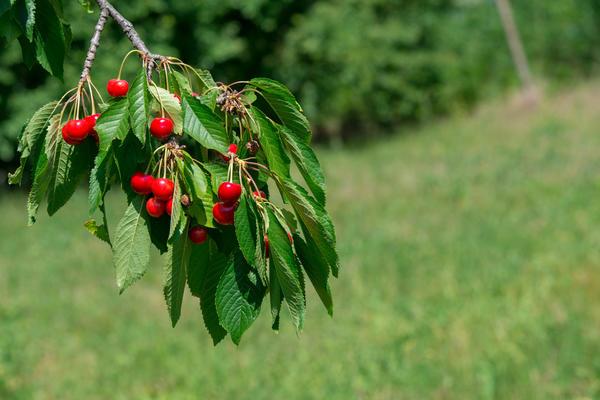 Important! The most common causes of disease are high humidity, sudden temperature changes, and frost.
Types of diseases
Cherry diseases are classified as fungal, bacterial, viral, and non-infectious. Each type has its own specific manifestations.
Fungal
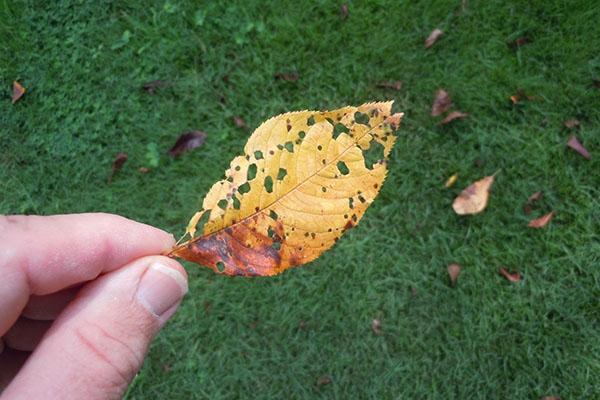
Tree damage occurs when spores or fungi enter the tree's leaves, fruits, or shoots. These diseases include coccomycosis, clasterosporium, and others. Symptoms begin with yellow spots, followed by wilting of the leaves.
Bacterial
Bacterial infections are most often carried by wind from other infected plants. This occurs in the spring, when the tree is most susceptible to disease. During this period, the tree is recovering from the long winter, and its immunity is weakened. This is manifested by the presence of dark spots on the shoots. These spots resemble worms, elongated and oblong.
Viral
This type of disease is the most difficult to overcome. Because viruses insert their DNA into the tree's DNA, a new code is then read. The cherry tree begins to succumb to the disease. Even after treatment, the tree goes into remission. Under unfavorable conditions, the disease reoccurs. This manifests itself as curling and drying leaves. The plant gradually loses vitality, stops bearing fruit, and dies. Getting rid of viruses is quite difficult, but possible.
Removing the damaged areas will help stop the disease.
Non-infectious
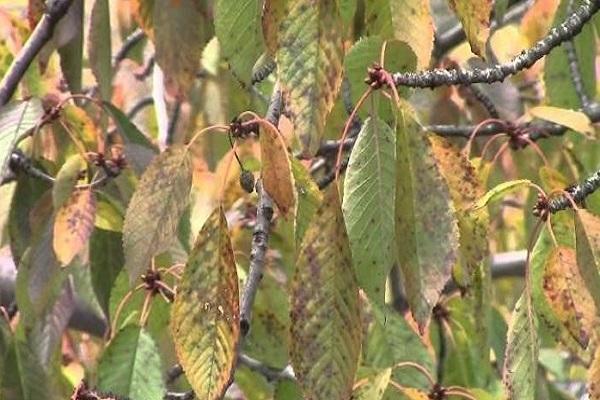
A young tree that is exposed to frequent frost, improper pruning, and broken branches will eventually develop gummosis. This occurs when the integrity of the inner layers of the trunk is compromised. Cracks appear, from which a liquid called gum oozes. It has a resinous appearance. Non-infectious diseases can be cured by removing the damaged area.
Signs of the disease
All diseases are characterized by certain symptoms. Each disease has its own distinctive features. To correctly diagnose and prescribe treatment for cherry trees, it is important to know the main symptoms of diseases. These include:
- the appearance of red spots on the leaves;
- observation of gray or brown growths on the stem;
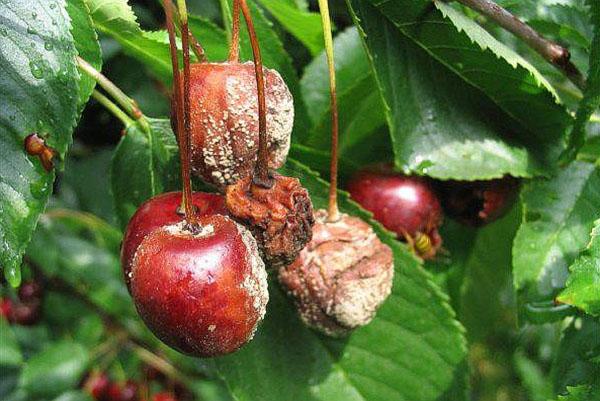
- formation of a gray or white dense coating on the berries;
- yellowing and falling of leaves;
- formation of red cone-shaped growths;
- fruit rot on a branch;
- root rot;
- holes on the leaves;
- the presence of black specks or holes on the shoots;
- drying out of foliage at the ends of branches in the middle of the season;
- crop shedding;
- gum flow from the trunk in autumn.
Names of diseases and methods of treatment
Each disease has its own name and treatment methods. The use of specialized medications and traditional methods effectively alleviates these problems.
Clasterosporium, or holey spot
The fungal disease affects not only the leaves but also the branches, flowers, and fruit. Brown spots appear on them. The damaged area secretes glue, a sticky bacterial substance. When brown spots appear on the leaves, it indicates the disease is progressing. Holes appear where the spots once were. Gradually, the entire shoot becomes covered in fungus and begins to die. This affects the overall health of the tree and its yield.
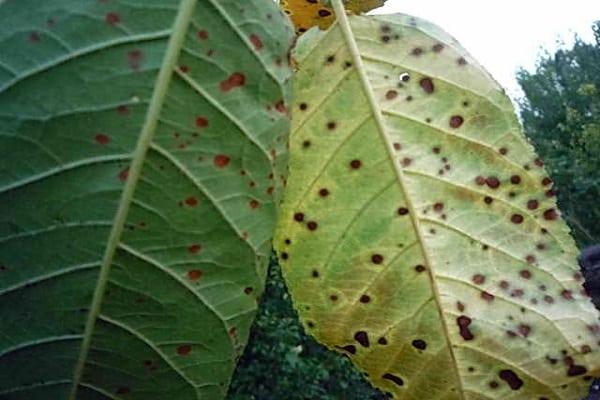
Treatment involves applying a 1% Bordeaux mixture. The solution contacts the fungi, causing their gradual death and destroying their protective protein coat. Repeat the treatment every 20 days for the remainder of the season to prevent recurrence.
As a preventative measure in the spring, clean out all cracks in the trunk, treat them with a disinfectant solution, and then seal them with garden pitch. The tree is also sprayed with a 1% copper sulfate solution before the sap begins to flow down the stem.
Bacteriosis (cherry canker or cancer)
The common name for this problem is canker or rhizome. The infection manifests as ulcers on leaves, shoots, and sometimes even trunks. Fluid oozes from cracks and fractures. Gum drips from the trunk. The disease primarily spreads during rainfall. Drops of water carry the infection to other parts of the tree.
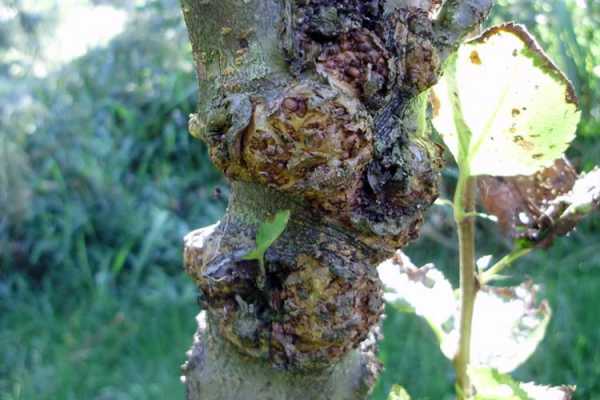
Bacterial wilt significantly reduces the quality and quantity of the harvest. It most often appears after the fourth year of vegetation. High humidity promotes the disease's development. As a preventative measure, monitor the quality and quantity of irrigation.
There is no cure for cherry canker. The only solution is to prune all damaged shoots or destroy the entire tree to prevent the infection from spreading to neighboring fruit and berry crops.
Important! If cancer develops, the plant will die anyway, as there is no cure.
Brown spot (phyllostictosis)
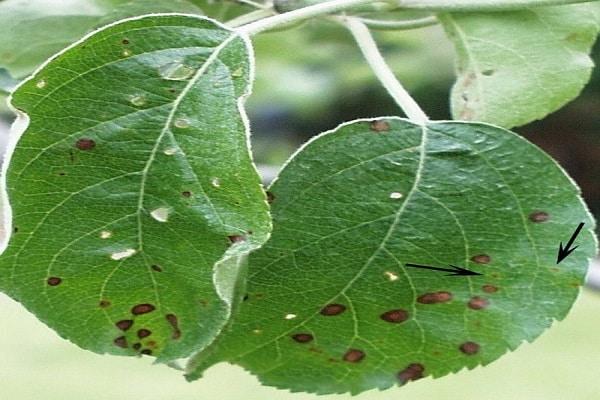
If leaves begin to turn yellow and black spots appear, the tree is infected with fungi. Holes gradually form where the black spots once were. The affected tissue falls out. The parasite quickly spreads to all the leaves of the tree. Severely damaged shoots dry out, turn yellow, and fall off.
For prevention, the plant is sprayed with a 1% solution of copper sulfate before the active movement of sap begins.
When characteristic signs of the disease are observed, all cracks in the trunk are repaired, damaged areas are removed, branches are pruned, and leaves are plucked. Then, a 1% Bordeaux mixture solution is prepared and applied to the cherry trees. This procedure is repeated every 20 days throughout the season.
Three weeks before harvesting, any chemical treatments are stopped.
Verticillium wilt, verticillium wilt, wilt
A fungal disease with various names, both popular and scientific, it most often affects young trees. If the bark on the trunk cracks, this indicates infection has penetrated the tree's trunk. The bark cracks and becomes coated with gum, which oozes from the cracks. Leaves on these branches wilt, turn black, and dry out. Fruit production ceases or is reduced.
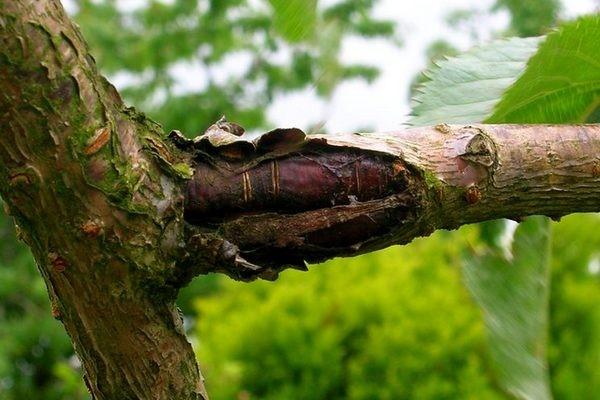
To treat the problem, remove all damaged areas. Then, spray with a 3% Bordeaux mixture solution. Repeat this procedure several times per season to prevent recurrence. Chemical treatments are also used for this purpose:
- "Fundazol";
- "Topsin";
- "Polycarbacin";
- "Polychrome";
- Vectra.
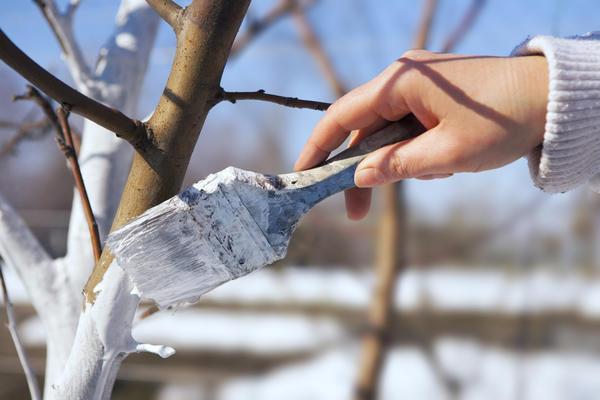
All cracks are cleaned of dried gum with a knife, then sealed with clay mixed with copper sulfate and covered with garden pitch. All fresh stumps are sealed with pitch. Then the entire trunk is whitewashed with lime.
Gum flow
Gum is a substance that forms in the cherry tree trunk as a result of accelerated growth and enzymatic reactions. Factors that contribute to its formation include improper pruning and freezing of shoots.
Cracks form in the trunk, and a liquid oozes through them. This resinous, light-brown liquid hardens in the sun. This damages the internal integrity of the tree trunk, causing the foliage to dry out and fall off, and fruit yields to decline or cease completely.
Important! Damage can affect either a single branch or the entire trunk at once.
To treat old, non-dripping gum holes, clean them with a knife, treat them with copper sulfate, and seal them with garden pitch. Leaking holes are cleared of gum, treated with copper sulfate, and sealed with garden pitch.

To prevent this problem, you need to follow all the rules of agricultural technology: cover the tree for the winter, water it properly, fertilize it, and don't forget about formative and sanitary pruning.
Scab
A common disease. Infestation begins on the foliage, causing small black or dark brown growths to form. The leaves curl into tubes, dry out, and fall off. This disease affects the health of the entire tree, as well as fruiting and yield.
Treatment involves spraying with Bordeaux mixture, copper oxychloride, or copper sulfate. Repeat treatments every 14 days. All damaged shoots and berries should be removed and destroyed beforehand.
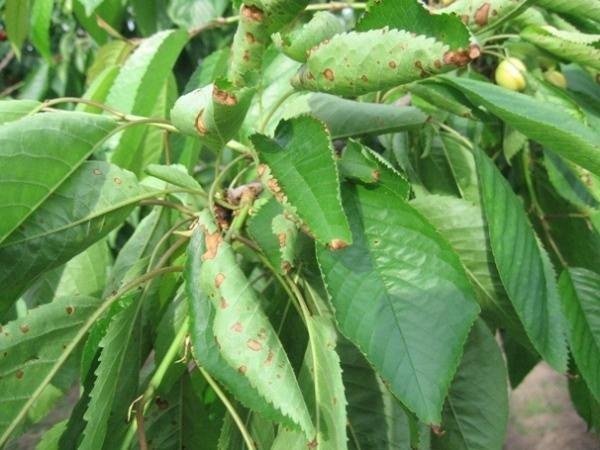
To prevent damage, dig around the tree trunk twice a season, taking the leaves with them. Ensure regular and proper watering and fertilize.
Gummosis
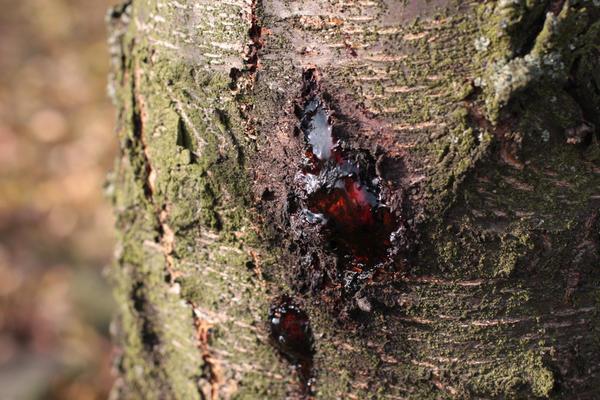
The disease is characterized by the profuse exudation of a viscous fluid from cracks in the trunk. This fluid is called gum. It has a viscous consistency and dries in the sun, acquiring a rich golden hue. The disease occurs as a result of prolonged exposure of a specific area to severe frosts, heat, disease, excessive nitrogen fertilization, or mineral deficiencies.
To treat the affected area, clear away gum until the healthy wood layer is exposed. Then, treat it with copper sulfate and seal it with garden pitch. If there is an excess or deficiency of minerals, adjust the soil composition.
Chlorosis
This disease is common not only in cherries but also in other stone fruit plants. It occurs as a result of an excess or deficiency of minerals in the soil, as well as excessive liming. It manifests itself as foliage discoloration (it becomes several shades lighter), flower drop, and reduced yield. The disease most often appears in young seedlings.
Getting rid of it is quite simple. Cherry trees are fed with a solution of minerals containing chlorides and sulfates. Soil acidity is also regulated, the area around the tree trunk is cleared of crust and weeds, and watering is done on a timely basis.
Moniliosis, or gray mold
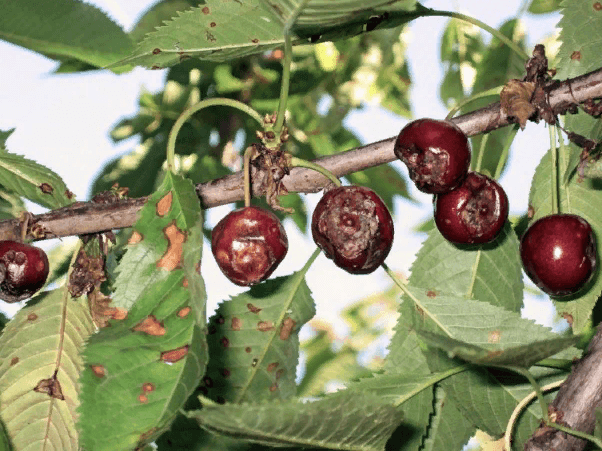
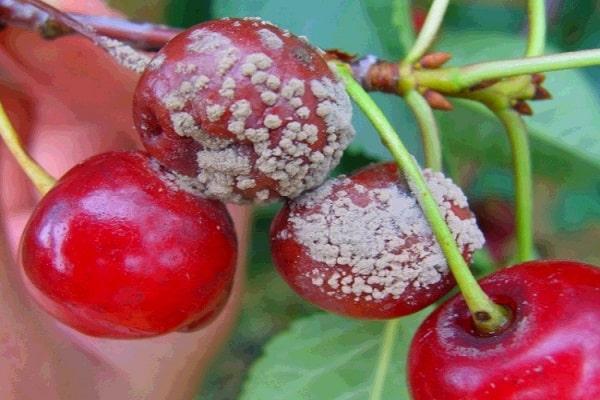
The branches and berries turn black and turn black. The fruits rot and fall off. Small, light-gray bumps appear on the skin. They are randomly distributed, clustered in groups of several rounded spots.
The disease is caused by a group of putrefactive bacteria. To combat it, remove all damaged berries and branches. If necessary, prune large sections. It is important to ensure that no affected areas remain on the tree.
After pruning, processing is performed. Suitable for this purpose are:
- Bordeaux mixture;
- iron sulfate;
- copper sulfate;
- Nitrafen.
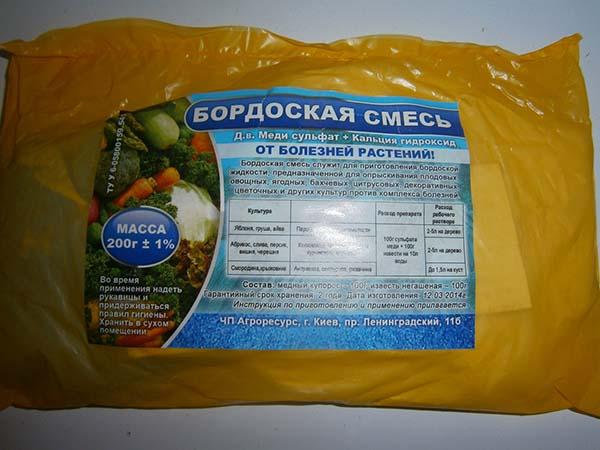
Spraying is done several times per season. First, before the sap begins to flow, then during flowering, and at the beginning of fruiting. Twenty days before harvest, control is carried out using traditional methods only.
Fruit damage can occur not only on the tree but also during storage. If even a single berry ends up in a container, the bacteria will quickly spread to a healthy crop. It's important to sort through the cherries daily during storage.
Important! Berries affected by rot should not be eaten or processed. This will cause poisoning.
White rust
A white coating appears on the leaves. These growths look like small blisters that later burst. The disease is caused by fungi. Once the blisters burst, the fungal spores spread. The foliage gradually dries out and falls off completely by mid-summer. This significantly reduces the quality and quantity of berries.
To combat the disease, use a solution of oxychloride. 80 g of the dry substance is dissolved in 10 liters of water. The entire tree is sprayed. After two weeks, repeat the treatment with 1% Bordeaux mixture.
Rust can also be brown, not just white. The symptoms are almost identical, except the blisters are a tan color. Treatment is the same as for white rust. The disease is caused by a fungus that causes complete leaf drop mid-season.
Coccomycosis
This fungal disease is characterized by the appearance of small red spots on the leaves. These spots gradually turn brown on the upper side and pink on the underside. Cherry leaves slowly turn yellow, curl, and fall off. The disease affects not only the shoots but also the berries themselves.
To combat the disease, use a solution of ferrous sulfate, Bordeaux mixture, or Horus. Before spraying, remove all damaged shoots and berries.
To prevent this, monitor the tree's watering, fertilize it regularly, remove weeds, and loosen the soil around the trunk. In the spring, before bud break, treat the tree with a copper sulfate solution.
"Horus" is used according to the instructions, observing safety precautions.
Mosaic ringing
A viral disease spread by chewing or sucking insects. After the virus penetrates cherry tree tissue, symptoms don't appear for two years. Gray spots then appear along the veins on the foliage. The tissue falls out, leaving holes. The shoots gradually turn red, curl, dry out, and fall off.
There is no cure for this type of disease. No chemical can kill the virus. The only treatment is pruning and removal of the affected areas. However, this does not guarantee a complete cure. Most likely, the cherry tree will have to be completely uprooted and burned.
To prevent infection from penetrating cherry tree tissue, carefully monitor the bush for pests and insects. To do this, conduct annual preventative chemical treatments before bud break.
Cytosporosis
A common fungal disease. It primarily affects weakened trees or those that have been mechanically damaged. The disease has two forms: chronic and acute. The main symptom is the appearance of small, brownish-red growths on the bark. They are difficult to notice, making Cytosporosis easily missed. In the chronic form, individual branches slowly and gradually die off. In the acute form, the affected area dies completely within 30 days.
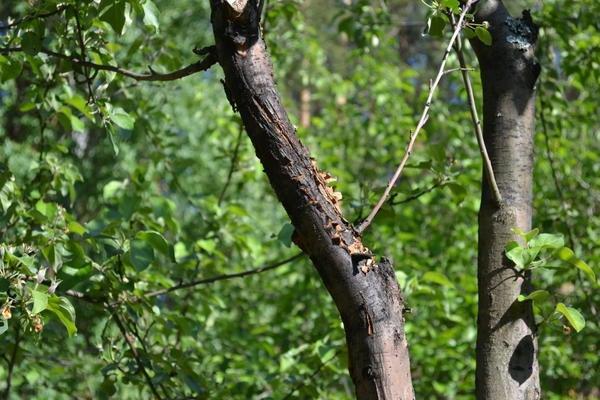
Treatment begins with scraping the affected area with a knife down to healthy tissue. Then, the tissue is coated with copper or iron sulfate. A top coat of garden pitch is applied. Finally, the area is sealed with olive-based oil paint.
Pests and their control
Pests can cause as much damage as diseases. These beetles feed on cherry tree sap, leaves, and berries. Rapid reproduction and spread can lead to complete crop loss and even death of the plant.
Cherry fly
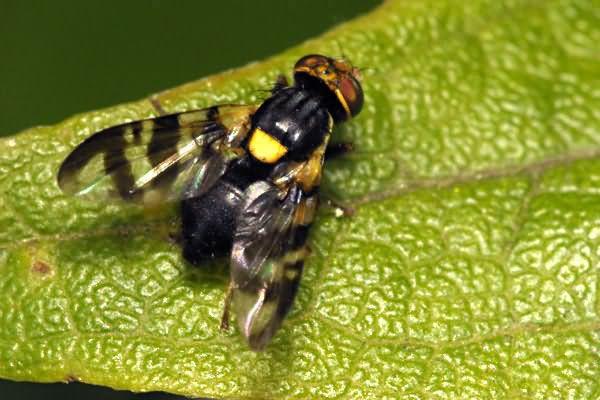
One of the most dangerous pests for cherries, it can destroy over 90% of the crop. The flies overwinter as pseudopupae in the soil. They begin to develop into adult flies when the soil temperature warms to 7°C. If the soil does not freeze sufficiently during the winter, the pupae's life cycle is not completed and they remain in the soil for another winter.
In May, adult flies begin to emerge. These are 5 mm flies with distinctive black spots on their wings. Males emerge first, followed by females. They have underdeveloped ovaries and take 10 days to complete their cycle. They reproduce quickly.
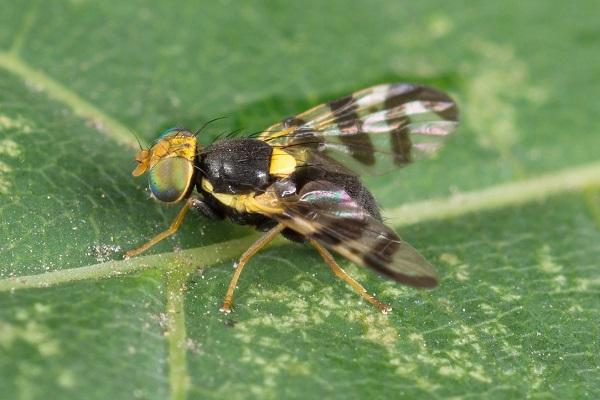
Females begin laying eggs on the fruit, after which the young worms penetrate the pulp. The berries become worm-infested. The flies feed on the leaves, causing them to curl up and turn yellow. The larvae appear as white dots.
Broad-spectrum insecticides are used to control the flies. Chemical sprays are applied several times per season. The flies are completely killed within 24-48 hours. Treatments are stopped 20 days before harvest.
Cherry shoot moth
They can destroy a significant portion of the crop. These small moths have brownish-golden wings and are 12-14 mm in size. During the winter, the moth lays eggs near the buds. In the spring, the larvae hatch and penetrate the buds. The buds then fall off completely or open with deformities. These buds do not form flowers or bear fruit.
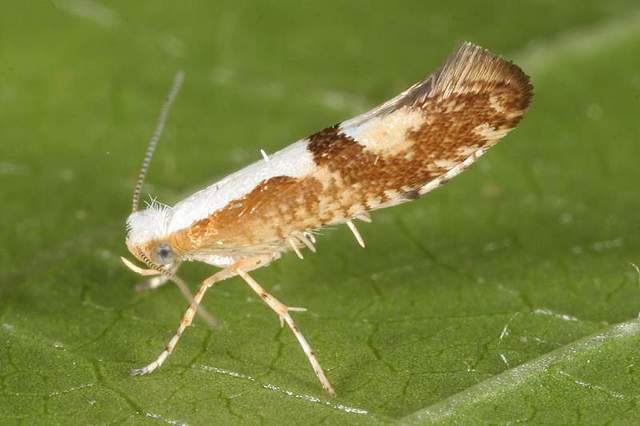
After the buds form, the moth penetrates and eats the stamens, preventing ovary formation. A single insect can destroy up to 5-7 buds. It then lays eggs and transforms into a pupa, which remains in the soil.
Control measures include spraying with insecticides against moths. Follow the instructions and take precautions. Regularly loosen the soil around the tree trunk to destroy the pupae.
Cherry black aphid
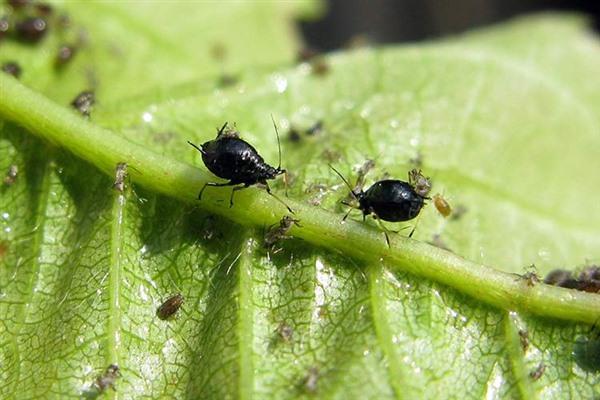
These are small black insects. They overwinter in the soil or bark. Eggs hatch during cherry blossom season. The aphids form a thick coating on the foliage. They nest on the underside of the leaf and suck out its juices.
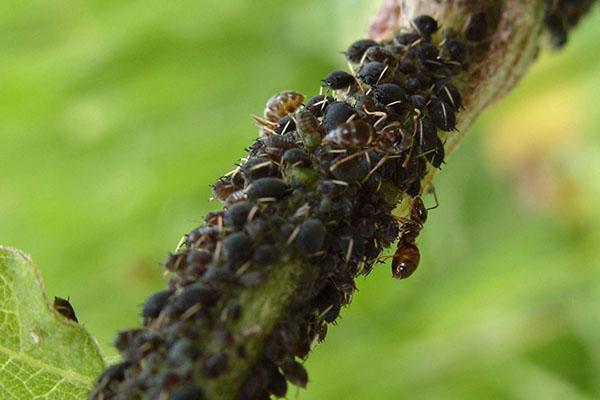
The beetles are 2-3 mm in size and have a multi-generational life cycle. They reproduce very quickly. Within a few days, their population can increase to the point where a large portion of the plant is infested.
Aphids excrete sticky, sugar-containing feces, which attract fungal infections, for which such conditions are ideal.
To control aphids, treat the area with insecticides. They die completely within two days. It's recommended to repeat the treatment after two weeks to consolidate the results. Ants are the primary vector for aphids, as they rely on their milk for nutrition.
Cherry pipe twister
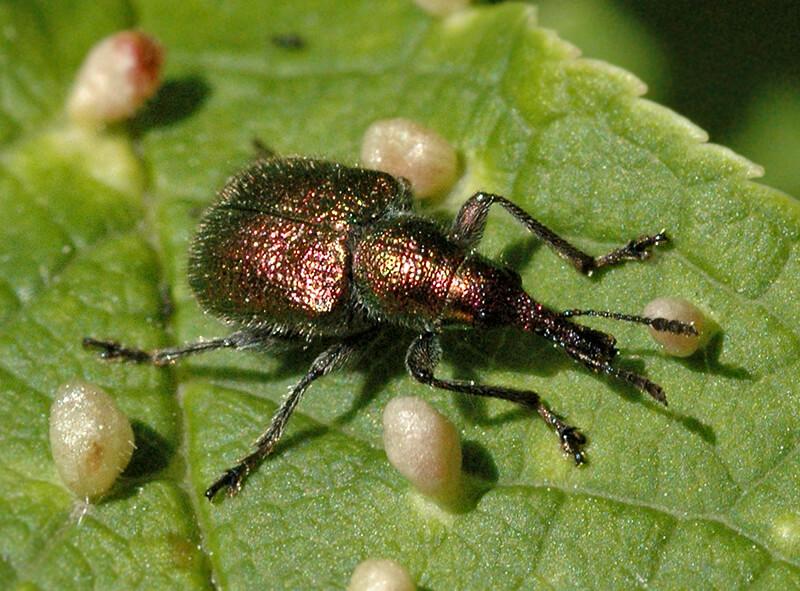
The beetles are 15 mm in size, black in color, covered with a dense chitinous shell, and have a characteristic long nose at the end, through which they feed and make passages in the berries.
As pupae, these insects live in the soil. After overwintering, they invade cherry trees, attacking their buds, flowers, and fruits. They eat them from the inside and lay eggs on the bark. When the berries begin to form, the cherry worm bores tunnels with its beak and deposits eggs. Its larvae consume the berries completely. The beetles damage all remaining berries, significantly reducing their marketability and flavor.
To combat them, traps with sweet fruits are placed near the tree, then the insects are manually exterminated. Insecticides are sprayed, and the soil is regularly loosened to destroy the pupae.
Geometrid moths
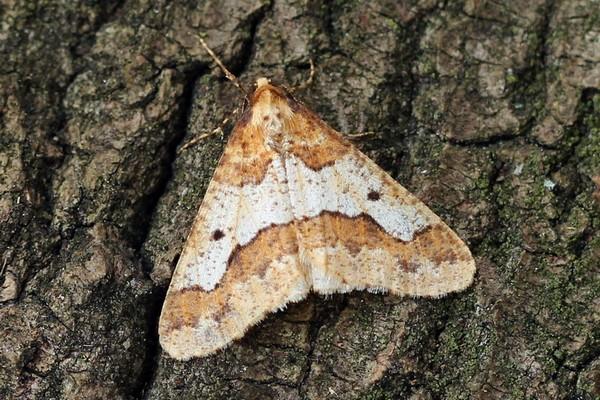
Butterflies lay eggs, which hatch into caterpillars. They live on cherry tree branches, feeding on the fruit and foliage. They cannot be controlled with chemicals; manual control and traps are recommended.
There are over 50 species of this class of moths. Only two of them attack cherries: the winter moth and the cherry tree moth.
How to control cherry sawfly
These small insects resemble flies in appearance. Their wings are membranous, and their bodies are black with yellow stripes. Males are up to 7 mm in size, and females are up to 5 mm. They overwinter in false pupae in the soil. The life cycle begins in early June, when cherry blossoms have formed.
Sawflies prefer trees with dense crowns, poor air permeability, and abundant flowering. The female selects the largest flowers. She saws passages into the buds with her sting and lays eggs there. By the time the fruit is formed, the larvae hatch, penetrate the berries, and eat them from the inside.
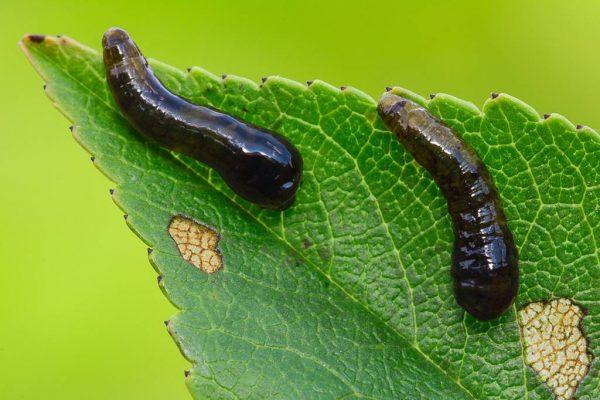
Females have well-developed ovaries and begin reproducing immediately after awakening. The larvae are rusty in color.
Pest control treatments are carried out immediately after signs of infestation appear. Broad-spectrum insecticides are suitable for this purpose. Plants are sprayed several times per season, following preventative measures and instructions. Sawflies can destroy over 60% of a cherry crop.
What to do if the disease cannot be recognized
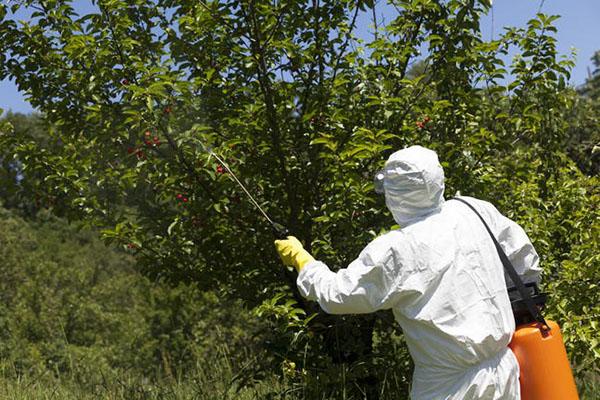
If the disease is undetectable, it's essential to carry out as many treatments as possible to help the cherry tree. To do this, perform the following:
- When spots appear on shoots and leaves, spray with fungicidal preparations or copper sulfate.
- If cracks, chips or other mechanical damage occur, the area is cleaned, then disinfected and sealed with garden pitch.
- If control measures do not help, then all damaged areas are removed and burned.
- Be sure to loosen the soil in the tree trunk circle and remove all weeds.
- Check the soil's acidity. If it's alkaline or neutral, acidify it.
- If a large number of identical insects are found living on a tree, they are treated with insecticides.
- All necessary fertilizing is carried out in a timely manner.
- Carefully monitor watering to ensure that the soil is not too wet.
- If a coating forms on the berries, they are removed from the branches and thrown away; they are not suitable for food.
- If root rot appears, the damaged areas are carefully cut off and destroyed. The cut areas are disinfected.
Preventive measures
To prevent diseases and pests on cherries, follow preventative measures and agricultural practices. To do this, follow these steps:
- The tree is sprayed with insecticides and fungicides at the beginning of the season, before the sap begins to flow.
- Regular fertilization is carried out.
- Weeding and loosening are carried out in the area around the tree trunk.
- They shape the crown and perform sanitary pruning at the end of the season.
- The harvest is collected on time.
- Cherries are treated with a solution of copper sulfate.
- They monitor the soil acidity level.
- If signs of disease appear, treatment begins immediately.
- Mustard is planted next to the tree to repel insects.
- Cover the cherry tree trunk for the winter with a special material to prevent freezing.
- Fallen cherry tree leaves showing signs of disease are burned, healthy leaves are buried.
- Humus and mulch are placed in the area around the tree trunk for the winter.
Related posts:
 Planting and caring for cherries, feeding and growing rules
 Description and cultivation of the Bryansk pink cherry variety, pollinators
 Descriptions of the 20 best cherry varieties for the Moscow region, their planting and care
 Description and characteristics of the Veda cherry variety, planting and care scheme
 The health benefits and harms of cherries, rules of consumption, and their effects on the body
 Description of the cherry variety Lyubimitsa Astakhova, planting and care
 Description and characteristics of the Tyutchevka cherry variety, planting and care
 Description and characteristics of the Valery Chkalov cherry variety, planting and care