
- History of selection
- Description and Features
- Characteristics of the variety
- Drought resistance
- Pollination
- Flowering period
- Ripening time
- Productivity and fruiting
- Applications of berries
- Resistance to diseases and pests
- Height of a mature tree
- Advantages and disadvantages of the variety
- Pollinators
- Pink pearl
- Iput
- Tyutchevka
- Raditsa
- Jealousy
- Bryansk pink
- How to plant
- Recommended timeframes
- Choosing a location
- Site preparation
- How to choose and prepare a seedling
- Requirements for neighbors
- Honey plants
- Trees and shrubs with stone fruits
- Not suitable for growing together
- Planting diagram
- Care instructions
- Watering mode
- Weeding and loosening
- Sanitary pruning
- Crown formation
- Top dressing
- Preparing for winter
- Protection from diseases and pests
- Harvesting and storage
The Ovstuzhenka cherry variety is the result of years of work by Russian breeders. This variety is characterized by early ripening berries and a small tree size, making it easier to care for and harvest. Its increased frost resistance allows it to be grown in colder climates.
History of selection
The Ovstuzhenka hybrid cherry variety was developed at the Lupine Research Institute at the end of the last century by the leading breeder and renowned scientist M. V. Kanshina.
To create the new hybrid form, a Compact Veniaminova cherry and Leningradskaya Black variety.
In 2001, varietal testing was completed, and the new hybrid form was included in the state registers of fruit crops.
From its ancestors, the hybrid variety has acquired a strong natural immunity to fungal and viral diseases, high frost resistance, and high yield.
Description and Features
The main difference between the Ovstuzhenka cherry and its relatives is the tree's miniature size, which allows it to be grown even in the limited space of a small garden plot.
The leaf blades are large, oval-shaped, with serrated edges and a pointed tip, in rich green shades.

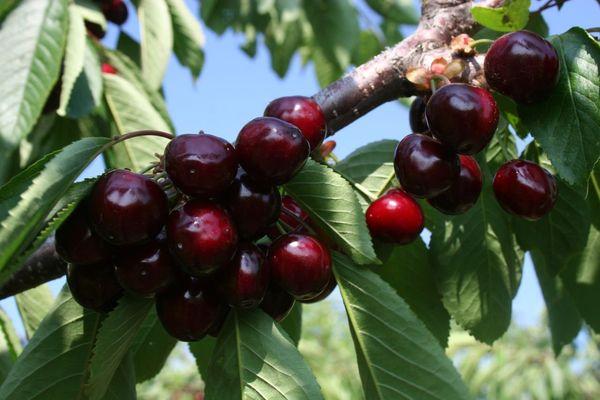
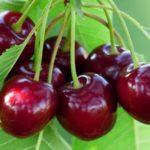
Ripe fruits are dark burgundy in color, weighing up to 7 grams, with juicy, sweet pulp and a small stone that easily separates from the pulp.
Important! Cherries are covered with a dense but thin skin that does not crack even in high humidity.
Characteristics of the variety
Thanks to many years of work by breeders, the new hybrid has acquired excellent varietal characteristics.
Drought resistance
The Ovstuzhenka cherry was bred for cultivation in temperate climates of central Russia, so its drought tolerance is average. However, the berry trees easily survive winter frosts. The specifications indicate that the Ovstuzhenka cherry can survive temperatures as low as -35 degrees Celsius.
According to gardeners and vegetable growers, trees with additional insulation can withstand frosts down to -45 degrees.
Pollination
The Ovstuzhenka variety lacks the ability to fully self-pollinate. Without the right neighbors, only 6-10% of ovaries are fertilized, which negatively impacts fruiting and yield.
 Important! Cherry varieties with similar flowering and fruiting periods should be used as pollinators.
Flowering period
The hybrid form of the stone fruit crop enters the flowering phase in the first half of May. Inflorescences of 3-4 flowers appear on the bouquet branches. The flowering period lasts no more than 10 days.
Ripening time
Full ripening of the cherries depends on care and weather conditions in the region where the cherries are grown. In southern regions, the berries are ready for consumption as early as mid-June, while in northern latitudes, ripeness occurs in the second ten days of July.
Productivity and fruiting
The first harvest occurs in the fourth or fifth season of cherry cultivation in open ground. A single plant yields 15 to 30 kilograms of berries. In industrial production, one hectare of land yields between one and 20 tons of ripe berries.
Applications of berries
The hybrid form Ovstuzhenka is classified as a universal fruit variety. The berries are recommended for fresh or processed consumption.

Ripe fruits are used to make juices, rich nectars, jams and confitures, compotes, dried or frozen.
Experienced housewives use berries to make homemade liqueurs and cordials.
Important! Cherries are rich in a unique content of vitamins and nutrients essential for stabilizing the body's functions.
Resistance to diseases and pests
The Ovstuzhenka cherry variety has developed enhanced immunity to coccomycosis, clasterosporium, and moniliosis. Proper care of this berry crop significantly reduces the risk of pest attacks.
Height of a mature tree
A mature tree grows no more than 2.5-3 meters, with a lush, rounded crown that requires annual thinning.
Advantages and disadvantages of the variety
To avoid mistakes when growing and caring for the Ovstuzhenka cherry variety, it's important to understand all the possible pros and cons of this hybrid stone fruit.

Advantages:
- High yield rates.
- Dessert flavor and versatile use of berries.
- Ability to survive at low temperatures.
- Early harvest dates.
- Increased immunity to some diseases and pests.
- The compact size of the tree makes it easy to care for the plant and harvest.
- Stability of fruiting.
- Long storage life of the harvested crop, which allows for the transportation of fruits over long distances.
Another advantage of this variety is its unpretentiousness in terms of growing conditions and subsequent care.
Flaws:
- To obtain a high-quality and large harvest of berries, pollinating neighbors are required.
- Trees do not tolerate recurrent spring frosts well if they occur during the flowering period.
Important! Pollinators should be located no more than 50 meters from Ovstuzhenka.
Pollinators
The most suitable pollinators for hybrid cherries are varieties with similar flowering periods.
Pink pearl
A hybrid cherry variety with large, pink fruits weighing up to 7 grams. This fruit easily tolerates winter frosts in temperate climates and has increased immunity to certain diseases and pests.

Iput
This compact cherry variety grows to 3-3.5 meters, with an elongated crown and large fruits, up to 9 grams in weight. It tolerates temperature fluctuations well and is highly resistant to heat and certain diseases. A single berry tree produces up to 40 kg of ripe fruit.
Tyutchevka
This hybrid variety is resistant to low temperatures and fungal infections. The berries are large, weighing up to 7 grams, dark red, with juicy, sweet flesh. A single tree produces up to 40 kilograms of berries.
Raditsa
Compact trees are easy to grow even in limited spaces. This early-maturing variety is temperature-tolerant and produces high yields.
Jealousy
This hybrid variety boasts high yields, adapts easily to low temperatures, and is rarely affected by fungi and viruses. The berries are large, weighing up to 8 grams, dark burgundy in color, with juicy, sweet-tart flesh.
Bryansk pink
A frost-hardy cherry variety with excellent natural immunity to fungal diseases. The berries are large, weighing up to 6 grams, juicy and sweet, with thin, dense pink skin.
How to plant
Choosing the right planting location and adhering to the deadlines for carrying out the work are the basic requirements for the growth and development of cherry trees.
Recommended timeframes
The timing of planting depends on the region where the berry trees grow. In southern latitudes, planting is planned for the fall.
In northern climates, cherries are planted in the spring, as soon as the soil warms up to +12 degrees.
Choosing a location
For planting the Ovstuzhenka cherry tree, choose sunny, dry sites protected from drafts and gusty northerly winds. Avoid planting cherries where the groundwater level is less than 2.5 meters from the soil surface, or in lowlands or marshy areas. A slightly elevated site with a south or southwest exposure is an excellent choice.


Site preparation
The plot for planting fruit trees is prepared in advance. Cherries prefer loose, fertile soil with neutral pH and moisture.
Site preparation:
- 4-6 weeks before the planned work, the area is dug up, weeds are removed, and the soil is loosened.
- Sand and humus are added to clay soil, and sandy soil is diluted with peat and a small amount of clay.
- The soil is diluted with manure and humus, and balanced mineral substances are added.
- On the prepared site, planting holes are dug up to 70 centimeters deep and wide.
- The distance between planting holes is left from 2.5 to 3 meters, between rows up to 4 meters.
Important! Mix highly acidic soil with lime or ash. This work should be carried out 4-6 months before the planned planting of cherry trees.
How to choose and prepare a seedling
The future yield and fruiting of a tree depend on the quality of the seedling. Hybrid seedlings are purchased from specialized nurseries or garden centers. Particular attention is paid to the plant's rhizomes. The roots are well-moistened, free of broken, diseased, or damaged parts, and free of mold or fungal growth. The trunk of the seedling is straight, with mature buds or leaves.
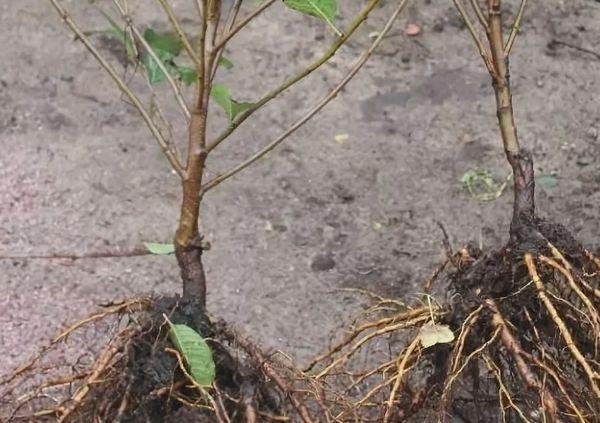
A day before transferring to the planting holes, the seedlings are placed in containers with clay and water, and then treated with an antibacterial agent.
Requirements for neighbors
The growth, development and health of fruit crops depend on the right neighbors.
Honey plants
To increase fruiting, bee-attracting honey plants are planted under the trees. These include mint, sweet clover, thyme, and lemon balm.
Trees and shrubs with stone fruits
Cherry trees thrive with any variety of cherry or plum. Berry trees also thrive with grapes, elderberries, and rowan.
Important! When planting stone fruit trees and shrubs, it's important to maintain proper spacing between plantings. Mature plants should not block sunlight from reaching the berry crop.
Not suitable for growing together
Many fruit trees and shrubs pose a threat to cherries due to similar diseases and pests.

Nightshade
Vegetable crops from the nightshade family often carry fungal and viral diseases that are dangerous to cherries. Therefore, it is not recommended to plant tomatoes, eggplants, peppers, and sunflowers near fruit crops.
Gooseberries, raspberries, currants
Most berry bushes have strong, developed rhizomes, which drain the cherry tree of nutrients and vitamins necessary for growth and development. Raspberries, on the other hand, often carry diseases and pests that are dangerous to berry trees.
Sea buckthorn
Root system sea buckthorn depletes the soilTherefore, cherry trees planted next to sea buckthorn quickly dry out and die.
Planting diagram
On the day of planting in open ground, the rhizomes of the seedlings are trimmed, leaving only long and developed branches:
- A support peg is driven into the prepared planting hole and a mound of fertile soil is poured.
- A seedling is placed on top of the mound.
- The roots are carefully distributed in the hole and covered with soil.
- The soil under the planted tree is compacted and thoroughly moistened.
- The seedling is tied to a support.
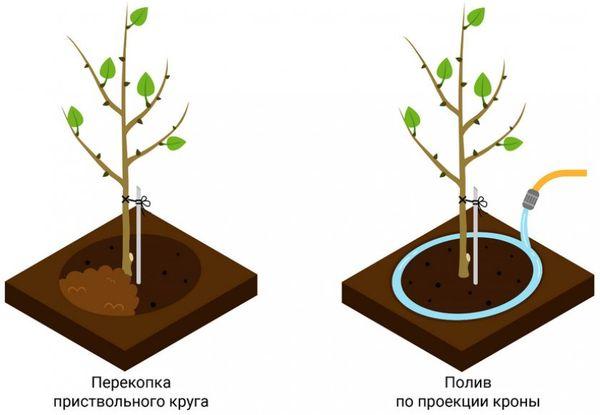
Tip! After completing the work, mulch the tree trunk area with a mixture of peat and sawdust or humus.
Care instructions
To obtain a high-quality and abundant harvest annually, the Ovstuzhenka hybrid cherry requires watering, additional fertilizing, and timely sanitary and formative pruning.
Watering mode
Berry trees are watered 4-5 times throughout the season. Watering is especially important during flowering and berry ripening. Up to 10 buckets of water are poured under a mature plant, and slightly less under young trees.

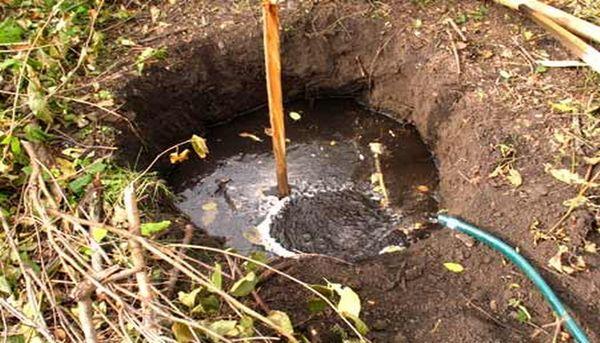
During droughts, watering is increased; during periods of prolonged rains, irrigation work is abandoned altogether.
Weeding and loosening
Weeds not only rob the soil of nutrients and vitamins, but also carry insects and diseases dangerous to berry trees. Therefore, the tree trunk area is weeded and thoroughly loosened several times a season. This work is combined with irrigation and fertilizing. Loosening the soil helps enrich the rhizomes with oxygen and essential minerals.
Sanitary pruning
Sanitary pruning of trees is recommended before the growing season begins, or in late autumn, before the onset of cold weather. Old, deformed, damaged, broken, and frost-damaged branches and shoots are removed from cherry trees.

Crown formation
During the first 3 years of tree growth in open ground, formative pruning is carried out annually:
- In the first year, 3-4 branches are left on the seedling, the rest are completely cut off.
- During the second season of cherry tree growth, the branches and the conductor are cut by 10-15 centimeters, leaving 2-3 shoots on the side branches.
- In the third year of growth, the cherry tree is also pruned, but several shoots are also left on the second-level branches.
In subsequent seasons, the tree undergoes only sanitary and rejuvenating pruning.
Top dressing
If the seedlings were planted according to all the rules, the first feeding is carried out only in the 3rd-4th year of the cherry tree’s growth.
With the arrival of spring, organic matter is added to the soil. During flowering and fruit formation, the cherry trees are fed with phosphorus and potassium complexes. In the fall, the soil is mixed with humus, peat, and organic matter.
Preparing for winter
The hybrid form has a high tolerance to low temperatures. Mature trees do not require additional insulation, but the lower part of the trunk should be protected from damage by small animals and rodents.
In late autumn, the trees are generously watered, the soil around the plants is mulched with a thick layer of compost, the trunk is treated with lime and covered with mesh or roofing felt.

It is additionally recommended to insulate young trees with special fiber or burlap.
Tip! As soon as the first snow falls, rake up the deep snowdrifts under the plants. This will provide natural insulation for the rhizomes.
Protection from diseases and pests
The Ovstuzhenka cherry tree has inherited good immunity to some fungal diseases from its parent varieties, but preventative treatment of the trees against pests and diseases is carried out twice a year.
In the spring, trees are sprayed with insecticides and fungicides. In late autumn, before the onset of cold weather, plants are also treated with chemical and biological pesticides.
Harvesting and storage
The Ovstuzhenka cherry harvest depends on the weather conditions in the growing region. In southern climates, the berries ripen by mid-June; in temperate climates, the cherries are harvested in late June.
To extend the shelf life of cherries, the berries are picked from the tree with the stems attached. This prevents juice from leaking out, and the berries can be stored for up to 10-12 days without losing their flavor or appearance.
Related posts:
 Planting and caring for cherries, feeding and growing rules
 Descriptions of the 20 best cherry varieties for the Moscow region, their planting and care
 Description and cultivation of the Bryansk pink cherry variety, pollinators
 Description and characteristics of the Tyutchevka cherry variety, planting and care
 Description and characteristics of the Valery Chkalov cherry variety, planting and care
 Description of the Iput cherry variety, planting and care features
 Description and characteristics of the Veda cherry variety, planting and care scheme
 Description and characteristics of the Bull's Heart cherry variety, planting and care