
- History of selection
- Description and Features
- Characteristics of the variety
- Drought resistance
- Frost resistance
- Productivity and fruiting
- Taste qualities
- Disease resistance
- Applications of berries
- Pollinators
- Bryansk pink
- Jealousy
- Ovstuzhenka
- Tyutchevka
- Veda
- How to plant
- How to choose a seedling
- Choosing a location
- Requirements for neighbors
- What kind of soil is needed?
- Planting diagram
- Planting dates
- Care activities
- Weeding
- Loosening
- Watering
- Top dressing
- Sanitary pruning
- Crown formation
- Protection from diseases and pests
- Coccomycosis
- Moniliosis
- Clusterosporiasis
- Cherry fly
- Aphid
- Leaf roller
- American butterfly
- Bird protection
- Ultrasound
- Containers with water
- Old disks
- Covering with a net
- Preparing for winter
- Harvesting and storage
- Advantages and disadvantages of the variety
Thanks to the research and hard work of scientists, cherry trees are now grown in any climate. Hybrid varieties of this fruit crop, developed through selective breeding, have developed frost resistance and natural immunity to most diseases and pests. The Iput cherry variety has been successfully cultivated in temperate and northern climates for over 20 years. It has gained widespread popularity among gardeners and farmers due to its high yields and excellent taste.
History of selection
Scientists and breeders at the Bryansk Lupine Research Institute have given the world numerous new, unique varieties of fruit and berry crops.
The end of the last century proved particularly fruitful, when the union of renowned scientists Astakhov and Kanshina, as a result of lengthy experiments, obtained frost-resistant cherry varieties, bred for cultivation in temperate and cold climates.
One such development is the high-yielding and frost-resistant cherry variety Iput, named after the river flowing in the Bryansk region.
In 1993, the new fruit crop was included in state registers.
Description and Features
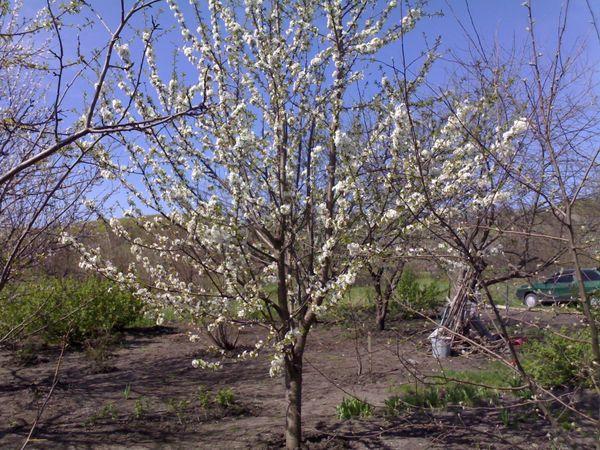
A mature hybrid cherry tree reaches 3.5 to 5 m in height, with a dense, wide pyramidal crown. The upright shoots are strong and olive-colored.
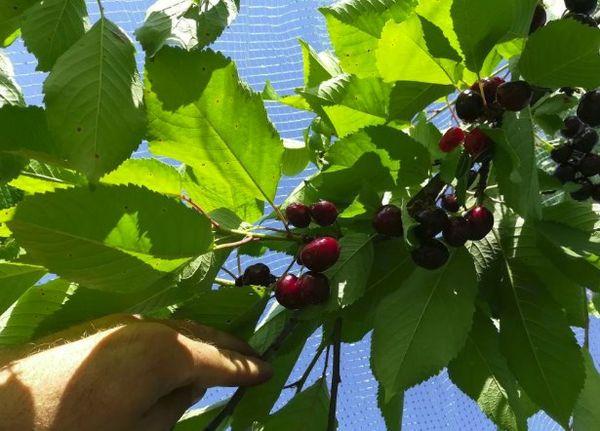
The leaf blades are oval, large in size, with serrated edges and a pointed top, dark green in color.
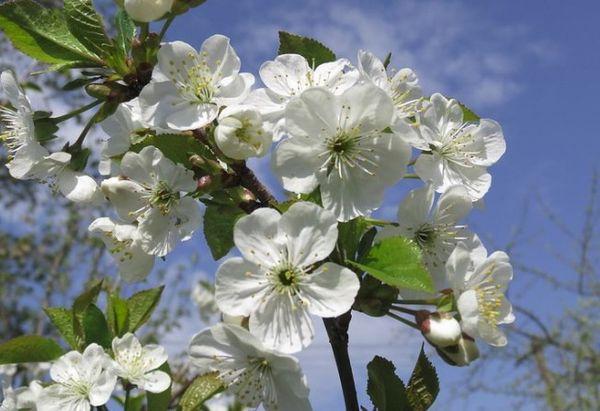
During the flowering period, inflorescences appear on the bouquet branches, opening into large white flowers. Each inflorescence produces 3 to 5 berry ovaries.
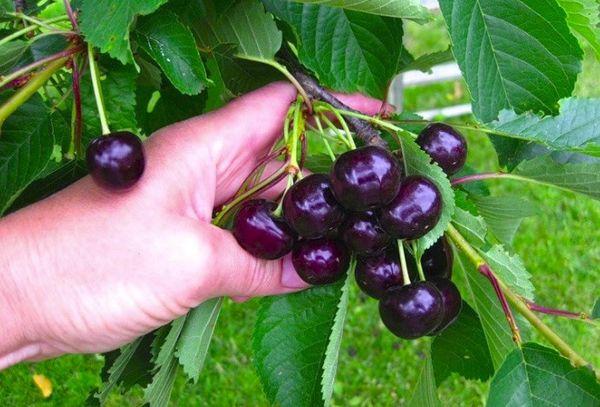
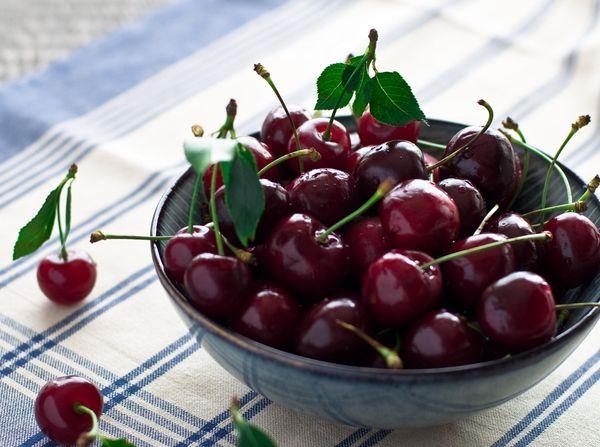
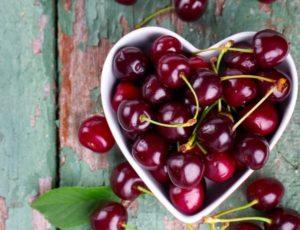
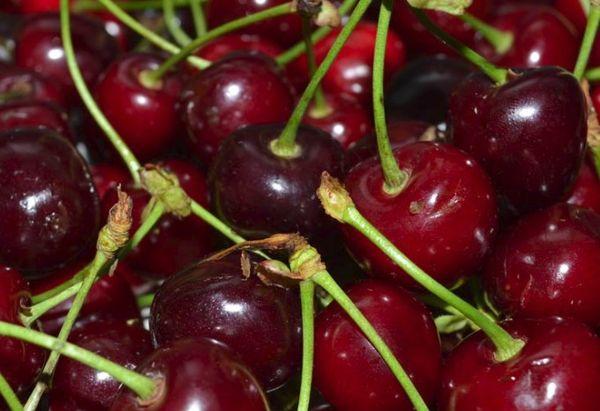
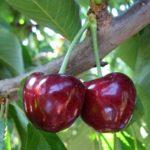
The fruits are large, weighing 6 to 9 grams, heart-shaped, and have a shiny, glossy, dark burgundy skin. When ripe, the berries become almost black.
The pit is small and difficult to separate from the pulp. The Iput cherry is an early-ripening variety, with the first berries appearing in mid-June.
Characteristics of the variety
To grow a healthy cherry tree, you need to familiarize yourself with the characteristics of the variety, which will help you care for the fruit crop and ensure a large, high-quality harvest of berries.
Drought resistance
The Iput cherry variety isn't considered drought-resistant. While the tree can certainly survive short-term droughts, prolonged drought negatively impacts yield, flavor, and marketability.
Frost resistance
However, cold winters aren't a problem for fruit trees. Berry trees easily survive temperatures down to -35-37 degrees Celsius. In terms of low-temperature tolerance, the Iput cherry variety is considered the best.
Productivity and fruiting
The plant enters the active fruiting phase in the fourth to fifth year of outdoor growth. Flowering begins in early May, and ripe berries appear by mid-June.
With timely and proper care, a single tree can yield up to 30-35 kg of ripe berries, and that's not the limit. The largest recorded yield of Iput cherries was 65 kg per plant.
Fruiting and yield of cherries directly depend on the climatic conditions of the growing region.
The tree does not need a rest from fruiting, so a harvest of tasty, healthy berries is collected annually.
Important! Self-pollination of the Iput cherry tree is not possible. To ensure a productive harvest, the correct pollinator varieties are required.
Taste qualities
Ripe berries are distinguished not only by their large size but also by their excellent taste. The flesh is firm yet juicy, with a deep red hue. Experts have classified this variety as a dessert variety, with a sweet flavor and a slightly bitter aftertaste.
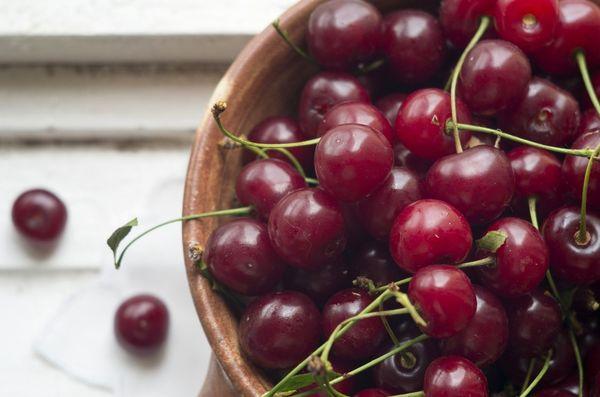
Cherries contain beneficial substances and vitamins necessary for a healthy lifestyle.
Disease resistance
Fungal diseases and pests are not a threat to fruit trees with proper and timely care. The development of major diseases occurs when soil moisture levels are compromised and trees are pruned improperly.
Take a look Also

Most pests are spread by weeds, which is also due to violations of plant care rules.
Applications of berries
Experts recognize this berry crop for its versatile use. The berries are recommended for consumption both fresh and processed.
Cherries are used to make delicious preserves, jams, compotes, and jellies, and are added to desserts, baked goods, and dairy products. They are also dried, frozen, canned, and used to make juices, nectars, homemade wines, and liqueurs.
Note: Iput berries are high in vitamin C, which boosts the body's immune system and helps treat many illnesses.
Pollinators
Unfortunately, obtaining a high-quality and abundant harvest of tasty and healthy berries is only possible with the presence of suitable pollinators.
Bryansk pink
A productive variety of fruit crop with tasty, large yellow-pink berries.
The plant requires the right pollinators; in this case, a single tree can yield up to 30-35 kg of ripe berries. The small, compact tree is easy to care for and requires virtually no pruning.
Jealousy
A mid-season red cherry. This variety is resistant to cold temperatures and some diseases and pests. The berries are medium-sized with juicy, sweet-tart flesh. A single tree yields up to 30 kg of fruit.
Ovstuzhenka
A large-fruited cherry with excellent frost resistance and natural immunity to diseases and pests. Berries weigh up to 7 g, are dark red, and have juicy, sweet flesh. Fruiting begins in the 4th to 5th year of growth. A single plant yields 15-20 kg of ripe berries. This variety is not self-pollinating.
Tyutchevka
One of the most popular cherry varieties among gardeners. This fruit tree requires little care and easily tolerates frost and short-term drought. Its firm-fleshed berries with a sweet-tart flavor are well-suited for transportation, making it often grown commercially. A single tree yields 15-20 kg of fruit.
Veda
A late-ripening variety with large, dark-red, juicy berries. The plant is highly frost-resistant and productive. A single tree yields up to 30 kg of berries.
Any variety of cherry or sour cherry with similar flowering periods are suitable as pollinators for the Iput variety.
How to plant
To grow a healthy and fruitful tree, it is necessary to carefully select the planting material, location, and timing of seedlings.
How to choose a seedling
It is recommended to purchase planting material for growing varietal crops in garden centers or specialized nurseries.
- 2-3 year old plants tolerate transplantation best.
- The height of the seedling is at least 100 cm.
- The trunk is smooth, without obvious damage or pest or disease infestation, with 3-5 skeletal branches.
- The seedling must have buds or green leaves.
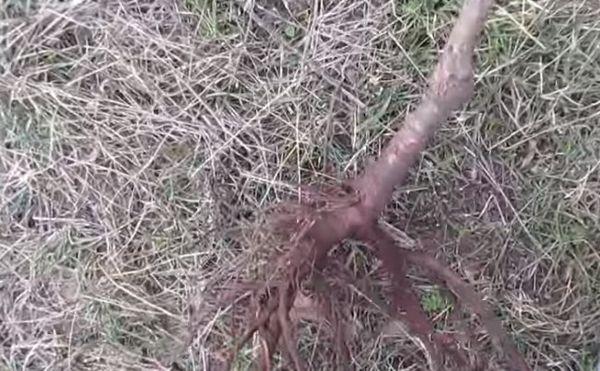
- The roots are thoroughly moistened, without damage, growths, signs of rot and fungus.
Important! Varietal plants always leave a graft mark at the bottom of the main stem.
Choosing a location
Dry, sunny, draft-free land areas are chosen for planting cherries.
In lowlands and marshy soil, seedlings quickly rot and die. Groundwater levels should be no higher than 2 meters above the ground surface.
Requirements for neighbors
Compliance with crop rotation rules guarantees protection of plants from diseases and pests.
Other fruit varieties or cherry trees are planted next to the cherry trees. Beautiful flower beds are created beneath the trees, and onions, garlic, and herbs are planted.
It is not recommended to grow raspberry bushes or gooseberry bushes, potatoes, tomatoes, pears and apple trees near cherry trees.
What kind of soil is needed?
The fruit crop loves light, loose, fertile soils with neutral acids and moisture.
If the site has predominantly heavy, clayey soil, add river sand mixed with humus and peat. Soils with high acidity are treated with lime or ash.
Four to six weeks before the planned planting of seedlings, the area is thoroughly dug up, weeds are removed, and organic and mineral fertilizers are added to the soil.
Take a look Also
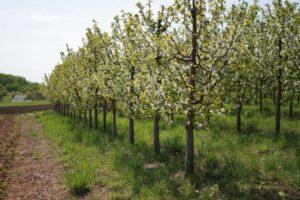
Planting diagram
Before planting, the roots of the seedlings are dipped in a mixture of water and clay for 10-12 hours, then treated with an antibacterial solution of manganese.
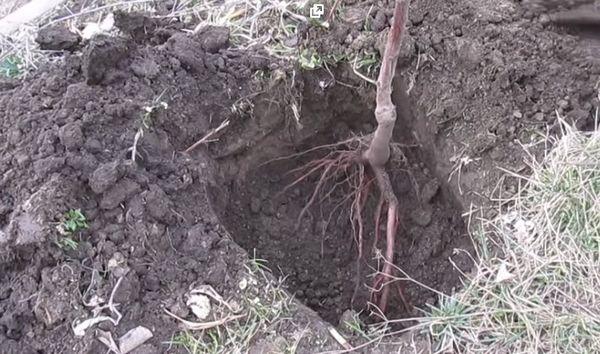
- Planting holes are dug in a prepared area with fertile soil.
- The depth and width of the holes should be at least 80 cm, the distance between plantings should be from 1.5 to 2 m, and between rows from 2.5 to 3 m.
- A thick layer of drainage made of broken stone, crushed rock or expanded clay is placed at the bottom of the hole.
- A mound of fertile soil is poured onto the drainage layer and a support peg is driven in.
- The seedling is placed in the center of the mound, the roots are evenly spread out in the hole and covered with soil.
- The planted tree is tied to a peg, the soil is compacted and watered generously.
Tip! After planting a cherry tree, mulch the area around the tree trunk with peat and damp sawdust.
Planting dates
In regions with temperate and cold climates, it is recommended to plan planting for early spring, before the growing season begins. This will allow the seedlings sufficient time to establish roots and develop before wintering.
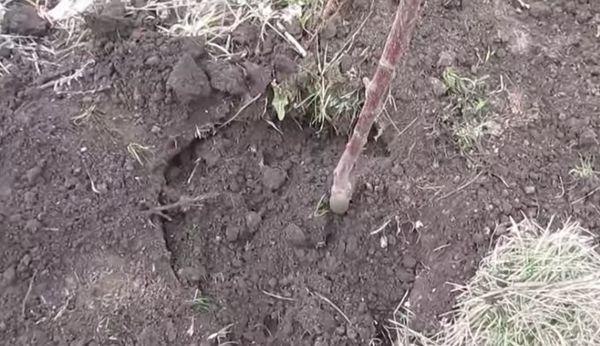
In southern regions, cherry trees are planted in open ground in the fall, 4-6 weeks before the first possible frost.
Care activities
Although the Iput cherry variety is an unpretentious tree, it still requires timely care, which includes watering, fertilizing, and pruning.
Weeding
Weeds often carry fungal spores, viruses, and unwanted pests. Therefore, weeding around the tree trunks is essential. This work is carried out as the area becomes overgrown with weeds.
Loosening
Soil loosening is carried out in conjunction with irrigation and fertilizing. Loose, light soil allows tree roots to more quickly obtain the necessary moisture, oxygen, and nutrients.
Watering
Excess moisture negatively impacts the yield, appearance, and flavor of berries. Prolonged rainfall and frequent watering cause berries to crack and fall off.
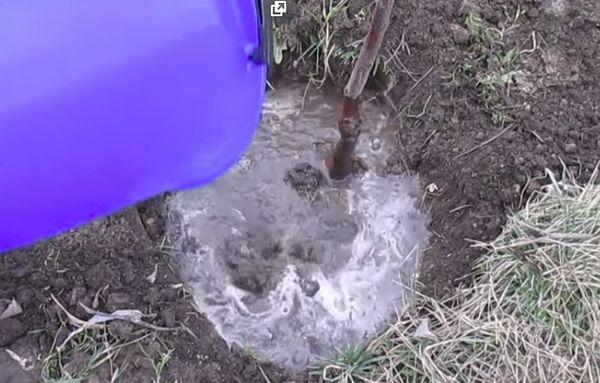
In temperate climates, cherry trees are watered no more than once a month. In southern regions, however, watering is done more frequently, as soon as the top layer of soil dries out.
Watering is especially important during the flowering period and the formation of berry ovaries.
Top dressing
Any fruit-bearing crop requires high-quality fertilizer, and the Iput cherry is no exception.
The fruit crop is fed several times per season, alternating mineral and organic fertilizers.
Sanitary pruning
To promote faster growth, development, and fruit production, cherry trees undergo sanitary pruning every spring and fall. Dead, damaged, diseased, and frozen branches are completely removed. Any shoots that are growing incorrectly are also pruned.
Important! After pruning, to prevent disease and pest infestation, treat the cut areas with garden pitch.
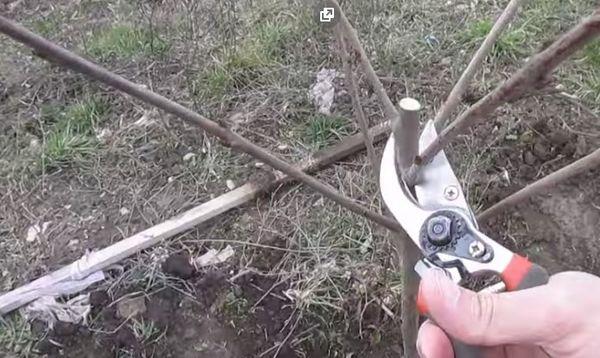
Crown formation
Correct and timely crown formation will increase the yield and taste of berries.
Formative pruning is carried out every year until the tree reaches 5 years of age.
Each year, one tier of 5-7 scaffold branches is left on the main conductor. Multiple shoots are also pruned, leaving 3-4 shoots each year.
After the tree has fully formed, only sanitary pruning and thinning of the overgrown crown are carried out.
Protection from diseases and pests
Improper care of fruit trees often leads to fungal and viral diseases, and pest attacks become more frequent.
Coccomycosis
Fungal infections appear as brown spots on tree leaves. If preventative and treatment measures aren't taken promptly, the leaves dry out, curl, and fall off. Copper-based fungicides are recommended for spraying trees.
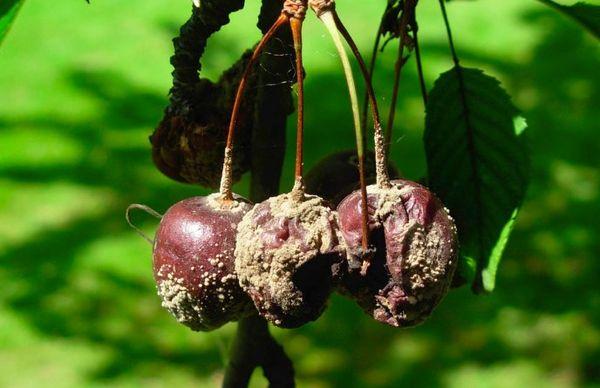
Moniliosis
The fungus attacks the tree during flowering and fruit set, negatively impacting fruit yield. If leaves, flowers, and twigs turn brown, immediate treatment and preventative measures are needed. Special fungicide-based treatments can help combat moniliosis.
Clusterosporiasis
If reddish-purple spots appear on the leaves of a cherry tree, immediate action is needed to combat the fungal disease. The spots gradually expand, developing into large holes. The leaves dry out and fall off. Shoots, buds, fruits, and the trunk of the tree are also susceptible to the fungus.
For prevention and treatment, professional fungicides containing copper are used.
Cherry fly
The pest appears in early spring, feeding on the sap of young leaves, and then laying eggs on berries. Fruit affected by the cherry fly rots and falls from the trees.
For the prevention and treatment of cherries, professional insecticide-based protective agents are used.
Aphid
A small pest that feeds on plant sap. As a result, leaves, buds, ovaries, and fruits dry out and rot.
If the cherry tree is affected by aphids, it is treated with preparations containing insecticides.
Leaf roller
A small butterfly, it poses a particular threat in its caterpillar stage. These pests feed on buds, inflorescences, and ovaries.
For treatment and prevention, trees are sprayed with insecticide-based preparations.
American butterfly
The greatest danger to fruit trees is posed by the pest in the caterpillar stage, which eats both the leaf blades and the cherry fruits.
To combat and treat the disease, pesticides are used, damaged plants are coated with a lime solution, and affected branches and leaves are burned.
Bird protection
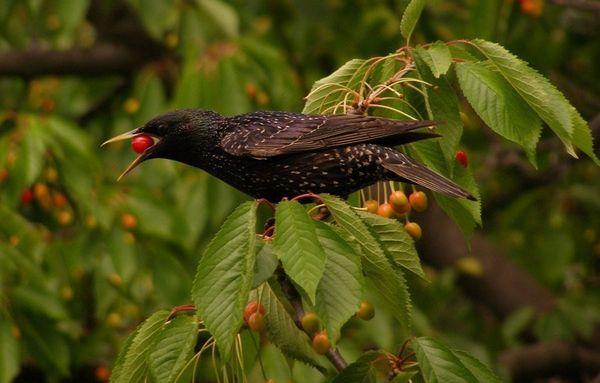
In addition to pests and diseases, birds, attracted by the bright colors of the berries, cause significant damage to the crop.
Ultrasound
Cherry trees can be protected using ultrasonic devices. When birds approach, an ultraviolet sensor is activated, and the device emits an unpleasant ultrasound sound.
Containers with water
Large containers are filled with water and placed near trees. When the sun hits them, the water sparkles and reflects the light, causing the birds to become frightened and fly away.
Old disks
Objects that glitter in the sun deter voracious birds from trees. To preserve the berry harvest, old, shiny disks are hung on the plant.
Covering with a net
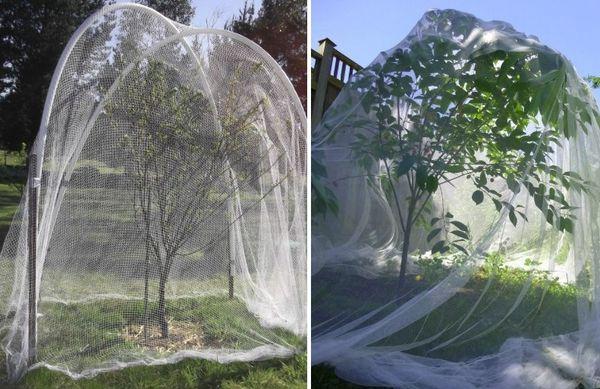
During the berry ripening period, to protect the harvest from birds, the trees are covered with a fine mesh through which the birds cannot reach the fruit.
Preparing for winter
With the arrival of autumn, the Iput cherry variety is prepared for winter dormancy.
- The trees are watered generously.
- The soil is mixed with organic and mineral fertilizers.
- The tree trunk circle is loosened and mulched with a thick layer of humus or compost.
- Young trees are covered with a special fiber; adult plants survive winters well on their own.
- As soon as the first snow appears, high snowdrifts are built under the trees.
Advice! If trees have been affected by diseases or pests, carry out preventative spraying of fruit crops in late autumn.
Harvesting and storage
Iput cherries are harvested in late June and early July. The berries ripen simultaneously, making harvesting easier.
To extend the shelf life of berries, they are picked with the stems attached. This ensures the fruit remains whole and dry.
After harvesting, the berries are sorted and graded. Whole fruits are placed in prepared containers and stored in refrigerated chambers. Damaged and soft berries are processed immediately.
At room temperature, cherries can be stored for up to 3 days; in the bottom drawer of the refrigerator, for up to 7 days. In specially equipped storage units, the berries retain their marketable appearance for up to 3 weeks.
Tip! To enjoy the flavor of ripe cherries longer, dry or freeze them.
Advantages and disadvantages of the variety
After a detailed description of the characteristics of the Iput cherry variety, we can draw conclusions about all the advantages and disadvantages of this fruit crop.
Advantages:
- The variety easily tolerates cold winters.
- Ripe berries are harvested at the end of June.
- Immunity to diseases and pests.
- Small size of trees makes it easier to care for and harvest.
- Universal purpose of fruits.
- Excellent taste of berries.
- Stable fruiting.
The disadvantages of the variety include the lack of independent pollination and the cracking of berries during heavy rains and watering.
Even a novice gardener or vegetable grower can handle growing and caring for the Iput cherry tree.
Related posts:
 Planting and caring for cherries, feeding and growing rules
 Descriptions of the 20 best cherry varieties for the Moscow region, their planting and care
 Description and cultivation of the Bryansk pink cherry variety, pollinators
 Description and characteristics of the Tyutchevka cherry variety, planting and care
 Description and characteristics of the Veda cherry variety, planting and care scheme
 The health benefits and harms of cherries, rules of consumption, and their effects on the body
 Description of the cherry variety Lyubimitsa Astakhova, planting and care
 Description and cultivation of the Yantarnaya cherry variety, selection of pollinators