
Why don't cherries bear fruit for so long? This question is often asked by gardeners tired of waiting years for sweet berries. Sometimes, the first cherry harvest doesn't appear until the fifth, or sometimes even eighth, year of the plant's life. You just have to wait a while. The main thing is not to leave the cherry tree unattended. In the spring, regularly carry out disease and insect prevention. Cherry trees need to be fed throughout the growing season.
Main reasons
Cherry trees typically begin bearing fruit in their third to fifth year. Planted on the south side of the garden, in a sunny, sheltered location protected from harsh winds, the tree lives a long time, approximately 20 to 40 years. If the cherry tree doesn't bear fruit for a long time, or if the yield is very low, it's important to investigate the underlying cause and try to correct it.
Incorrect selection of variety
Before planting your favorite variety in your garden, you need to find out how well it adapts to the climate of your particular region. Cherries are considered heat-loving plants and do not tolerate winter frosts well. While leaf buds may not be damaged in winter, flower buds are often partially or completely frozen.
Before winter, you can insulate the roots of a tall tree, but it's impossible to cover the entire crown. It's best to plant regionalized varieties in your garden plot—those that have proven themselves in a specific region and regularly produce high yields of sweet fruit.
Pollination
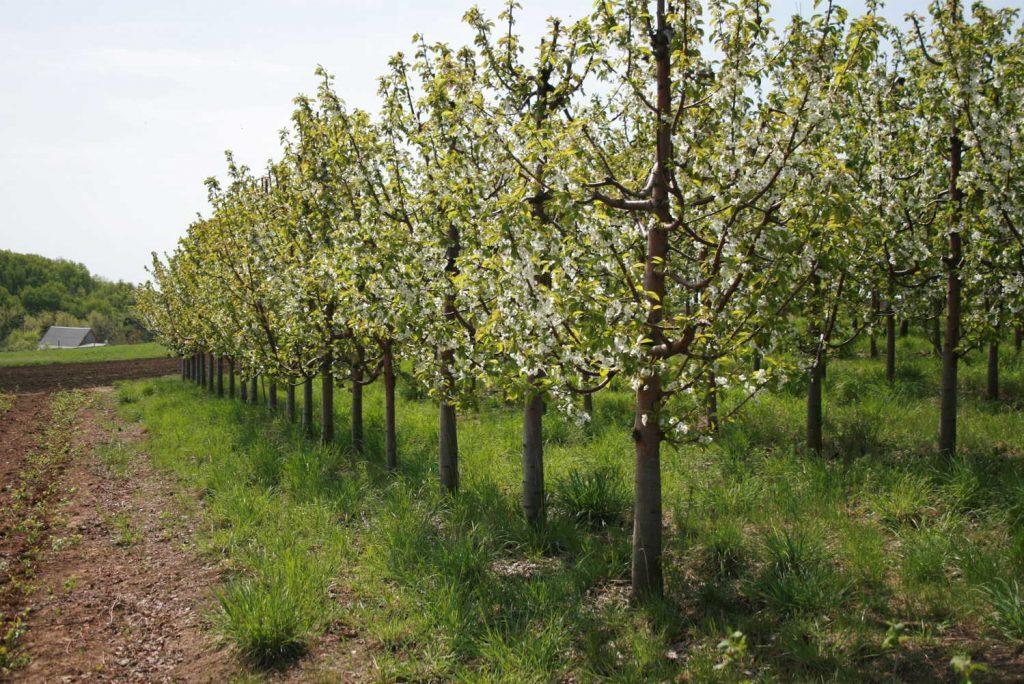
Most varieties are self-sterile. Without several pollinating cherry trees planted nearby, the yield will be only 5 percent. Even self-fertile varieties without pollen from other trees bear fruit poorly, yielding no more than 40 percent of their potential yield.
Acidic soils
Cherry trees grow well and bear fruit regularly in loamy or sandy loam soils with neutral or slightly acidic pH. Trees grown in overly clayey or acidic soils will not bear fruit.

This heat-loving plant is native to southern latitudes, where the soil is more alkaline. However, even in such soil, a boron deficiency can make harvesting difficult.
Fungal infection
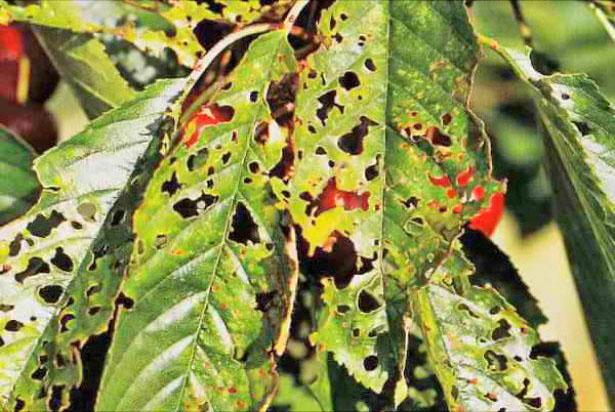
Trees infected with a fungal infection will not produce a good berry harvest. The most common cause of the disease is coccomycosis. Affected trees have poor fruit set, some blossoms fall off, and leaves turn yellow prematurely.
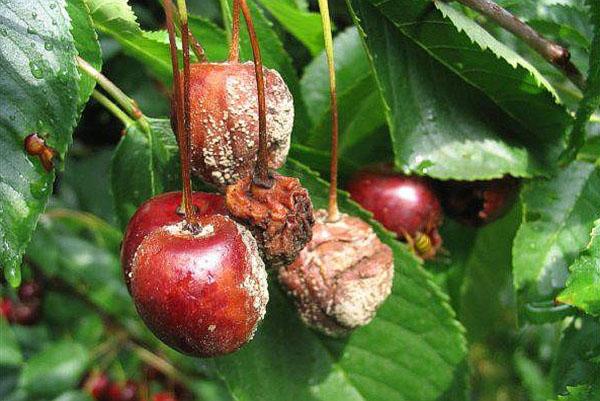
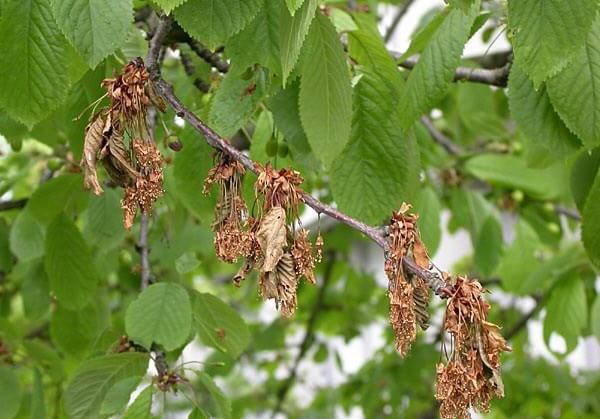
Another common cherry disease that reduces yield is moniliosis. Trees appear sun-scorched, flowers dry up and fall off, and leaves curl, turning brown and dry.
Nutritional deficiencies
Cherry trees growing in poor soil will not bloom. Fertilize the tree in the fall: water it with a solution of superphosphate and potassium sulfate. Before frost, mulch the area around the tree trunk with humus, and in the spring, the organic matter can be dug into the soil.
In spring, before the flowering period, the tree needs to be fed again with phosphorus and potassium.
Weather conditions
Cherry trees typically bloom from mid-April to mid-May. The flowering period lasts 15-21 days. During the flowering period, air temperatures should be at least 10-15 degrees Celsius.
In the central part of the country, spring frosts often occur during this period. The drop in temperature has a detrimental effect on the flowers, which fall off before they have time to form ovaries.
Cherry trees can be plagued by problems in winter. During extremely harsh winter months, the plant's flower buds may be damaged. If frosts are followed by frequent thaws, which trigger bud growth, then there's no point in hoping for a harvest in such weather.
Violations of agricultural practices
Poor yield may be due to improper planting. If the root collar is too deep, the tree may not bear fruit for a long time. Even a properly planted tree may fail to bloom if it is poorly cared for, for example, by overwatering the roots or not watering the cherry tree.
This crop requires watering only during drought. In early spring and late fall, water recharging is necessary.
Trees consume the most water at the very beginning of the growing season. As autumn approaches, their need for moisture decreases.
Take a look Also

Incorrect preparation for the winter period
In the fall, before covering, many gardeners do pruning incorrectly. Branches can only be pruned during the first two years after planting. On fruiting trees, the tips of the branches are left untouched, as this is where flower buds grow.
In autumn, only water sprouts, dry or diseased branches, as well as shoots growing inside the crown are cut off.
Just before the onset of frost, the roots should be insulated. Mulch the soil around the tree trunk with a thick layer of peat and humus. Before insulating, recharge the soil with moisture. You can insulate the cherry tree trunk with burlap. Young trees planted this season should be completely covered with agrofibre, burlap, and film.
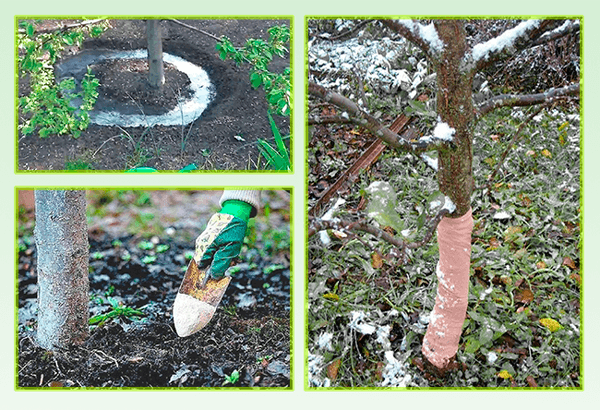
Problem solving methods
What should you do if your cherry tree isn't blooming or producing berries? You can avoid this problem by planting a regional variety well-adapted to your local weather conditions.
It's better to buy a seedling from a nursery rather than at the market. Furthermore, a cultivar should have a visible graft.
When planting, don't cover the root collar with soil; it should be level with the soil, no higher or lower. The tree should be planted only in soil that is rich in organic matter and nutrients. If the soil is clayey, add a little sand and peat. If it's too acidic, add lime and wood ash or dolomite flour.
A tree growing in poor soil can be fed with slurry in early spring, and then with phosphorus and potassium in the summer. The foliage can be sprayed with a weak solution of boron and urea.
Cherry trees are not treated, watered, or fertilized during flowering. All work is carried out before or after this period.
Once the tree is in bloom, it's not recommended to light fires or burn grass or branches in the garden. The smoke repels insects, and they avoid the area. You can plant flowers near the cherry tree, as their scent attracts bees.
Take a look Also

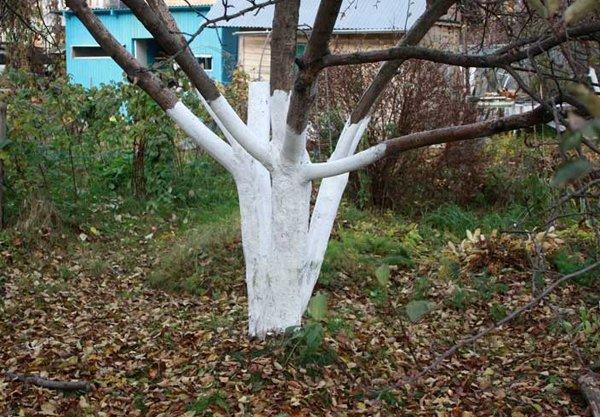
Preventative measures protect against diseases. In early spring, the tree trunk can be whitewashed with lime or Bordeaux mixture, and the soil can be watered with a copper sulfate solution. Preventative spraying with fungicides (Oxychom, Ridomil, Ordan) will protect against coccomycosis. Moniliosis can be prevented with Skor and Horus.
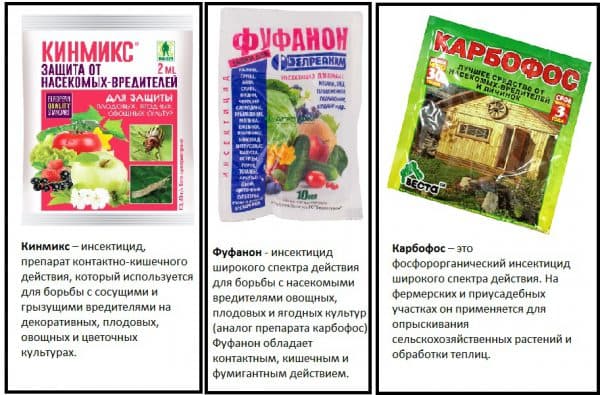
All preparations are diluted with water to the required concentration. At least three fungicide treatments are required per season.
Common mistakes when growing
A favorite cherry tree shouldn't grow alone in the garden. It's advisable to plant other cherry varieties nearby, which will bloom at the same time. Several cherry trees can be planted. Cross-pollination will increase the number of ovaries on each tree. Some gardeners graft a cutting from another variety onto their cherry tree, thus satisfying the plant's need for pollen from the other variety.
There are a number of mistakes that gardeners make due to inexperience:
- If you bury the root collar too deep, the plant will begin to bear fruit late.
- If you don't water the tree in time, it will lose its blossoms.
- If you don't take preventative measures in the spring, the berries may start to spoil, fall off, or rot right on the branches in the summer.
Most cherries grown in orchards are hybrids, created through the efforts of breeders. Unlike cherries, their cultivation requires a great deal of effort. Cherries respond well to humus, prefer infrequent watering, and require annual pruning.
With proper care, the tree will bear fruit regularly. If you plant an early-bearing variety in your garden, the first berries will appear as early as the third year.
Related posts:
 How to plant walnuts, care for them, and grow them at home
 Descriptions of the 20 best cherry varieties for the Moscow region, their planting and care
 Causes and symptoms of 30 plum diseases, treatment and pest control
 Description and cultivation of the 15 best cherry plum varieties for the Moscow region, planting and care rules
 Characteristics and description of the Large-fruited cherry variety, pollinators and care
 Characteristics and description of the Startovaya plum variety, planting and care
 Description of the Vasilisa cherry variety, cultivation and care
 Description of the Fatezh cherry variety, planting and care instructions