
- Description and Features
- History of selection
- Main characteristics of the variety
- Drought resistance and winter hardiness
- Pollinators
- Eurasia-21
- Volga beauty
- Flowering period
- Ripening time
- Productivity and fruiting
- Resistance to diseases and pests
- How to plant correctly
- Requirements for the location
- Preparing the site and the pit
- How to select and prepare planting material
- Planting diagram
- Recommendations for choosing deadlines
- Acceptable and unacceptable neighbors
- Care instructions
- Watering mode
- Top dressing
- Preparing for winter
- Trimming
- Formative
- Regulatory
- Supportive
- Sanitary
- Caring for the tree trunk circle
- Protection from diseases and pests
- Pros and cons of the variety
- Harvesting and storage
- Tips from experienced gardeners
The Startovaya plum is an excellent choice for gardeners seeking an easy-to-grow and hardy tree. The tree requires minimal care, and the harvest of sweet, large, dark-burgundy plums can be picked as early as late July. This dessert variety is grown for both home and commercial use. Plums are eaten fresh, used to make jams, and compotes. Under proper conditions, the fruit can be stored for 1-1.5 months after harvest.
Description and Features
The Start plum has a number of useful characteristics:
- blooms late - in May, when the threat of recurrent frosts has passed;
- ripens early - at the end of July;
- enters the fruiting period 3-4 years after planting;
- ripe fruits hang on the tree for a long time and do not fall;
- plum weight - 55-65 grams;
- one adult tree can produce up to 25-35 kilograms of fruit;
- the pulp is juicy, sweet, with a dense texture;
- plums have good shelf life and can be transported over long distances;
- the variety is self-fertile, but to increase the yield, pollinators (Volga Beauty, Eurasia) need to be planted nearby;
- the plant does not require preventive treatments and is immune to diseases and pests;
- characterized by high winter hardiness and drought resistance;
- The variety has a wonderful dessert taste and is grown for fresh consumption and processing.
What does the Start plum look like:
- a tree of medium height, with a broad, oval, dense crown;
- the leaves are green, ovoid, with serrated edges and a pointed tip;
- the surface of the leaf blade is wrinkled, matte;
- the flowers are large, resemble bells, white in color;
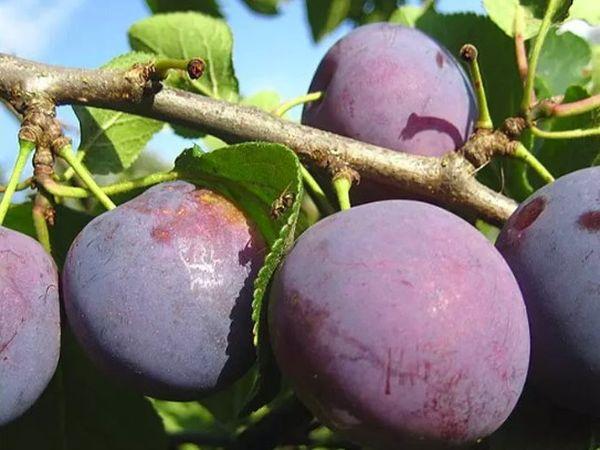
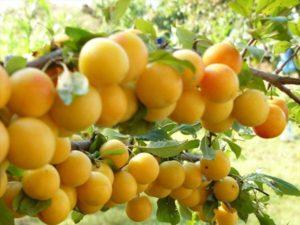
- the fruits are large, round, with a vertical stripe, the weight of one is 55-65 grams;
- the skin is of medium thickness, burgundy in color, with a waxy coating;
- the pulp is juicy, yellowish, sweet and sour;
- The stone is large, oval, and easily separates from the pulp.
History of selection
The Startovaya plum was developed relatively recently (in 2000) at the Ivan Michurin All-Russian Research Institute of Genetics. A team of breeders (Kursakov, Nikiforova, Pisanova, and Bogdanov) worked on developing the new variety.
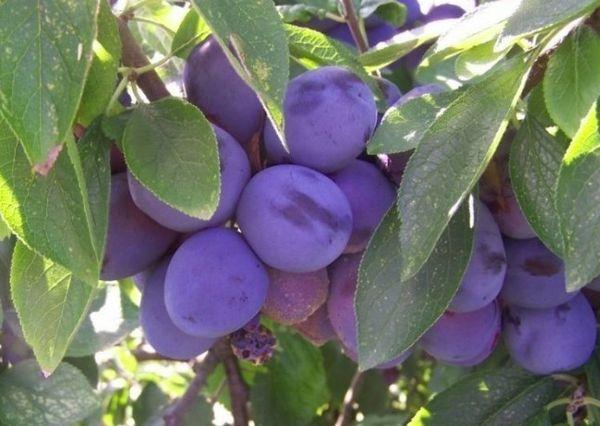
For crossing they used plum Eurasia-21 and Volga beautyThe new variety was added to the State Register in 2006. The Startovaya plum is zoned for the Central Black Earth region and can be grown throughout central Russia.
Main characteristics of the variety
The Startovaya plum adapts well to the climate of central Russia. With proper cultivation practices, it rarely gets sick and bears fruit regularly for 10-20 years.
Drought resistance and winter hardiness
This variety tolerates winters well in temperate continental climates. The tree does not require insulation before frost sets in. In northern regions, flower buds can freeze to 55-65 percent during winter.
The Startovaya plum requires additional watering only during prolonged drought. The tree should receive maximum moisture at the beginning of the growing season. In summer, when the fruit is ripening, watering should be reduced to a minimum; otherwise, excess moisture can cause the fruit to crack.
Pollinators
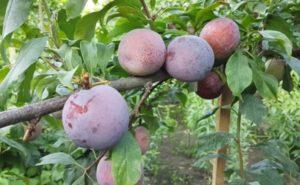
The Startovaya plum, although self-fertile, produces few ovaries. To increase the yield in the garden, several pollinator trees should be planted nearby.
Eurasia-21
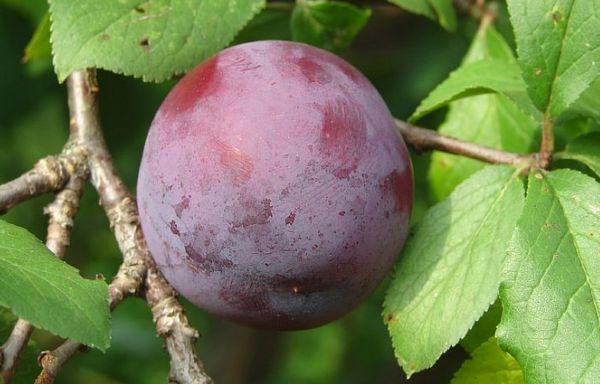
This variety can be a pollinator for Startovaya. Eurasia-21 has a tall tree and small fruits (weighing 30 grams). It blooms at the same time as Startovaya.
Volga beauty
Another pollinator for 'Startovaya.' This variety has a vigorous tree with an upright, spherical crown. The fruits are large, weighing 45-55 grams. It blooms from May 10th to 25th, the same period as 'Startovaya.'
Flowering period
The Startovaya plum blooms in May. Depending on the growing region, the flowers open at the very beginning of the month or in the second ten days of May.
Ripening time
The Startovaya plum ripens in late July. In cold climates, harvesting shifts by 1-2 weeks. In such regions, plums ripen in August.
Productivity and fruiting
The tree begins to bear fruit three to four years after planting. However, the initial harvests are not particularly high. Peak yields occur at ten years of age. A mature tree produces an average of 25-35 kilograms of fruit. This variety is not known for its high yields.
Resistance to diseases and pests
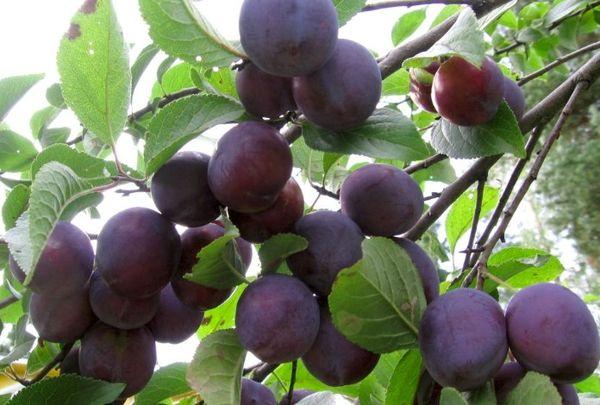
The tree has a good immunity. Gum disease and gray mold are extremely rare. Plum trees rarely get sick and are highly resistant to insect attacks. They are occasionally attacked by the cherry moth and plum fruit moth.
How to plant correctly
The Startovaya plum is best planted in a region with a temperate continental climate and mild winters. For planting, prepare a 1-2 year-old seedling or purchase a young tree.
Planting is carried out in early spring or autumn, a month before the onset of frost.
Requirements for the location
This plum variety prefers loamy, well-fertilized soils with a neutral pH. Choose a sunny location, protected from cold winds and flooding during rain or floods.
Preparing the site and the pit
A month before planting, prepare the site. First, dig a hole 80 centimeters deep and 50 centimeters in diameter. Excessively clayey soil can be amended with peat and sand. Mix nutrient-poor soil with a bucket of compost, 300 grams of wood ash, potassium sulfate, superphosphate, and urea (65 grams of each). A little lime can be added to acidic soil.
How to select and prepare planting material
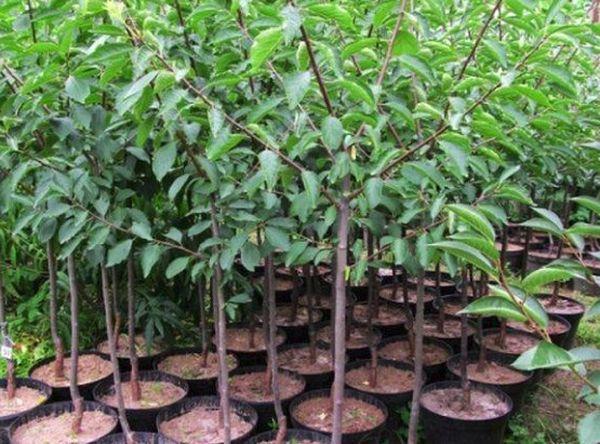
To plant, you need to buy a tree with its own roots or one grown on a rootstock. It's best to purchase planting stock from nurseries. Trees grown from cuttings, root suckers, and layering are commonly available. It's best to buy a tree with its own roots, as they have a stronger immune system. For planting, choose a young tree 1-2 years old. The tree should be 0.60-1.40 meters tall and have healthy, developed roots 20-30 centimeters long. Before planting, soak the tree's roots in a nutrient solution for 24 hours.
Planting diagram
The tree is planted in a pre-dug hole. Leave 3-4 meters of space between the tree and the neighboring tree. A stake is placed at the bottom of the hole for support. Then, fill it with 2/3 of fertilized soil. Place the tree on top of the mound. Spread the roots out in a circle.
Then, cover the tree with the remaining soil. The root collar should be 5 centimeters above the soil level. Firmly compact the soil around the tree. Finally, pour 3-4 buckets of water under the roots.
Recommendations for choosing deadlines
Plum trees can be planted in early spring, before the buds open, or in autumn, after the leaves have fallen, a month before frost. The tree takes root better if planted in the fall. However, this method is only suitable for warm climates. In northern regions, it's best to plant the tree in the spring, after the snow has melted and the soil has warmed to 8-10 degrees Celsius. Saplings planted in April will have time to develop their root system over the summer and prepare for winter.
Acceptable and unacceptable neighbors
It's best to plant pollinator trees near the Startovaya plum: Volzhskaya Krasavitsa and Eurasia-21. Other plum varieties can also be planted if their blooming season coincides with the Startovaya plum. The tree thrives alongside apple trees, raspberries, and currants. It's not recommended to plant pears, cherries, sweet cherries, or walnuts near the plum.
Care instructions
The Startovaya plum is easy to care for. The tree will grow without human intervention. With regular care, timely feeding, and crown maintenance, the plum tree will produce a much higher yield.
Watering mode
The tree is watered during prolonged droughts. Add 4-6 buckets of water to the roots once a week. In early spring and late fall, the tree needs a water recharge: if the season is dry, add 7-10 buckets of water to the area around the trunk. In July, during the ripening period, watering can be reduced to a minimum.
Top dressing
The tree responds well to organic and mineral nutrients. Fertilize three times per season. In the fall, before wintering, the trunk circle is mulched with humus. In the spring, the organic matter is dug into the soil. Before flowering, fertilize the tree with a solution of potassium sulfate and superphosphate (50 grams per 12 liters of water). The foliage can be sprayed with a solution of urea or boric acid. Immediately after harvesting, the tree should be fertilized with potassium and phosphorus.
Preparing for winter
In regions with mild winters, plum trees don't need to be insulated before the cold weather sets in. In colder climates, preparation for winter is essential. The tree trunk should be whitewashed, and the area around the trunk should be mulched with peat and humus. The tree can be wrapped in burlap.
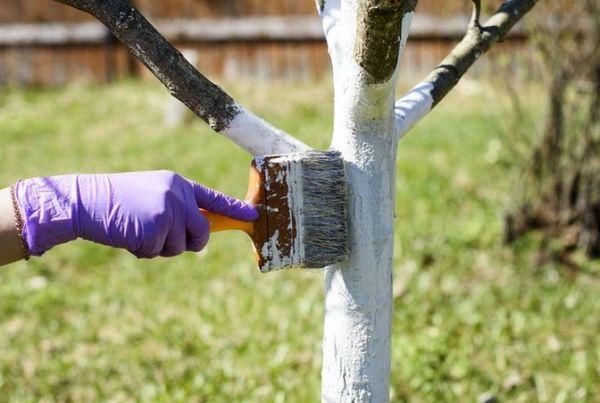
During a snowfall, add more snow to the tree's trunk. A deep snowdrift will protect the tree from frost. The snow around the trunk should be constantly tamped down to prevent mice from accessing the plum tree.
Trimming
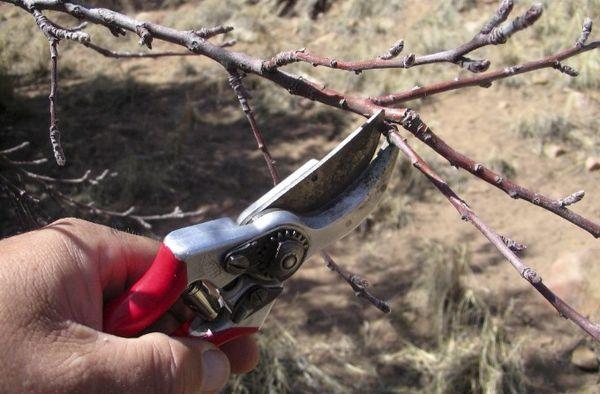
The tree's crown is pruned throughout its life. Proper pruning helps extend the fruiting period and increase yield. Pruning is done in early spring, before the sap begins to flow, or in late fall, after the leaves have fallen. Wounds are disinfected with copper sulfate and sealed with garden pitch. In regions with frosty winters, trees are generally left untouched in the fall.
Formative
The tree's crown is shaped into a bowl. Formative pruning is performed during the first 3-4 years. In the second year after planting, the central trunk and lateral branches are shortened by 10-20 centimeters. Two to three shoots are left on each side. Branches growing lower down the trunk are removed. The following year, the central trunk is shortened again. Branches that thicken the crown, grow downward, or grow vertically upward are pruned.
Regulatory
During the fruiting period, avoid touching the tips of the branches, as flower buds are forming on them. The main trunk of the tree is pruned to curb its growth. Every year, shoots that interfere with light and ventilation are pruned.
Supportive
The crown of a mature tree requires constant monitoring. The main trunk should be cut back by a third to control its growth. This year's growth can be shortened by 10-15 centimeters.
Branches that thicken the crown are removed annually. Old, non-fruit-bearing branches are replaced with lateral shoots.
Sanitary
During sanitary pruning, diseased, dry, and broken branches are removed. Sanitary pruning can be performed in spring and fall.
Caring for the tree trunk circle
Throughout the growing season, keep the area around the tree's trunk clean. Weeds should be kept away from the tree. Fallen leaves, rotten fruit, and dead branches should be removed every fall, as plant debris can harbor fungi and insect pests.
In spring, the tree trunk area can be disinfected with a copper sulfate solution. In summer, after watering, the soil should be loosened to ensure adequate oxygenation for the roots.
Protection from diseases and pests
The Startovaya plum has good disease resistance. The tree is rarely affected by fruit rot, rust, scab, and clasterosporium. In early spring, it's advisable to whitewash the trunk with lime and spray the branches with a weak solution of Bordeaux mixture as a preventative measure.
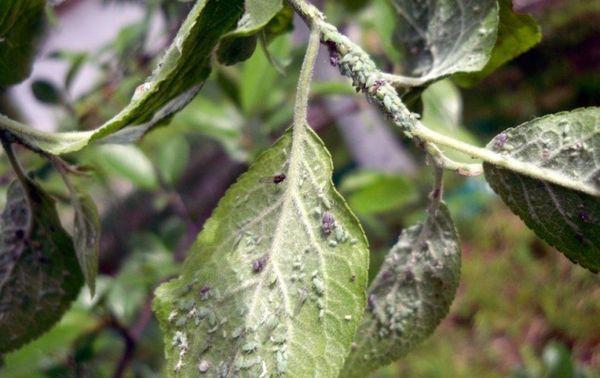
Plum trees are rarely attacked by insect pests. If plum sawflies, weevils, caterpillars, or aphids are detected, the foliage can be sprayed with an insecticide solution (Aktara, Confidor, Iskra).
Pros and cons of the variety
Positive aspects of the Start plum:
- dessert taste and presentation of fruits;
- early ripening;
- fast fruiting;
- resistance to diseases and insect pests;
- good winter hardiness;
- regular fruiting.
Disadvantages of the variety:
- relatively low yield;
- average frost resistance;
- need for pollinators.
Harvesting and storage
Plums are harvested in July, when they are technically or fully ripe. The fruits are picked by hand at midday, in dry and windless weather. The picked fruits are placed in plastic or wooden crates.
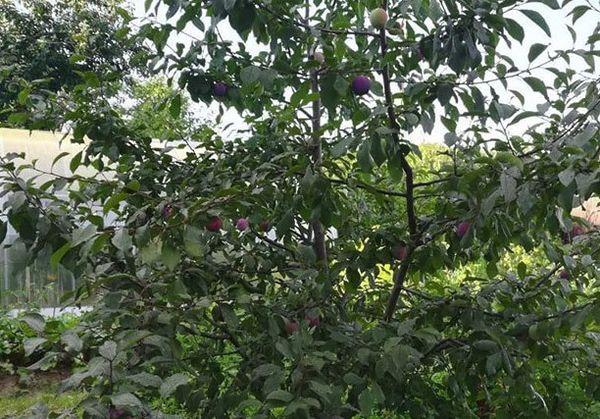
Plums are stored in a cool place at temperatures ranging from +1 to 0 to -2 degrees Celsius. Under these conditions, the fruit can last for 1 to 1.5 months. Plums are grown for personal consumption or for sale. The fruit is used to make jams, compotes, and juices. Plums can be frozen or dry in the oven.
Tips from experienced gardeners
Some recommendations from experienced gardeners:
- the tree has good immunity, preventative treatments are not necessary;
- If signs of infection or pests are detected, it is necessary to carry out therapeutic spraying with chemicals;
- The only problem is rodents; to protect against them, traps are set, poisoned bait is laid out, and the trunk is wrapped in netting.
Related posts:
 Description and characteristics of the Yakhontovaya plum variety, pollinators
 Description and characteristics of the 30 best yellow plum varieties, planting and care
 Description of the 30 best plum varieties for the Moscow region, planting and care
 Description and characteristics of the 27 best plum varieties for the Urals, planting and care
 Description of the Renklod plum varieties and cultivation technology
 Description and varieties of plum variety Ternovka, planting and care technology
 Description of the Volga Beauty plum variety, planting and care
 Description and distinctive features of the best varieties of Ussuri plum