
- History of variety selection
- Growing regions and suitable climatic conditions
- Varieties of Ussuri plum
- Ussuri late
- Vesta
- Festive
- Yolk
- Ural prunes
- Golden Cornfield
- Covenant
- Bakcharskaya
- General description and distinctive features of the Ussuri plum
- Tree size and annual growth
- Susceptibility to diseases and parasites
- Resistance to low temperatures and drought
- Fruiting
- Flowering and pollinators
- Ripening time and harvest
- Tasting evaluation and scope of application of fruits
- Landing specifics
- Recommended timeframes
- Choosing a suitable location
- What crops can and cannot be planted next to each other?
- Selection and preparation of planting material
- Landing algorithm
- Aftercare
- Irrigation
- Fertilization
- Crown pruning
- Loosening and mulching the tree trunk circle
- Seasonal treatments
- Gardeners' reviews of the fruit crop
The Ussuri plum is considered the northernmost variety of the plant. It grows up to 3 meters and is most popular in Manchuria and the southern regions of the Russian Far East. Its characteristics resemble those of the Chinese plum. Distinguishing features include thinner annual shoots, the presence of thorns, and less glossy foliage.
History of variety selection
Today, many varieties of this plum are known. Almost all of them were bred from Chinese and Japanese varieties.
Growing regions and suitable climatic conditions
The crop is grown in northern regions characterized by low temperatures. It can be planted in the Urals, Siberia, and Buryatia. Specific varieties have been developed for each of these regions.
Varieties of Ussuri plum
There are quite a few varieties of Ussuri plums, each with its own distinctive characteristics.
Ussuri late
This plant is characterized by increased frost resistance. Many people report that it can withstand temperatures as low as -40 degrees Celsius in November, when the tree has not yet had time to properly adapt to winter.
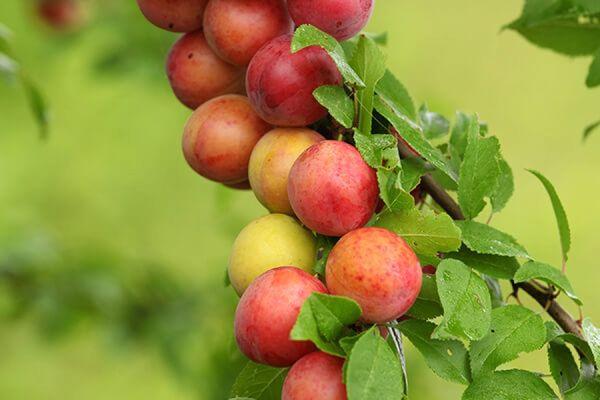
This variety is characterized by round fruits with red skin covered in a waxy coating. Inside, there is yellow flesh. The variety has a sweet and sour flavor. However, the flesh has no bitter or astringent notes. On a five-point scale, the fruits are rated 4.6.
The fruits ripen in late August. A single tree can yield up to 25 kilograms of fruit.
At the same time, the plum bears fruit abundantly, but cannot boast of a stable yield.
Vesta
This is a relatively new variety, developed in Yekaterinburg. It produces a medium-sized tree with high frost resistance. The fruit is distinguished by its round shape, red skin, and waxy coating.
The plums contain juicy yellow flesh. The plums have a delicate flavor and are easy to pit. The fruits ripen in late August. The plant is characterized by high yields. It bears fruit well and regularly.
Festive
This variety is distinguished by its remarkable frost resistance. It is characterized by a small tree that blooms profusely. The plant produces round fruits that taper slightly toward the tip. The plums are large, weighing 20-25 grams. They are covered with a yellow skin on the outside, with a reddish flank. Inside lies yellow-orange flesh.
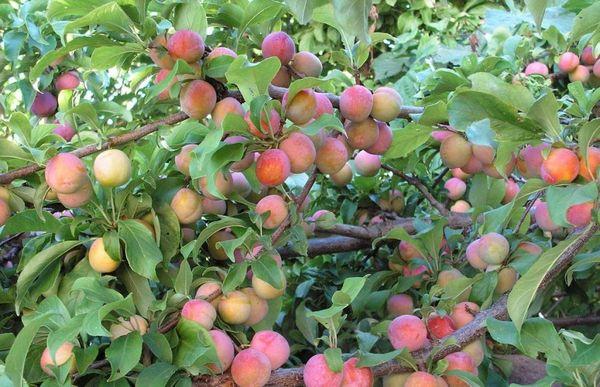
Plums have a delicate, sweet flavor with a hint of tartness. The fruit is not bitter or astringent. Each tree produces up to 20 kilograms of plums.
Yolk
The variety's main advantage is its excellent resistance to fungal diseases and common pests. The crop is characterized by yellow fruits that are round and flattened at the top. They have excellent flavor and a distinct aroma.
This plum is widely grown in areas with harsh winters. It thrives best in well-lit areas. It thrives in fertile soil with a neutral pH. This plum is ideal for regions with constant temperature fluctuations.
Ural prunes
This variety was developed in Chelyabinsk by renowned breeder K.K. Mullayanov. The tree is small, reaching a height of no more than 1.8-2 meters. It has a broad crown.
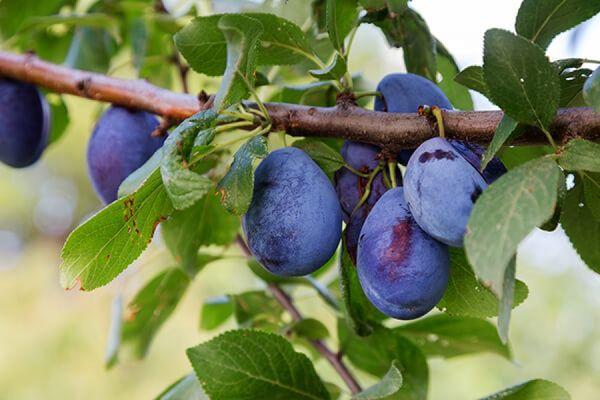
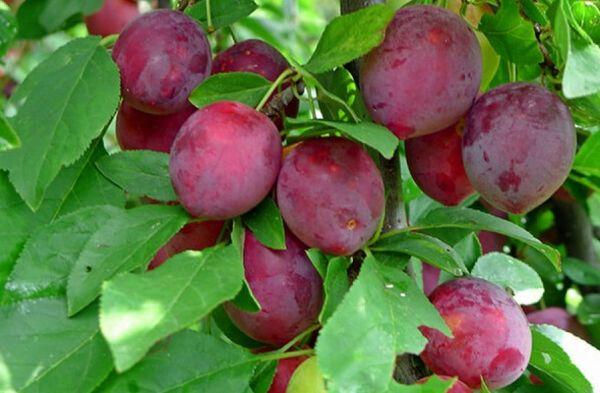
In terms of frost resistance, this plant surpasses many other varieties. It produces small, oval fruits weighing 13-15 grams. They are covered in purple skin and contain creamy or light yellow flesh.
Plums have a very sweet flavor with a subtle tartness. The flesh is medium-firm and grainy. The skin is not too thick, and the pit separates easily from the flesh.
On a five-point scale, the plum received a rating of 4. The fruits ripen in the second half of August. A single tree can yield up to 15 kilograms of fruit. The crop is characterized by abundant and consistent fruiting.
Golden Cornfield
This variety is characterized by a small tree, no taller than 2 meters. It has a spreading crown, characterized by a pyramidal shape. The skin and flesh are golden. The fruits are juicy and tender. The plums have a sweet taste without any trace of acidity or bitterness. The pit is characterized by easy separation from the flesh.
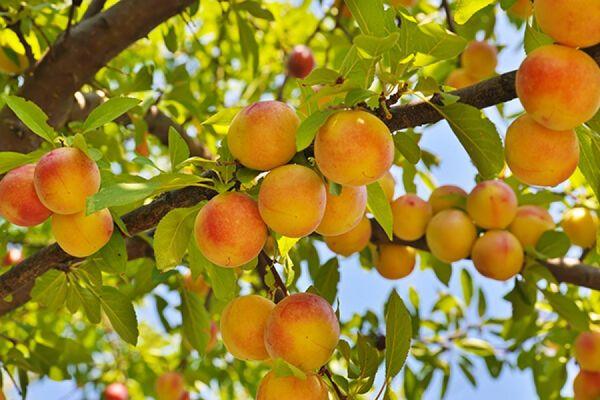
The fruits ripen in late August. A single tree can yield up to 15 kilograms of fruit. This variety is characterized by abundant and consistent fruiting. The long shelf life of the fruit is considered an advantage of this variety.
Covenant
This variety was developed 15 years ago in Yekaterinburg. The breeders were M. G. Isakova, V. S. Putov, and A. I. Puchkin. The variety is very popular. It is characterized by large fruits and beautiful plum color. Its excellent taste and resistance to major plum diseases are considered its undoubted advantages.
This plant is characterized by high frost resistance. However, it does not tolerate dry weather well. The tree reaches 2.5-3 meters in height and has a medium-density crown.
The plums are round in shape. They are covered with a yellow, blushed skin. The surface has a waxy coating. Inside, the plums contain yellow flesh of a dense, juicy consistency. The fruits are very large, weighing 25-30 grams. They have a delicate, sweet flavor with a slight tartness. The pits are easily separated.
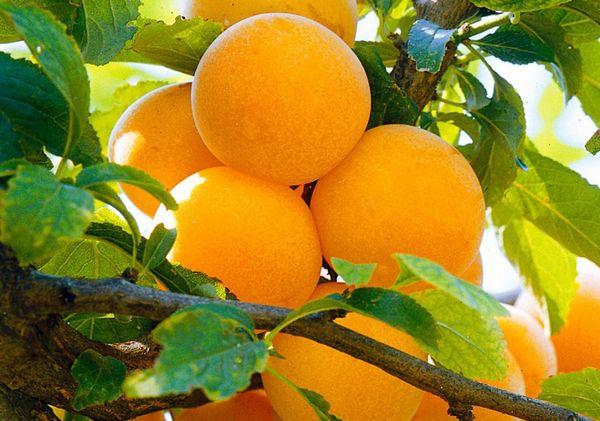
Plums ripen from late August to the first half of September. This variety is characterized by abundant fruit production. Ripe plums hang on the tree and practically do not fall off. A distinct advantage of this variety is the ability to store the fruit for a long time.
Bakcharskaya
This variety of Ussuri plum is available for purchase at the Bakcharsky outpost. A characteristic feature of this cultivar is its remarkable frost resistance. It can withstand temperatures as low as -40-50 degrees Celsius. Fruiting begins quite early, with the first harvest occurring within 3-4 years.
General description and distinctive features of the Ussuri plum
This plum is considered an East Asian cultivar. It developed in harsh conditions, characterized by extremely dry autumns, insufficient snowfall in winter, and damp, cool summers. This plum variety is most commonly grown in the Ussuri region and Khabarovsk.
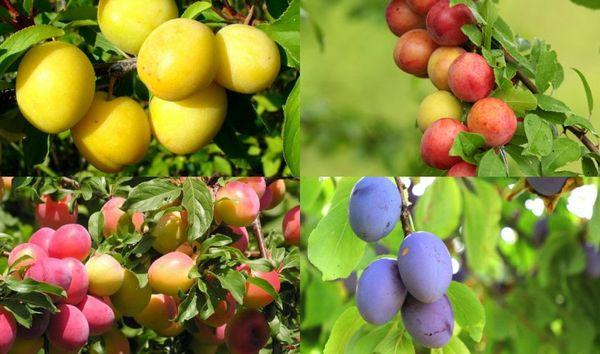
Each variety has its own distinctive characteristics. They differ in appearance, flavor, flowering, and fruiting times. Plums can vary in weight, ranging from 2 to 30 grams. Their shape also varies—round or oval. Some plums have a pointed top.
Tree size and annual growth
Mature trees reach an average height of 3 meters. The size of the plant does not affect yield. With proper agricultural management, it remains abundant and stable. A single tree can yield over 20 kilograms of fruit.
The Ussuri plum is characterized by a spreading crown, which can reach 3-4 meters in diameter. However, the tree's structure varies. The crown can be sparse or dense. In the latter case, the tree resembles a bowl or a sphere. Domestic varieties of this plant grow as small trees that resemble an inflated sphere.
This plant is characterized by grayish or brown branches and trunk. As the plant matures, its bark becomes rough. Fruit buds form on perennial shoots, forming clusters. The leaves are a vibrant green and smooth to the touch.
Susceptibility to diseases and parasites
This plum variety lacks resistance to key diseases and pests. Trees can be susceptible to attacks by aphids and leaf rollers. They are also frequently attacked by codling moths and sawflies. Among diseases, the crop is particularly susceptible to root canker and clasterosporium. There is also a high risk of coccomycosis.
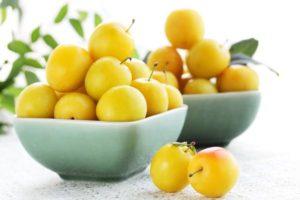
Trees lack resistance to sooty mold and fruit rot and are often susceptible to rust. To avoid problems and preserve the harvest, plums should be treated with special chemicals. Strict adherence to agricultural practices is essential.
Resistance to low temperatures and drought
This plant is characterized by high frost resistance. The tree can withstand temperatures down to -40 degrees Celsius. However, it does not boast excellent drought tolerance. In hot weather, the plant requires ample watering.
Fruiting
When growing plums from cuttings or seedlings, the first fruits can be harvested 3-4 years after planting. If the plant was propagated by seed, the harvest will appear 2 years later. Stable, high yields are maintained for 20 years.
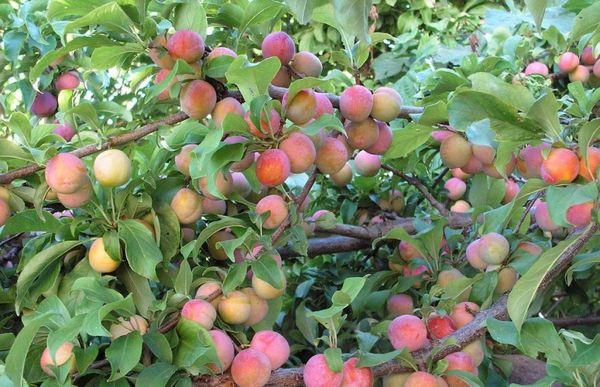
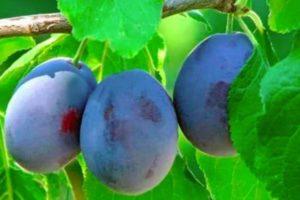
The shape, size, taste, and color of the fruit vary, depending on the specific variety. Plums can weigh up to 25 grams. Their shape can be round or elongated. Some fruits have a pointed end.
They come in purple, yellow, and burgundy colors. There are also almost black fruits with a red tint.
Almost all varieties have small seeds. The flesh can vary in color. It tastes sweet with a slight tartness. Near the seed, the fruit may be slightly bitter.
Flowering and pollinators
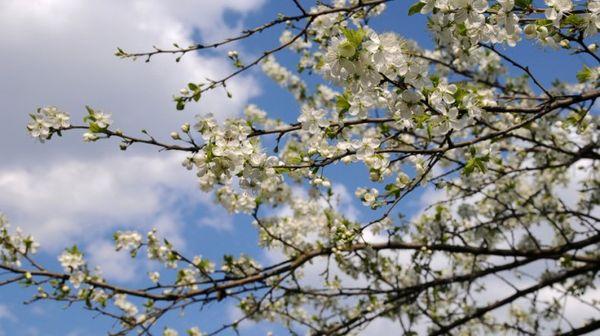
A characteristic feature of the Ussuri plum is that it begins blooming before the leaves appear. The first flowers appear in May. They are small and white. They cover the tree's shoots in abundance. They are resistant to recurrent frosts and can withstand temperatures as low as -3 degrees Celsius.
Ussuri plum is not a self-fertile variety. Therefore, it's best to plant nearby other varieties with similar flowering periods. They will act as pollinators. It's best to plant two or three plum varieties in a plot. Using plums for this purpose is also acceptable. Sand cherry.
Ripening time and harvest
Plums ripen in late summer or early fall. The exact timing depends directly on the region's climate and the specific variety.
In terms of yield, the Ussuri plum is inferior to southern trees. However, for regions with cold climates, it is considered high-yielding. With strict adherence to agricultural recommendations, a single tree can yield 15-20 kilograms of fruit.
Tasting evaluation and scope of application of fruits
The fruits have a pleasant taste. They are sweet and can have a slight tartness. Ussuri plums are generally not bitter or astringent. Therefore, they are perfectly acceptable to eat fresh.
The fruit is also widely used in homemade preserves. They are excellent for compotes, jellies, desserts, and kissels. Plums are often added to pies and other baked goods.
Landing specifics
To achieve success in growing Ussuri plums, it's recommended to plant them correctly. This includes careful selection of the site and seedling.
Recommended timeframes
The best time to plant plums is in the spring. It's important to wait until the soil has warmed up thoroughly. Planting is most often done in April. The ideal temperature is 8-15 degrees Celsius.
Choosing a suitable location
Plum trees thrive in warm climates. However, they can also be planted in colder regions. However, choose a well-lit location for the tree, protected from cold winds. Avoid planting it in a drafty location.
What crops can and cannot be planted next to each other?
It is not recommended to plant poplar, hazelnut, pear, or fir near Ussuri plum. The tree also does not tolerate proximity to cherries and various types of nuts. This combination will negatively impact both crops.
Apple trees, thyme, and black currants are considered favorable neighbors for plums. It's perfectly acceptable to plant various flowers near them, such as daffodils or tulips.
Selection and preparation of planting material
To ensure the plant thrives, it's important to carefully select the planting material. Experts recommend choosing strong seedlings with healthy roots. They should be free of rot or other damage.
Take a look Also
Before planting, it's recommended to soak the plant in clean water. To facilitate the plant's adaptation, it's recommended to use a growth stimulant.
Landing algorithm
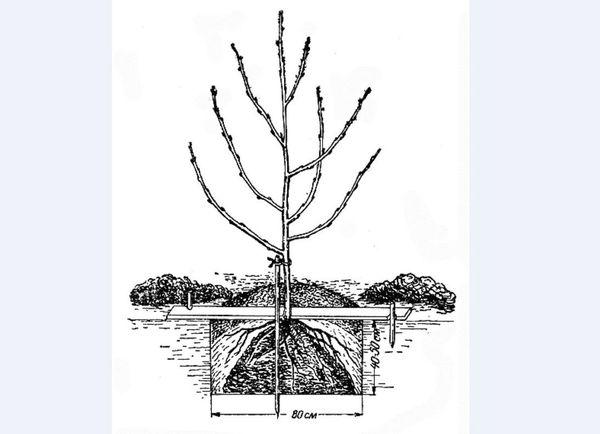
To plant a Ussuri plum, you should do the following:
- Dig a hole 1 meter deep. Its dimensions should be 80 x 80 centimeters.
- Install a wooden stake 15-20 centimeters from the center of the hole. Its height should be 1-1.5 meters.
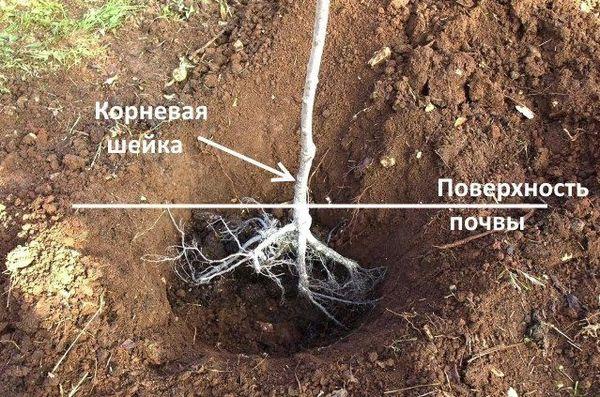
- Cover the plant's roots with soil. It's important to ensure the root collar is 5-7 centimeters above the soil surface.
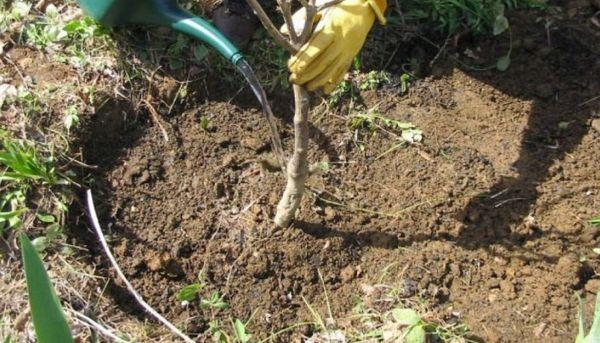
- Water the plant. This will require 2-3 buckets of water.
- Cover the soil with a layer of mulch. This will help retain moisture within the soil structure.
To ensure better survival of the seedling and its active development, it is recommended to straighten the roots during planting. It is important to ensure that they do not bend or cross each other.
Aftercare
To ensure the plant develops normally and produces a bountiful harvest, it is recommended to provide it with high-quality care.
Irrigation
The Ussuri plum cannot obtain moisture from deep within the soil. Therefore, during dry summers, the tree requires ample watering. Typically, it is recommended to water the soil at intervals of 1.5 to 2 weeks. This is especially important for young trees.
Fertilization
Fertilizing is recommended in spring and fall. For this purpose, use mineral and organic fertilizers. Simple products based on phosphorus, nitrogen, and potassium, or complex substances containing all the necessary components, are acceptable.
Crown pruning
No pruning is required during the first year of cultivation. Beginning in the second year, crown shaping should begin. Sanitary pruning is especially important. This involves removing dead and damaged branches. It is also recommended to remove any shoots affected by disease.
Loosening and mulching the tree trunk circle
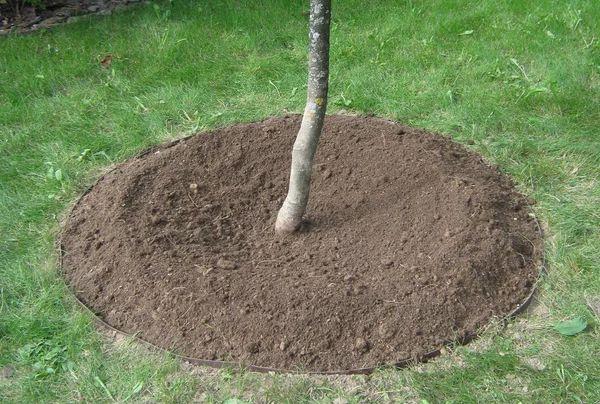
To saturate the root system with oxygen and nutrients, it is recommended to loosen the soil regularly. Removing weeds is also important.
After each watering, it's recommended to mulch the soil. Use grass clippings, sawdust, or leaves. This will help retain moisture in the soil and prevent active weed growth.
Seasonal treatments
The most common cause of damage to this plum variety is codling moths, which negatively impact the plant's development. To combat these pests, use specialized pesticides such as Karbofos or Decis in early August. If fungal diseases develop, it will be impossible to do without fungicides.
To avoid the development of diseases and pest attacks, it is worth providing the crop with adequate care:
- water the tree on time;
- apply fertilizers;
- carry out pruning every 2-3 years;
- treat plantings with preventative preparations.
Gardeners' reviews of the fruit crop
There are many reviews of the Ussuri plum, which confirm its popularity:
- Valentina: "I really like this plant. I chose the 'Ranunculus Early' variety. Just two years after planting, I had delicious, juicy fruits. I'm very pleased and recommend this variety to everyone!"
- Alexey: "I'd long dreamed of growing a plum tree in my garden, but I couldn't find the right variety. Seven years ago, I was advised to choose Zavet. I planted the tree 10 days after purchasing it. By the third year, I had a great harvest. Since then, the plum has produced fruit every year. I haven't noticed any problems."
The Ussuri plum is considered a popular crop, with many varieties available. They differ in tree size, fruit flavor, and disease and pest resistance.
In any case, with proper agricultural practices, you can achieve good results growing this crop. It's important to water, feed, and prune the plant regularly.
Related posts:
 Description and characteristics of the Yakhontovaya plum variety, pollinators
 Description of the 30 best plum varieties for the Moscow region, planting and care
 Description and characteristics of the 27 best plum varieties for the Urals, planting and care
 Description and varieties of plum variety Ternovka, planting and care technology
 Description and characteristics of the 30 best yellow plum varieties, planting and care
 Description of the Renklod plum varieties and cultivation technology
 Description of the 10 best columnar plum varieties, planting and care rules
 Description of the Volga Beauty plum variety, planting and care