
- The history of the Smolinka plum
- Growing regions
- Advantages and disadvantages of fruit crops
- Characteristics of the tree
- Size and annual growth
- Fruiting
- Flowering and pollinators
- Ripening time and harvest
- Tasting evaluation and scope of application of fruits
- Susceptibility to diseases and parasites
- Resistance to low temperatures and drought
- How to plant a tree on a plot
- Required soil composition
- Selecting and preparing a site
- Dimensions and depth of the planting hole
- Timing and rules for planting fruit crops
- Care
- Watering
- What fertilizers does plum like?
- Types of cuttings
- Loosening and mulching the tree trunk circle
- Protection from adverse factors and diseases
- Reproduction methods
- Gardeners' reviews of the Smolinka variety
The Smolinka plum is a relatively new cultivar, introduced in 1980. Today, this tree is one of the most popular among gardeners in the temperate climate zone. The variety's fruits are characterized by large size, juicy, dense flesh, and excellent flavor. Most gardeners continue to grow the Smolinka plum, despite its shortcomings.
The history of the Smolinka plum
The Smolinka plum variety appeared in 1980. It was developed by Russian breeders H.K. Yenikeev and S.N. Satarova by crossing the Ochakovskaya Zheltaya variety and the Ullensa Renclode. The crop was tested for 10 years, and only in 1990 was it added to the state register of Russia and recommended for cultivation in the Central region. Today, the Smolinka plum is used to develop new varieties.
Growing regions
This variety was bred specifically for cultivation in the central regions. It produces abundant fruit in areas with a moderate climate, few weather fluctuations, and ample sunlight.
Advantages and disadvantages of fruit crops
Among other plum varieties, Smolinka has a number of advantages:
- high crop yield;
- increased level of immunity to most diseases that affect plums;
- rapid adaptation to low temperature conditions.
- taste qualities;
- appearance of fruits.
This variety also has some disadvantages:
- reduction in fruit weight with high crown density;
- dimensions of a tall tree;
- average pulp density;
- average resistance to frost and dry climate.
Characteristics of the tree
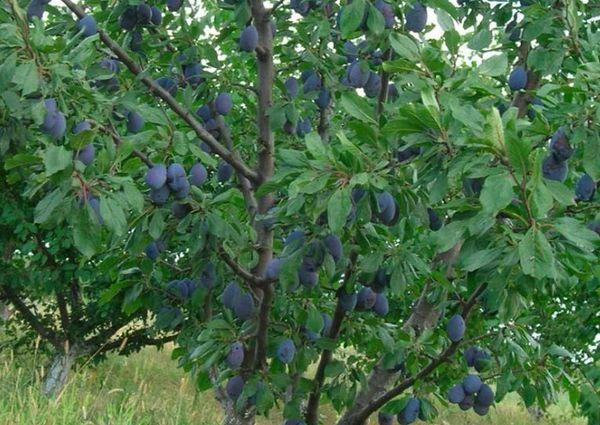
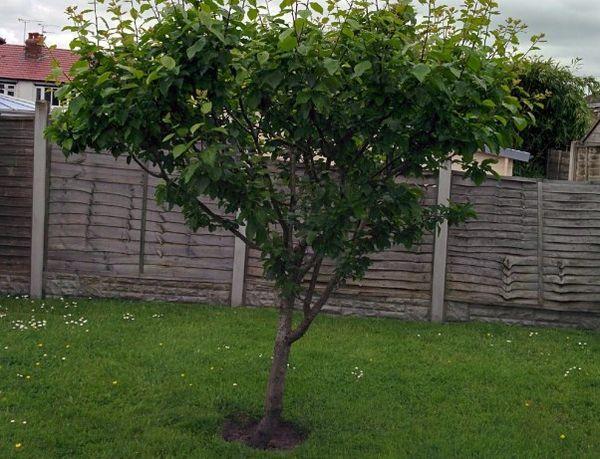
This variety is a tall tree, reaching 5-5.5 meters in height, although this height can vary depending on care and environmental factors. The crown is oval and not very dense, with new shoots appearing slowly, necessitating infrequent crown shaping and pruning. The tree has brown bark with characteristic roughness.
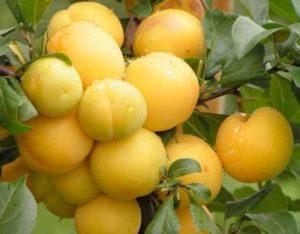
Smolinka plums are among the largest of their kind. The yield per season is high, reaching 20-30 kilograms.
Size and annual growth
The tree is tall and can grow up to 5.5 meters in the right conditions. The crown fully develops 5-6 years after planting. The plant grows 40-50 centimeters annually with annual fertilizing and care.
Fruiting
The tree begins bearing fruit at an average rate, producing its first harvest only 5-6 years after planting. Flowering begins in mid-spring. The yield per tree is high.
Flowering and pollinators
The Smolinka variety cannot self-pollinate; to do so, several additional crops must be planted. For successful pollination, it's important to select varieties with similar flowering periods.
The following trees are suitable for this:
- Early ripening variety.
- Volga beauty.
- Hungarian Moscow.
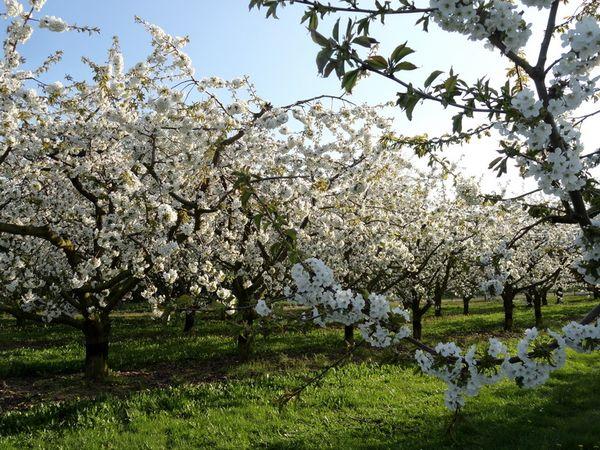
Flowering begins in the first half of May.
Ripening time and harvest
The fruits fully ripen by mid-August. They should be picked immediately, as they will eventually fall and become damaged. Under favorable conditions, a single tree can yield up to 30 kilograms of plums per season. The fruits are large, weighing up to 40 grams.
Tasting evaluation and scope of application of fruits
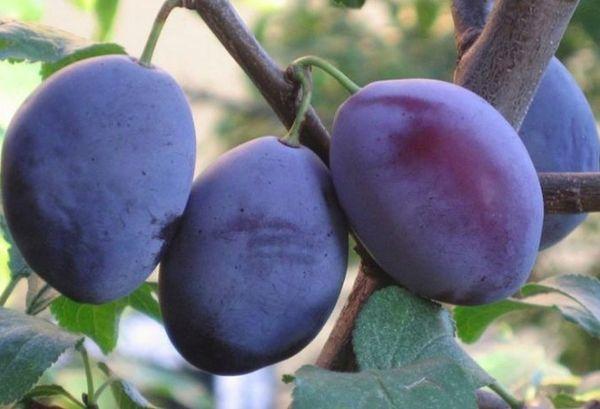
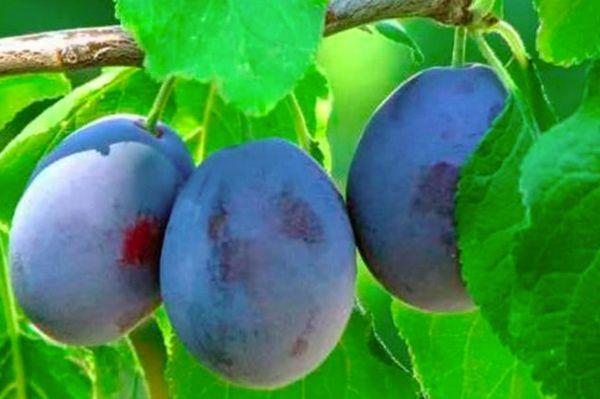
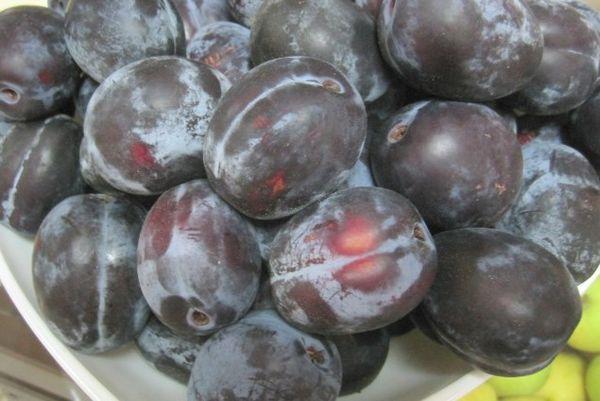
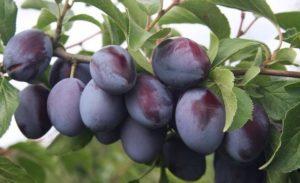
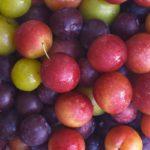
Tasters rated this variety 4.8 out of 5. The fruits have a sweet dessert flavor, a characteristic plum tartness in the aftertaste, and a lingering aroma. The flesh is juicy and tender, but not quite firm. The fruits are ovoid in shape, with a dark purple outer skin. One 40-gram plum contains:
- sugar – 5 grams;
- acids – 6 grams;
- other substances – 29 grams.
The fruits of the Smolinka variety are subsequently used in the preparation of various sweet dishes, compotes, jams, natural juices, eaten raw and offered for sale.
Susceptibility to diseases and parasites
The crop has increased resistance to clusterosporium, but is susceptible to other diseases and parasites that affect plum varieties.
To prevent infection, seasonal preventative treatments should be carried out.
Resistance to low temperatures and drought
The Smolinka plum variety has average tolerance to frost and dry climates. While the plant can quickly adapt to sudden cold spells, it does have a high risk of disease afterward.
How to plant a tree on a plot
Planting the Smolinka variety is a simple process that requires preliminary selection and preparation of the plot, as well as the acquisition of a healthy cutting. Proper planting will ensure a long lifespan and abundant fruiting.
Required soil composition
The soil should be light and fertile – loamy soil with a neutral reaction is suitable for this.
Selecting and preparing a site
It's best to choose a site on the south or west side with ample sunlight. To prevent the plant from burning, provide some shade periodically. When choosing a location, consider protection from strong gusts of wind and drafts.
Before planting, you need to clear the soil surface and remove all unnecessary crops and weeds.
Dimensions and depth of the planting hole
One to two weeks before planting the plum cutting, dig a hole 80 centimeters deep and wide. When digging, set aside the top layer of fertile soil; you'll need it later. After digging the hole, add organic fertilizer mixed with a couple of liters of warm water.
Timing and rules for planting fruit crops
It's best to plant this variety in the spring due to its average winter hardiness. This will ensure a smooth adaptation to new conditions.
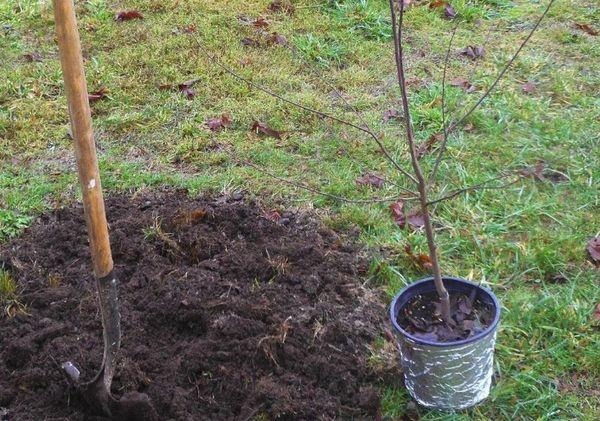
Planting a plum tree is done in several successive stages:
- The tips of the root system are trimmed and soaked in water for several hours.
- Before planting, soak the roots in a solution of clay and cow manure in a 1:1 ratio.
- A small mound is formed from the soil in the hole, and a wooden support is dug into it.
- Place the cutting in the hole, straighten the root system and cover with fertile soil.
- Everything is carefully compacted, and the plant is tied to a support stick.
- The soil around the crop is watered generously with warm water.
- Mulch the soil around the trunk using peat or dry soil.
Care
Proper and timely care of the plant will ensure healthy growth and frequent, high-quality fruiting. The most important things are regular watering, fertilizing the soil, and preparing the plant for the coming cold weather.
Watering
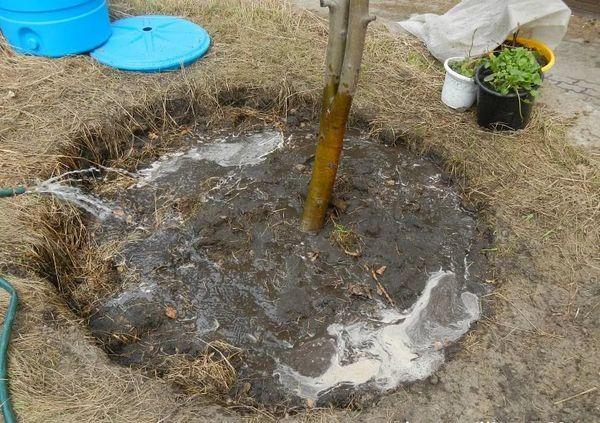
The plant requires constant watering, especially in the early stages of growth. During shoot development, the plant requires a large amount of moisture. Smolinka plums should be watered once every 3-4 days with 50-60 liters of water per square meter. The greatest need for water occurs during the period of pit formation, which begins 30 days after flowering.
What fertilizers does plum like?
This variety requires constant fertilization with potassium fertilizers. Three to four fertilizations should be performed per season:
- before flowering;
- before fruit formation;
- after the fruits have ripened;
- before the cold weather sets in.
Types of cuttings
Pruning should be done twice a year to remove damaged, diseased, and overly long shoots. This procedure will allow the plant to produce more fruit.
Loosening and mulching the tree trunk circle
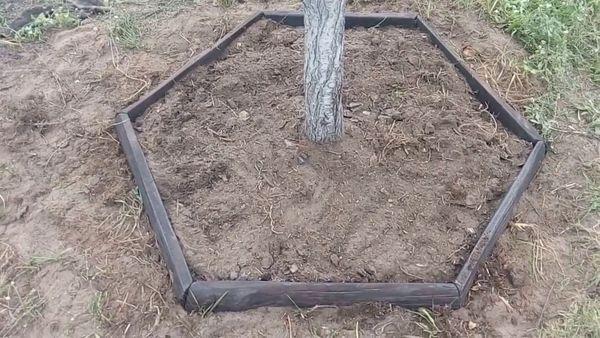
Loosening the soil should be done immediately after watering—this will allow moisture to penetrate the soil more quickly and oxygenate the upper layers of the soil. Mulching is done when unwanted plants and weeds appear around the tree.
Protection from adverse factors and diseases
Provided the tree is properly maintained, it will often cope with pest and disease outbreaks on its own. To prevent infestation, the tree trunk should be whitewashed annually. Fungicides can be added to the lime to increase its effectiveness. If insects appear on the tree, the following products can be used:
- Fufanon;
- Aktar;
- Karbofos.
It's best to carry out treatments 2-3 times a year. When choosing a spray, choose insecticides that are least harmful to human health.
Reproduction methods
The most common method of propagating plums is by cuttings. To do this, a healthy shoot is cut from the tree and left in the desired climate conditions for 2-3 months until it sprouts. This cutting is then planted in a prepared container with fertile soil until it develops a large and healthy root system. After this, the plant is transplanted into open ground. This is best done in the spring, as this will allow the plant to better tolerate its new environment.
Gardeners' reviews of the Smolinka variety
Grigory, 41 years old, St. Petersburg.
"I grow the Smolinka plum; it produces juicy, large fruits every year, but it requires careful care and preparation for the coming winter."
Svyatoslav, 38 years old, Minsk.
"I have several trees of this variety at my dacha. Every year they require fertilization, frost preparation, crown shaping, and other treatments. The yield is high, and the fruits are juicy and sweet."
Related posts:
 Description and characteristics of the Yakhontovaya plum variety, pollinators
 Description of the Renklod plum varieties and cultivation technology
 Description and characteristics of the 30 best yellow plum varieties, planting and care
 Description and varieties of plum variety Ternovka, planting and care technology
 Description and distinctive features of the best varieties of Ussuri plum
 Description of the beneficial and harmful properties of plums for human health, contraindications
 Description of the Manchurian Beauty plum variety, pollinators, and cultivation details
 Description of the 30 best plum varieties for the Moscow region, planting and care