
- History of the selection of the Gift to St. Petersburg variety
- Description of plum
- Tree dimensions
- Flowering and pollinating varieties
- Pchelnikovskaya
- Pavlovskaya yellow
- Pioneer
- Ripening time and yield
- Taste qualities and scope of application of berries
- Distinctive features and characteristics of the variety
- Resistance to low temperatures and drought
- Immunity to diseases and pests
- Specifics of planting crops
- Recommended timeframes
- Choosing a suitable location
- What to plant next door
- Preparation of planting material
- Landing algorithm
- Aftercare of plum
- Trimming
- Watering
- Top dressing
- Caring for the tree trunk circle
- Preparing for winter
- Methods of reproduction
- Gardeners' reviews
Breeders have developed a large number of different cherry plum varieties. You can find a hybrid with any characteristic. One of the cherry plum varieties popular among gardeners is "Podarok Sankt-Peterburgu."
History of the selection of the Gift to St. Petersburg variety
A Russian-bred variety developed in the Krasnodar region. The hybrid was created by crossing the Chinese plum Skoroplodnaya and the cherry plum Pionerka.
Description of plum
Before purchasing a seedling, you should study the characteristics of the tree and its description.
Tree dimensions
The tree is medium-sized, with a spreading crown and drooping branches. A mature tree reaches 3-4 m in height.
Flowering and pollinating varieties
The cherry plum "Podarok Sankt-Peterburgu" is self-sterile; other varieties must be planted nearby for pollination. The flowers bloom around mid-May.
Pchelnikovskaya
Fruiting begins in the fourth year after planting. The harvest ripens by mid-September. The tree is distinguished by good frost resistance.
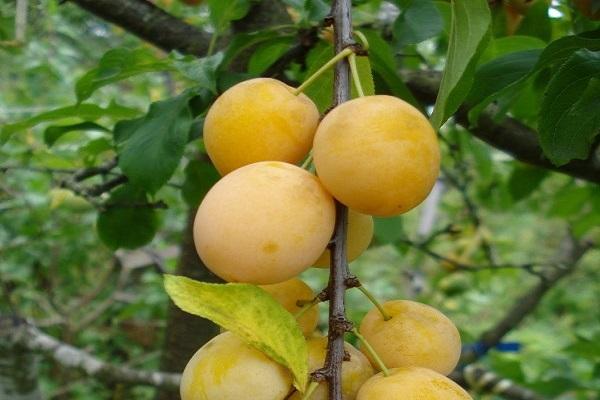
Pavlovskaya yellow
The hybrid is resistant to frost and drought. Pavlovskaya Yellow is a mid-early variety, with the harvest ripening around mid-July.
Pioneer
The fruits are large and burgundy. This variety has a mid-early ripening season, with the first ripe fruits appearing on the tree by early July.
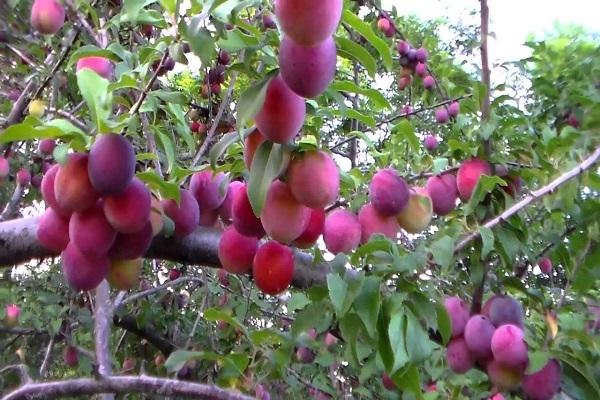
Ripening time and yield
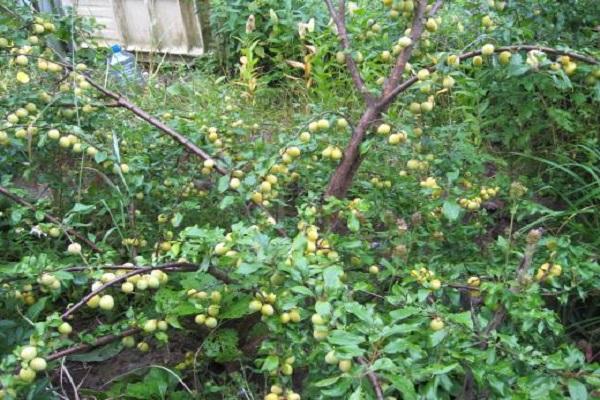
The harvest ripens mid-early, with ripe fruits appearing on the tree by the first days of July. The harvest ripens unevenly, lasting almost the entire month of August. At the end of ripening, the fruits begin to fall. The yield is stable; a single tree can yield approximately 25 kg of fruit per season.
Taste qualities and scope of application of berries
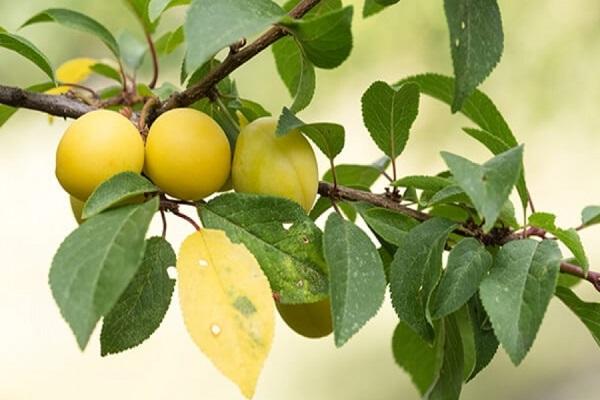
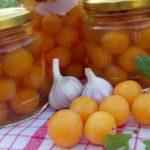
The skin is yellow, covered with a thin waxy coating. The flesh is orange, sweet, slightly tart, and juicy. Fresh fruits can be used for preserves and baking.
Distinctive features and characteristics of the variety
Distinctive features of the variety:
- The seedlings begin to bear fruit in the third year after planting.
- Resistance to pests and diseases is average.
- The peak yield occurs closer to 10 years of tree cultivation.
- Ripe fruits tolerate transportation and long-term storage well.
One of the disadvantages is that if there is a sudden cold snap in the fall, the fruit buds may freeze.
Resistance to low temperatures and drought
It tolerates temperatures down to -30°C (-30°F) well, but does not withstand temperature fluctuations well. The tree also tolerates prolonged drought well.
Immunity to diseases and pests
Resistance to diseases and pests is average; if care rules are followed, cherry plum rarely gets sick.
Specifics of planting crops
The health of the tree and future yield depend on the correct planting of the seedling.
Recommended timeframes
Cherry plums can be planted in spring or fall, but spring is considered the most favorable time. If planted in the fall, the seedlings may not have time to take root before winter, and severe frosts can kill the seedlings. Cherry plums can be planted in the fall in southern regions with mild winters.
In the central and northern regions, it's best to wait until spring for planting. It's recommended to plant cherry plum seedlings in mid-April, when the soil has warmed up.
Choosing a suitable location
Cherry plums prefer to grow in open, sunny areas protected from strong drafts. Ideally, they should be located near the walls of buildings on the south or west side.
The plant prefers to grow in loamy soils or black soil. It should be light, nutritious, and well-drained.
What to plant next door
Cherry plums pair well with most fruit crops. They can be planted near the following trees and shrubs:
- cherry plum;
- plum;
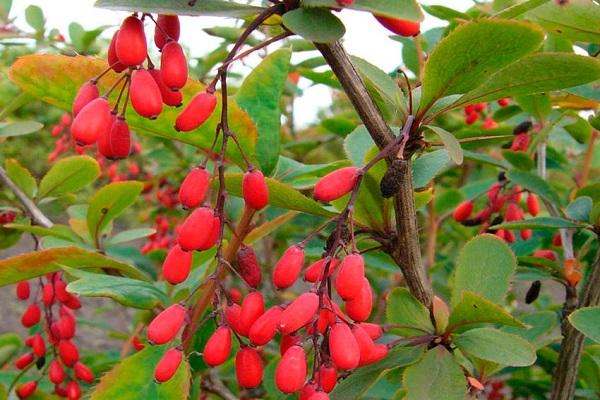
- barberry;
- hazelnut;
- sea buckthorn;
- quince;
- apricots;
- hawthorn;
- almond.
It is not advisable to plant cherry plum next to pear and apple trees.
Preparation of planting material
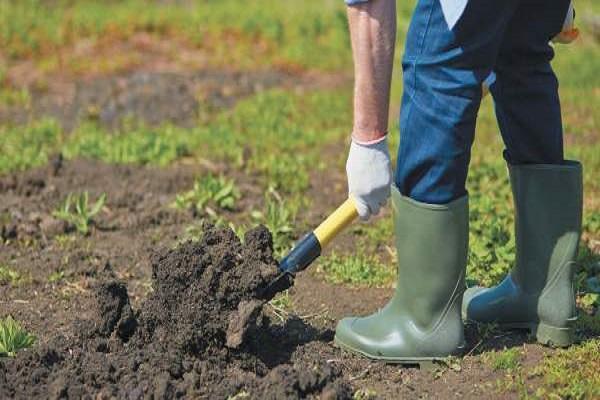
Two weeks before planting, the soil is dug over and mixed with rotted manure and complex mineral fertilizers. A few hours before planting, the seedling's root system is dipped in a growth activator.
Immediately before planting, to protect the rhizome, it is dipped in a liquid clay solution.
Landing algorithm
The process of planting a seedling:
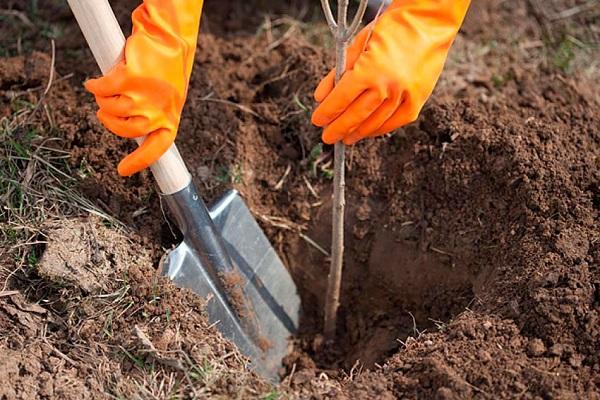
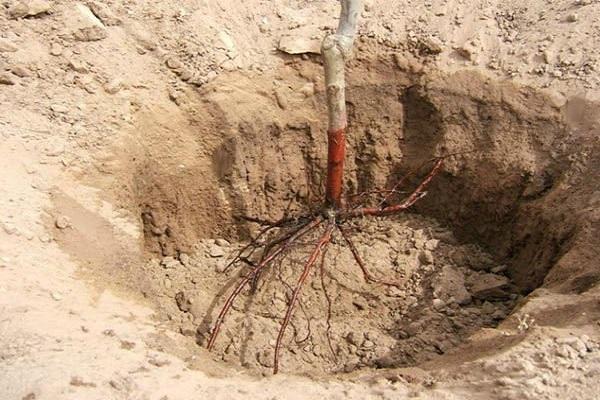
- Dig a hole 70 cm deep and 75 cm wide.
- Pour fine gravel or crushed eggshells onto the bottom.
- Place the seedling in the hole.
- Drive a stake next to it.
- Fill the hole with soil.
- Tie the tree to a stake.
Take a look Also
At the end of planting, water the hole generously with warm water.
Aftercare of plum
Don't forget about cherry plum care. Properly organized care will increase yields and act as a preventative measure against diseases.
Trimming
Formative pruning cherry plum is carried out in the year of plantingThen, sanitary pruning should be carried out every year in the fall to prevent pests and diseases. All dead or damaged branches are removed. Thinning is carried out in the summer as needed.
Watering
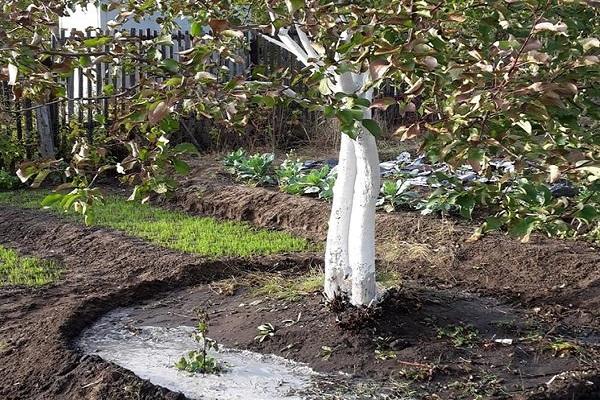
The tree prefers moderate, regular watering. The soil is watered in the evening 2-3 times a week. Warm water is suitable for watering. Cold watering leads to the development of fungal diseases. On average, one tree should receive up to 50 liters of water. During the period of fruit set and ripening, the frequency of watering is reduced.
Top dressing
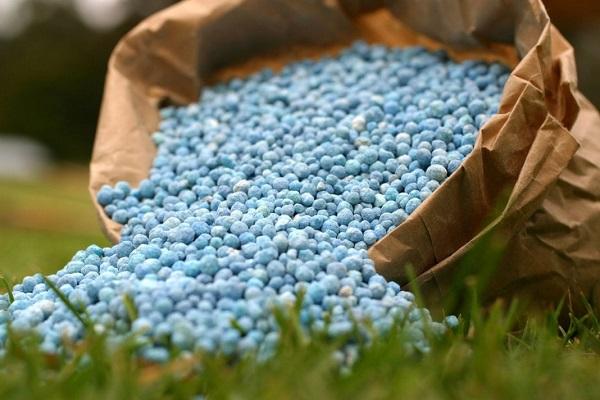
During the first half of the season, nitrogen-containing fertilizers are added to the soil. Nitrogen-rich fertilizers promote active foliage growth and abundant flowering.
During the fruit set period, the soil is fertilized with phosphorus and potassium. This fertilizer increases yield and improves the taste of the fruit. It's also helpful to water the beds with a solution of bird droppings and ash, and to add rotted manure to the soil.
Before winter, apply a low-nitrogen, complex mineral fertilizer to the soil. Alternatively, nitrogen-free fertilizers can be used.
Caring for the tree trunk circle
Weeds should be kept out of the tree's trunk area. Pull them out as they appear. Weed the soil several times a week before watering.
Preparing for winter
Before the onset of cold weather, dig up the soil to prevent insects from appearing on the trees in the spring. Mulch can also be applied to prevent roots from freezing. If mice chew the bark during the winter, wrap the lower part of the trunk with burlap or roofing felt.
Take a look Also
Methods of reproduction
There are several ways to propagate cherry plum, including cuttings, seeds, and young shoots.
The most time-consuming and labor-intensive method is seed propagation. It is used least often for propagation. The seed is first grown indoors, then, when the seedling grows, it is transplanted into open ground. For cherry plum planting by seed, the largest and sweetest fruits are selected.
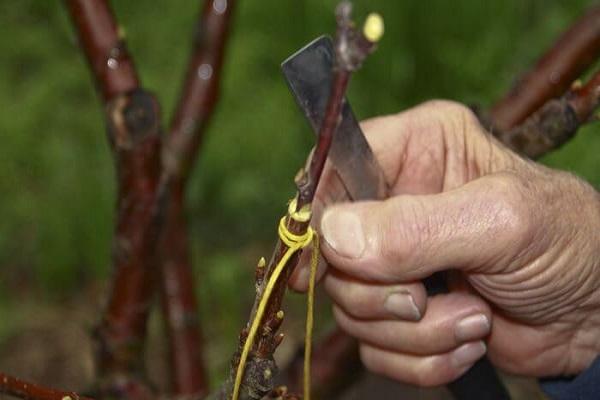
The easiest way to propagate cherry plum is by cuttings or shoots. For cuttings, the material is collected in the fall and kept in a cool place until the end of February. Then, it is rooted indoors. In the spring, when the soil warms up, it is transplanted outdoors.
To propagate with young shoots, select bushes growing slightly further from the parent tree. The bushes are dug up, separated from the parent plant, and transplanted to a new location.
Gardeners' reviews
Karina, 43: "This variety has been growing at my dacha for a long time. I don't know exactly how old the tree is, but it bears fruit reliably every year. The entire tree is covered with plums. The harvest is enough to keep me eating plums all summer long and to make compotes and jams. The ripe fruits are sweet and juicy."
Matvey, 49: "I planted this variety in my garden a few years ago. Two years after planting, the cherry plum had only a few blossoms, but the following year, the entire tree was covered in flowers. I have no complaints about the yield; the tree always produces a lot of plums, and the branches often bend under the weight. It's an excellent variety with delicious fruit."
Related posts:
 Description and cultivation of the 15 best cherry plum varieties for the Moscow region, planting and care rules
 Description of the Kubanskaya Kometa cherry plum variety, planting and care details
 Rules for growing and caring for cherry plum in open ground, planting and fertilizing
 Description and characteristics of the cherry plum variety Naydena, cultivation technology
 Description and cultivation technology of the Mara cherry plum variety, pollinators
 Simple recipes for making cherry plum jam with and without pits for the winter
 15 simple step-by-step recipes for making cherry plum jam for the winter
 10 simple recipes for making pickled cherry plums at home for the winter