
- The main reasons for crop failure
- Violation of landing requirements
- The tree is too young or too old
- Incorrectly selected variety
- Weather conditions and early flowering
- Acidic soil
- Insufficient lighting of the area
- Unbalanced diet
- Excess of organic fertilizers
- Micronutrient deficiency
- Violation of watering rules
- Thickening of the crown
- Freezing in winter
- Diseases
- Damage to buds by pests
- The plum tree blossoms but does not bear fruit.
- Self-sterile variety
- The tree was not pollinated
- Recurrent frosts
- How to make a plum tree bloom and bear fruit
- Tips and advice from experienced gardeners
Many people wonder why plum trees don't bear fruit. There are many possible causes, including improper care, unfavorable climate conditions, various diseases, and pest attacks. To overcome the problem and ensure a bountiful harvest, it's important to determine the cause. Strictly following the plant's care recommendations is also crucial.
The main reasons for crop failure
Plum trees fail to produce fruit for various reasons. To ensure a good harvest, it's important to first identify and eliminate the underlying cause.
Violation of landing requirements
A lack of flowering and fruiting may be due to an unsuitable planting location. Insufficient sunlight and constant exposure to wind lead to a reduction in the number of flower buds and reduced fruit set.
To avoid the need to transplant plums, it is important to choose the right site for this crop. You shouldn't plant the plant between a building and a fence. It's also not recommended to grow the plant in a windy area. If replanting the plum tree is not possible, it's a good idea to install protective screens near the tree. These help protect the plant from the wind.
The tree is too young or too old
Most varieties bear fruit only in the third year after planting. Some varieties don't produce fruit until 5-8 years later. Therefore, a plant that is too young may not bear fruit. It's important to remember that yield declines with age. A tree that is too old may not produce fruit at all.
Incorrectly selected variety
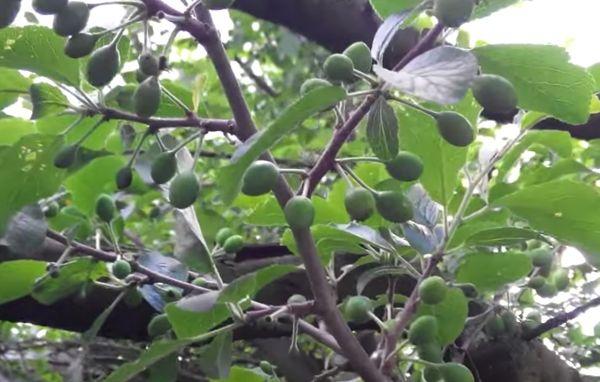
When choosing a plum variety, it's important to consider regional characteristics. For colder regions, the Moskovskaya Hungarian or Tulskaya Chernaya varieties are recommended. In temperate regions, varieties such as the Aleksey or Yakhontovaya plums are grown. In the south, virtually all varieties can be grown.

Weather conditions and early flowering
The quality and quantity of the harvest directly depend on climatic conditions. Early spring marks the beginning of the tree's growing season. However, subsequent frosts can damage swollen buds. In such a situation, using insulating materials or fumigating the tree with smoke is useless.
Acidic soil
The plant requires nutritious soil with neutral pH. However, soils often don't meet these requirements.
Acidic soil will significantly reduce yields. This is due to the slow absorption of nutrients. Even with fertilizer, the tree will suffer from vitamin deficiencies. As a result, fruit buds may fall off.
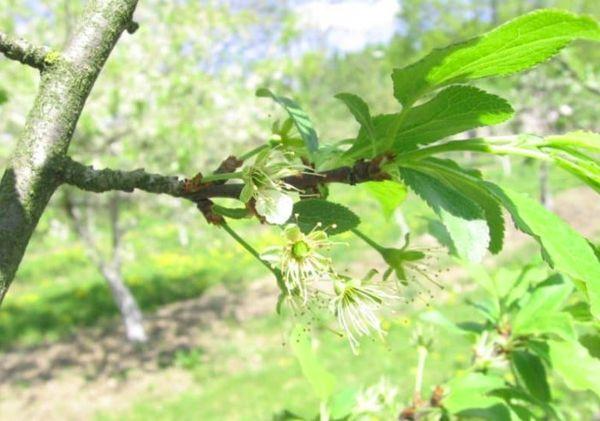
To avoid such problems, add slaked lime or wood ash to the plant. However, it's important to remember moderation. Excess alkalinity leads to a dangerous disease called chlorosis.
Insufficient lighting of the area
Plenty of sunlight is required for flower buds to appear. Even slight shade can result in a complete failure of the harvest. Therefore, choosing a planting site wisely is crucial. Sunny areas are ideal for this purpose.
In addition, it is recommended to prune the plant regularly. Too many branches result in insufficient sunlight, which negatively impacts the formation of fruit buds.
Unbalanced diet
A lack of flowering is often associated with a nutrient deficiency. To avoid such problems, it's important to apply fertilizer promptly. It's also recommended to add 2 cups of wood ash and eggshells to the tree's trunk circle.
Excess of organic fertilizers
Excessive use of compost, manure, or bird droppings will lead to problems. Favorable conditions for growth lead to the tree losing its need to reproduce. As a result, green mass rapidly increases, and new branches and root shoots appear.
Organic fertilizers contain a lot of nitrogen, which is necessary for foliage growth. However, they contain little phosphorus and potassium, which are needed for fruiting and root development. This imbalance of nutrients causes a complete lack of flowering.
Micronutrient deficiency
Even when using complex fertilizers for fruit trees, it's important to pay attention to their composition. Plants require different amounts of nutrients at different stages of their life.
In spring, plums require potassium and nitrogen, which help them develop roots and green mass. In summer, phosphorus fertilizers are recommended, which are necessary for fruit ripening and the formation of fruit buds for the next harvest. In addition, the plant requires micronutrients such as calcium, iron, and zinc.
Violation of watering rules
The plum tree's root system is located fairly close to the surface—at a depth of approximately 40 centimeters. The soil in this layer dries out quickly. Therefore, the plant requires regular and generous watering. At least five buckets of water should be poured under the tree at a time.
Thickening of the crown
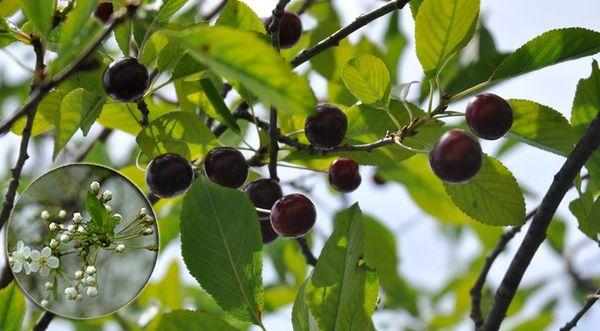
Neglecting sanitary pruning can lead to excessive crown density. This can lead to a lack of flowering. Timely pruning encourages active bud development. Pruning can begin when the tree is two years old. It's also important to remove root suckers, which can deprive the tree of nutrients.
Freezing in winter
Plum is considered a very heat-loving crop. Growing this plant in cold climates can be challenging. Today, many frost-resistant varieties are known, capable of withstanding temperatures as low as -40 degrees Celsius.
However, spring frosts are the most dangerous for them. They also fear temperature fluctuations and icing of branches.
Diseases
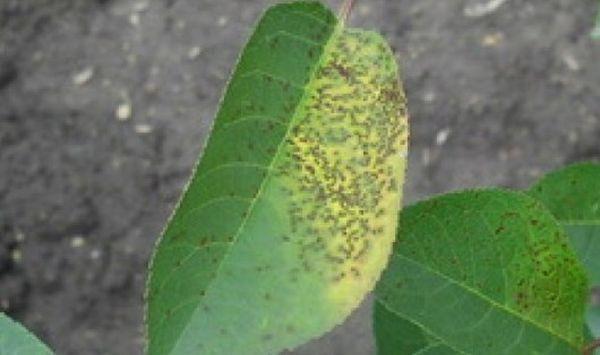
The most common diseases affecting this crop include holey spot and fruit rot. These diseases result in the absence of flowering and fruiting. To avoid these problems, preventative treatment with fungicides is used. Bordeaux mixture is most commonly used.
Damage to buds by pests
One of the most dangerous pests for plums is considered to be apple blossom weevilLarge numbers of these insects can damage flower buds. To avoid problems, regularly inspect your plants. Insecticides should be applied when the air temperature reaches 10 degrees Celsius.
The plum tree blossoms but does not bear fruit.
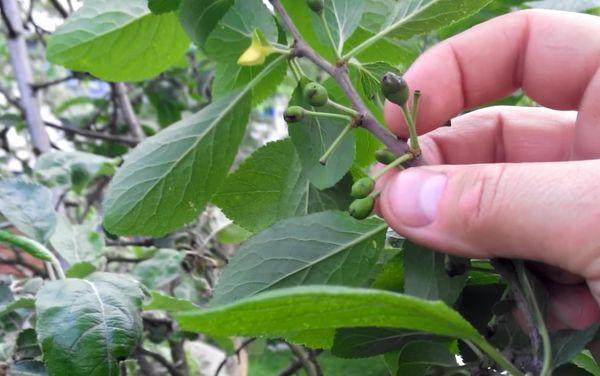
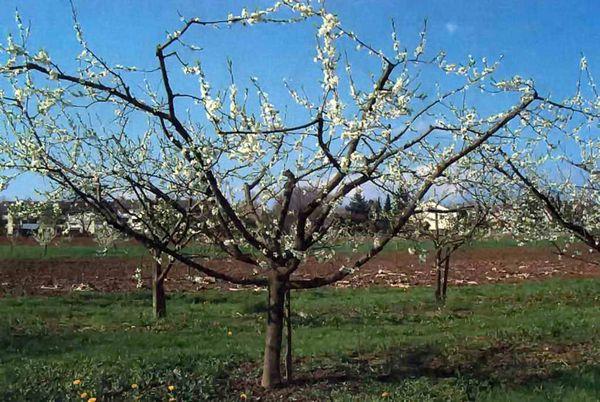
It's not uncommon for a plum tree to bloom but not produce fruit. There are several possible causes for this problem.
Self-sterile variety
It is forbidden to plant a single plum tree. If the plant bloomed profusely but produced no fruit, it may be self-sterile. Planting two plum trees nearby can help avoid this problem. This will ensure they pollinate during flowering.
The tree was not pollinated
Unfavorable climatic conditions and a lack of insects prevent the tree from pollinating. This can be due to excessive rainfall or excessively hot weather. As a result, pollen production decreases. To ensure cross-pollination, trees must be planted fairly close together.
Recurrent frosts
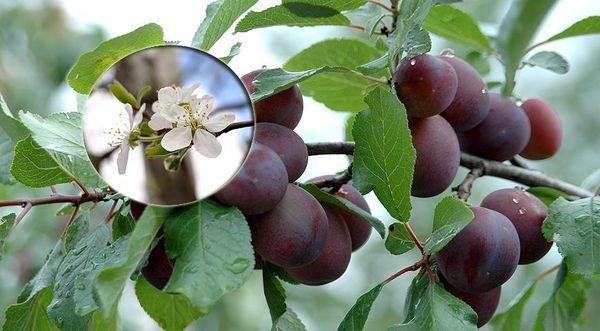
Spring frosts during the flowering period can completely destroy the ovary. If this happens repeatedly, it's best to remove the tree. This problem indicates the plant's insufficient frost resistance for the area.
How to make a plum tree bloom and bear fruit
To get a good plum harvest every year, you need to do the following:
- It is recommended to replant trees or plant new crops only in spring.
- First, pour 15 kilograms of manure or compost, a small amount of potassium salt or 1.5 kilograms of ash, and 0.5 kilograms of superphosphate into the hole for the plant.
- During the first three years, it's worth adding special fertilizers. In the spring, it's recommended to use saltpeter or urea. Manure and ash can also be used.
- In dry weather, plums need watering.
- To protect trees from frost and sun, it is recommended to whitewash and tie the trunks.
- If cracks appear in the bark, they should be cleaned. It is also recommended to wash the damaged areas. For this, use a 2% ferrous sulfate solution.
Tips and advice from experienced gardeners
To ensure your plum tree blooms fully and produces a bountiful harvest, follow these tips from experienced gardeners:
- First of all, it is worth familiarizing yourself with the biological characteristics of plum growth.
- Know the soil and climatic conditions of the region where the plant is grown.
- When planting, avoid shading the seedlings. Avoid placing plum trees in windy areas.
- Adhere to proper agricultural practices for crop care. This includes watering the plant regularly, treating it for diseases and pests, and fertilizing it.
The lack of a plum harvest can be caused by many factors. To address the problem, it's necessary to identify and eliminate its causes. This requires providing the plant with comprehensive care.
Related posts:
 Description and characteristics of the Yakhontovaya plum variety, pollinators
 Description of the Renklod plum varieties and cultivation technology
 Description and characteristics of the 30 best yellow plum varieties, planting and care
 Description and characteristics of the 27 best plum varieties for the Urals, planting and care
 Description and distinctive features of the best varieties of Ussuri plum
 Description of the Volga Beauty plum variety, planting and care
 Description and varieties of plum variety Ternovka, planting and care technology
 Description and cultivation of the 15 best cherry plum varieties for the Moscow region, planting and care rules