
- The origin of the Etude plum variety
- Advantages and disadvantages of fruit trees
- Description of the culture
- Tree dimensions
- Pollinators and flowering
- Ripening time and harvest
- Taste qualities and further marketing of fruits
- Landing specifics
- Optimal timing
- Selecting a suitable site and preparing the hole
- What to plant next to it
- Selecting and preparing a seedling
- Landing technology
- Further care of the plum
- Watering
- Top dressing
- Plum pruning patterns
- Caring for the tree trunk circle
- Wintering
- Preventive treatments
- Methods of reproduction
- Gardeners' reviews
The Etude plum variety is one of the most promising hybrids. It is highly resistant to disease and frost, and is renowned for its large fruits. This variety is widely grown in the central part of the country, but is also grown in colder areas. It has a long shelf life, attractive fruit, and excellent flavor. This plum will appeal to both professionals and any gardener.
The origin of the Etude plum variety
This variety is a dessert variety. It was bred through crossing plum varieties Eurasia 21 and Volga BeautyG. A. Kursakov is the creator of the Etude hybrid. In 1983, the variety was sent for testing, where it met expectations.
Advantages and disadvantages of fruit trees
The advantages of domestic plums include high winter hardiness, early fruiting, excellent flavor, and a high yield. The bark and buds tolerate subzero temperatures and severe drought very well, and are resistant to various diseases. The disadvantages of the Etude variety are poorly understood. One possible drawback is its dependence on pollinators.
Description of the culture
This hybrid is a table grape, is large, and doesn't require large plots for cultivation. It is grown in Russia, Ukraine, and Belarus. It is one of the sweetest varieties.
Tree dimensions
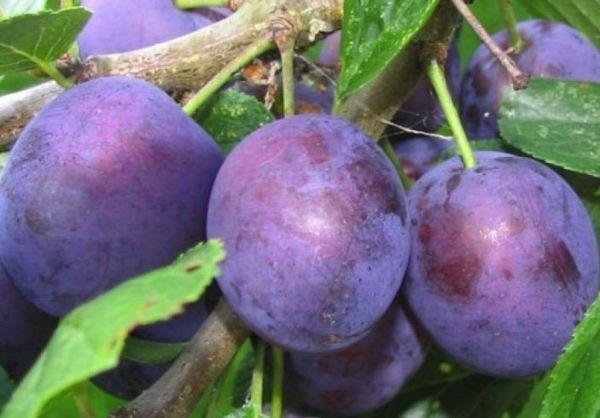
It is above average in size and has a rounded crown. The bark is brown with a gray tint, and the trunk is rough. The leaves are ovoid, dark green, wrinkled, and large. The leaflet tip is slightly pointed, and the edges are wavy. The shoots are thick and straight, brownish-brown. The flowers are round-oval, not touching each other.
Pollinators and flowering
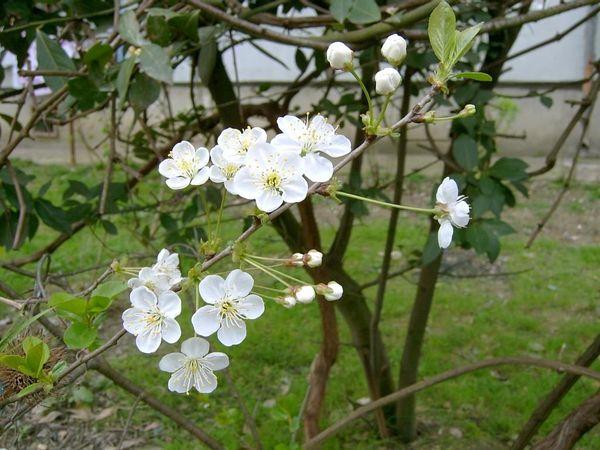
The Etude plum tree blooms from approximately May 20th to 31st. It is partially self-fertile, but can also be pollinated by Volzhskaya Krasavitsa, Zarechnaya Rannaya, and Renklod Tambovsky. It is sometimes pollinated by insects, such as bees.
Ripening time and harvest
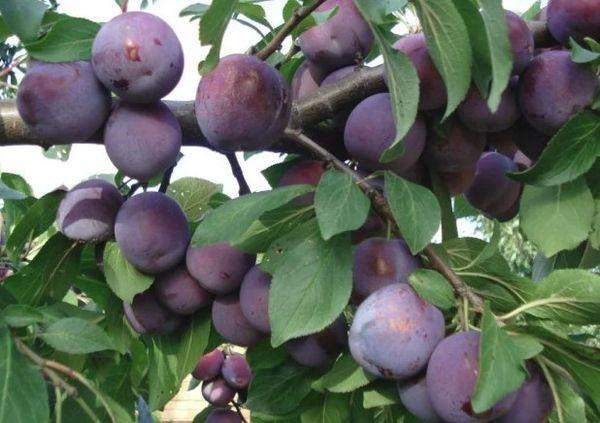
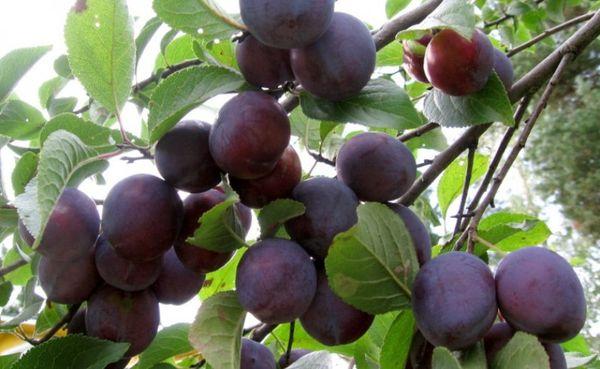
The fruits ripen simultaneously, around August 20th-30th. The tree is very early-bearing and productive, beginning to bear fruit in its fourth year. The yield per tree is approximately 20 kilograms. Fruiting occurs annually. Due to its long shelf life, the fruits are ideal for long-distance transport. The shelf life after harvest is approximately 60 days.
Taste qualities and further marketing of fruits
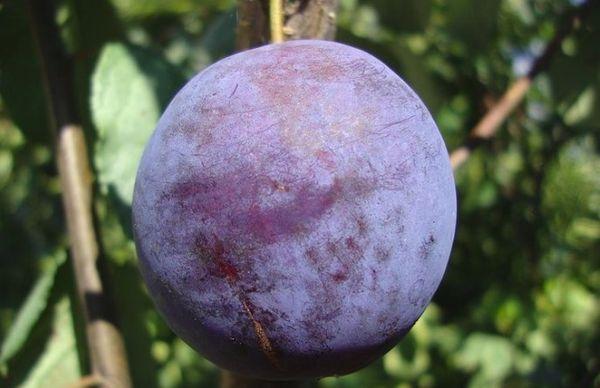
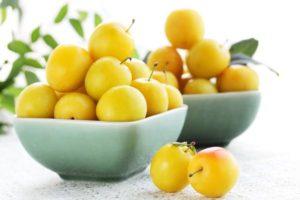
The plums ripen to a weight of 28-30 grams. They have smooth skin and a round, ovoid shape. The ventral suture is medium deep, and the fruit's skin is firm and covered with a waxy coating. The plum pits are medium-sized and separate easily from the pulp. The flesh is yellow, juicy, and has a sweet and sour taste. It has a pleasant, delicate aroma. Experts rate the taste of Etude at 4.3 out of 5. The sugar content in the fruit ranges from 7.16% to 11.8%. The fruits are used to make jams, preserves, and sometimes juice.
Landing specifics
Planting and care won't be a problem in this case. It's best to choose a high spot; the Etude plum requires full sun.
Optimal timing
The best time to plant this variety is autumn. This is the end of the growing season. Then the plant will have time to gain strength and become established before spring.
Selecting a suitable site and preparing the hole
To begin, select a well-lit area that is also protected from strong gusts of wind. This area should prevent cold air from stagnating. This variety prefers moist soil with a neutral pH.The soil shouldn't be too heavy, but a high sand content won't allow the roots to take hold. If the area is too unstable, add clay.
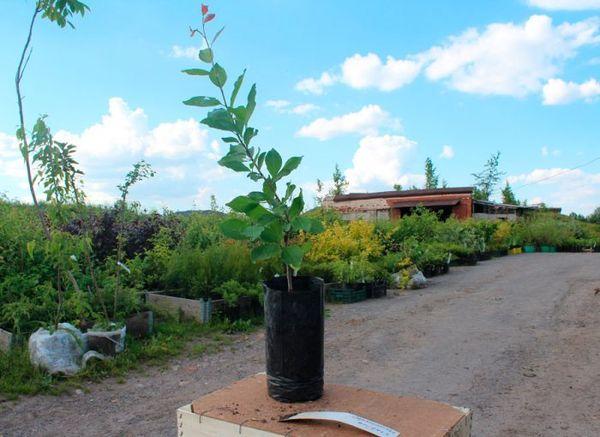
Prepare the planting hole in advance. The hole should be 65-75 centimeters wide and 55-65 centimeters deep. The lower, infertile soil layer is removed. A fertile layer of soil and humus are placed at the bottom of the hole. Special mixtures, available at any flower shop, are also used. One kilogram of wood ash is also added to the hole as fertilizer. This will increase the yield. Lime is added to acidic soil.
What to plant next to it
Avoid planting very tall trees near the Etude plum tree, as this hybrid requires full sun to produce juicy and sweet fruit. Plant other plum varieties near the tree, as this hybrid is not fully self-pollinating. The best pollinators for the Etude are the Zarechnaya rannyaya (early) and Volzhskaya krasavitsa (volga beauty). If there are several such trees in the same area, plant them approximately 4-5 meters apart. This will prevent the trees from interfering with each other.
Selecting and preparing a seedling
The seedling should be undamaged; before planting, it should be straightened and the roots should be carefully spread out. Care should be taken to ensure that they are not broken.
Landing technology
First, prepare a planting hole; its dimensions should be approximately as follows:
- length 70 centimeters;
- width 50 centimeters;
- depth 60 centimeters.
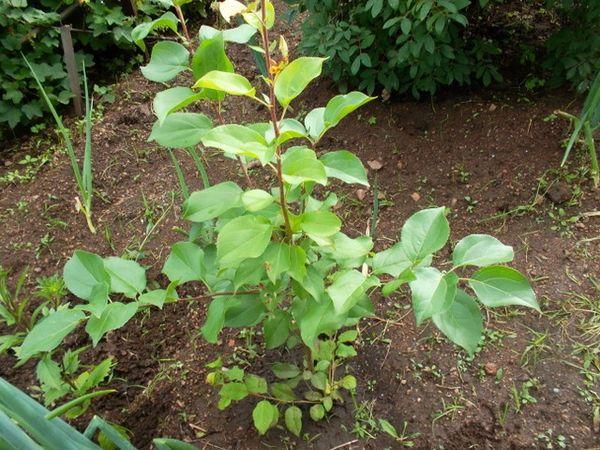
At the bottom of the hole, form a mound of fertilizer and soil mixture. The mixture contains soil, minerals, and organic matter. The seedling's roots are spread out and carefully lowered into the hole, paying attention to its position. Then, lightly press the seedling down to evenly cover the roots, and carefully fill the hole. The hole is topped with a fertile layer of soil and firmly tamped down to prevent air pockets. Next, drive a stick near the tree to support the young plant. Water the planting area with room-temperature water.
During the first year of life, the plant is not fertilized, as it needs time to take root.
Further care of the plum
After planting, the hybrid requires careful care. Watering, fertilizing, and pruning schedules must be considered. Gardeners try to take all of this into account. With proper care, the tree will bear fruit within four years of planting.
Watering
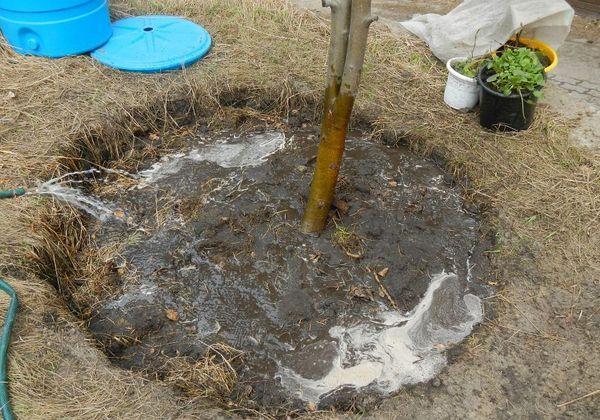
Water 1-2 times a week. If the season is dry, increase watering to 3 times a week. Dry climates don't negatively affect the tree; the sun will make the fruit sweeter. The tree should receive at least 20 liters of water per week.
Top dressing
At first, the tree isn't fertilized; in the second year, it's supplemented with compost. To boost the plum tree's immunity, nutrient mixtures containing beneficial substances are added as fertilizer. These mixtures are available at the store. Adding vitamins will give the Etude plum tree an attractive appearance.
Nitrogen fertilizers are also added in the second year of life, which are beneficial for all young fruit trees. In the third year, at the end of April, nitrogen-containing fertilizers are added to the soil, and at the end of the year, after the fruit has been harvested, phosphorus-potassium fertilizers are used. There are three types of fertilizers: base dressing, soil feeding in liquid or dry form, and foliar feeding.Fertilizers are applied around the tree trunks. 5-8 kilograms of organic matter are applied per square meter.
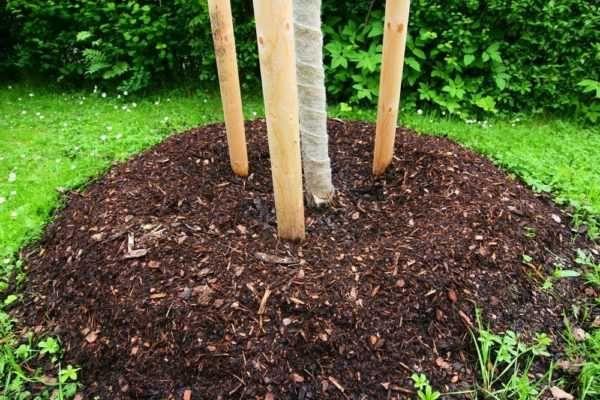
Plum pruning patterns
Pruning is carried out in spring and fall. This work is performed in the second year after planting. The plum tree's crown is formed into tiers, one after the other. The crown consists of 6-8 healthy branches that will form the desired shape.
Dry and diseased shoots are removed immediately. They are burned to prevent fungal diseases and infection of other trees.
Caring for the tree trunk circle
Work begins in early spring. First, clear the area around the tree trunk of snow. This allows the soil to warm up and dry quickly. Avoid delaying the growing season; this doesn't affect the rate of flowering, but it does negatively impact the tree's physiological functions. Positive temperatures and sunlight stimulate the sap to awaken in the tree.
Loosening the soil around the plum tree is done after the soil has dried out. This will help preserve nutrients and retain moisture. It's the young roots that are planted, not the thick ones, as they are the ones that nourish the tree.
The tree is loosened depending on the soil contamination and compaction. At the same time, the area is immediately cleared of weeds. This clearing is done several times during the summer. Shoots around the plant are removed by digging around and cutting them below the soil level. During the growing season, the tree is additionally fertilized with organic and mineral substances.
Wintering
The Etude variety tolerates subzero temperatures well and is unaffected by spring frosts, so its blossoms do not fall. The tree does not require additional insulation. The shelf life of the fruit is also unaffected.
Preventive treatments
The Etude plum variety is disease-resistant, but there are exceptions. Scab and other similar diseases should be treated early, while the tree can still be saved. Control is achieved by spraying with a 1% copper sulfate solution or fungicides.
Preventative maintenance is carried out in the spring and after the growing season. Only the trunk is treated; spraying the fruit buds is avoided, as this will kill them. Plum trees are not susceptible to insects or diseases, so no special care is required.
Methods of reproduction
Plum is propagated vegetatively:
- graft;
- cuttings;
- root shoots.
Seed propagation is not used, but rather to produce rootstocks. Cuttings are grafted onto the plant. Selected, healthy seeds are used to grow rootstocks; they are planted in late autumn or spring, after frost. The following spring, seedlings are grafted onto these seeds.
Propagation by cuttings is considered the best method. This method is more reliable, as it has a high survival rate. Several factors influence the success of propagation, including equipment, the quality of the planting material, fertilizer, timing of propagation, and the condition of the plants. It's also crucial that the cuttings are in good condition before grafting. If there's a lot of snow in the area, the cuttings should be stored under a layer of snow.
Gardeners' reviews
Dmitry Fedorenko: "I've been wanting to plant a plum tree in my garden for a while. A neighbor strongly recommended planting the Etude variety in the fall. I followed the instructions. After four years, the plum tree produced its first fruits. It's a good variety and doesn't require much care. The fruits are sweet and juicy. I'm happy with the results."
Marina Matveychuk: "I decided to add a new plant to my garden. A neighbor was planting cuttings, so she gave me two. I fertilized them, watered them regularly, and it turns out it was worth it. The plum tree is disease-free, and I keep up with the treatments. The fruit is large, perfect for preserves."
Ivan Kirilov: "I saw good reviews about this hybrid and decided to plant one plum tree. There were some problems at first. I didn't realize I needed additional pollinators, but I still got a harvest in the third year. I don't eat it myself, but my grandchildren are happy."
Related posts:
 Description and characteristics of the Yakhontovaya plum variety, pollinators
 Description of the Renklod plum varieties and cultivation technology
 Description and varieties of plum variety Ternovka, planting and care technology
 Description and characteristics of the 30 best yellow plum varieties, planting and care
 Description and distinctive features of the best varieties of Ussuri plum
 Description of the 30 best plum varieties for the Moscow region, planting and care
 Description of the Manchurian Beauty plum variety, pollinators, and cultivation details
 Description of the beneficial and harmful properties of plums for human health, contraindications