
- Features of climatic conditions
- Difficulties in growing crops in the Leningrad region
- Which varieties should you choose?
- Yellow plum
- Self-fertile
- Low-growing and dwarf varieties
- Early varieties
- Mid-season
- Late-ripening crops
- Varieties of Chinese plum
- Columnar
- Additional factors in choosing a variety
- Flower bud resistance
- Wind resistance
- Ripening period
- How to plant correctly
- Optimal timing
- Selecting a site and preparing the soil
- Technological process of landing
- Care instructions
- Irrigation
- Fertilization
- Loosening and mulching the soil
- Diseases and pests: treatment and prevention
- Plum propagation in the Leningrad region
Planting and caring for plums in the Leningrad Region requires specific considerations. To ensure the tree takes root and thrives, it's crucial to select the right variety based on the region's climate. Proper agricultural practices are also crucial. These include watering, fertilizing, and protecting against diseases and pests.
Features of climatic conditions
The Leningrad Region has specific climate characteristics due to its location. The northwest of the country is characterized by rainy weather. Sometimes, precipitation occurs over several consecutive days. Sunshine is quite rare.
The region experiences very humid air, and winters are quite harsh. Recurrent frosts are common in the spring. That is why it is important to take many features into account when growing plums.
Difficulties in growing crops in the Leningrad region
High humidity in the Leningrad Region leads to fungal infections in trees. Root systems and shoots often suffer from rotting. Frequent precipitation causes fruit spoilage, reducing yields.
Northerly winds and severe frosts can cause serious damage to trees and even death. Spring frosts can cause the death of flowers and fruit buds. In such situations, a harvest will be impossible.
Choosing the right variety will help avoid such problems. It should meet the following criteria:
- excellent frost resistance;
- strong immunity;
- resistance to temperature fluctuations;
- early ripening period;
- self-fertility.
Which varieties should you choose?
To select the best varieties for growing in the Leningrad Region, certain factors need to be considered.
Yellow plum
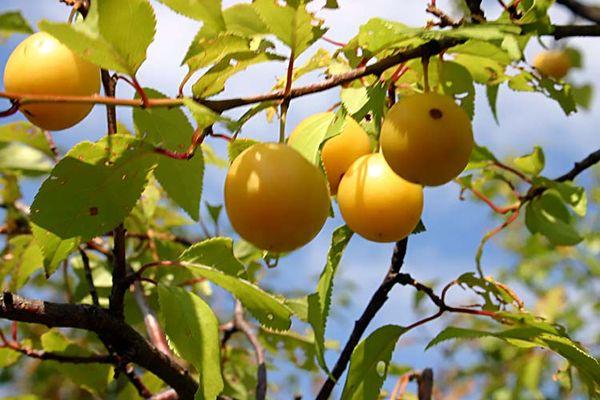
This plum variety is deservedly popular among gardeners. It is characterized by beautiful yellow fruits, amazing sweetness, and a stunning aroma. Moreover, these varieties produce abundant harvests and tolerate frost well. The most popular varieties include:
- Lodva;
- Firefly;
- Mara;
- Sonya;
- Yakhontovaya.
Self-fertile
This feature is very important when growing plums in the Leningrad Region. Self-fertile crops do not require pollinators. Popular self-fertile varieties include the following:
- Oryol Dream;
- Stanley;
- Narach;
- Venus;
- Sissy;
- Oryol souvenir.
Low-growing and dwarf varieties
The plum tree's small size is considered an undeniable advantage. It's easier to care for and harvest. It's also worth noting that shorter plum varieties are more easily adapted to harsh winters and recurrent frosts. Popular dwarf varieties include:
- Red ball;
- Candy;
- Renclode Tenkovsky;
- Bolkhovchanka;
- Pyramidal;
- Omsk night.
Early varieties
These varieties in the Leningrad Region begin bearing fruit in the first half of August. This ensures a harvest before the autumn frosts. This also gives the tree ample time to recover and prepare for winter. The most popular early varieties include the following:
- Zarechnaya early;
- Nika;
- Delicate;
- Starting;
- Early greengage.
Mid-season
The harvest from these plums can be obtained in mid-August. These varieties include the following:
- Emma Lepperman;
- A gift to Saint Petersburg;
- Edinburgh.
Late-ripening crops
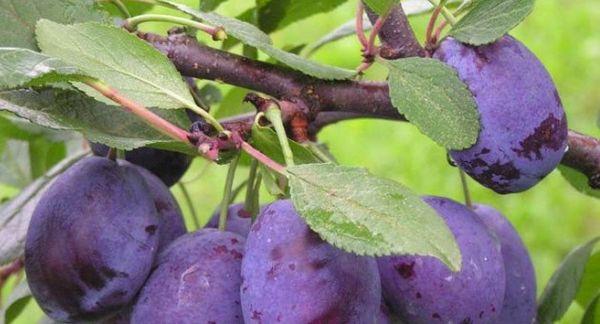
In cold climates, it's not recommended to grow late-ripening varieties, as they may not have time to ripen. However, if desired, the following crops are acceptable for planting in the Leningrad Region:
- Ochakovskaya yellow;
- Hungarian Pulkovskaya.
Varieties of Chinese plum
These plums were developed in the Far East. However, they are highly frost-resistant and can therefore be grown in the northwestern regions. Popular varieties include:
- Amur rose;
- Antonina;
- Khabarovsk prunes;
- Early fruiting.
Columnar
Columnar varieties can also be used for cultivation in the Leningrad Region. The following plants are considered optimal:
- Russian plum;
- Blue Sweet;
- Anzhe.
Additional factors in choosing a variety
When choosing a variety for cultivation in the Leningrad Region, it is worth considering many features.
Flower bud resistance
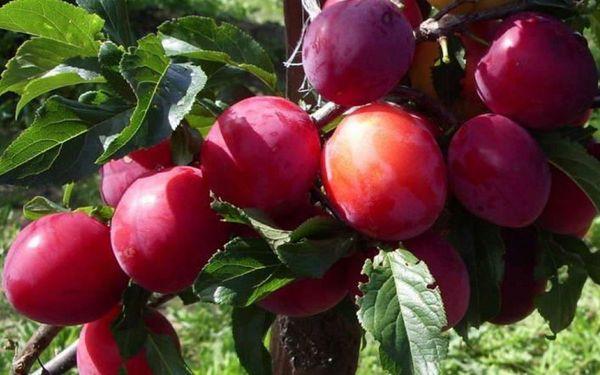
The following varieties meet this criterion:
- Stanley is an American-bred variety. It shares the characteristics of Hungarian varieties, but its fruits are distinguished by their egg-shaped form.
- Renclode Tambovsky – this tree's crown grows more in width than in height. This should definitely be taken into account when planning the planting plan. The fruits are dark purple. Fruiting begins in the third year.
- Black Zyuzina – characterized by a late ripening period. The fruits have a deep blue color.
- Early Greengage – the fruits ripen in late July. They have a greenish-yellow hue. Beneath the thin skin lies dense flesh, characterized by a pleasant honey flavor.
Wind resistance
This region is prone to gusty winds. Therefore, experienced gardeners recommend choosing shorter trees. Varieties no taller than 2.5 meters include the Pyramidalnaya, Konfetnaya, and Krasny Shar varieties. Of particular note is the Omskaya Nochka, which grows to a maximum height of 1.4 meters.
Ripening period
The growing season in the Leningrad Region lasts 150-173 days. This allows early and mid-season varieties to ripen.
Early varieties ripen in the first half of August. These include Skoroplodnaya, Vengerka Pulkovskaya, and Ozymaya Belaya. This category also includes Vengerka Moskovskaya and Renklod Kolkhozny.
Mid-season varieties ripen from August 10th to 25th. These include Skorospelka Kruglaya, Nika, and Vengerka Donetskaya. Renclode Sovetsky is also suitable for cultivation in the region.
Late varieties yield in late August or early September. These include varieties such as Tulskaya Chernaya, Bolkhovchanka, and Nagrada Rossoshanskaya.
How to plant correctly
To achieve success in plant cultivation, it is important to carry out planting work correctly.
Optimal timing
It is recommended to plant the plant in spring or fall. For the Leningrad Region, the former option is more suitable. This is because plums are considered heat-loving. Planting can begin 3-5 days after the ground has thawed. It is important to ensure that the tree does not bud.
If you plan to plant in the fall, it's recommended to do so 1.5-2 months before the onset of frost. Otherwise, the plant won't have time to take root before the cold weather sets in and will die.
Selecting a site and preparing the soil
For plum trees to thrive, they require a sunny location, well protected from the wind. It's recommended to thoroughly dig the soil within a 1-meter radius of the hole. Make the hole 60 centimeters deep. A combination of mineral and organic fertilizers should be added.
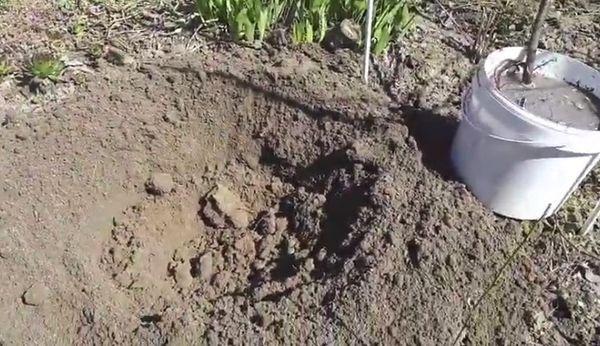
An optimal fertilizer is a mixture of sand, wood ash, and peat. It is recommended to mix these components in equal parts. A handful of urea can also be added to the mixture.
Technological process of landing
Then you can move on to planting. The pattern varies depending on the plum variety. The distance between trees can be 1.5-3 meters. The distance between rows should be at least 5-6 meters.
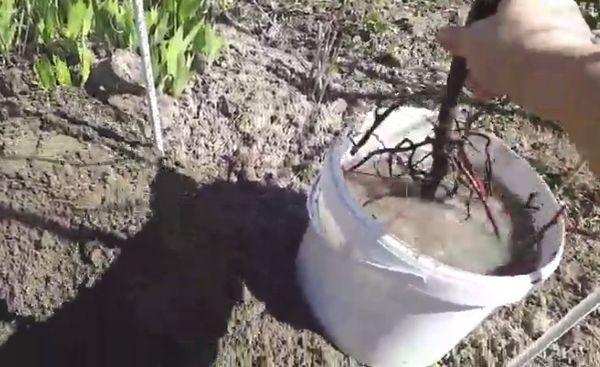
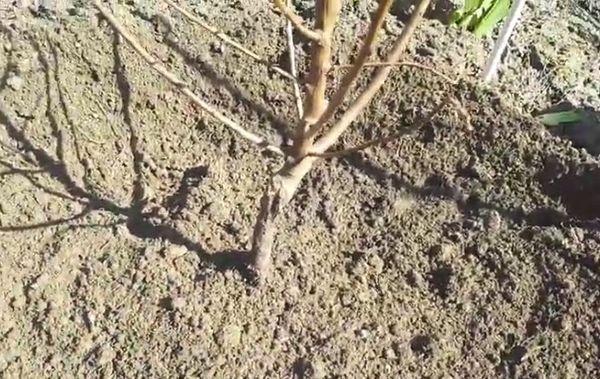
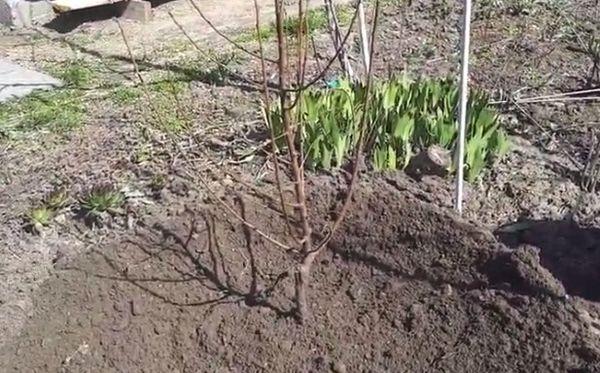
When planting, gently spread the roots of the seedling and press them down with your hand. Cover the hole evenly with soil. Afterward, it's recommended to water the plum tree and cover the area around the trunk with mulch. Sawdust or grass are excellent options for this purpose.
Some plum varieties require additional support. To do this, drive a stake into the north side of the tree. It's recommended to place it 15-20 centimeters from the plant.
Care instructions
To ensure that the plum tree develops normally and fully, it needs to be provided with high-quality care.
Irrigation
This plant is considered quite moisture-loving. It tolerates both excess and deficiency of moisture equally poorly. In hot weather, it is recommended to water the plum tree every 5-7 days. A young tree requires 3-4 buckets of water, while for a mature tree, the rate increases to 5-6.
Fertilization
The crop requires timely fertilization. It is recommended to consider the following:
- For three years after planting, urea alone is sufficient. Apply 20 grams of urea per square meter.
- When fruiting begins, add a mixture of 25 grams of urea, 30 grams of superphosphate, 300 grams of wood ash and 10 kilograms of manure.
- In spring, mature plants require fertilization with compost, manure, or urea. In autumn, potassium- and phosphorus-based fertilizers are recommended.
Loosening and mulching the soil
During the first two years after planting, the soil should be loosened regularly. During this process, add one bucket of compost or peat. Mulch is used to retain soil moisture and control weeds. Grass, sawdust, and leaves are used for this purpose.
Diseases and pests: treatment and prevention
In the Leningrad region, plums can suffer from the following diseases:
- Moniliosis affects flowers, branches, buds, and the trunk. The tree bark becomes covered with gray growths, and the foliage darkens and falls off.
- Rust is a fungal infection that causes leaves to become covered with brown spots with a yellow border.
- Gum disease affects tree trunks and shoots. There is also a risk of fruit infection.
- Clasterosporium leaf spot – fruits become covered with black-gray spots. After some time, gummosis occurs.
- Aphids – these parasites absorb plant sap.
- Gall mite – attacks tree leaves and absorbs their juices.
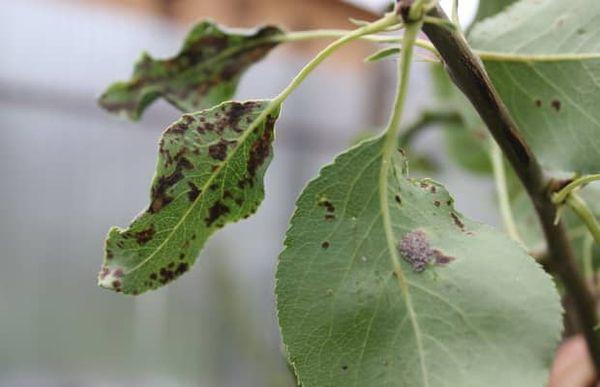
Insecticides help control parasites. For this purpose, you can use Iskra or Actellic. Fungicides are used against fungal infections. Affected tree fragments must be cut off and burned.
Plum propagation in the Leningrad region
Plums can be propagated vegetatively. This can be done by cuttings. Root suckers or grafting are also often used for propagation.
The seed method is rarely used for cultivating varietal crops. It can only be used to produce rootstocks.
Growing plums in the Leningrad Region has its own unique challenges. To achieve success, first and foremost, it's important to choose the right variety. Proper care is also crucial, and it should be comprehensive.
Related posts:
 Description and characteristics of the Yakhontovaya plum variety, pollinators
 Description of the Renklod plum varieties and cultivation technology
 Description and distinctive features of the best varieties of Ussuri plum
 Description and characteristics of the 30 best yellow plum varieties, planting and care
 Description and varieties of plum variety Ternovka, planting and care technology
 Planting and caring for plums in Siberia, description of the best regionalized varieties
 Rules and methods for grafting plums in summer, tips for beginners
 The best tomato varieties for growing in the Leningrad region for greenhouses and open ground